



If you were a millennial pulled out of regular math class to solve logic puzzles or build toothpick bridges, you likely remember 90s gifted and talented programs with a confusing mix of nostalgic pride and low-level anxiety. At the time, being labeled “gifted” felt like the ultimate badge of honor. You were the smart kid. The one destined for greatness. But decades later, a growing number of former prodigies are waking up to a harsh reality: those early educational initiatives may be the root cause of their current adult burnout.
At Elits Buzz, we’re diving deep into the cultural phenomenon of millennial exhaustion. Today, we’re unpacking the unspoken reality of 90s gifted and talented programs, how this early educational tracking masked neurodivergence, and why so many former “pleasure-to-have-in-class” kids are now stumbling through adulthood.
The Promise and Pressure of 90s Gifted and Talented Programs

Back in the day, the American education system was obsessed with identifying and segregating top-tier intellect. To nurture high-achieving students, schools implemented 90s gifted and talented programs, providing specialized curriculums, advanced reading lists, and independent study projects that promised to unlock a child’s boundless potential.
Read More: Concerning Trends Affecting Young Boys in Schools
Why the Label in 90s Gifted and Talented Programs Became a Trap

While the intention behind these initiatives was undoubtedly positive, the execution often left much to be desired. By placing a “gifted” label on a ten-year-old, schools inadvertently tied a child’s entire self-worth to their academic output. Inside 90s gifted and talented programs, intelligence wasn’t viewed as a flexible tool for exploration; it was a fixed trait that had to be constantly proven to adults.
If you didn’t have to try hard to get straight As in middle school, you never actually learned how to study, fail, or ask for help. When the inevitable academic or professional wall hit in college or the corporate world, the crash was devastating.
The Psychological Toll of 90s Gifted and Talented Programs

The psychological hangover from 90s gifted and talented programs is incredibly real, and it has a name: Gifted Kid Burnout. This phenomenon is characterized by chronic procrastination, crippling imposter syndrome, and a pervasive, haunting feeling that you have somehow failed to live up to your “potential.”
Read More: Navigating High School Seniors College Decisions Guide
Masking ADHD in 90s Gifted and Talented Programs
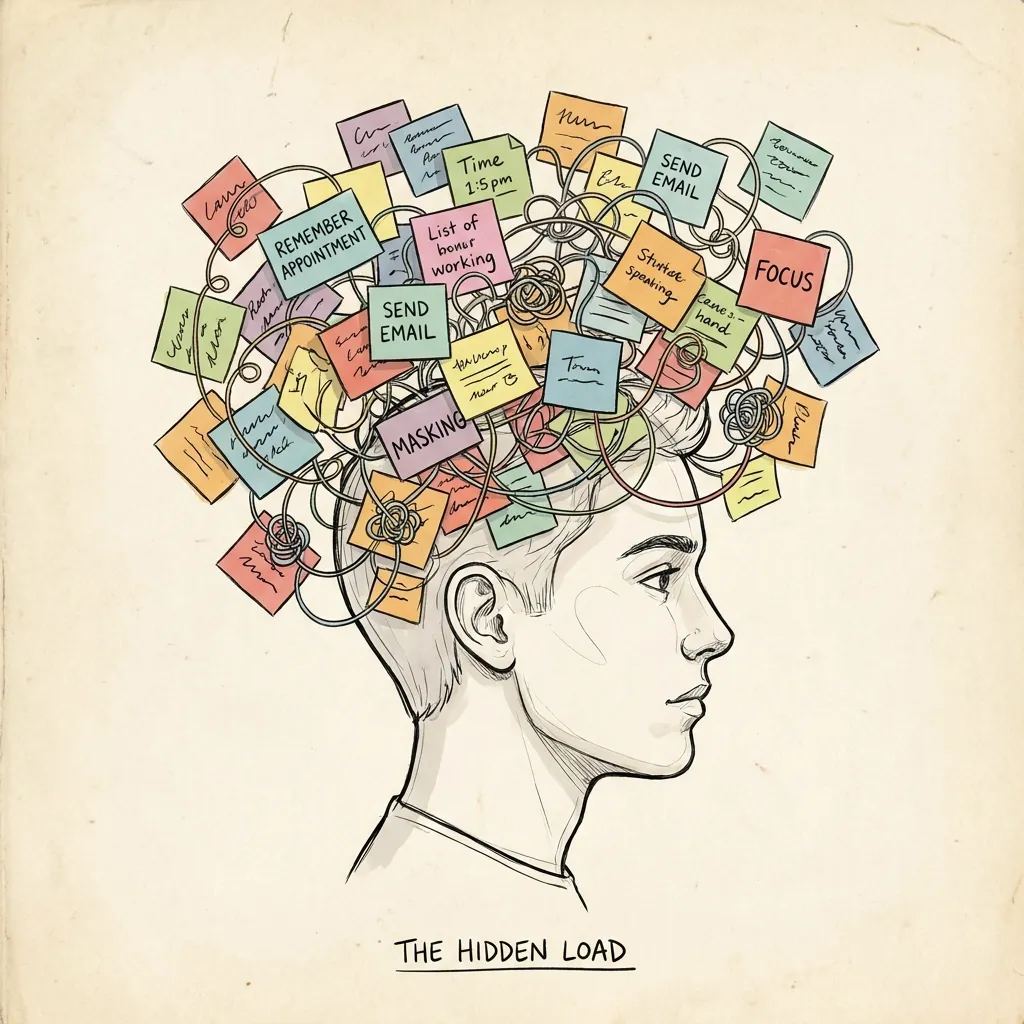
One of the most concerning revelations about 90s gifted and talented programs is how easily they camouflaged neurodivergence. Because these students performed exceptionally well on standardized tests, educators routinely overlooked glaring signs of ADHD, autism, and severe anxiety.
If a student was forgetful, disorganized, or socially awkward, it was often brushed off as the “quirky genius” stereotype. As a result, countless millennials are only now receiving proper diagnoses in their thirties. They are finally realizing that their struggles weren’t moral failings, but unsupported neurodivergent traits that the 90s gifted and talented programs completely ignored in favor of high test scores.
Overcoming the Legacy of 90s Gifted and Talented Programs

If you find yourself paralyzed by perfectionism or grieving the hypothetical spectacular life you were “supposed” to have, it’s time to rewrite the narrative. You are not a broken prodigy. You are a normal human being who was placed under immense, unnatural pressure at a very formative age.
Redefining Success Beyond 90s Gifted and Talented Programs

Healing from the lingering effects of 90s gifted and talented programs requires a radical shift in perspective. Here are a few ways to start dismantling that old programming:
Embrace Being a Beginner: Allow yourself to be bad at things. Pick up a hobby just for the pure joy of it, not to master it or monetize it.
Detach Value from Productivity: Your fundamental worth is not determined by your daily output, your job title, or your ability to be the smartest person in the room.
Seek Professional Support: Therapy can be incredibly beneficial for unraveling the deep-rooted perfectionism and anxiety instilled by 90s gifted and talented programs.
The reality is that “peaking” in elementary school is a myth. By letting go of the heavy expectations placed upon us by 90s gifted and talented programs, we can finally figure out who we actually want to be—no logic puzzles or IQ tests required.