



When traveling internationally, packing your bags and booking flights is only half the battle. If you want to blend in—or at least avoid deeply offending the locals—you need to understand the surprising cultural norms around the world. What might seem like perfectly polite behavior in your hometown could actually be a massive, cringe-inducing faux pas in another country.
Here at Elits Buzz, we love diving into the weird, wild, and wonderful ways humans interact across the globe. Grab your passport, because we are unpacking the most mind-blowing societal expectations you need to know about before your next flight.
Why You Should Care About Surprising Cultural Norms Around the World
Traveling is about much more than just snapping aesthetic pictures in front of famous monuments; it’s about respect. Taking the time to research international etiquette shows locals that you actively care about their heritage and daily lives. Plus, it saves you from being that clueless tourist.
Let’s break down some of the biggest culture shocks you might experience abroad.
1. Surprising Cultural Norms Around the World: Slurping Noodles in Japan

In many Western countries, eating loudly is considered incredibly rude, and you’d likely get a few side-eyes if you slurped your soup. But if you visit Japan, you better make some noise! Slurping your ramen, soba, or udon noodles is not just acceptable; it is a direct compliment to the chef indicating that you are thoroughly enjoying the delicious meal. Furthermore, it serves a practical purpose: drawing in air helps cool the steaming hot noodles down as you eat them.
Read More: 8 English Words With Funny Meanings Abroad (Hilarious Travel Fails!)
2. Leaving Babies Outside to Nap in Nordic Countries

If you walk down a snowy street in Denmark, Norway, or Sweden, you might be absolutely shocked to see unattended strollers parked outside of cozy cafes. Don’t panic! One of the most fascinating international practices is the Nordic habit of letting babies nap outdoors in freezing temperatures. Parents and pediatricians alike believe the crisp, fresh air promotes better sleep cycles and builds much stronger immune systems.
3. Paying for Public Restrooms in Europe
In the United States, you can pop into almost any fast-food restaurant or gas station to use the restroom completely free of charge. Across much of Europe, however, expect to dig into your pockets. Having a few spare coins on hand to access a public toilet is a standard societal expectation. The small fee—usually around 50 cents to a Euro—pays for the dedicated attendants who keep the facilities sparkling clean. Always keep some pocket change handy!
4. Pointing with Your Lips in the Philippines

Forget using your index finger to show someone where to go. In the Philippines, it is incredibly common to point to an object, a person, or give directions by simply puckering your lips and thrusting your chin in that specific direction. It’s subtle, efficient, and completely normal. In fact, using a finger to point at people can sometimes be viewed as overly aggressive.
More Fascinating Global Etiquette Rules to Keep in Mind
5. Tipping is a Major Faux Pas in South Korea
While American waitstaff rely heavily on tips to make a living wage, trying to leave extra cash after a delicious meal in South Korea can actually cause significant confusion or even offense. Excellent, attentive service is simply expected as an integral part of the dining experience, and the price on the menu is exactly what you pay. Leaving money behind might prompt a waiter to chase you down the street, thinking you accidentally forgot your change!
Read More: Moving to Australia? 13 Hilarious & Surprising Culture Shocks You Need to Know
6. The “Mountza” Hand Gesture in Greece

Think twice before enthusiastically waving at someone with a fully open palm in Greece. This specific gesture, known locally as the mountza, is actually a highly offensive insult. It is roughly the equivalent of giving someone the middle finger in Western cultures. If you need to wave hello or goodbye, make sure to keep your palm facing toward yourself.
7. Punctuality is Relative in Latin America
If you are invited to a dinner party in Mexico, Colombia, or Brazil that supposedly starts at 8:00 PM, showing up right on the dot might mean you are the only one there—and you’ll likely be roped into helping the host set up! “Island time” or a highly relaxed view of punctuality is a staple cultural norm in many Latin American countries. Arriving 30 minutes to a full hour “late” to social gatherings is actually considered arriving perfectly on time.
Read More: 10 Common Tourist Mistakes Around the World (And How to Avoid Them)
Ready for Your Next Adventure?
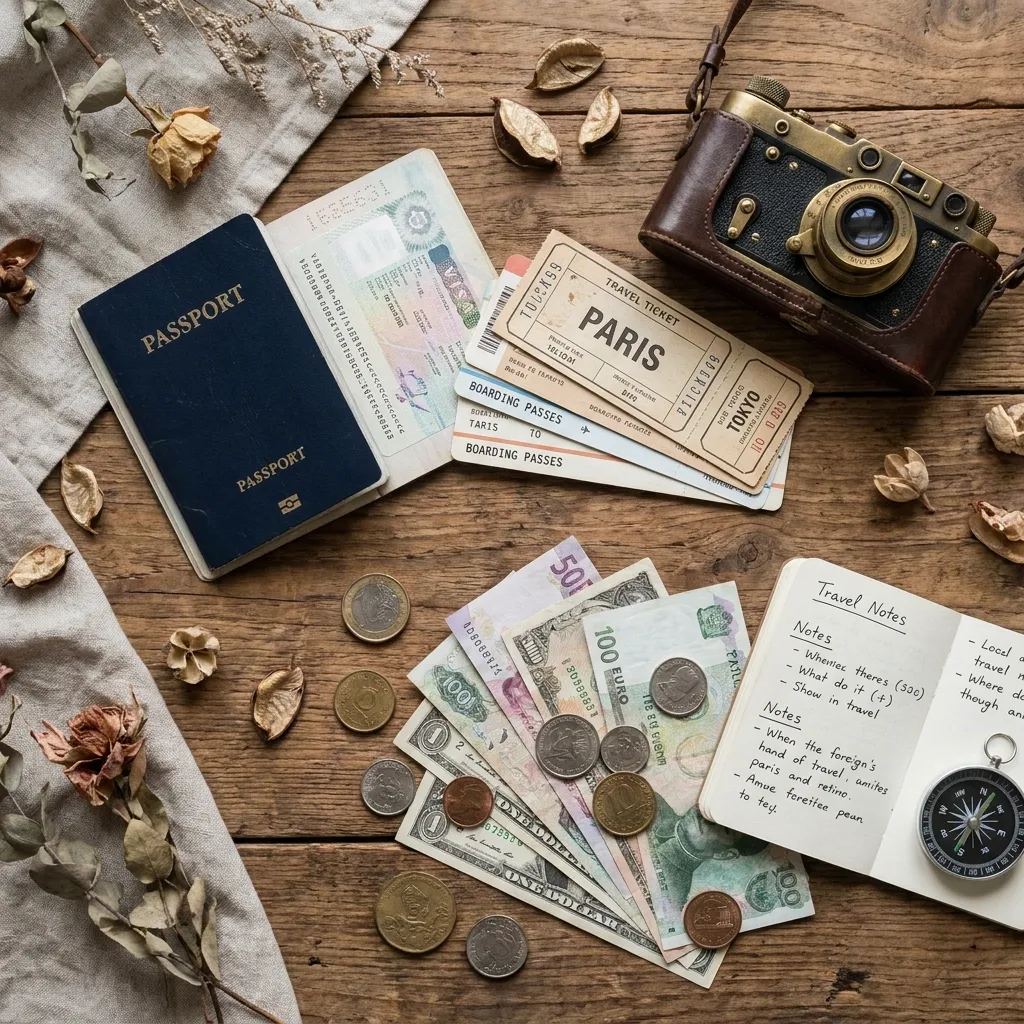
The true beauty of travel lies in stepping far outside of your personal comfort zone and fully embracing the unpredictable unknown. By keeping these unique traditions in your back pocket, you are guaranteed to have a much smoother, more immersive international adventure.
Where are you heading next? Let us know in the comments below!