

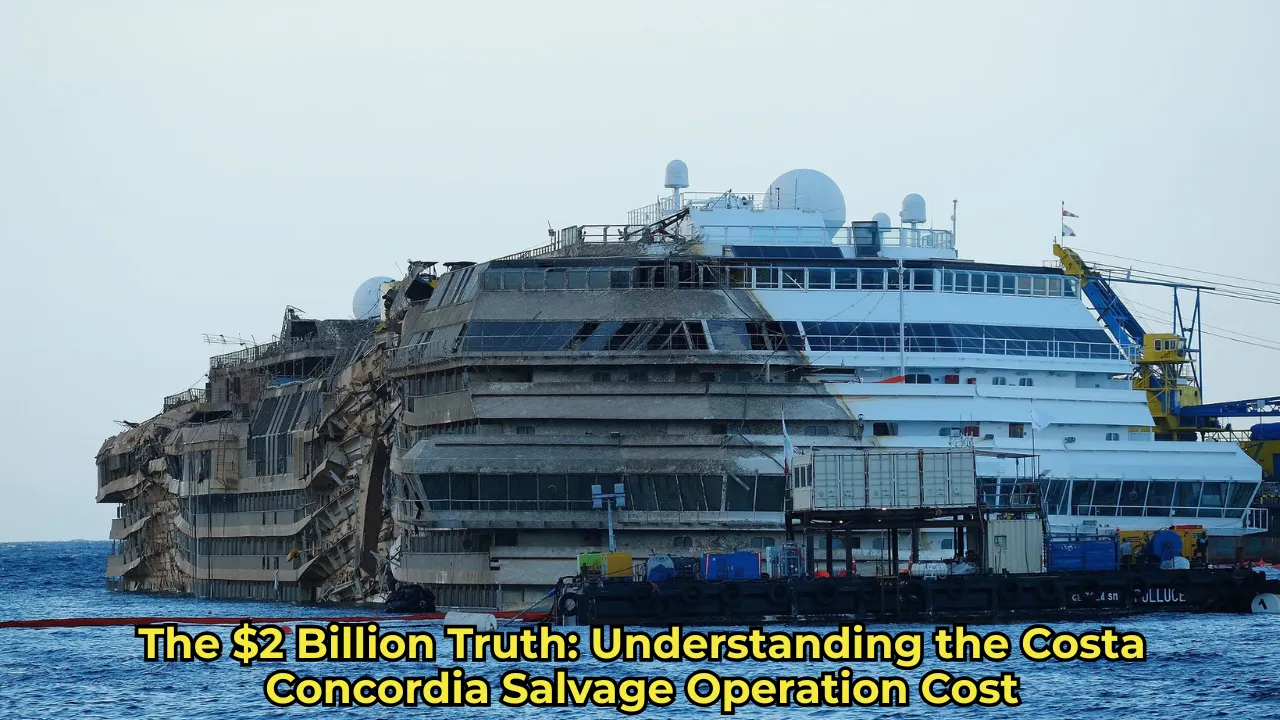
Have you watched Netflix’s latest gripping documentary, Shipwrecked: Nightmare at Sea? The hit series has thrust one of modern history’s most infamous maritime disasters back into the global spotlight. But beyond the harrowing survivor stories lies an unprecedented feat of engineering. Viewers and history buffs alike are all asking one massive question: what was the true Costa Concordia salvage operation cost?
When a 33,000-ton luxury cruise liner capsizes just off the Italian coast, removing it is no ordinary job. In fact, it remains the largest passenger shipwreck removal in history by tonnage. Ultimately, the total Costa Concordia salvage operation cost hit a staggering $2 billion.
Here is a deep dive into exactly why it took so much time, money, and monumental engineering to raise the fallen giant.
A Tragic Night Off the Coast of Giglio
In January 2012, the Costa Concordia was diverted from its route and struck a rocky reef in a dangerous attempt to “salute” the island of Giglio. The impact tore a catastrophic 160-foot gash into the ship’s hull.
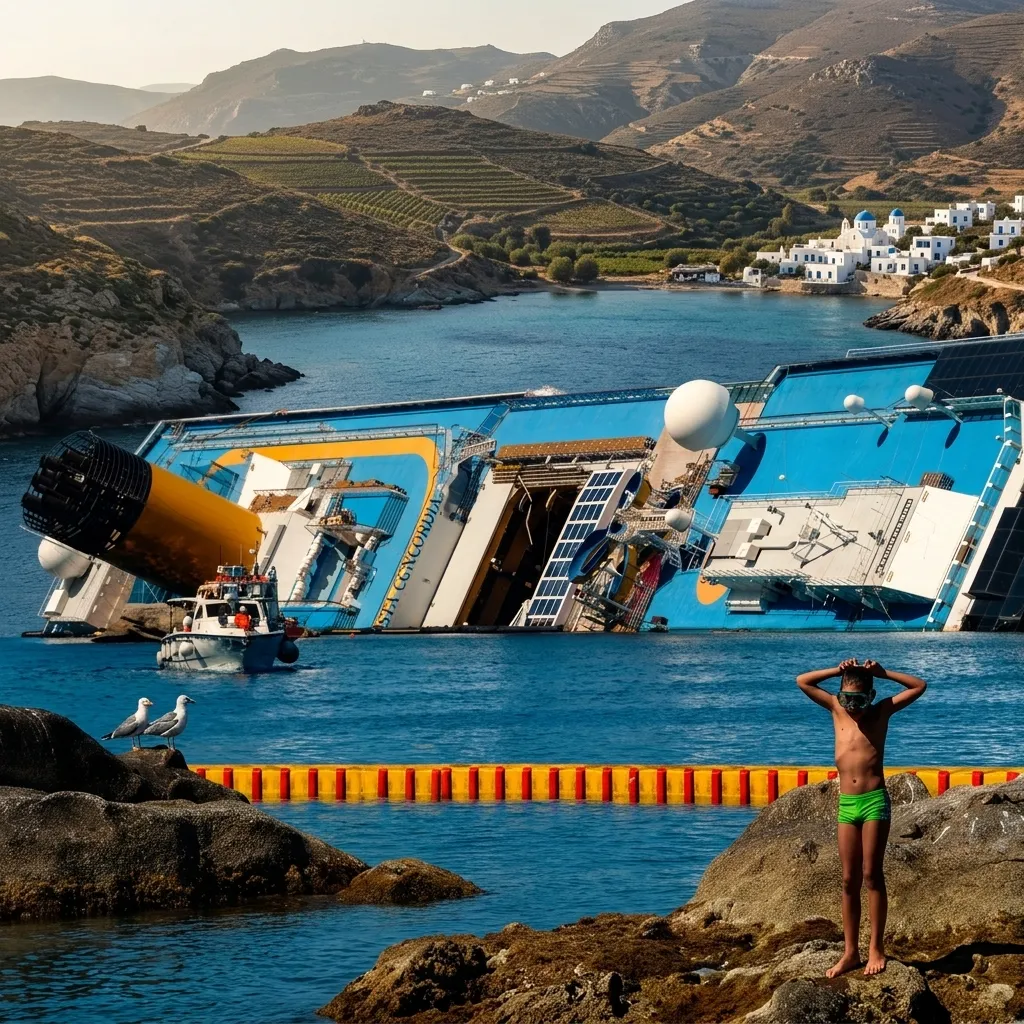
As water flooded in, the ship began to list heavily, eventually coming to rest partially submerged on the rocky sea floor. While a massive rescue operation was launched for the more than 4,200 passengers and crew onboard, the disaster tragically claimed 33 lives—including one courageous salvage diver who died during the recovery efforts.
Once the immediate rescue concluded, authorities were left with a massive problem: a towering, broken vessel stranded on a picturesque coastline.
Breaking Down the $2 Billion Costa Concordia Salvage Operation Cost
Producer Lew Grade famously joked about the 1980 film Raise the Titanic, saying “it would be cheaper to lower the Atlantic.” The engineers tasked with the Costa Concordia faced a similarly impossible reality. The final Costa Concordia salvage operation cost of $2 billion covered two and a half years of relentless, highly technical labor.
Here is how the historic operation unfolded:
1. Securing and Stabilizing the Wreck
Before they could even think about moving the ship, teams had to ensure it wouldn’t slide deeper into the ocean. The vessel had already collapsed seven feet during the infamous “Halloween storms.” To stabilize it, engineers established an exclusion zone and attached massive metal boxes, called “sponsons,” to the sides of the ship. These colossal structures weighed up to 800 tons and stood 11 storeys high.
2. The Complex Parbuckling Process
To rotate the ship upright—a technique known as “parbuckling”—teams first had to construct a false bottom and a giant sub-sea cushion for the ship to safely rest on. Enormously powerful hydraulic pistons were then used to painstakingly rotate the massive hull inch by inch.
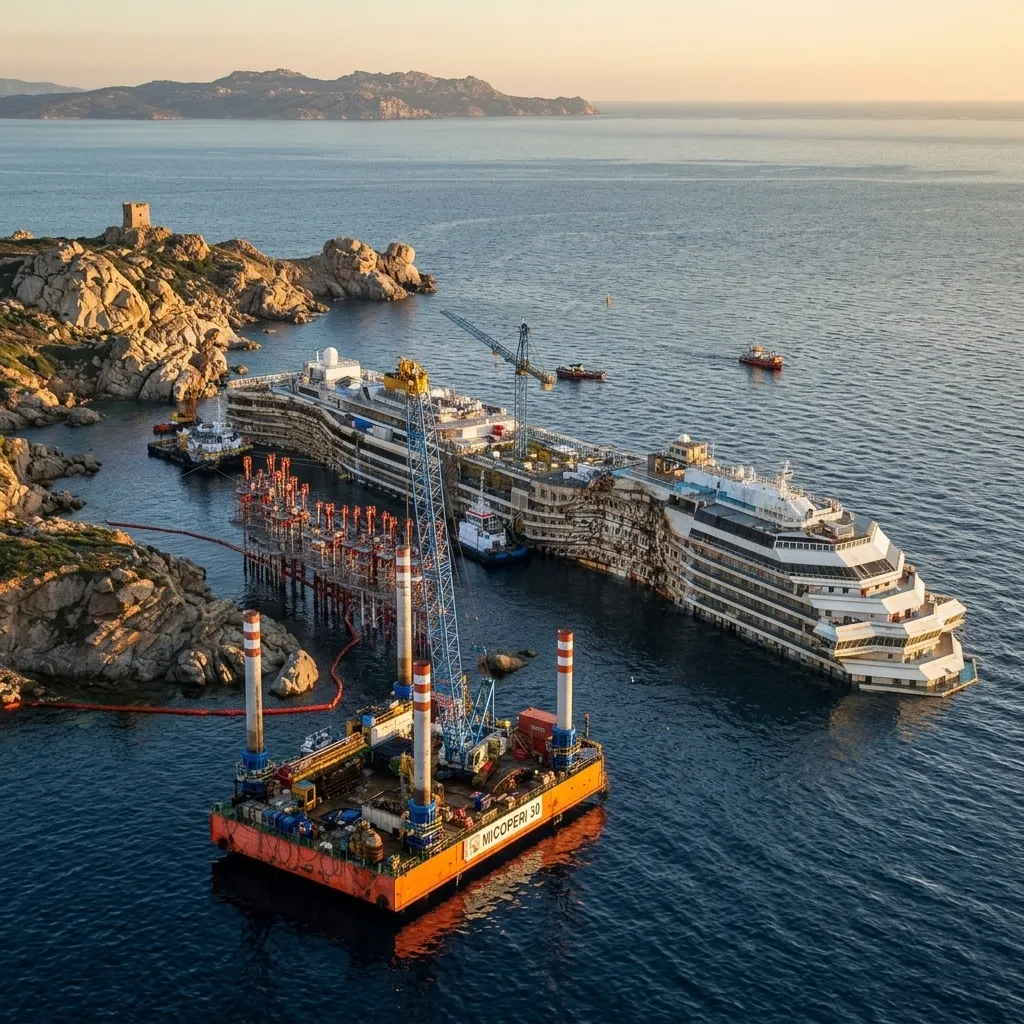
This delicate rotation was a monumental feat of engineering, ensuring the weakened hull didn’t completely fracture under its own immense weight.
3. Refloating and the Final Voyage
Once the Costa Concordia was upright, teams attached more sponsons to the previously submerged side. By pumping the water out of these metal boxes, the sponsons acted like giant armbands, forcing the damaged ship to float.
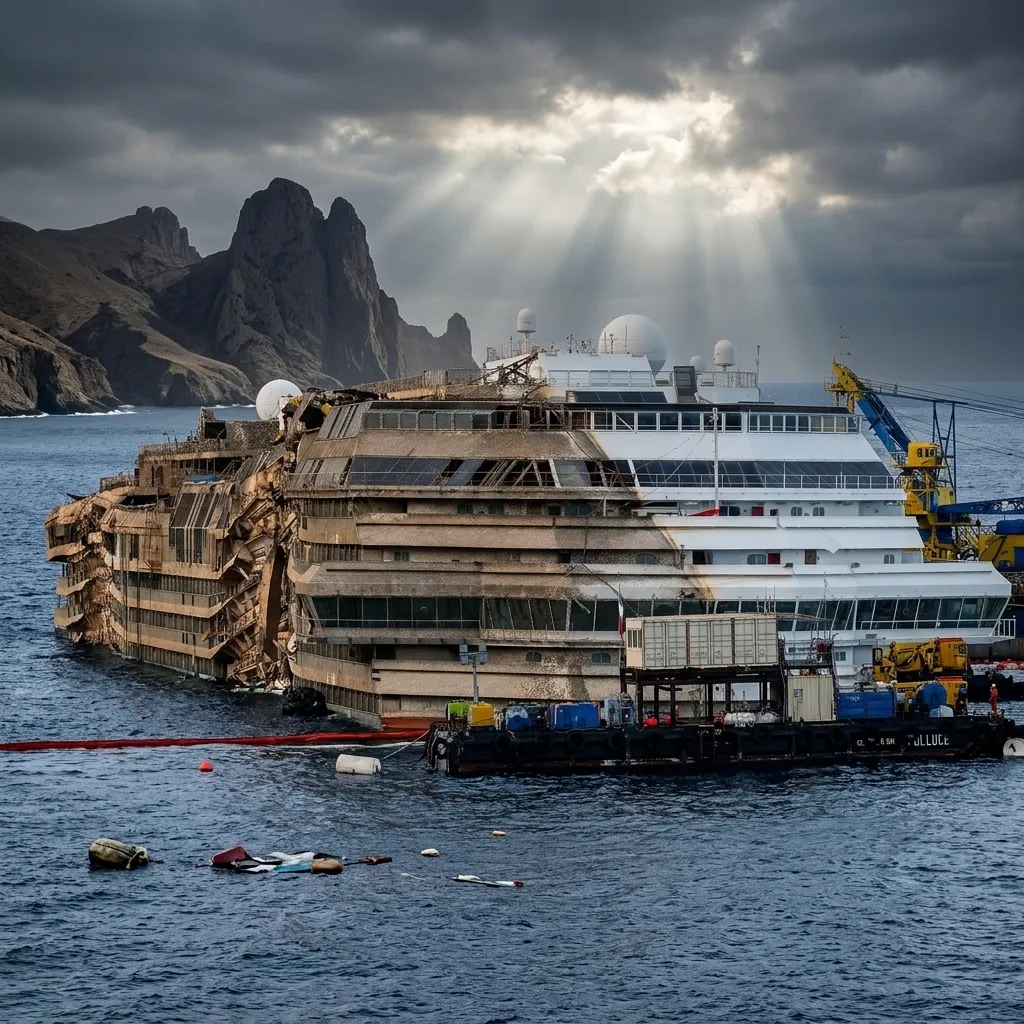
In July 2014, flanked by a dozen support vessels, the battered ship was towed at a slow crawl of just two knots to the port of Genoa. It took three more years to safely break down and scrap the ship, concluding the massive operation in July 2017.
The Human Toll Behind the $2 Billion Price Tag
While the monumental Costa Concordia salvage operation cost is a testament to human engineering, the human cost remains the most tragic element of the story.
The new Netflix documentary brings renewed attention to the victims, some of whom weren’t recovered for years. The final victim, a hero waiter named Russel Rebello, wasn’t located until November 2014—nearly three years after the disaster. Meanwhile, the ship’s captain, Francesco Schettino, who abandoned the vessel before his passengers, is currently serving a 16-year prison sentence in Rome.
Ultimately, the story of the Costa Concordia is one of profound tragedy coupled with unparalleled human resilience. The incredible $2 billion Costa Concordia salvage operation cost proved that no matter how impossible the odds, human innovation can conquer even the heaviest burdens.