
A first date that felt off. A marriage that has gone quiet. The feeling that you are the only person who has ever been through this. You are not, and that is why this page exists. Our relationship advice covers dating, long-term commitment and the hard choices that sometimes come afterward. You will find warning signs to take seriously, along with real stories from people who have been there. Take what is useful and leave the rest, because you know your relationship better than any article does.

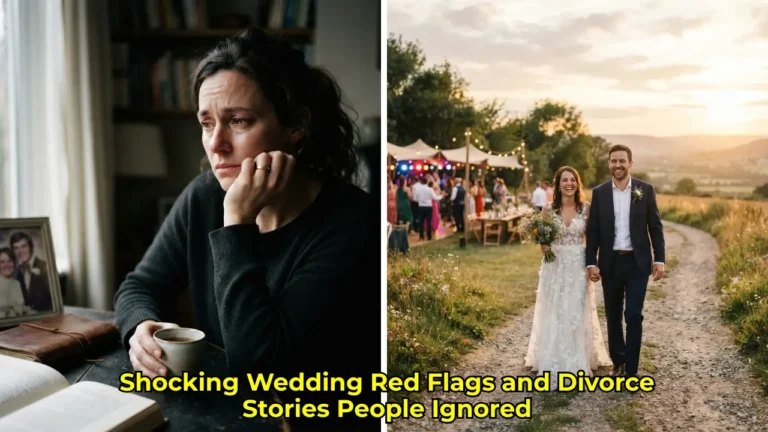

Much dating advice focuses on tactics, such as when to text and what to say. Those details matter less than knowing what you want. Before your next date, try answering two questions: What do I need in a partner? What could I happily live without?
A great conversation is nice, but your feeling a day later tells you more. Do you feel relaxed and respected, or do you feel anxious and unsure where you stand? You do not need a dramatic reason to stop seeing someone. “This is not right for me” is enough.
A different taste in movies is a difference. Being rude to servers, lying about small things or pushing past a clear “no” is a warning sign. Pay close attention when someone’s words and actions do not match over time. People may have bad days, but patterns are usually what count.
Stay in touch with friends, and keep up your hobbies, even when a new relationship is exciting. It keeps your judgment clear. A partner who wants to pull you away from your friends and family is telling you something important.
Long relationships rarely fall apart in one day. They tend to drift, one skipped conversation at a time. Small and steady habits help most, especially when life is busy.
Couples counseling is not a last resort. Many couples find it helps most when they go before a problem hardens.
Only you can decide whether to stay or go, and these decisions are rarely simple. Some questions may help you think it through. Is the relationship mostly bringing you peace or dread? Have you both tried to change things, or is it only you? Would you want your child or your best friend in this same relationship?
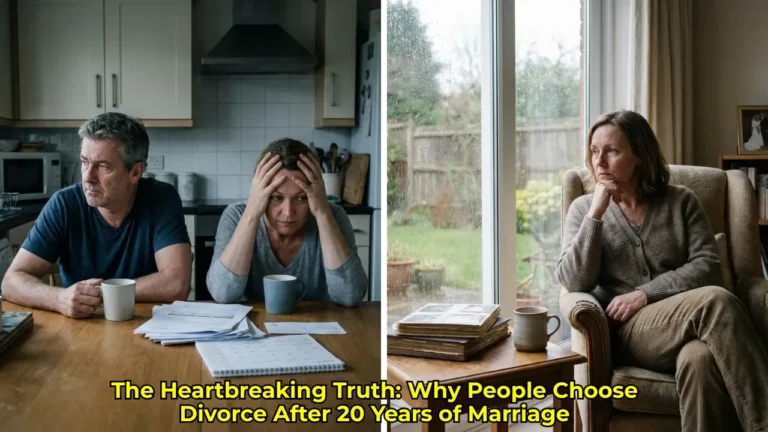
A counselor can help you sort through your answers, whether you stay together or not. Legal or money questions are a matter for a qualified professional. Our story on divorce after 20 years may help you feel less alone if you are at that point.
Your safety comes first. Being controlled, threatened, hit or forced into anything is abuse, not a relationship problem. Couples advice is not the right tool for that. In the US, you can contact the National Domestic Violence Hotline for confidential help at 800-799-7233. If you are in immediate danger, call 911.
This section offers general information and personal stories, not therapy or legal advice. Many stories come from people’s own accounts and have not been independently verified. Read more in our editor notes.
Most good advice comes back to honest communication, mutual respect and paying attention to patterns rather than promises. Beyond that, what works depends on the two people involved.
Take it slowly and be clear about what you want now, as it may have changed. Meet in public at first, and let a friend know your plans. Time spent alone between relationships can also help.
Pick one problem and talk about it at a calm moment. Listen until your partner feels understood before you respond. If you keep having the same argument, a licensed counselor may help.
The early excitement usually settles into something quieter. That is normal. Couples often need to make room for friendship and fun on purpose, particularly during stressful periods.
Disagreements can be worked through with respect. Red flags tend to involve control, dishonesty, contempt or fear. If you feel afraid of your partner, please take that seriously and reach out for support.