


When you start planning your dream European vacation, researching the most important things to know before traveling to Italy should be at the very top of your to-do list. From the sun-drenched Amalfi Coast to the historic streets of Rome, Italy is a country that captures the heart of every traveler. However, navigating its unique cultural quirks, unspoken dining rules, and transit systems can be a bit of a culture shock for first-timers. If you want to avoid standing out as an obvious tourist and truly soak in the la dolce vita lifestyle, you need insider knowledge.
Whether you’re heading out for a romantic getaway or a solo backpacking adventure, preparation is key. Here at Elits Buzz, we’ve rounded up the ultimate survival guide to ensure your Italian holiday is nothing short of perfetto.
Why Researching Things to Know Before Traveling to Italy is Crucial
Italy operates on its own rhythm. The way Italians eat, drink, and socialize is deeply rooted in centuries of tradition. While getting lost in Venice or stumbling upon a hidden gelateria is part of the magic, getting fined for an unvalidated train ticket or being turned away from the Vatican for wearing shorts is definitely not. Knowing these cultural nuances ahead of time not only saves you money and embarrassment but also guarantees a more authentic, respectful, and deeply enriching travel experience.
15 Life-Saving Things to Know Before Traveling to Italy
Let’s dive into the absolute must-know tips that will transform you from a confused tourist into a savvy traveler.
Read More: 9 Common Mistakes Tourists Make in Italy (And How to Avoid Them)
1. Cappuccinos are a Morning Affair
One of the most surprising things to know before traveling to Italy is their strict coffee culture. Italians only drink milk-heavy coffees like cappuccinos with their morning pastry. Ordering a cappuccino after 11:00 AM—or worse, after a heavy pasta dinner—will instantly single you out as a tourist. Stick to an espresso (simply called un caffè) or a macchiato in the afternoon.
2. The “Coperto” Cover Charge is Normal
Don’t be shocked when you receive your restaurant bill and see a small charge of €1 to €4 per person added to the total. This is the coperto, a standard cover charge for the bread and table setting. It’s entirely legal and normal, so factor it into your dining budget.
3. Tipping Isn’t Expected (But is Appreciated)
Unlike the United States, waitstaff in Italy are paid a living wage. Because of this, and the coperto, tipping 20% is completely unnecessary. If you received exceptional service, simply rounding up the bill or leaving a few euro coins on the table is a lovely gesture.
4. Dinner Happens Late
If you show up at a restaurant at 6:00 PM expecting dinner, you will likely find the doors locked. Italians generally enjoy aperitivo (drinks and light snacks) around 6:00 PM or 7:00 PM, and sit down for a proper dinner between 8:00 PM and 9:30 PM.
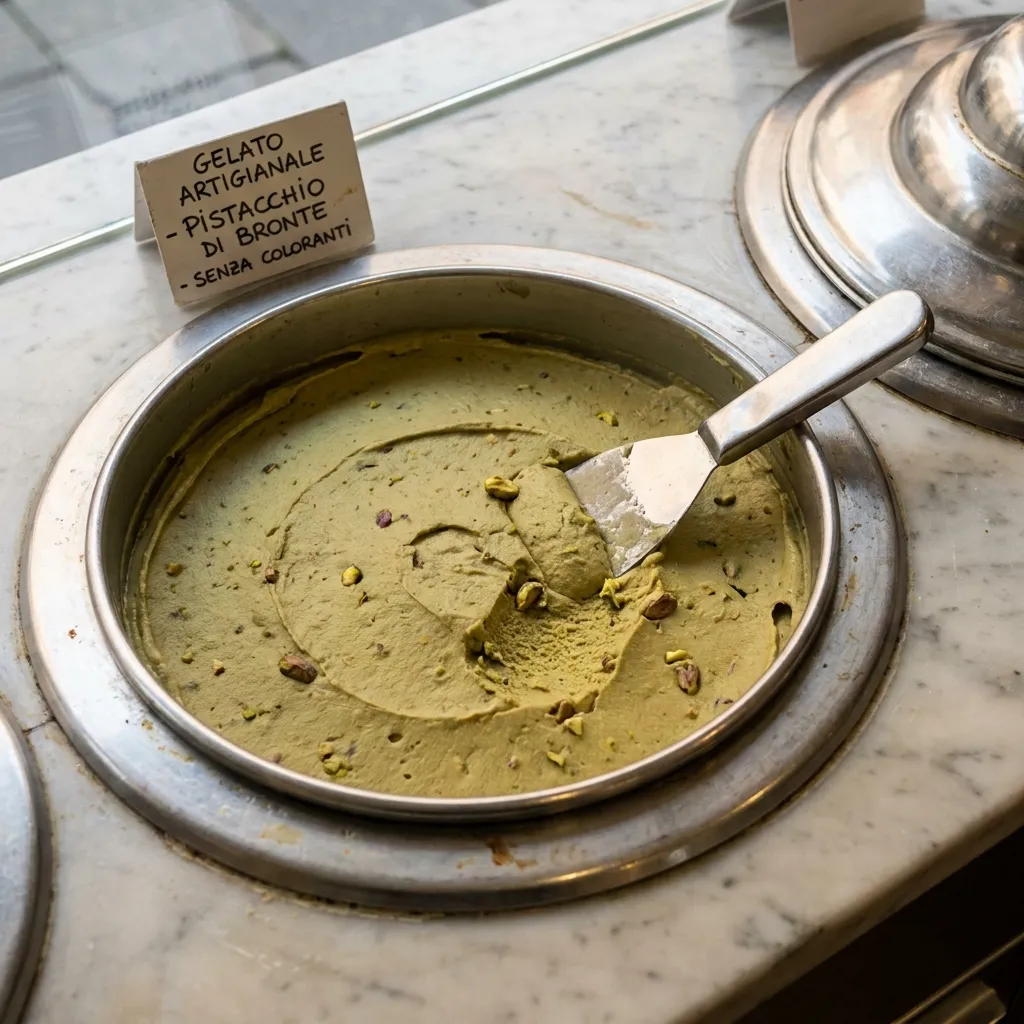
gelateria in Bologna. Two stainless steel containers are visible, covered by round metal lids (pozzetti). The server has just lifted one lid to scoop gelato. The gelato itself is flat, rich, and naturally colored pistachio (earthy green), not fluffy or bright. A small handwritten label in Italian is visible. The background is softly blurred but shows warm, classic gelateria decor.
5. Validate Your Train Tickets
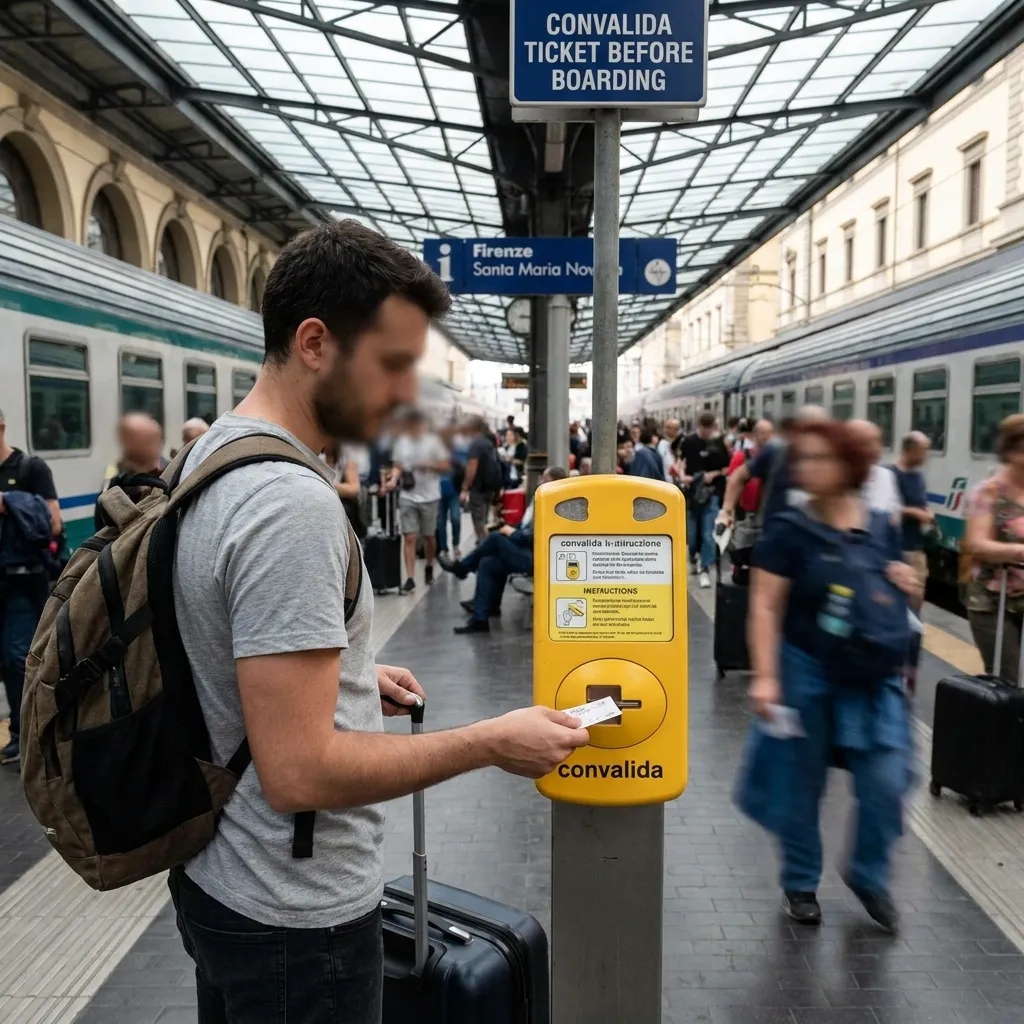
When exploring things to know before traveling to Italy by train, this one will save you a massive fine. If you buy a paper regional train ticket, you must validate it in the small machines on the platform before boarding. If the conductor catches you with an unvalidated ticket, you will be heavily fined on the spot.
6. Pack Modest Clothing for Churches
Italy is home to some of the most breathtaking cathedrals and basilicas in the world, including St. Peter’s Basilica. However, almost all of them enforce a strict dress code. Your shoulders and knees must be covered. A great travel hack is to carry a lightweight scarf in your day bag to drape over your shoulders when popping into a church.
7. Beware the ZTL (Restricted Driving Zones)
Thinking of renting a car? Pay close attention to the ZTL (Zona a Traffico Limitato). These are restricted historic city centers where only residents with permits can drive. Cameras monitor the borders, and if you accidentally cross into one, the rental car company will forward a hefty ticket right to your home address.
8. Tap Water is Safe (And Free!)
Don’t waste your money constantly buying plastic water bottles. The tap water in Italy is delicious and perfectly safe. In cities like Rome, you’ll find public water fountains called nasoni everywhere. Bring a reusable water bottle and fill up for free all day long.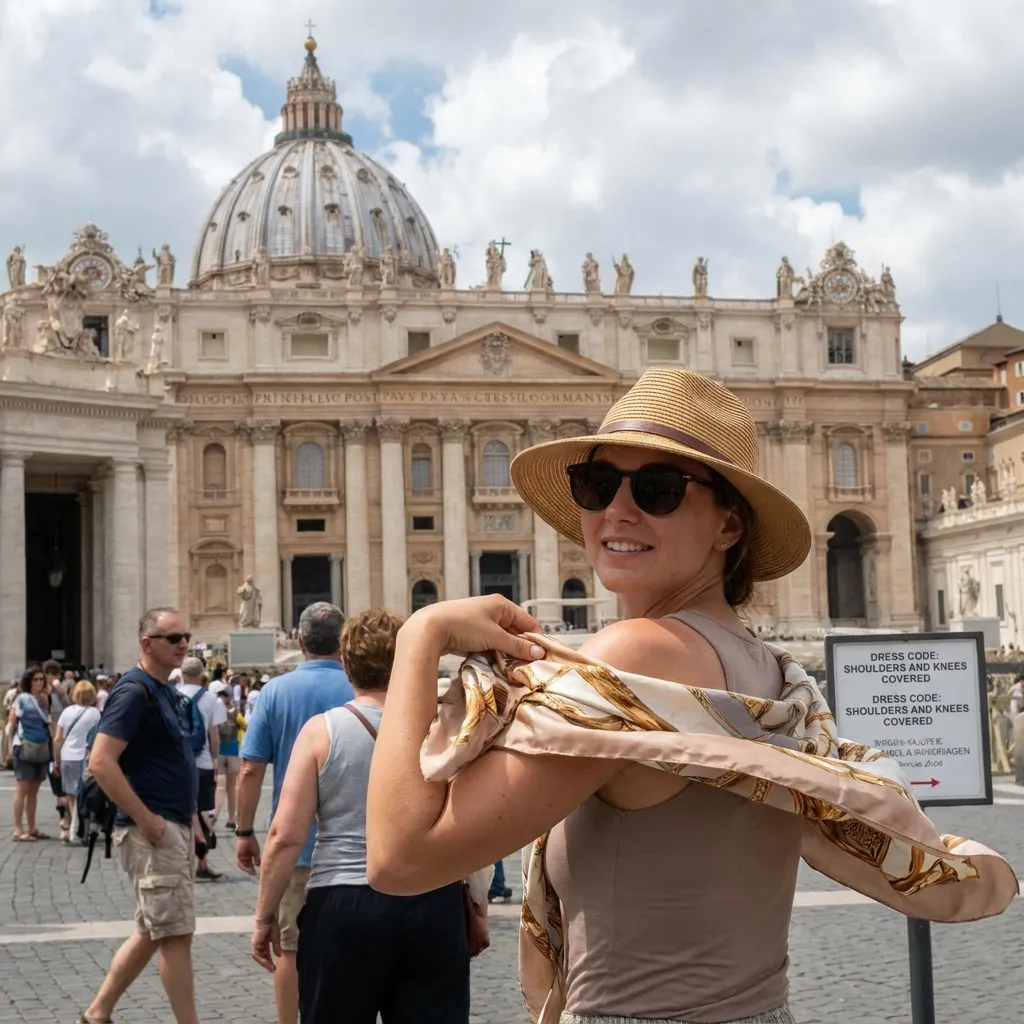
9. Finding Authentic Gelato
Another essential on our list of things to know before traveling to Italy is how to spot real gelato. Avoid shops with mountains of brightly colored, fluffy gelato bursting out of their metal tubs. Authentic gelato is kept flat, often hidden under metal lids, and uses natural, muted colors (pistachio should be a dull earthy green, not neon).
Read More: Moving From Canada to Italy? 17 Culture Shocks You Need to Know
10. The Afternoon “Riposo”
Similar to a Spanish siesta, many small towns and independent shops across Italy observe the riposo. Between 1:00 PM and 4:00 PM, business owners go home to eat a long lunch and rest. Don’t plan your major shopping during this window!
11. Stand at the Bar for Cheaper Coffee
If you sit down at a table in a piazza to drink your espresso, you are paying for the view and the table service—which can triple the price of your coffee. Do as the locals do: order your caffè at the register, stand at the bar (al banco), drink it quickly, and be on your way.
12. Public Restrooms Cost Money
Always carry a few €1 or 50-cent coins in your pocket. Public restrooms in train stations and near major tourist attractions require a small fee to enter. It’s also wise to carry a small pack of tissues, just in case they run out of toilet paper.
13. Learn Basic Italian Greetings
While English is widely spoken in major tourist hubs, making an effort goes a long way. When entering a shop or restaurant, always greet the owner with a cheerful Buon giorno (good morning) or Buona sera (good evening). Saying Grazie (thank you) is basic etiquette that will earn you a lot of smiles.
14. Pharmacies are Your First Stop for Illness
If you catch a cold or get a minor scrape, don’t look for a massive drugstore. Look for the illuminated green cross of a Farmacia. Italian pharmacists are highly trained and act as the first line of medical care. Tell them your symptoms, and they will recommend the right over-the-counter medication.
15. Slow Down and Enjoy
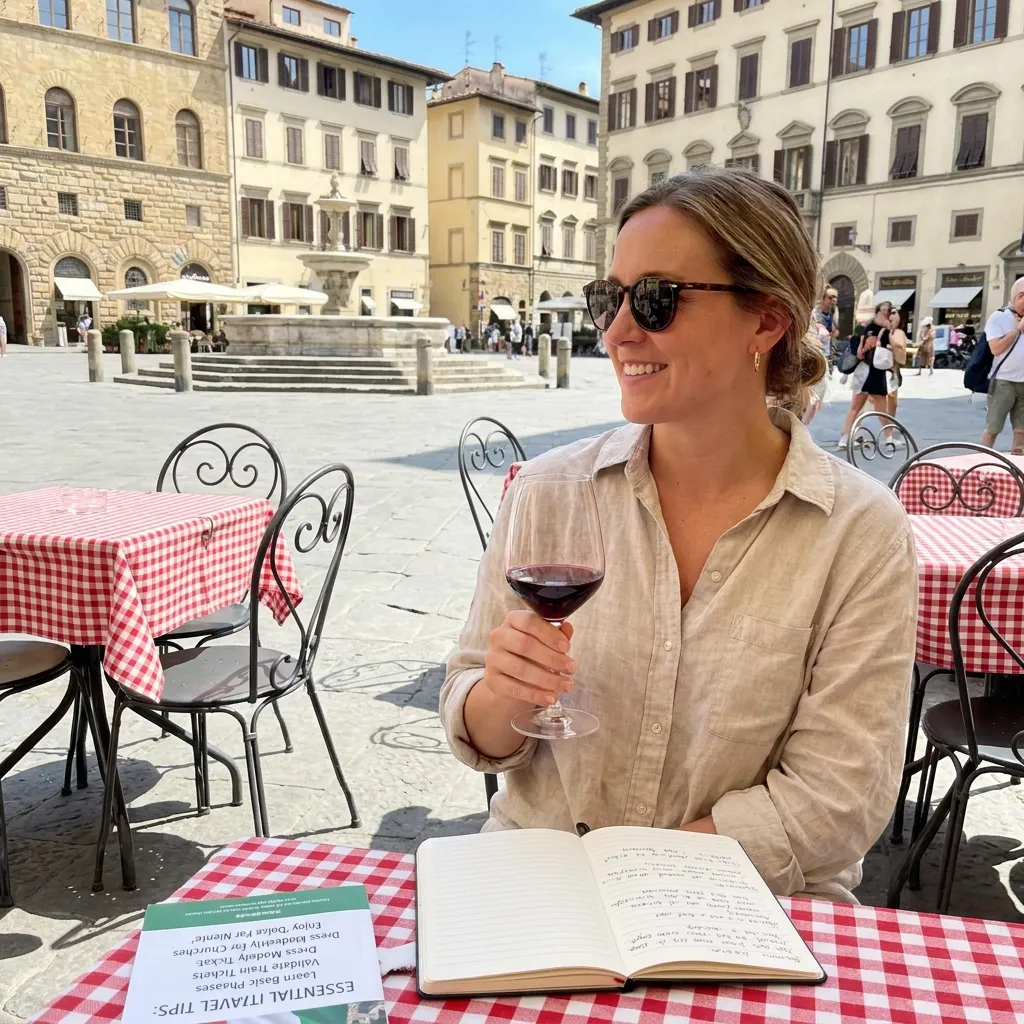
Perhaps the most crucial of all the things to know before traveling to Italy is to adopt the Italian mindset of il dolce far niente (the sweetness of doing nothing). Don’t pack your itinerary so tight that you rush from monument to monument. Sit in a piazza, sip a glass of local wine, people-watch, and let Italy happen to you.
Final Thoughts on Things to Know Before Traveling to Italy
Preparing for your Italian adventure doesn’t have to be stressful. By keeping these cultural guidelines and practical tips in mind, you are setting yourself up for the trip of a lifetime. Pack your bags, brush up on your Grazie, and get ready for an unforgettable journey. Buon viaggio!