

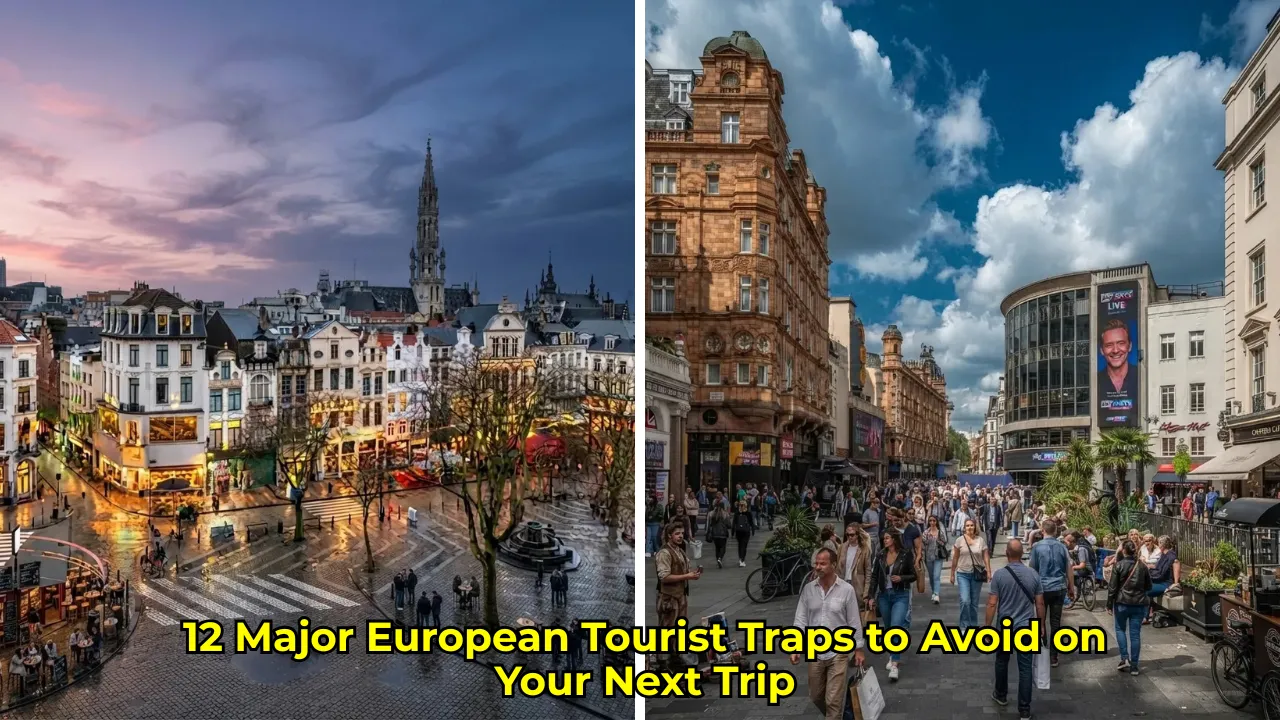
Planning a dream getaway can be exciting, but figuring out how to dodge European tourist traps is essential if you want an authentic experience. When traveling to a new destination, distinguishing genuine local spots from overpriced commercialized zones is notoriously difficult. Locals across the continent frequently shake their heads at crowded hotspots, inflated prices, and lackluster food. To help you travel smarter, we have gathered 12 major tourist traps and red flags to avoid, straight from the people who live there.
1. Dubrovnik Old Town, Croatia
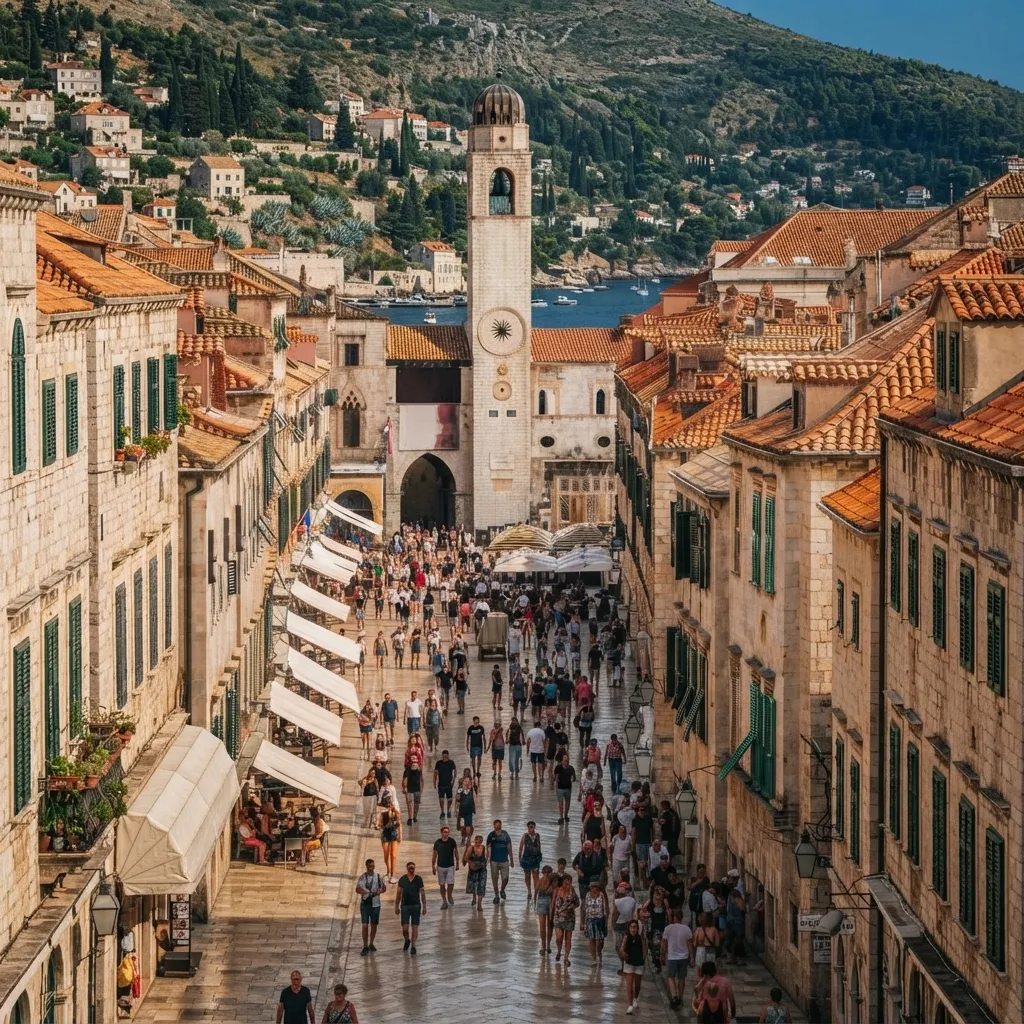
If you are planning an Adriatic getaway, you might want to reconsider spending all your time in Dubrovnik. While the coastal city looks stunning from a distance, the reality on the ground can be overwhelming. The Old Town often feels like a congested maze of tacky cafés, tourist-centric restaurants, and aggressive tour agencies. Cruise ship crowds make navigating the narrow streets a hassle, turning what should be a relaxing stroll into a game of dodging selfie sticks.
2. The Heathrow Express, London
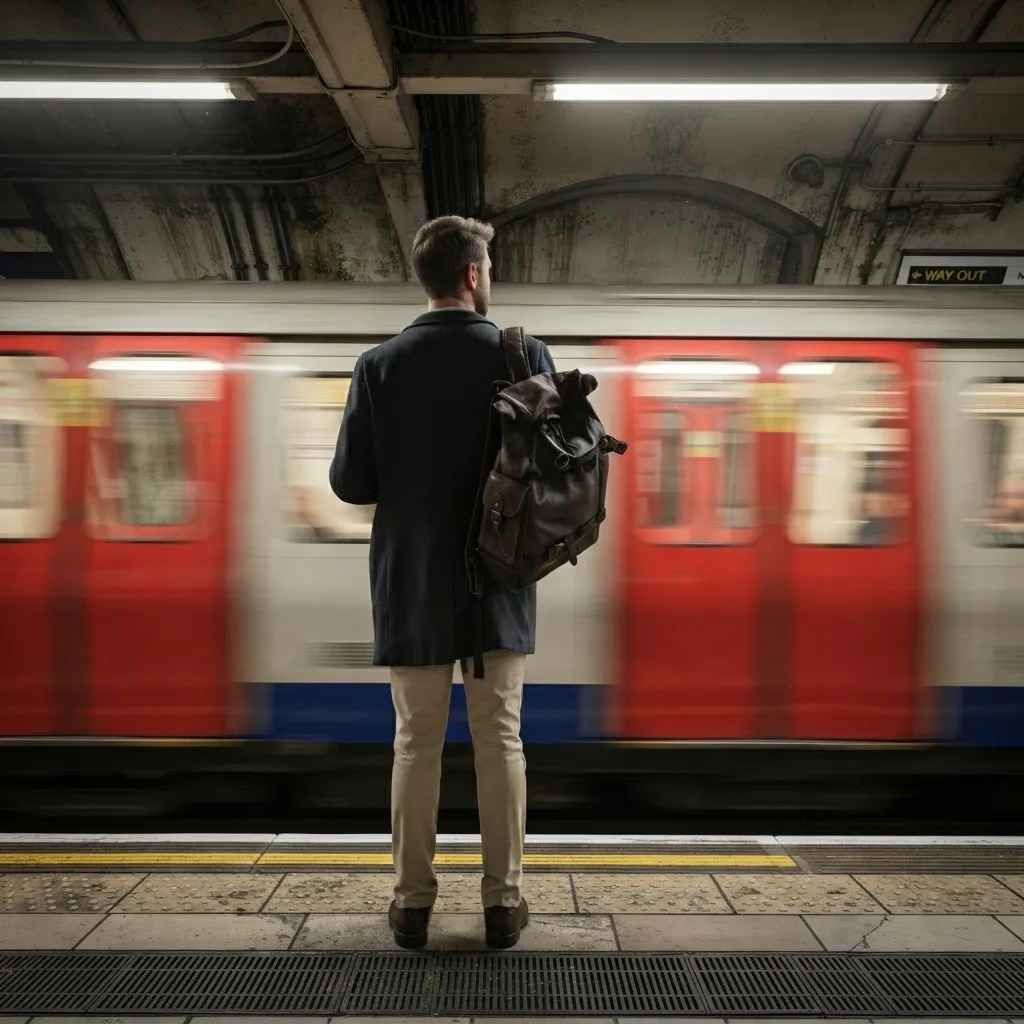
Getting to and from your flight shouldn’t require breaking the bank. Experienced travelers and locals in London warn against taking the Heathrow Express. You end up paying significantly more money for a journey that is only marginally faster than alternative public transit options. Always check online maps or ask hotel staff for more affordable, highly efficient transit routes.
3. Major Restaurant Squares in Italy
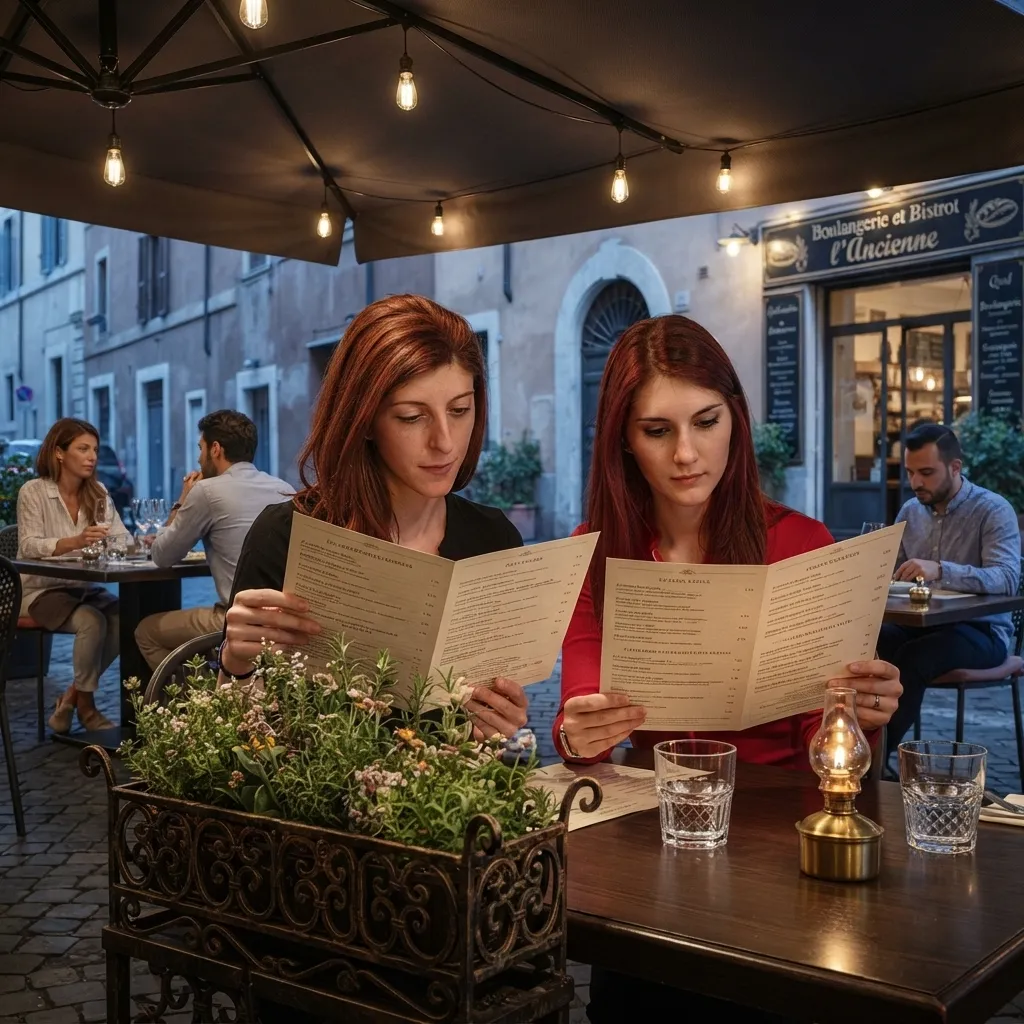
If you are wondering how to spot authentic dining spots versus European tourist traps in Italy, look at the location and the menu. Try to avoid restaurants situated directly on big popular squares or right next to major historical monuments. If a menu features multiple languages alongside glossy photos of food, or if you spot waiters standing outside actively trying to pull you inside, consider that a major red flag.
4. Hallstatt, Austria
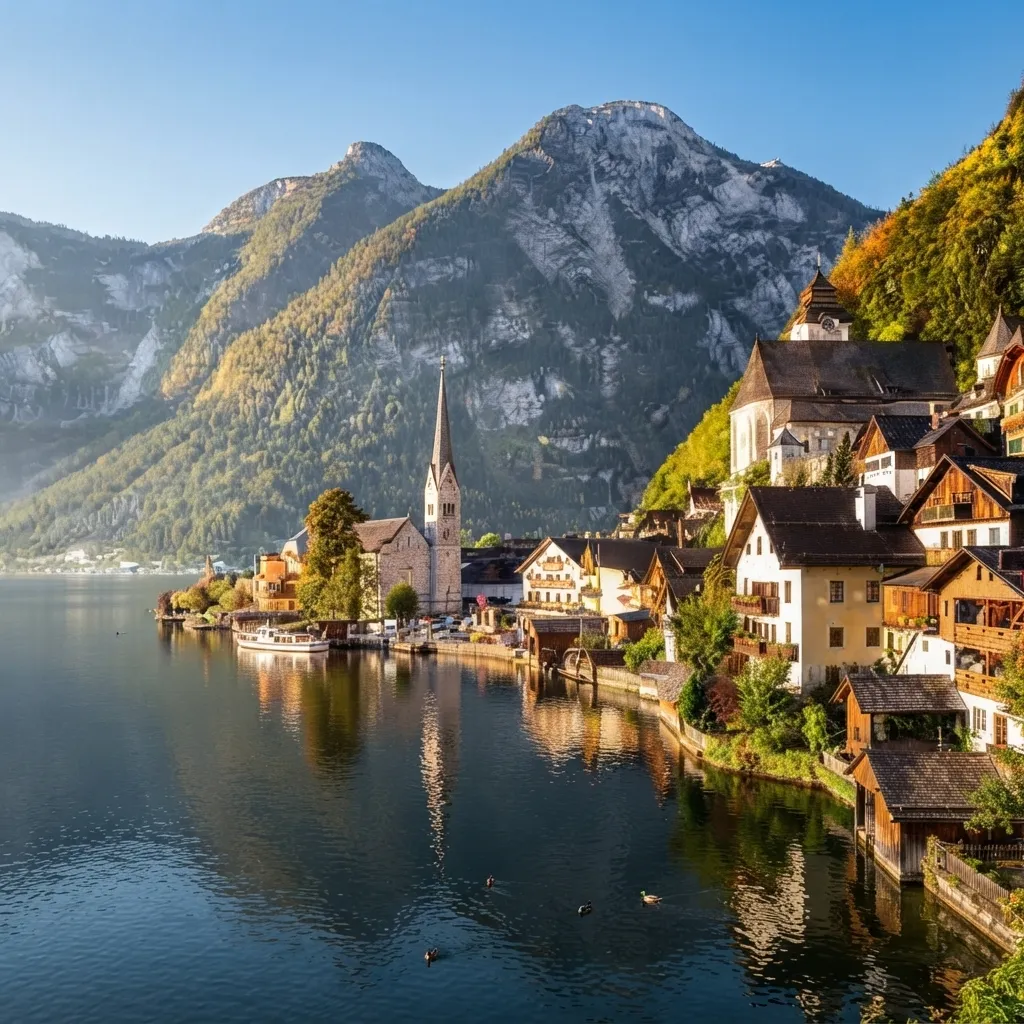
If you have seen picture-postcard photos of Hallstatt online, you have essentially seen the entire town. While the lakeside village is undeniably pretty, it is severely overrun by heavy tour groups and cheap souvenir shops. There are countless other authentic, peaceful lakeside villages throughout the Austrian region where you can experience genuine local culture without the overwhelming crowds.
5. Leicester Square, London
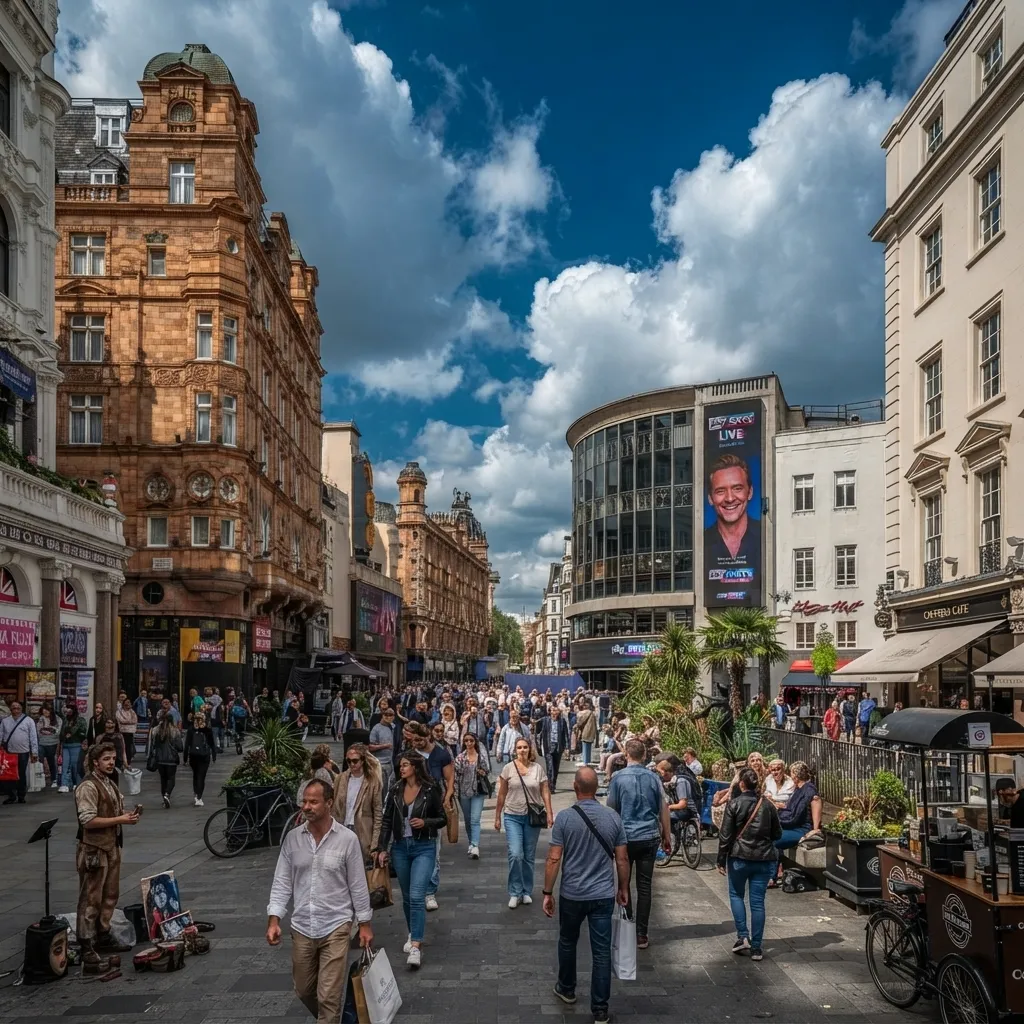
Leicester Square is designed to attract wide-eyed visitors, but locals know it as a financial sinkhole. Most of the bars in this central London hub charge exorbitant prices, the restaurants serve mediocre food, and you can easily find higher-quality versions of everything nearby for a fraction of the cost. Feel free to walk through for the lights and atmosphere, but keep your wallet safely zipped.
6. Monument-Adjacent Restaurants in Paris
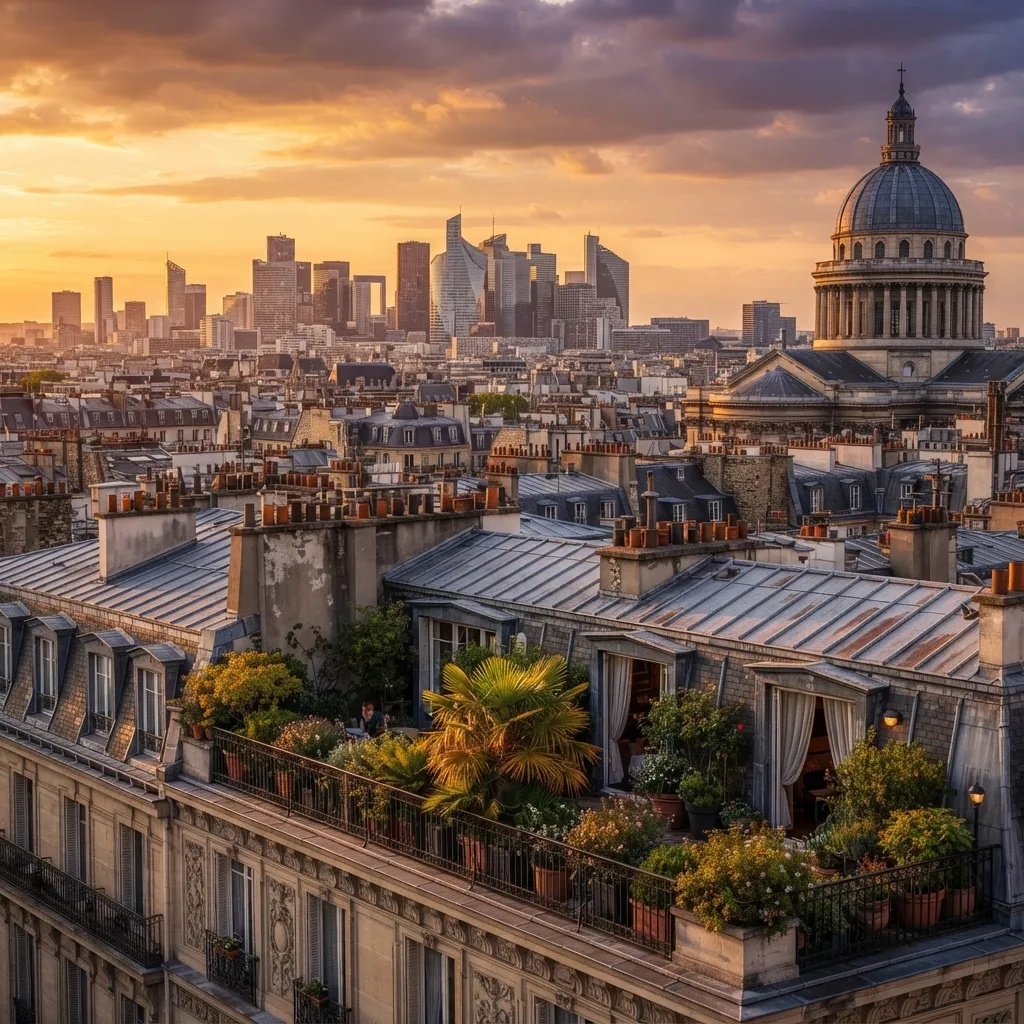
When visiting the French capital, never dine at a restaurant located directly next to major attractions like the Eiffel Tower, the Louvre, or Notre-Dame. You will likely end up paying an absurdly high price for microwaved or frozen food. Instead, explore the charming side streets and quieter neighborhoods just a few blocks away for incredible bistro meals.
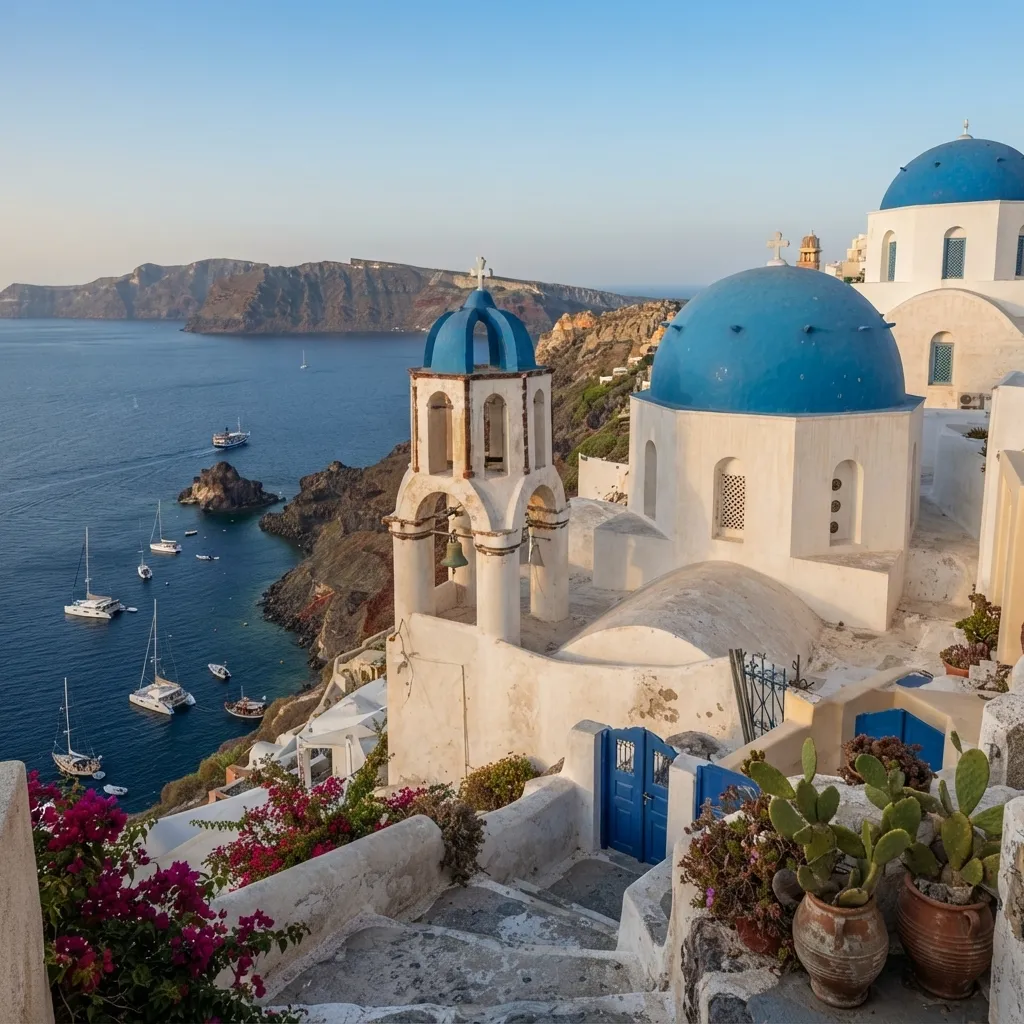
7. Santorini and Mykonos, Greece
While these two Greek islands dominate social media feeds, they essentially function as European tourist traps shaped like islands. Greece boasts thousands of breathtaking islands that offer stunning blue waters and rich history without the staggering price tags or suffocating crowds. Skip the overhyped luxury markup and explore a quieter hidden gem.
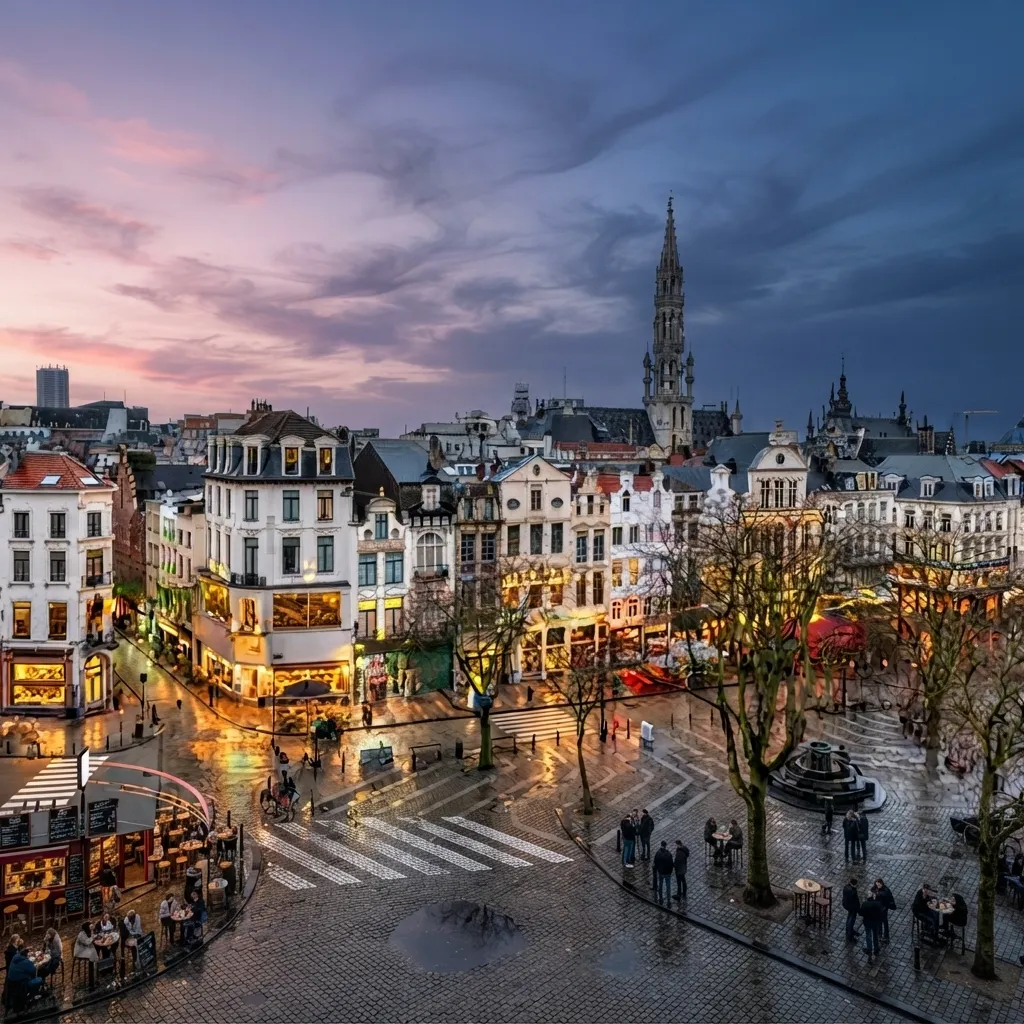
8. Rue des Bouchers in Brussels
In Brussels, tourists are often tricked into walking down Rue des Bouchers and its surrounding neighborhood, believing it to be a charming maze of pedestrian dining streets. In reality, it houses some of the worst and most expensive eateries in the city. Menus translated into a dozen languages and pushy hosts are dead giveaways that you should steer clear.
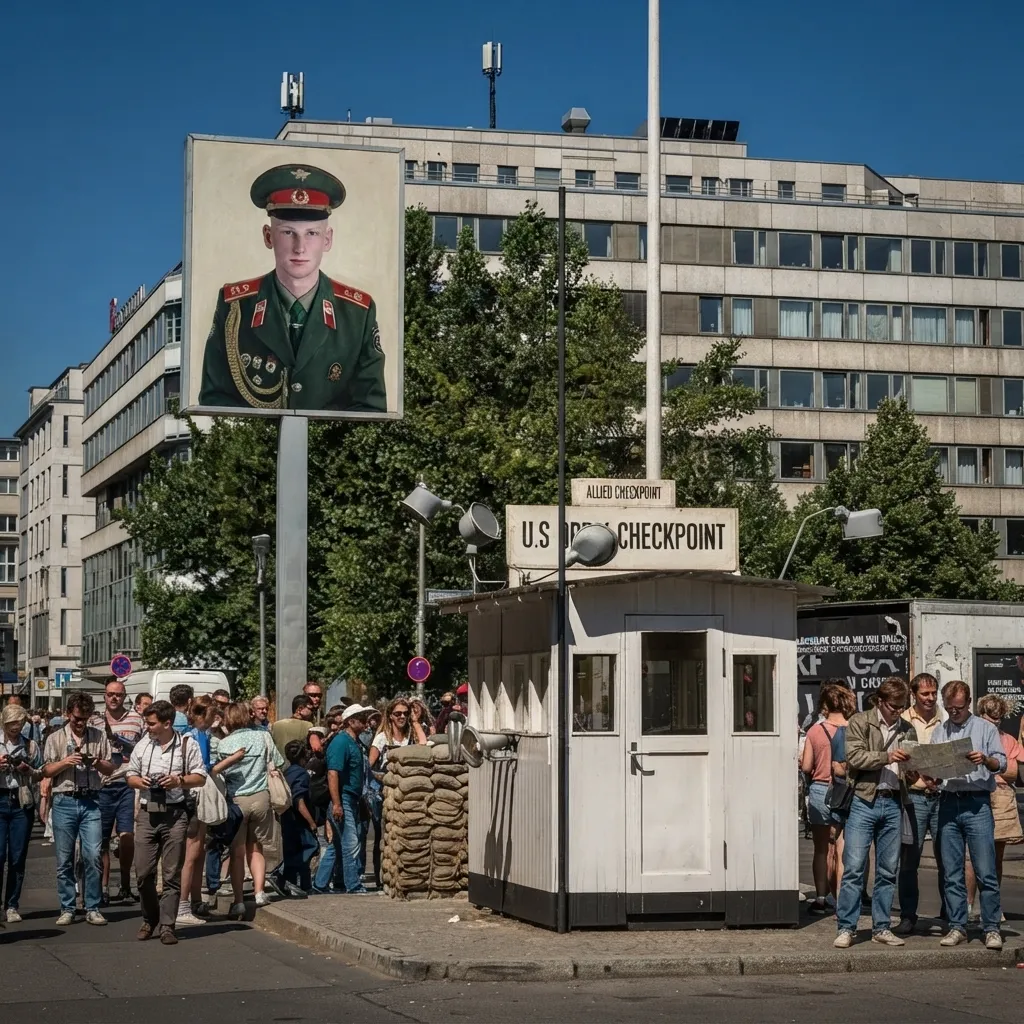
9. Checkpoint Charlie, Berlin
As one of the most famous historical checkpoints from the Cold War era, Checkpoint Charlie attracts endless foot traffic. However, locals consider it one of Berlin’s biggest tourist traps. The on-site museum is mediocre, paid photo-op actors charge ridiculous fees, and the souvenir shops sell mass-produced merchandise that can be found elsewhere for much cheaper.
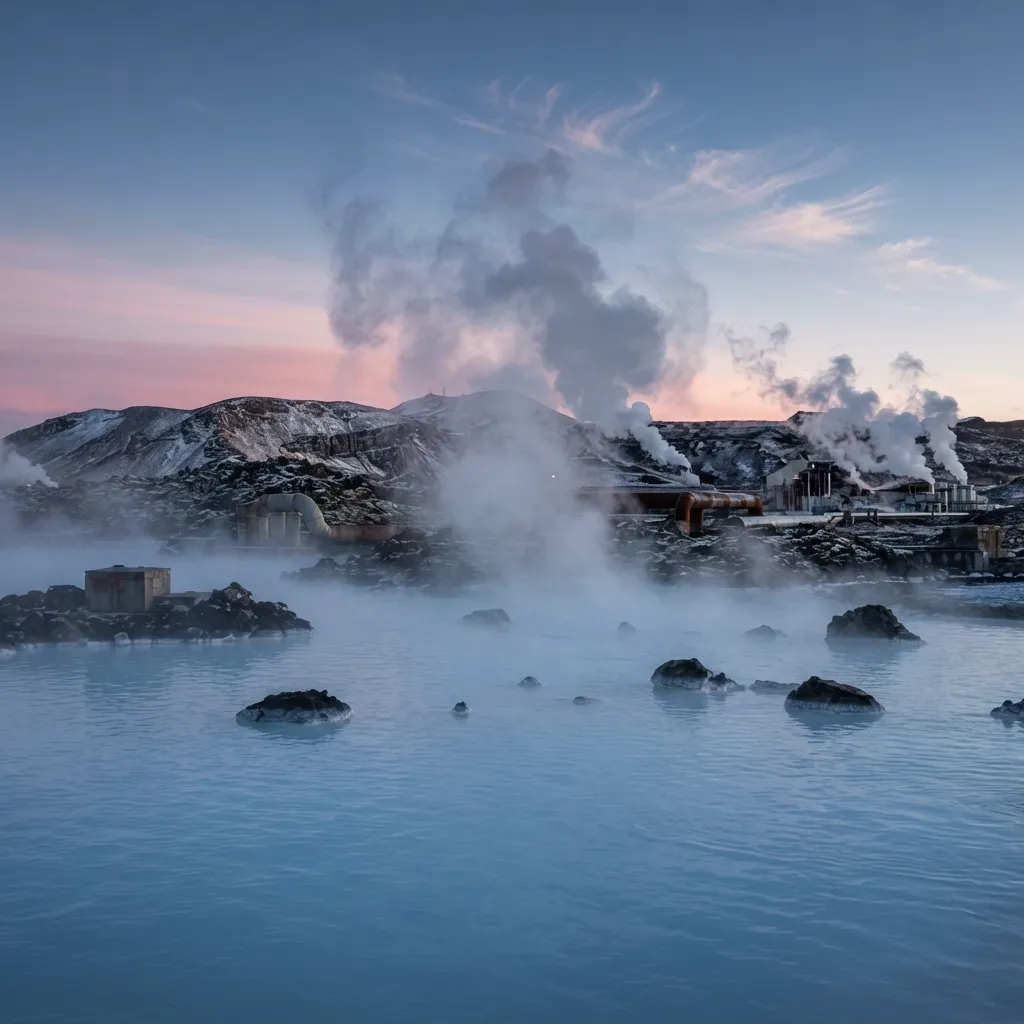
10. The Blue Lagoon, Iceland
Iceland is a country filled with an abundance of natural, geothermal hot springs, yet travelers continue to spend a fortune visiting the Blue Lagoon. With steep entrance fees and expensive on-site amenities, it represents a classic tourist cash grab. Swap the commercialized spa for one of Iceland’s stunning, free, and natural hot springs scattered across the countryside.
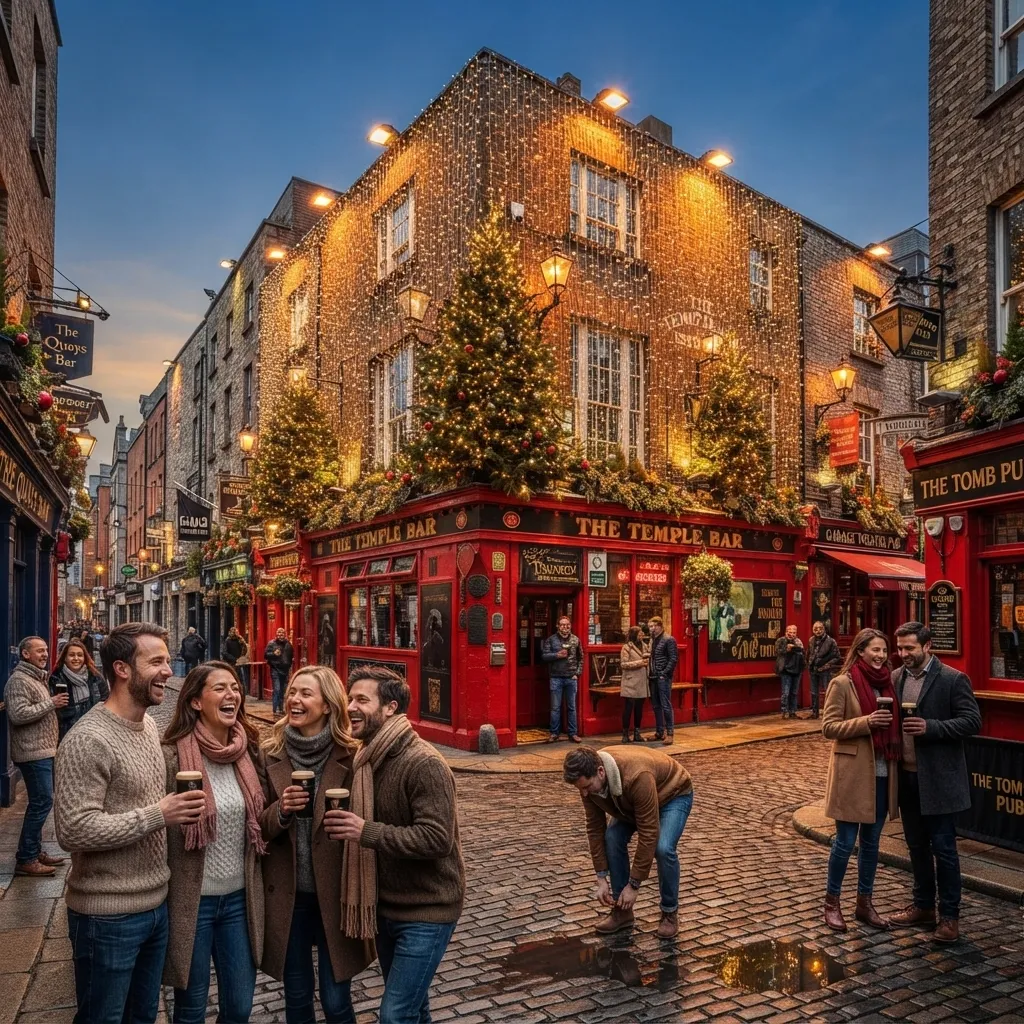
11. Temple Bar, Dublin
Temple Bar is undeniably famous for its vibrant nightlife, but it is also heavily commercialized and massively overpriced. Dublin is a city bursting with incredible local culture and neighborhood pubs. You can find much better drinks, live music, and friendly local atmospheres just a short walk away from the main tourist drag.
12. Las Ramblas, Barcelona
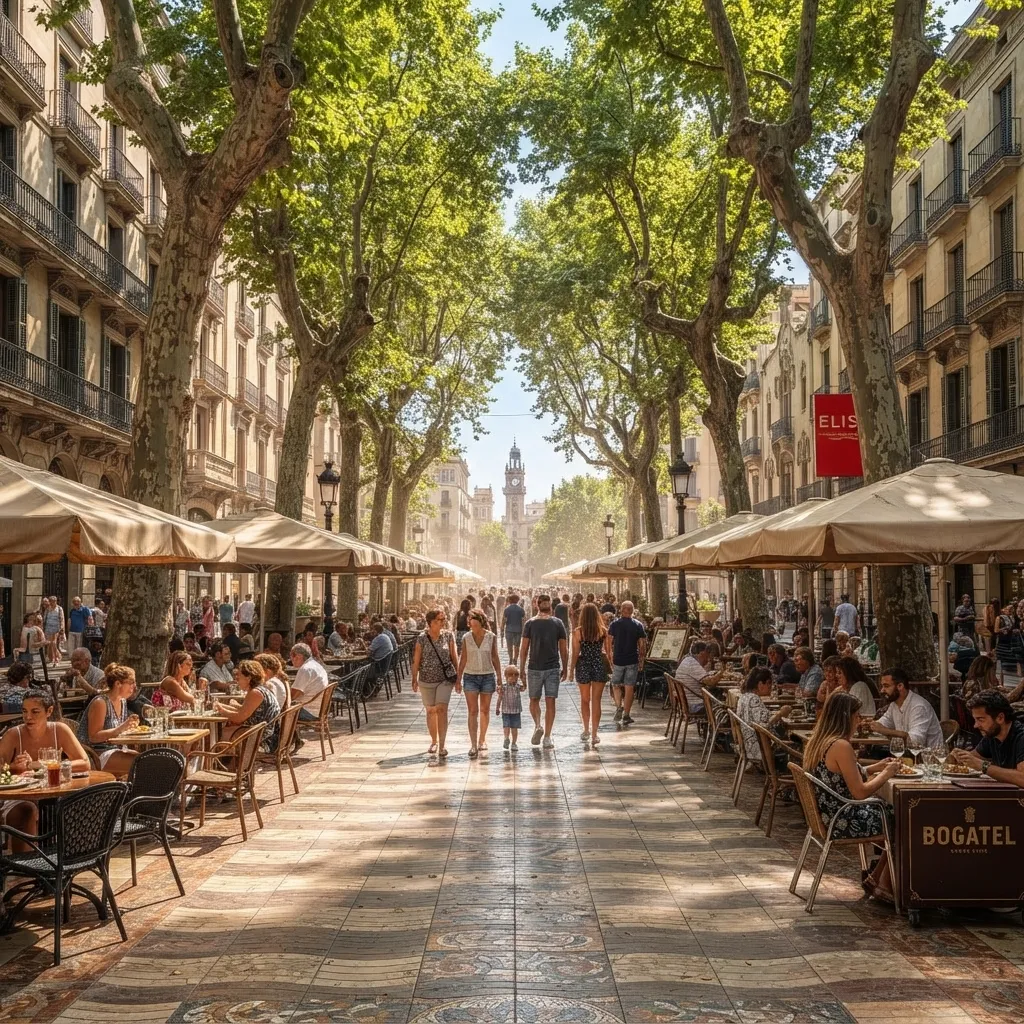
When exploring Catalonia’s vibrant capital, avoid spending time on Las Ramblas. This bustling promenade is packed with stereotypical shops, overpriced cafes serving frozen paella, and crowds of pickpockets. Local residents actively avoid this street, preferring the authentic culinary scenes found in neighborhoods like Gràcia or Eixample.