



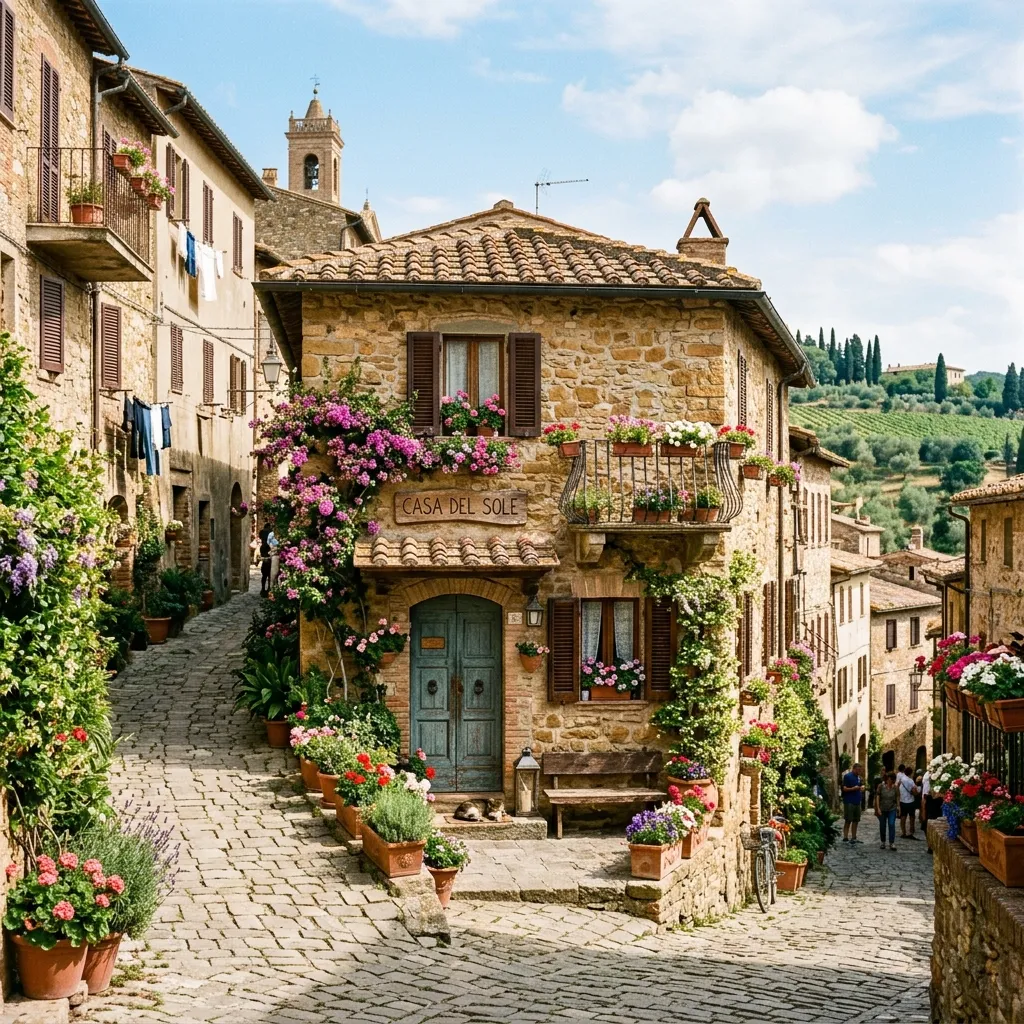
Moving from Canada to Italy culture shock is real, hitting you right from the moment you trade bustling downtown Toronto streets for a sleepy, sun-drenched Italian village. Packing up life to live in a stone cottage, buying fresh groceries at local markets, and spending weekends by the Mediterranean sounds like an absolute dream—until you realize just how vastly different daily life truly is. While still learning the language, street signs, and local customs, navigating life abroad brings unique surprises. Anyone planning a trip or a permanent relocation will find these eye-opening differences between Canada and Italy helpful to know.
1. The Grocery Store Reality After Moving From Canada to Italy Culture Shock
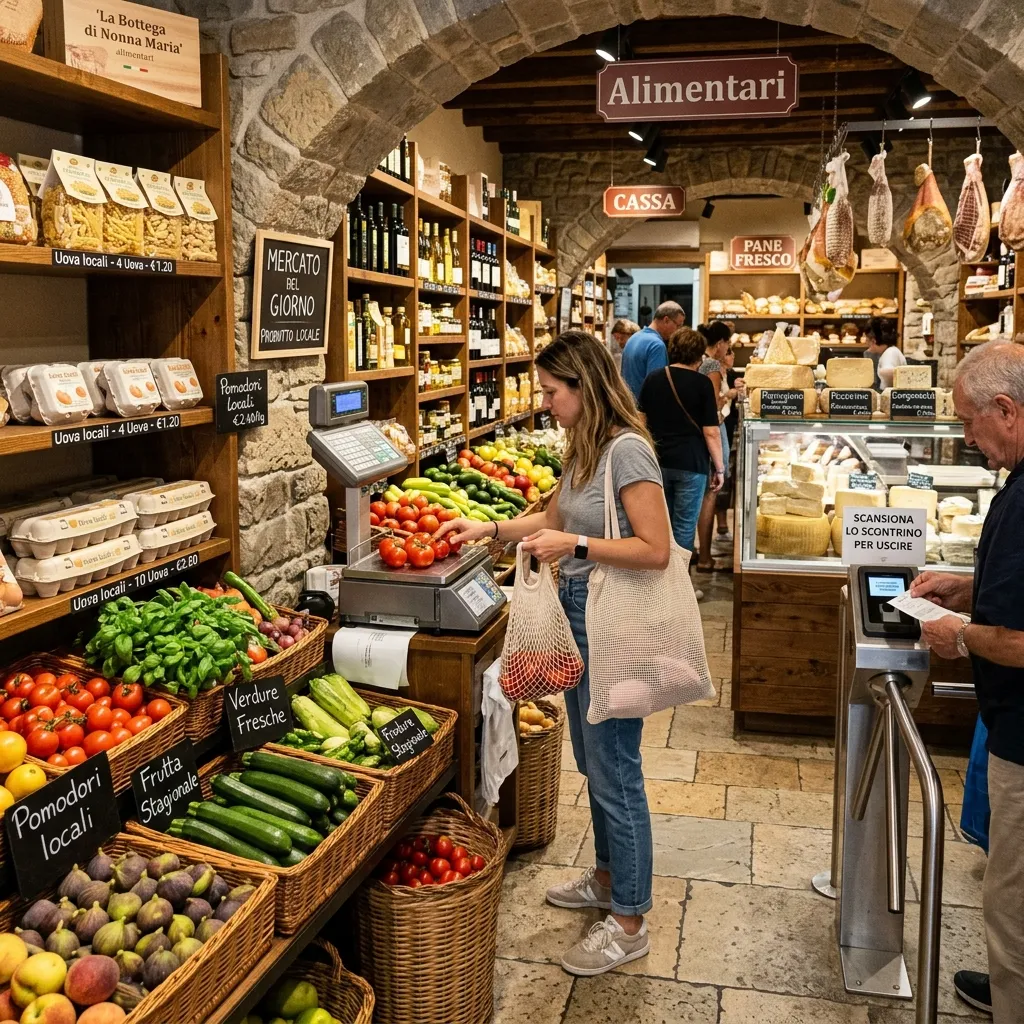
Coming from multicultural hubs like Toronto, finding diverse international ingredients is effortless. However, experiencing moving from Canada to Italy culture shock hits hard inside local Italian grocery stores. The selection focuses strictly on local, seasonal goods, and obscure foreign ingredients cost a fortune.
2. Inexpensive Local Wine Prices
One of the most pleasant surprises when moving from Canada to Italy culture shock sets in is the price of alcohol. Good quality table wine is completely accessible, with normal everyday bottles costing €2 to €5 (about CA8). Sipping a remarkably smooth €3 bottle on a stone patio overlooking the seaside beats expensive Canadian wine prices any day.

3. Wi-Fi Accessibility and Mobile Data
Home internet works differently across Italy. While major tourist hotspots have reliable Wi-Fi, many residential homes rely entirely on mobile hotspots. This initially seems like a terrible way to burn through data, but it makes complete sense once you look at local telecommunications.
Read More: 15 Essential Things to Know Before Traveling to Italy
4. Inexpensive Italian Phone Plans
Back home, monthly cell phone bills easily reach $80, plus another 16) and include massive data allowances like 250 GB. Visitors shouldn’t waste money on expensive Canadian roaming packages; grabbing a local eSIM upon arrival saves hundreds of dollars.
5. Mandatory Passport Registration at Hotels and Airbnbs

6. The Rare Luxury of Clothes Dryers
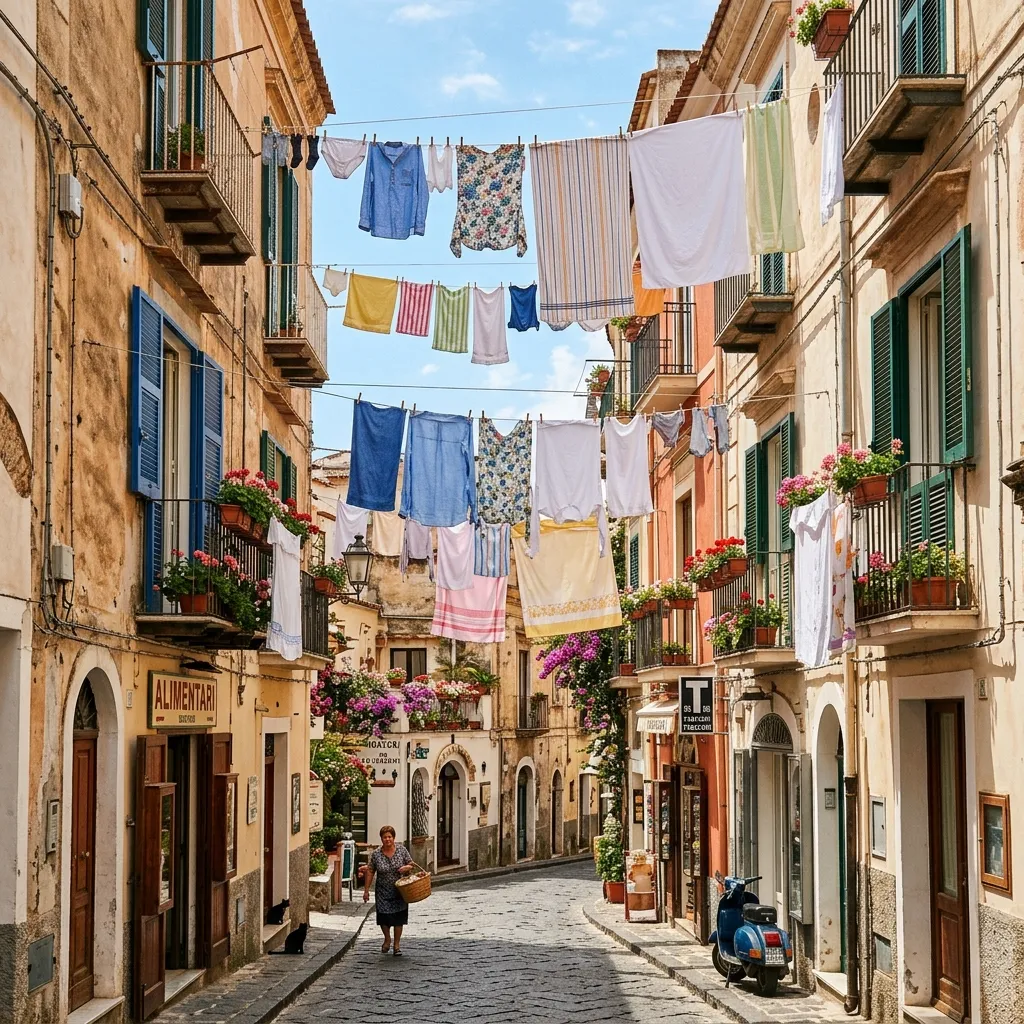
In-suite laundry appliances and reliable electric dryers are standard in most North American homes. In Italy, however, dryers are considered luxury items. Most locals hang laundry outside—sometimes even on lines outside the apartment—requiring residents to check the weather and pace their chores.
7. The Midday Siesta: Everything Closes From 1 to 4 PM
Adjusting to local business hours is a major milestone when moving from Canada to Italy culture shock takes hold. From 1:00 PM to 4:00 PM, daily life freezes in a midday break. Running sudden errands after lunch is impossible outside of major metropolitan tourist zones like Rome or Florence.
8. Automated Vending Machines for Emergency Needs
Since shops shut down tight during the afternoon siesta, Italy invented a brilliant workaround: street-facing vending machines stocked with essentials. These machines provide cigarettes, toiletries, snacks, and emergency items around the clock.
9. Scooters Zipping Through Every Street
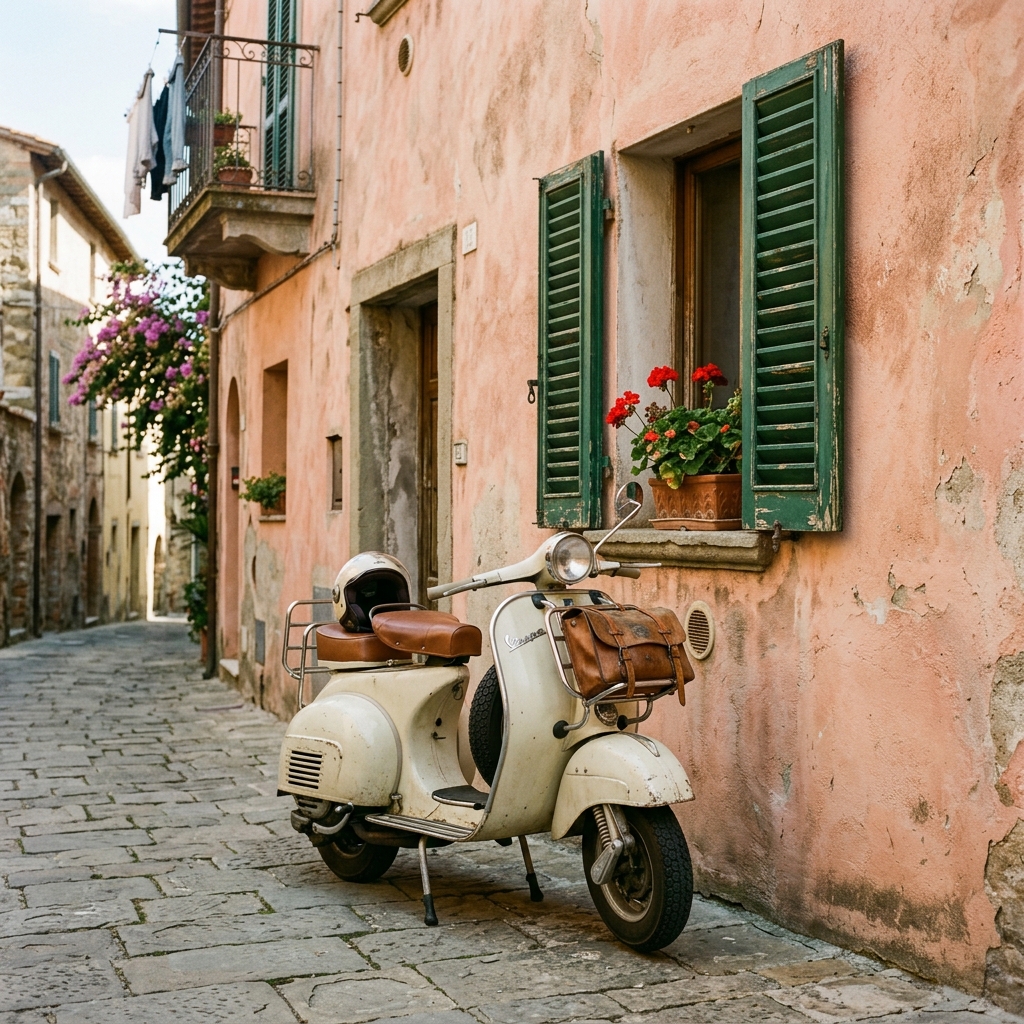
Lizzie McGuire riding a scooter through Rome wasn’t just a movie trope. Scooters dominate Italian streets, weaving through narrow historic alleys. Locals zip along winding cliffside roads wearing minimal safety gear—a stark contrast to strict Canadian transit rules.
10. Casual Nudity on Local Beaches
While crowded tourist beaches maintain strict dress codes, local swimming spots embrace total freedom. Public nudity on secluded Italian beaches is completely normal, relaxed, and accepted without judgment.
Read More: Moving to Australia? 13 Hilarious & Surprising Culture Shocks You Need to Know
11. The Prevalence of Public Smoking
In Canada, smoking is heavily restricted far away from restaurant patios and public entrances. In Italy, smoking remains woven into daily social life. Ashtrays sit on outdoor dining tables, making public smoking a standard sight during morning coffee or evening drinks.
12. Small, Sweet Breakfasts Instead of Protein-Heavy Meals

13. A Completely Different Relationship With Time
Time feels precious and rushed in North America, but Italian culture operates at a much more relaxed pace. Arriving 30 minutes late to a dinner party isn’t considered rude or disrespectful; it is simply part of a culture that refuses to rush through life.
14. Manual Paperwork and Bureaucracy
While big cities rely on instant electronic document signing, everyday official processes in Italy involve manual paperwork. Buying physical bus tickets at a tabacchi (local corner store) or processing lease agreements requires patience, physical stamps, and waiting through old-school bureaucratic channels.
15. You Have to Ask for the Check
Restaurants in North America often try to flip tables quickly by dropping off bills promptly. In Italy, dining is an unhurried social event meant to be savored. Bringing a check unrequested is considered rude because it rushes guests, meaning diners must actively flag down their server to pay.
16. Endless Aperol, Gelato, and Pistachio Treats
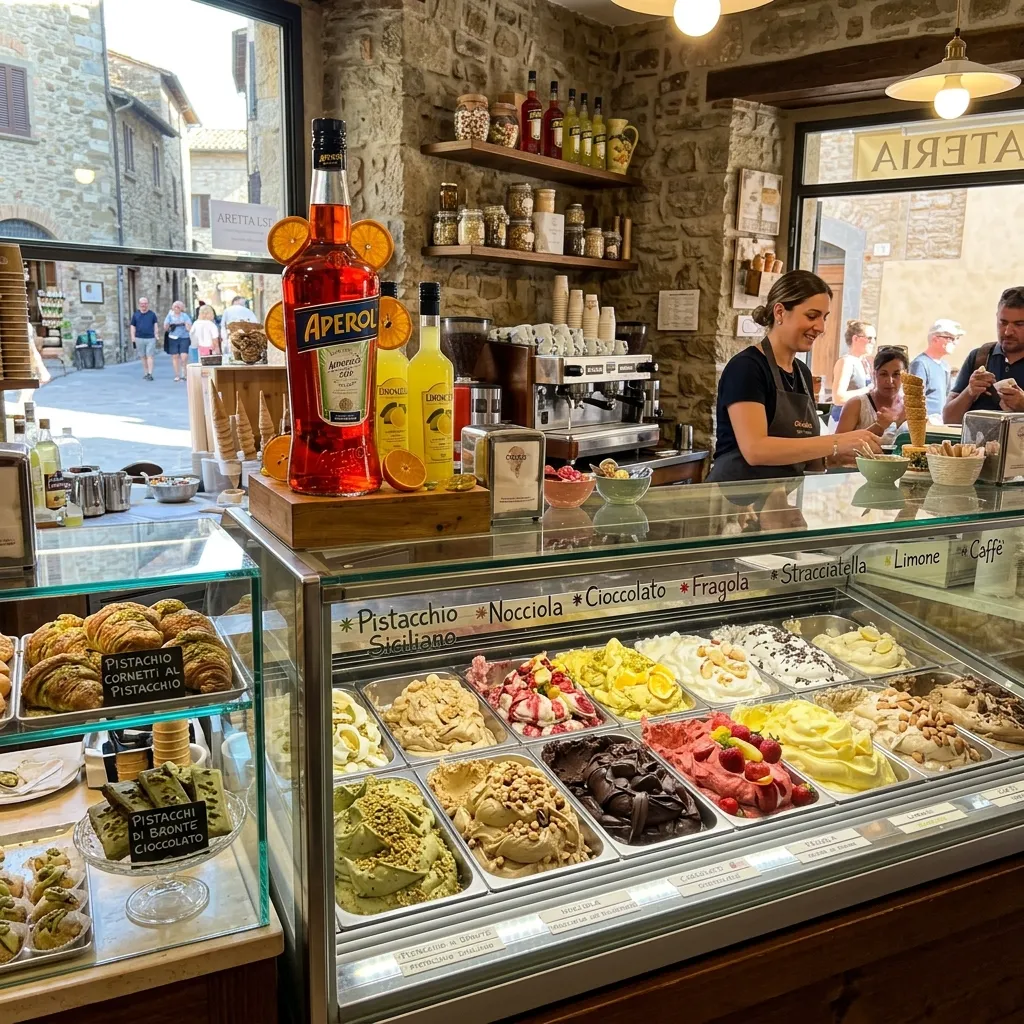
17. The Warm Welcome When You Try Speaking Italian
Despite language barriers, locals respond with genuine warmth and enthusiasm whenever travelers attempt basic Italian phrases. Even with imperfect pronunciation, making the effort to speak the native language unlocks incredible hospitality and kind assistance.