

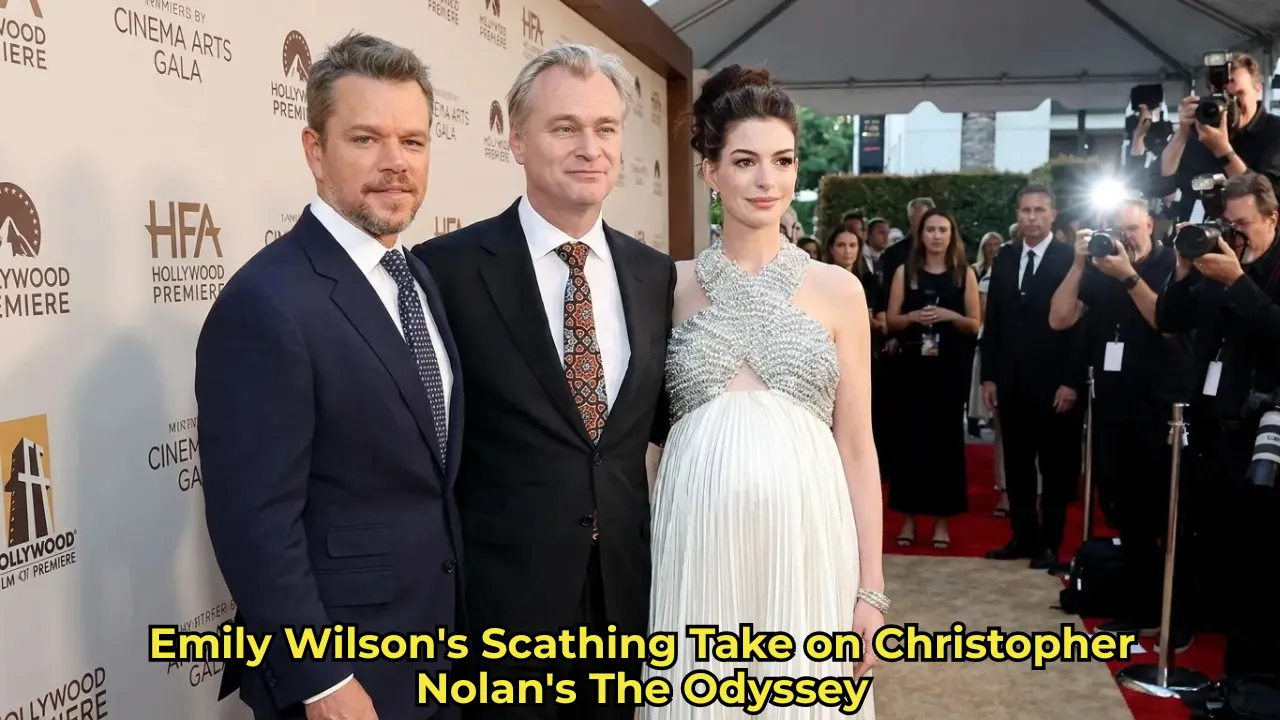
The internet is buzzing over Emily Wilson’s scathing Nolan Odyssey review, and it is safe to say the celebrated translator held nothing back. When Christopher Nolan first announced his blockbuster adaptation of Homer’s ancient Greek epic, he publicly cited Wilson’s acclaimed 2017 translation as a major inspiration—specifically her iconic opening line: “Tell me about a complicated man.” However, now that Wilson has seen the final cut starring Matt Damon as Odysseus, her fiery verdict is sending shockwaves through the cinematic and literary worlds alike.
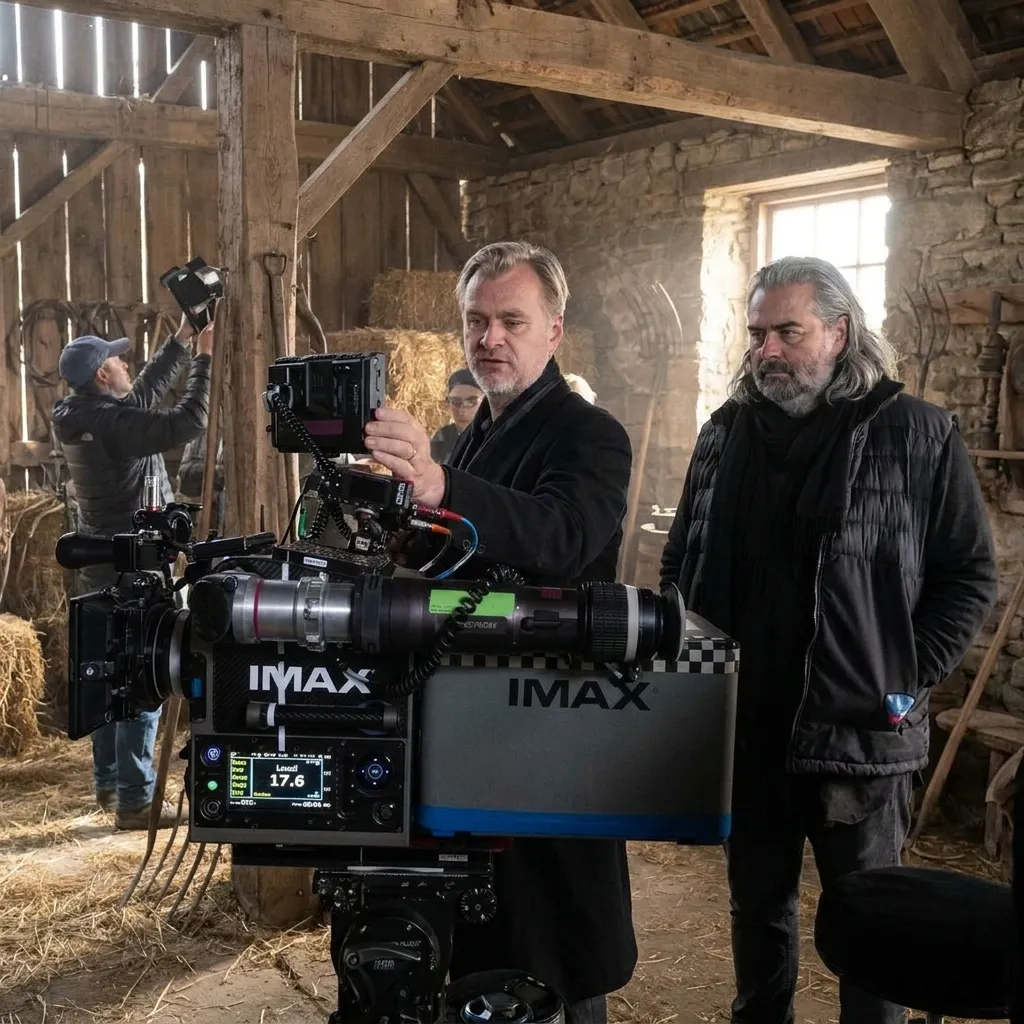
Why This Nolan Odyssey Review is Going Viral
In an extensive essay originally published in the London Review of Books, Wilson completely dismantled the film’s narrative choices. This Nolan Odyssey review argues that the director stripped the legendary hero of all his cunning, wit, and complexity. Instead of a wily, manipulative survivor, she views Nolan’s version as a simple, guilt-ridden grunt who blindly wanders through beautiful landscapes.
“I don’t think it’s a complicated movie,” Wilson stated. “And I don’t think it’s even about a complicated man. I think it’s a quite simple action hero movie about an action hero who feels bad about being an action hero.”
Read More: Worst Historical Inaccuracies In Period Movies And TV Shows
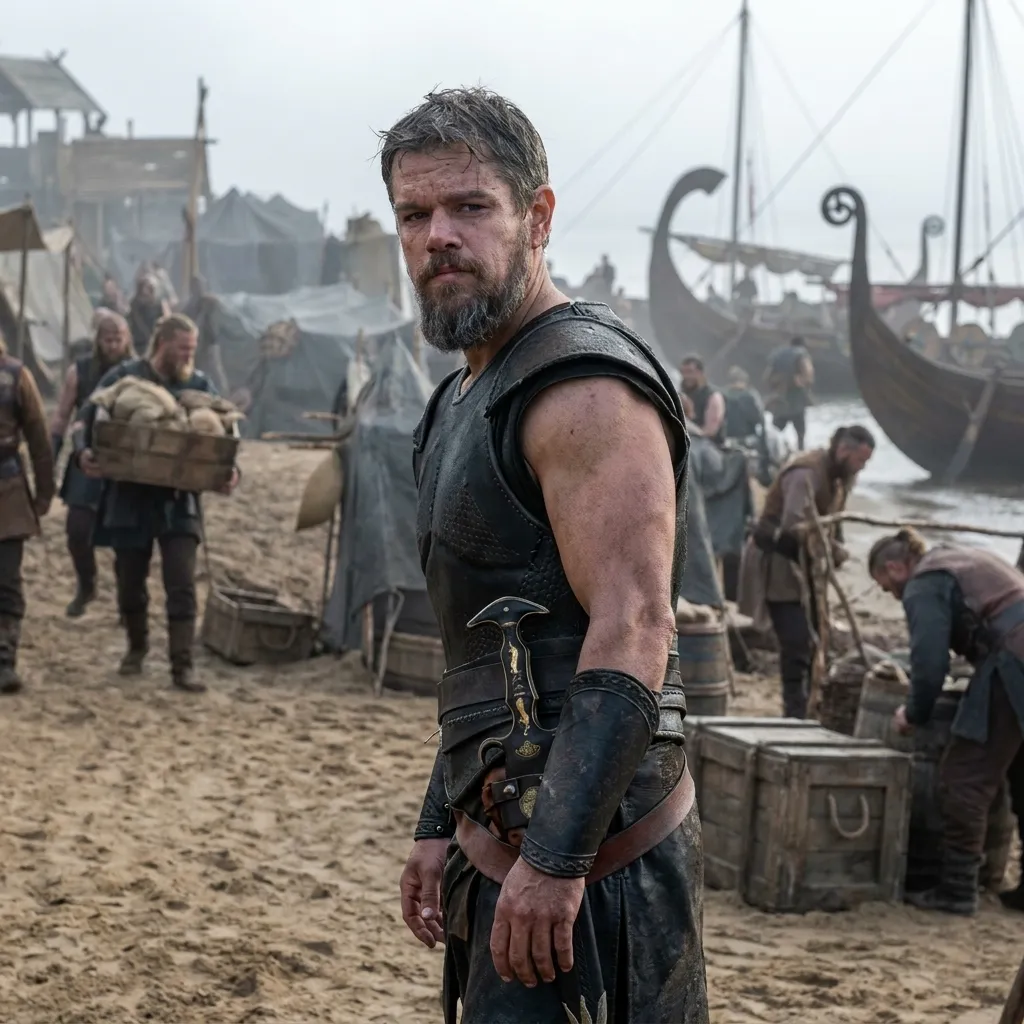
Wilson didn’t mince her words about the screenplay itself. Despite Nolan’s praise for her work, she confessed, “I would be ashamed to have written any part of this script,” labeling the writing as “abysmal.” She argued it lacked psychological, emotional, political, and ethical depth.
The Missing Nuance Highlighted in the Nolan Odyssey Review
According to the Nolan Odyssey review, one of the biggest missteps involves the iconic Cyclops scene. In Homer’s original text, Odysseus outwits the giant Polyphemus by clever deception—infamously claiming his name is “Nobody.” In Nolan’s blockbuster adaptation, this masterstroke of intellect is entirely erased. Wilson notes, “Odysseus doesn’t have to outwit Polyphemus because the Cyclops is a puppet who has no wits,” reducing a core element of the Greek hero’s identity to a mindless confrontation.
Female Representation and Diversity Criticisms
Another major focal point in the critique is the film’s treatment of its female characters. Penelope, played by Anne Hathaway, is criticized for lacking her original depth.
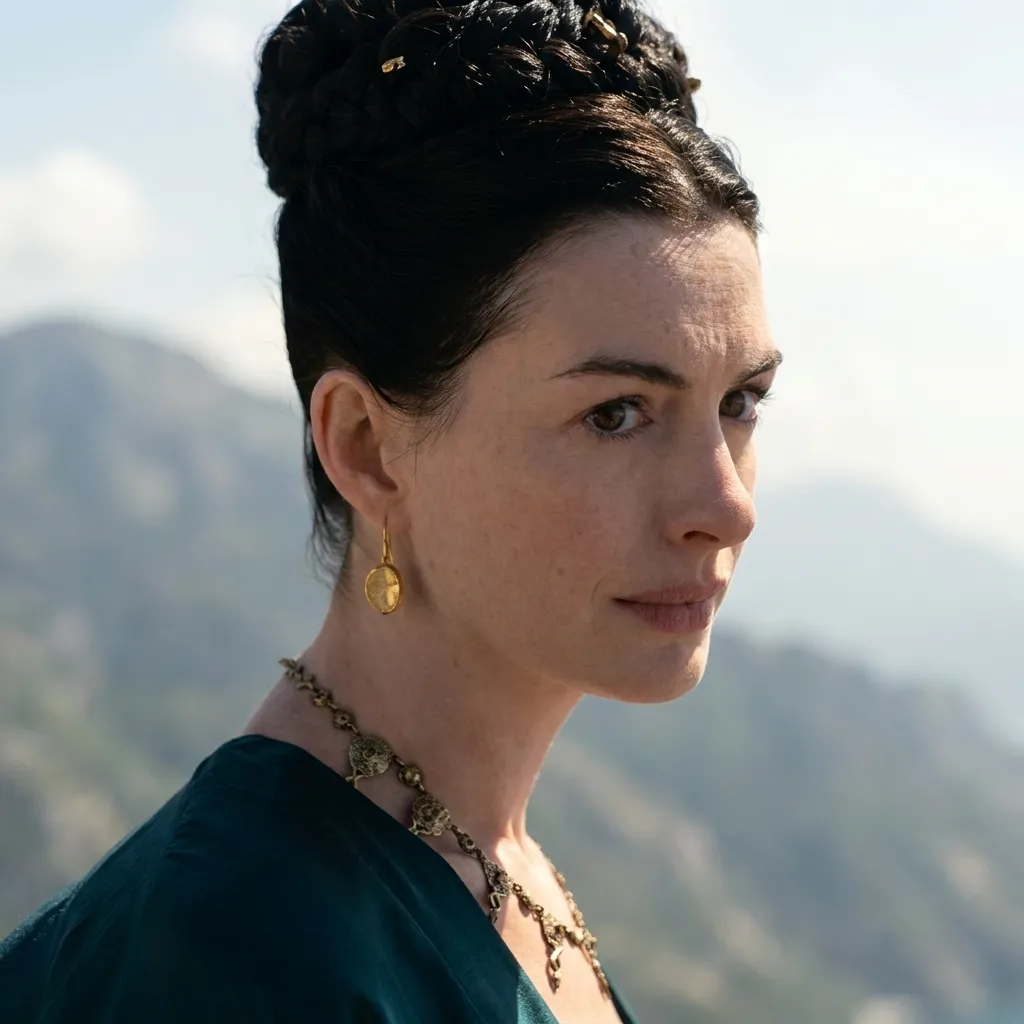
While Homer portrayed her as a brilliant kingdom manager surviving a 20-year crisis, Wilson argues Nolan’s Penelope “has no dreams” and serves only to yearn for Matt Damon’s character. Similarly, she points out that Calypso is reduced to an “unpaid therapist” for a PTSD-ridden Odysseus.
Furthermore, Wilson addressed the movie’s race-neutral casting, which features incredibly talented actors like Zendaya, Lupita Nyong’o, and Himesh Patel.
Read More: The Housemaid Review: Amanda Seyfried and Sydney Sweeney Deliver Chills
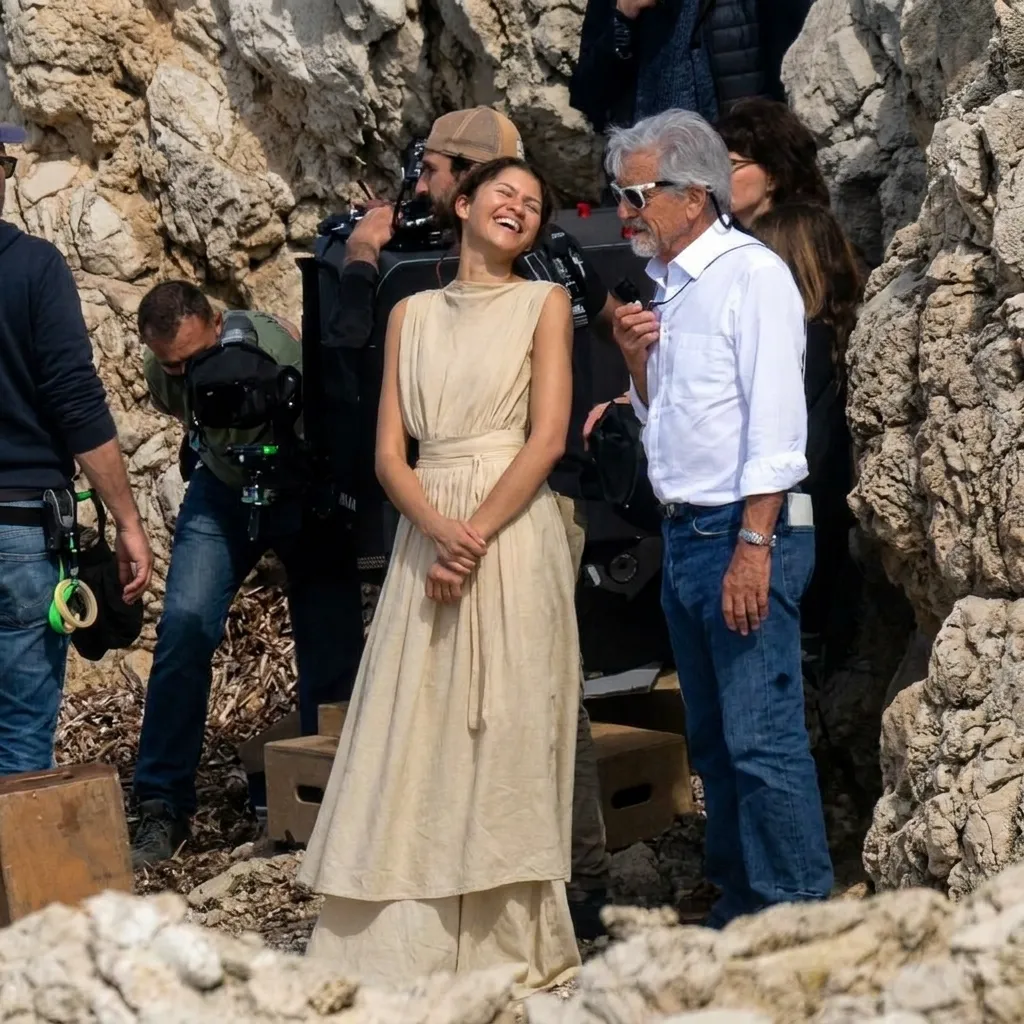
She argued that there was “nothing progressive” about casting actors of color merely to serve as sidekicks whose sole purpose is to aid the white protagonist.
The Silver Lining
Despite the heavy criticism, Wilson did acknowledge one major positive outcome from the film’s release. The sheer scale of Nolan’s project has undeniably brought classical literature back into the mainstream spotlight. Translations of The Odyssey—including Wilson’s own masterpiece—are currently flying off the shelves, proving that even a flawed adaptation can inspire a whole new generation to discover the magic of Homer’s ancient world.