


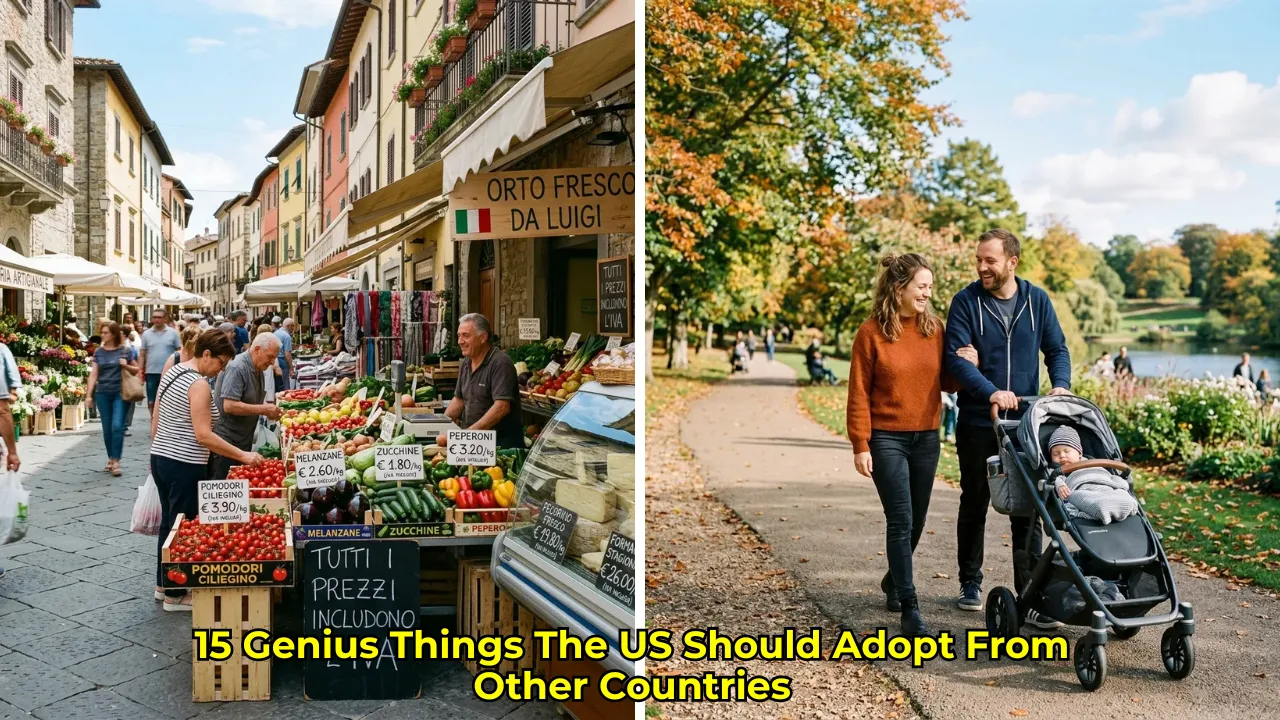
Finding inspiration across global borders reveals several simple things the US should adopt to significantly improve daily quality of life. From how we handle basic commerce to the layout of our public infrastructure, international travel quickly highlights how other societies have solved everyday headaches that Americans simply accept as normal.
Whether you have traveled extensively or simply love exploring culture through international perspectives, here is a curated breakdown of 15 game-changing practices, habits, and innovations that prove life could be just a little bit smoother if we took a page from our global neighbors’ playbooks.
1. Tax-Inclusive Pricing That Ends Checkout Surprises
Why Tax-Inclusive Pricing Is One of the Main Things From Other Countries The US Should Adopt
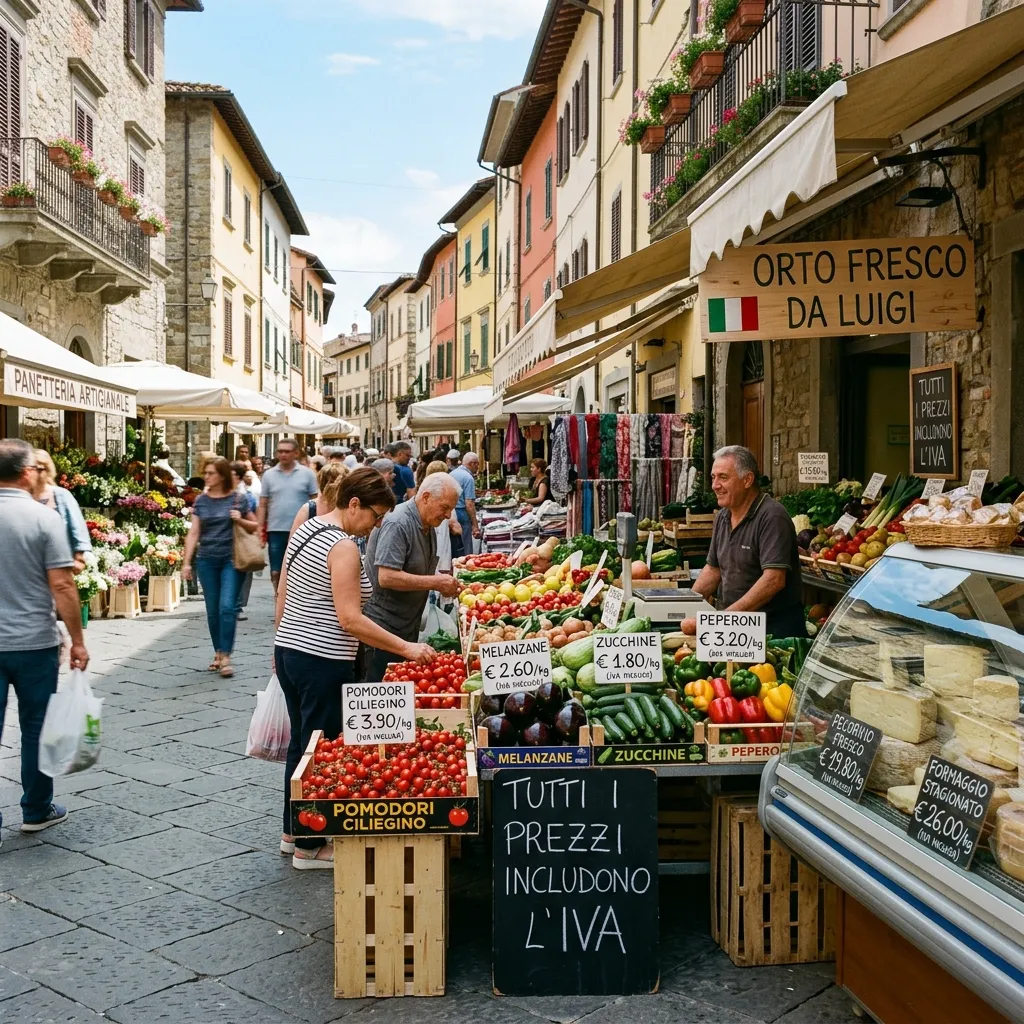
If you have ever bought a $10 item in the United States only to end up paying $10.88 at the register, you understand the frustration of hidden sales taxes. Across Europe, Asia, and Australia, what you see on the price tag is the exact amount you pay at the register. Taxes are built directly into the displayed price.
Adopting tax-inclusive pricing would eliminate mental math, streamline everyday transactions, and establish absolute transparency for budget-conscious shoppers.
2. Full-Length Bathroom Stall Doors Without Gaps
Upgrading Public Privacy With Gap-Free Doors
American public restroom stalls are infamous for their wide side gaps and massive foot clearance, creating an uncomfortable lack of privacy. In countries like Switzerland, Germany, and the UK, public restroom stalls are fully enclosed rooms with floor-to-ceiling doors and zero peek-through gaps.
Implementing full-length privacy doors is one of those simple things from other countries the US should adopt that instantly elevates public infrastructure and basic personal dignity.

3. World-Class High-Speed Rail Infrastructure
Modern Transit Systems Across Oceans
While the U.S. remains heavily reliant on cars and domestic flights, nations across Europe and East Asia move seamlessly via high-speed trains. Systems like Japan’s Shinkansen and France’s TGV travel at speeds exceeding 180 mph, connecting major city centers in fraction of the time with minimal carbon output. Modernizing U.S. rail infrastructure would reduce traffic congestion, lower carbon emissions, and make regional travel vastly more convenient.
4. Widespread Bidet Usage in Everyday Bathrooms
Elevating Hygiene Standards in Personal Care
In countries like Italy, Japan, and France, bidets or electronic bidet seats are standard equipment in residential homes and hotels alike. Hygiene experts agree that water-based cleaning is far superior and more sanitary than dry toilet paper alone. Bringing bidet culture into mainstream American homes would drastically reduce paper waste while raising everyday hygiene standards.

5. Japanese-Style Convenience Stores and Fresh Vending Options
Elevating Grab-and-Go Dining
A quick stop at a 7-Eleven or Lawson in Japan reveals high-quality chef-prepared meals, fresh egg salad sandwiches, hot broth dishes, and freshly brewed coffee. Japanese convenience stores operate as true culinary hubs rather than mere gas station snack stops. Transforming American convenience hubs to offer fresh, high-quality, nutritious options would completely revolutionize on-the-go eating.
6. Comprehensive Paid Parental Leave Policies
Supporting Growing Families
Among developed nations, the United States stands out for not guaranteeing federally mandated paid parental leave. In countries like Canada, Sweden, and Norway, parents receive generous paid time off to bond with newborns or newly adopted children, often split between both parents. Establishing strong paid family leave policies is among the vital things from other countries the US should adopt to support family well-being and workforce retention.
[
7. Mandatory Paid Annual Vacation Time
Protecting Mental Health and Workplace Morale
European Union directives guarantee all workers a minimum of four weeks (20 days) of paid vacation annually, with many countries offering 25 to 30 days. In contrast, U.S. workers often face “paid time off guilt” and zero federal minimum requirements. Enforcing mandatory paid vacation fosters better productivity, lowers burnout, and improves physical and mental health.
8. Strictly Enforced Left-Lane Highway Passing Laws
Improving Traffic Flow and Roadway Safety
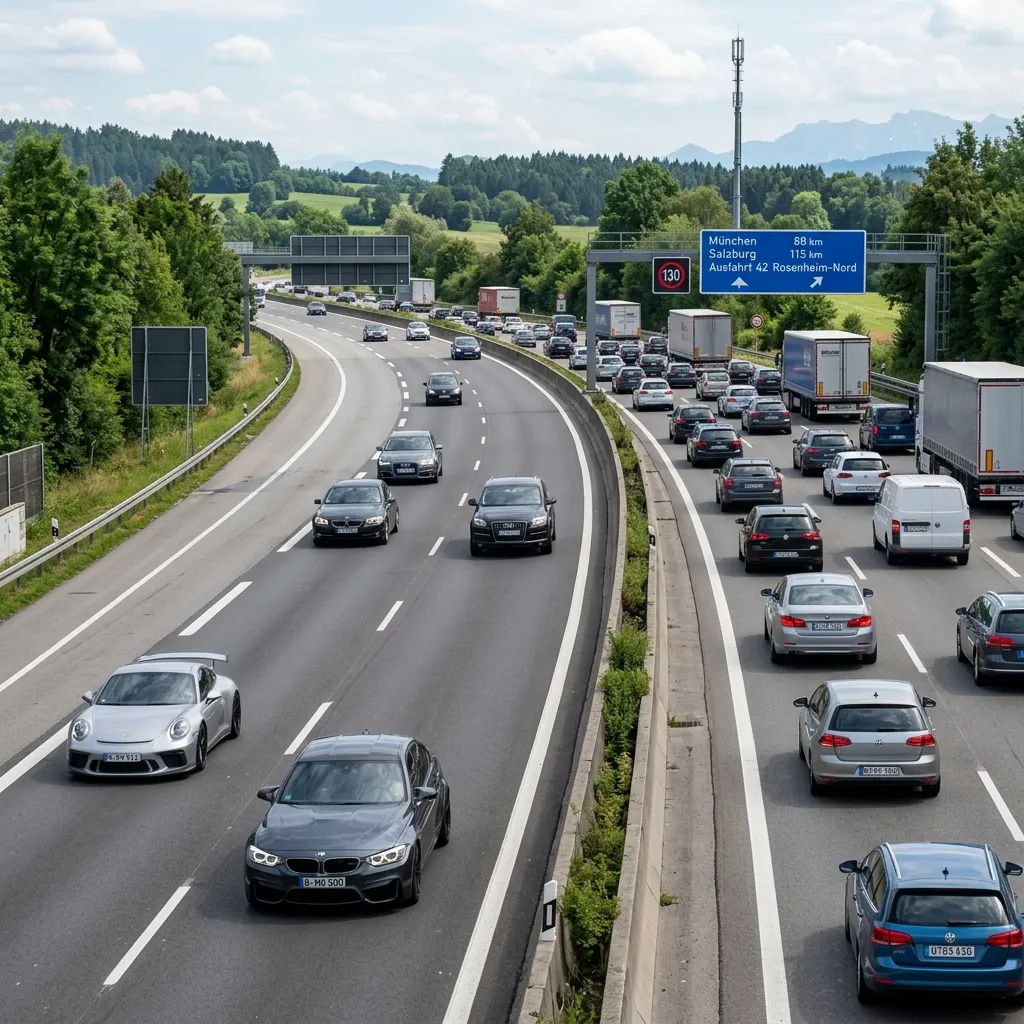
Driving on Germany’s Autobahn is remarkably smooth because motorists strictly adhere to a simple rule: the left lane is exclusively for passing. Drivers complete their pass and immediately return to the right lane. Enforcing lane discipline across U.S. highways would eliminate dangerous traffic bottlenecks and reduce aggressive tailgating.
9. Pedestrian-Centric City Planning and Protected Bike Networks
Creating Walkable and Sustainable Communities
Cities like Copenhagen and Amsterdam prioritize pedestrians, micro-mobility, and bicycle transit over personal vehicle domination. With physically separated bike highways and car-free city plazas, citizens enjoy safer streets, cleaner air, and active daily commutes. Redesigning American urban spaces around people instead of cars would make cities healthier and far more vibrant.
10. Community-Minded Public Cleanliness Standards
Embracing Shared Civic Responsibility
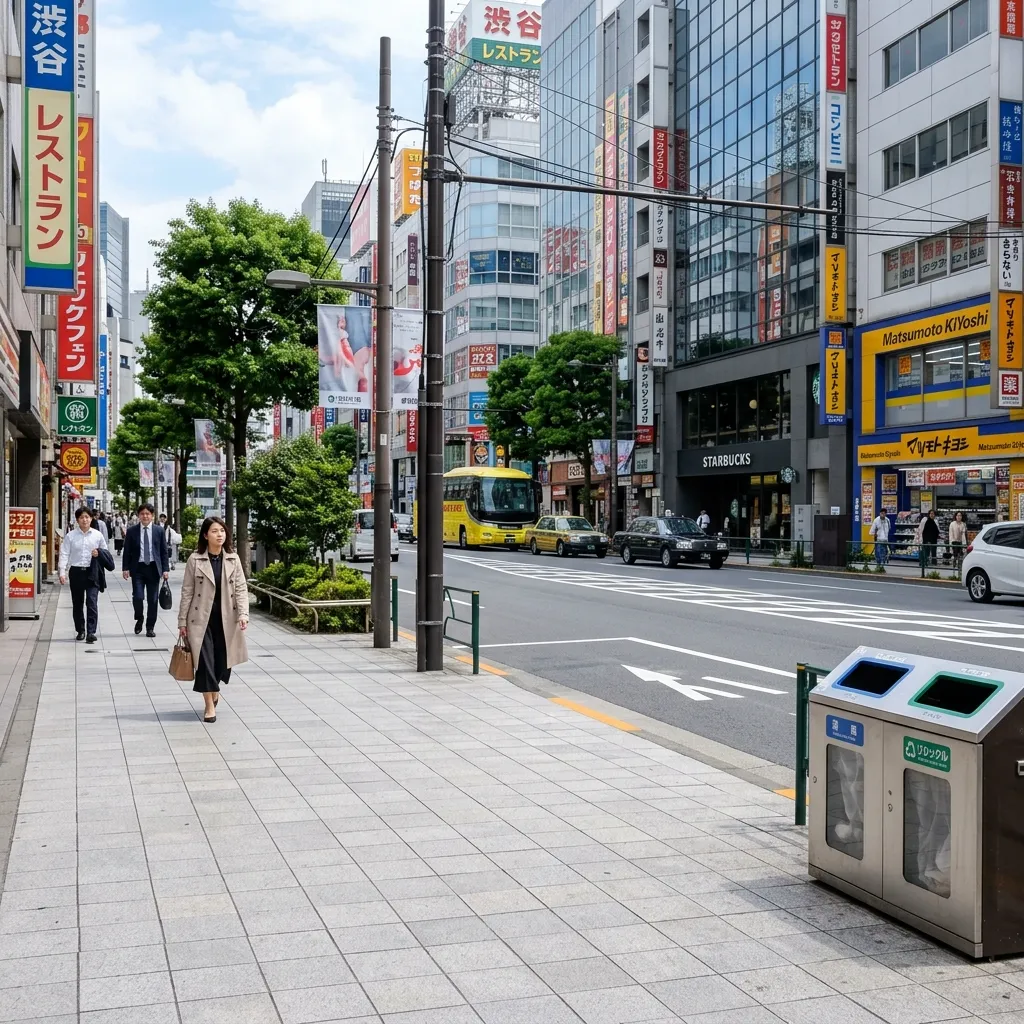
Visitors to Japan frequently notice two things: spotless streets and a total absence of public trash cans. Citizens carry their waste home and actively participate in neighborhood cleanups. Teaching shared civic pride in schools and communities is one of the most transformative things from other countries the US should adopt to keep cities clean and reduce municipal waste costs.
11. Unhurried Café Culture and Mindful Dining
Reclaiming Meals as Social Connections
In Spain, Italy, and France, meals are unhurried rituals designed for social connection rather than rushed refueling at a desk. The Spanish overmesa—lingering around the table long after a meal ends to talk and connect—recharges mental energy. Prioritizing slow dining helps reduce stress and strengthens community bonds.
12. Automated Voter Registration Systems
Streamlining Civic Engagement
In nations like Canada, Australia, and much of Europe, citizens are automatically registered to vote upon turning 18 or acquiring citizenship. Removing administrative hurdles to voter registration increases voter turnout and ensures that democratic participation is straightforward and accessible for all citizens.

13. Transparent, Low-Cost University Tuition Models
Eliminating Long-Term Student Debt
Higher education in countries like Germany, Norway, and Finland is either free or available for minimal administrative fees. By funding universities as a public good rather than a costly consumer product, these nations allow young adults to begin careers without crushing student loans. Investing in accessible higher education strengthens economic mobility across generations.
14. Universal Healthcare Models That Protect Families
Treating Healthcare as a Universal Essential
Most major developed democracies guarantee healthcare access through public funding models, preventing personal bankruptcy due to medical emergencies. Prioritizing preventative care over for-profit health services keeps populations healthier while removing immense financial strain from working families.

15. Roundabouts and Modern Traffic Calming Solutions
Reducing Serious Highway Collisions
Replacing traditional four-way stop signs and signal intersections with modern roundabouts reduces fatal traffic crashes by nearly 80%, according to highway safety studies. Common throughout the UK and mainland Europe, roundabouts keep traffic moving continuously without relying on electricity, making them a smarter, safer choice for U.S. roadways.
Final Thoughts on Things From Other Countries The US Should Adopt
Incorporate just a handful of these global practices, and daily life in the United States could become significantly less stressful, more efficient, and deeply connected. From gap-free bathroom doors to high-speed rail networks, these 15 practical innovations prove that taking inspiration from around the world is the fastest route toward a brighter everyday future.