
Struggling to keep your household budget under control at the checkout counter? Learning how to save money on groceries every week doesn’t mean you have to survive on instant noodles or compromise on nutrition. Small, strategic tweaks to how you shop, prep, and store your food can yield massive savings over time.
Whether you are trying to beat inflation or simply streamline your household expenses, these 10 real-world, expert-tested strategies will help you cut your food spending drastically without compromising on flavor or convenience.
1. Harness the Power of Vacuum Sealing
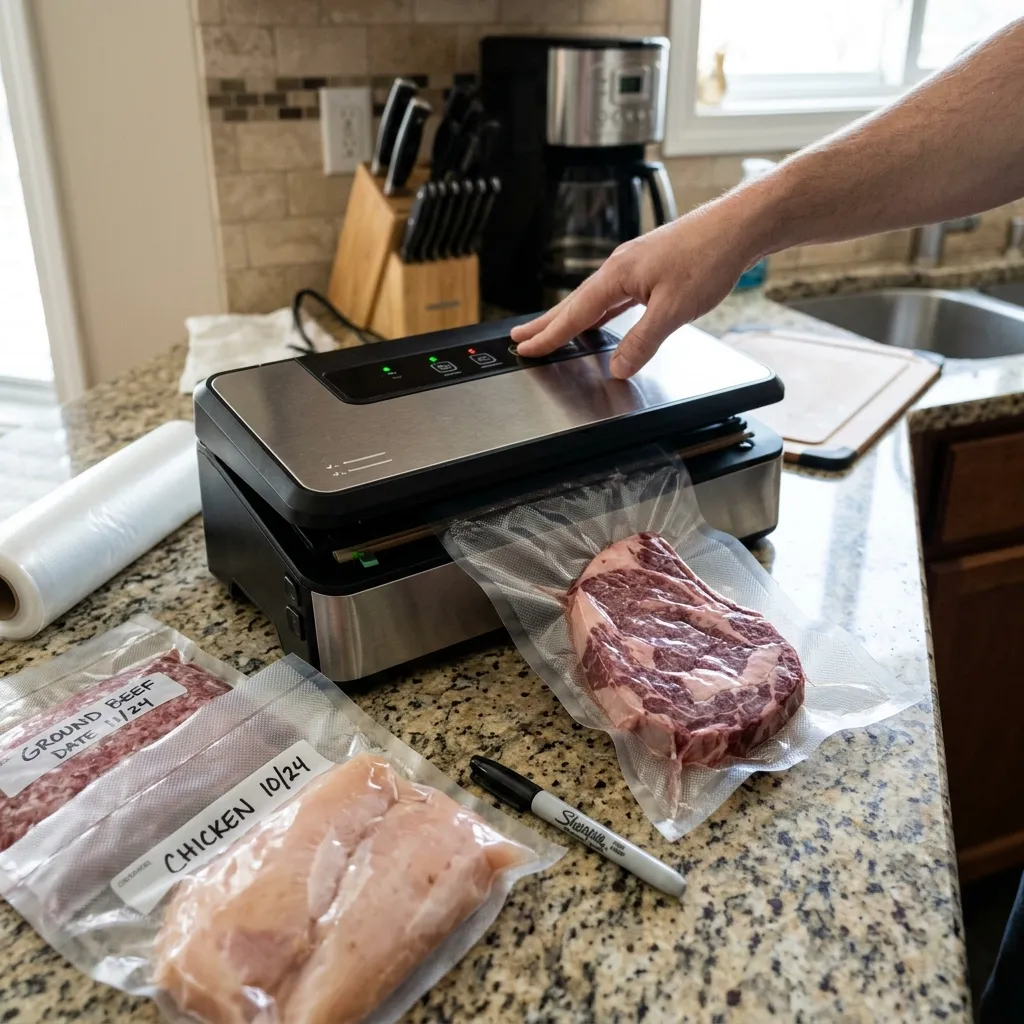
Investing in a vacuum sealer might feel like adding extra clutter to your kitchen counter, but it quickly pays for itself. When you buy meat, seafood, or poultry on clearance or in bulk, vacuum sealing removes air to prevent freezer burn and extend shelf life by months. Instead of throwing away freezer-damaged protein after a few weeks, you keep high-value ingredients in prime condition until you are ready to cook.
2. Extend Berry Longevity with a Quick Vinegar Bath
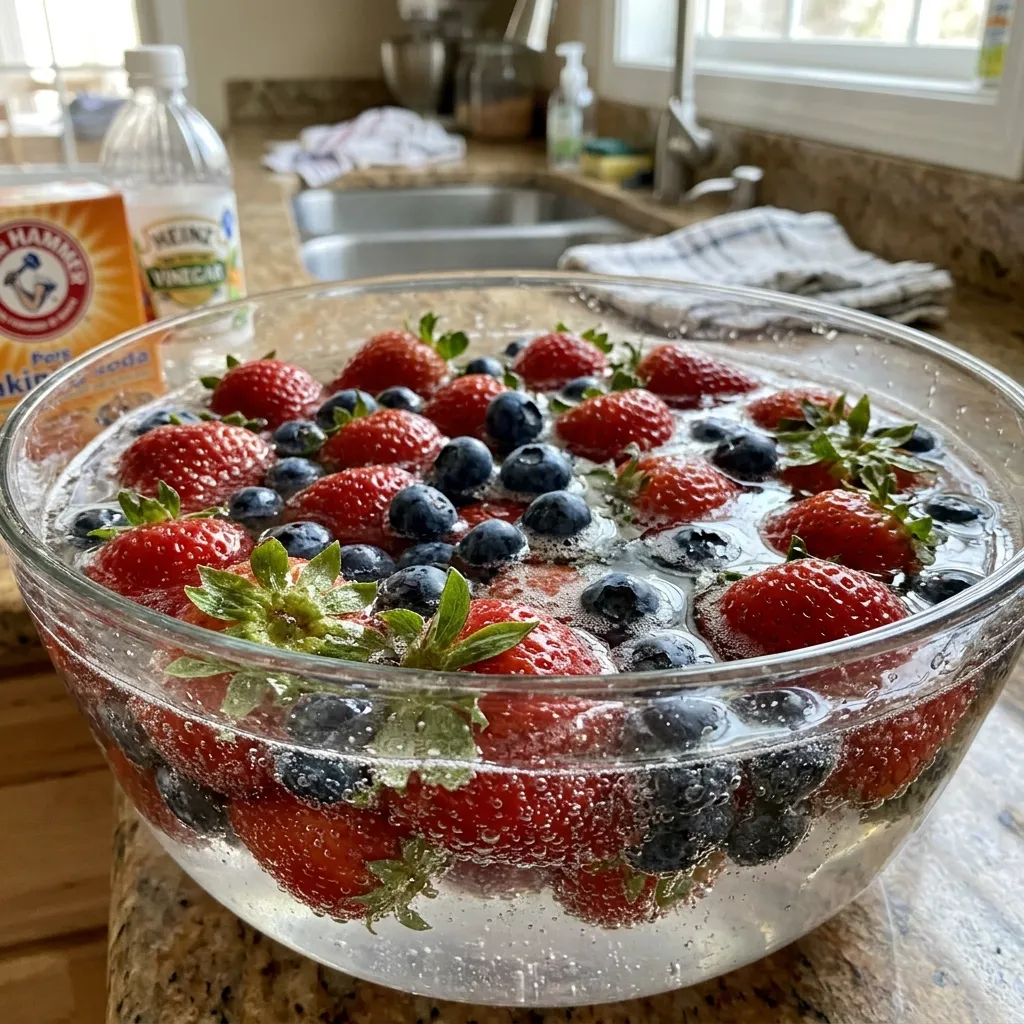
Berries are notoriously expensive, and nothing hurts your wallet quite like finding mold on your strawberries two days after buying them. To double their lifespan, give your fresh berries a quick bath in a solution of 3 cups water, 1 cup white vinegar, and 2 teaspoons of baking soda. Rinse them thoroughly and let them dry completely before refrigerating. The vinegar kills mold spores and bacteria without leaving any lingering taste.
3. Swap Fresh Staples for Powdered Milk and Frozen Veggies
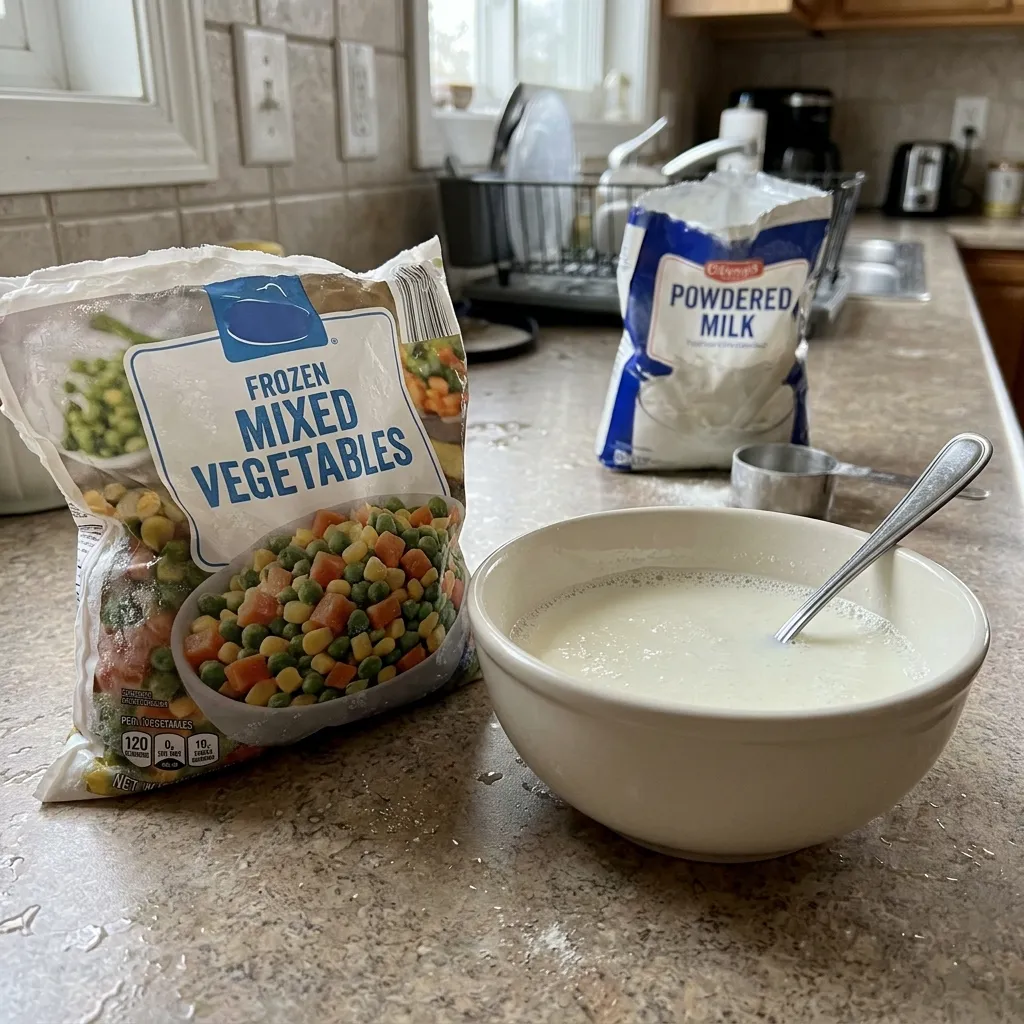
If you live in a small household, buying fresh liquid milk and fresh produce often leads to spoilage. Switching to powdered milk allows you to mix exact quantities for baking or cooking whenever you need it, with a single bag lasting for months. Similarly, stock up on flash-frozen vegetables. Frozen produce retains its nutrient profile, eliminates prep waste, and won’t rot in the back of your crisper drawer.
4. Track Sales Cycles to Cut Your Grocery Bills in Half
How to Save Money on Groceries Every Week by Shopping Sales

One of the most effective habits in learning how to save money on groceries every week is tracking circular sales and building discipline. Most supermarkets run recurring promotional cycles on core items. When your staple goods—such as pasta, canned tomatoes, or cooking oils—go on discount, stock up responsibly. By buying staples strictly when discounted, you can cut your register totals nearly in half over time.
5. Make Cafe-Style Smoothies at Home
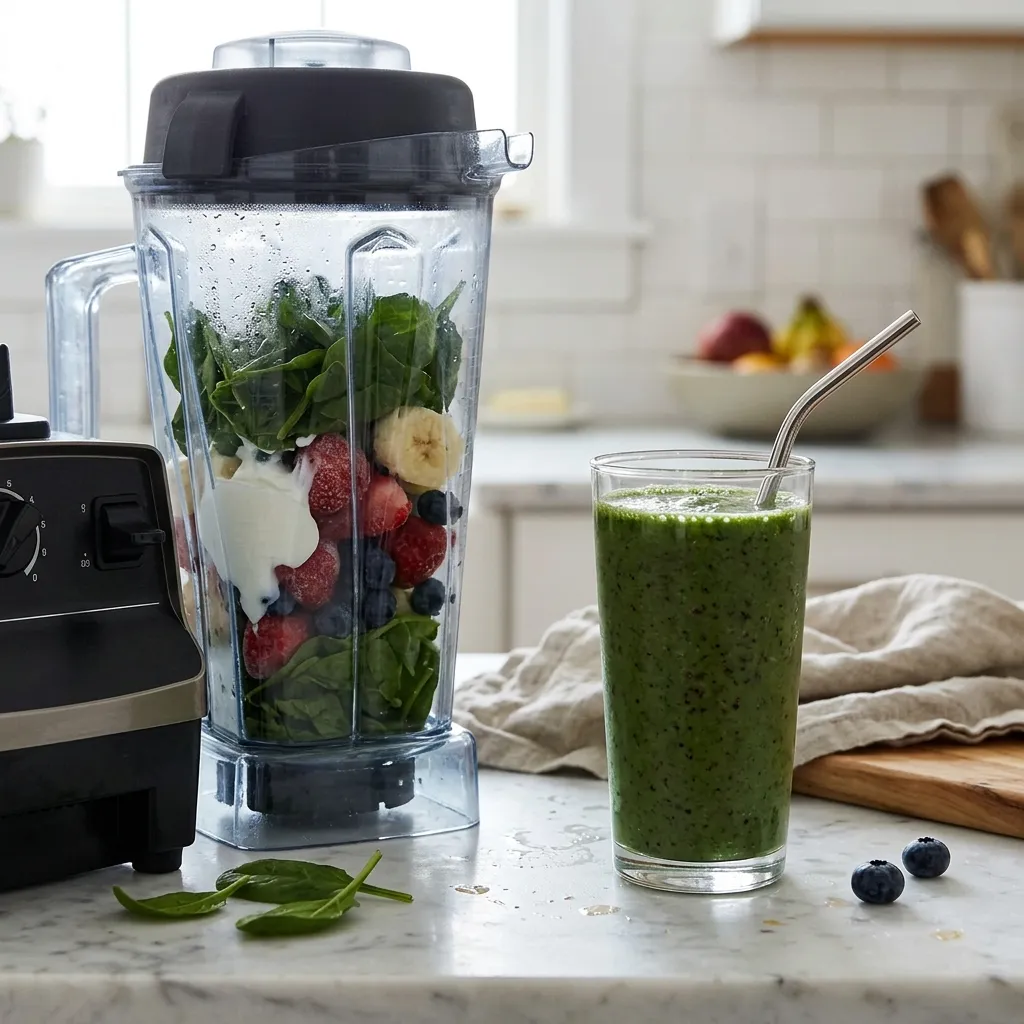
Grabbing a daily smoothie from your local cafe can easily run you $8 to $11 per cup. You can recreate your favorite menu blends at home for a fraction of the cost. Buy a basic countertop blender, stock your freezer with bulk frozen fruit, and buy yogurt and juice on sale. You get the exact same refreshing morning boost for less than $2 a serving.
6. Score Major Discounts with Reduced-to-Clear Items
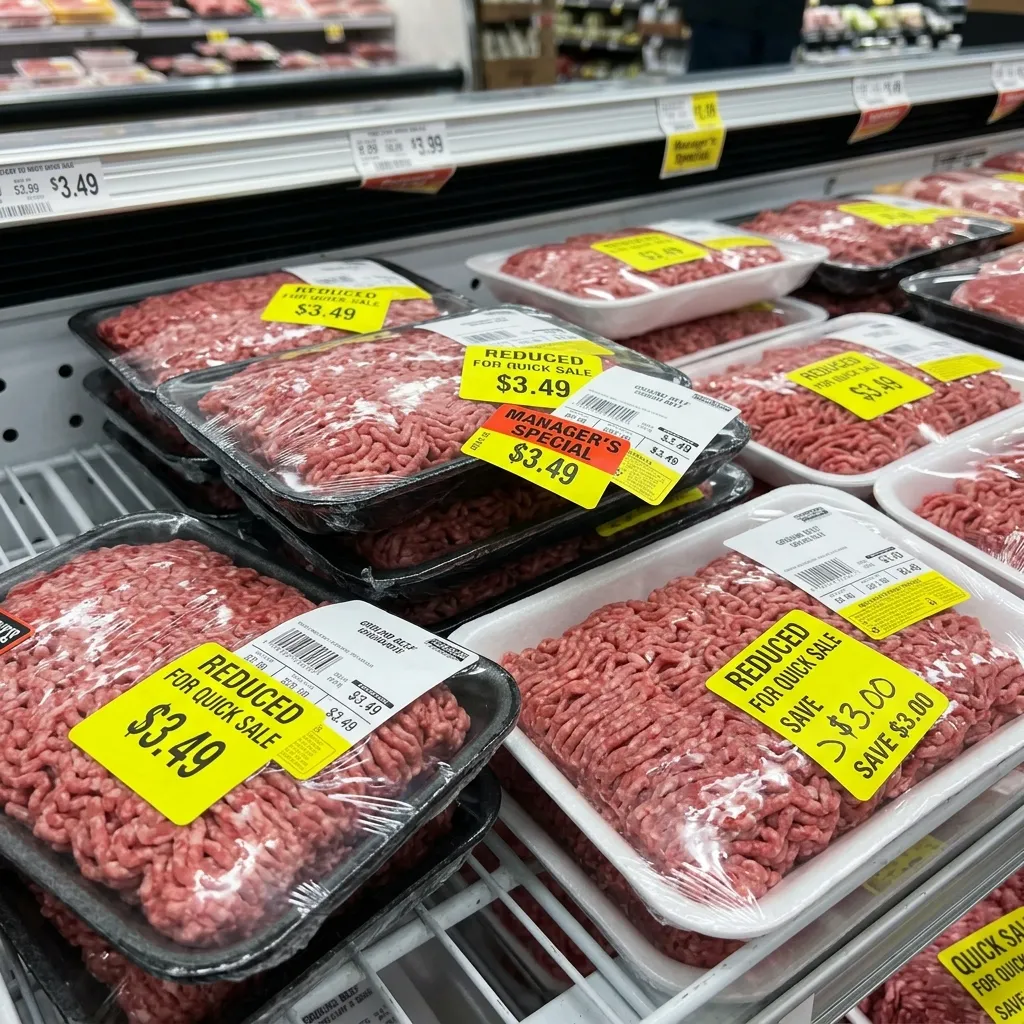
Don’t ignore the “reduced for quick sale” meat and produce sections in your supermarket. Stores mark down high-quality proteins like ground turkey, beef, or chicken when they approach their sell-by dates. Grab these items at dirt-cheap prices and either cook them the same day or transfer them straight to the freezer. Paired with cheap pantry staples like black beans, rice, and salsa, a $1 rack item can easily feed a family for days.
7. Utilize Food Rescue Apps and Suburban Price Gaps
How to Save Money on Groceries Every Week with Smart Sourcing
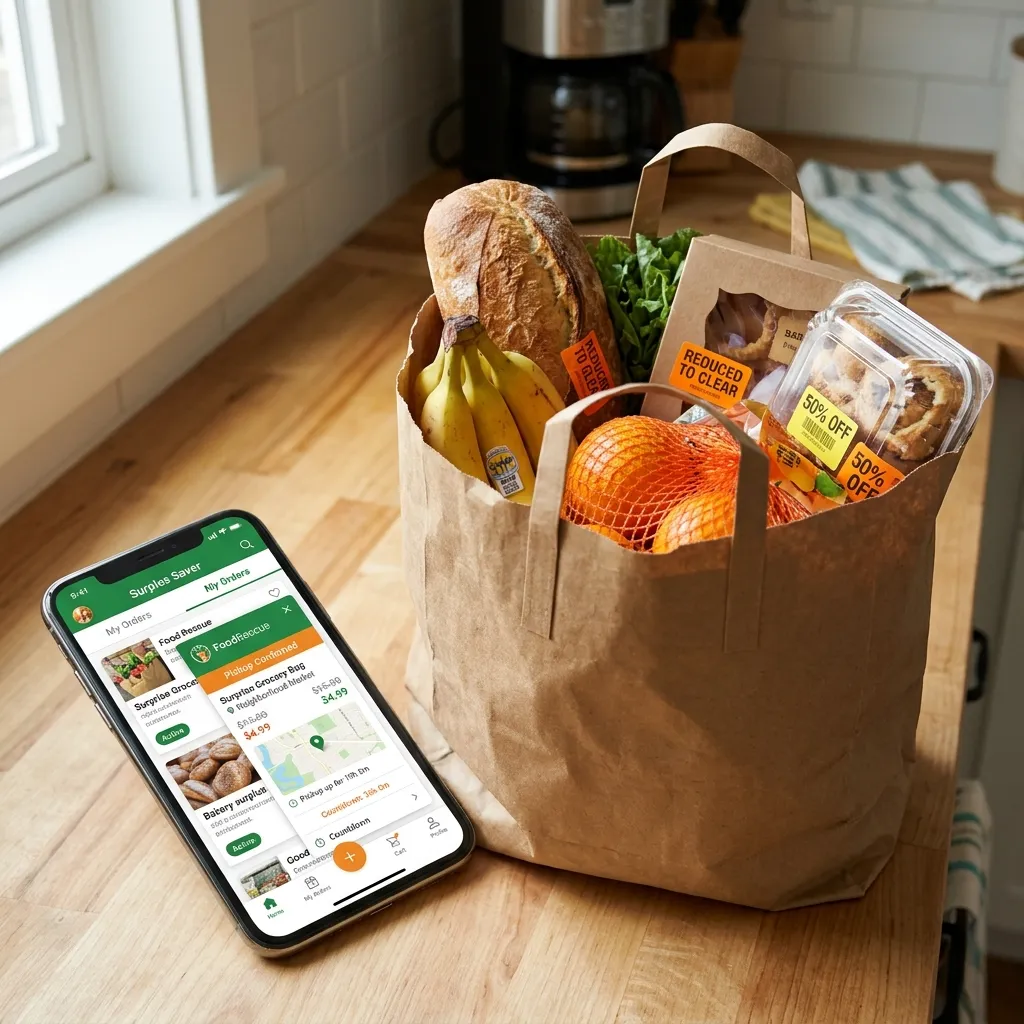
Modern technology makes it easier than ever to save money on food. Apps like Too Good To Go partner with local bakeries, cafes, and grocers to sell surplus food at massive discounts at the end of the day. Furthermore, if you live in a major city center, consider taking occasional trip out to suburban stores. Suburban grocery locations frequently feature lower base prices and better bulk options than urban micro-markets.
8. Master Produce Prep to Eliminate Food Waste
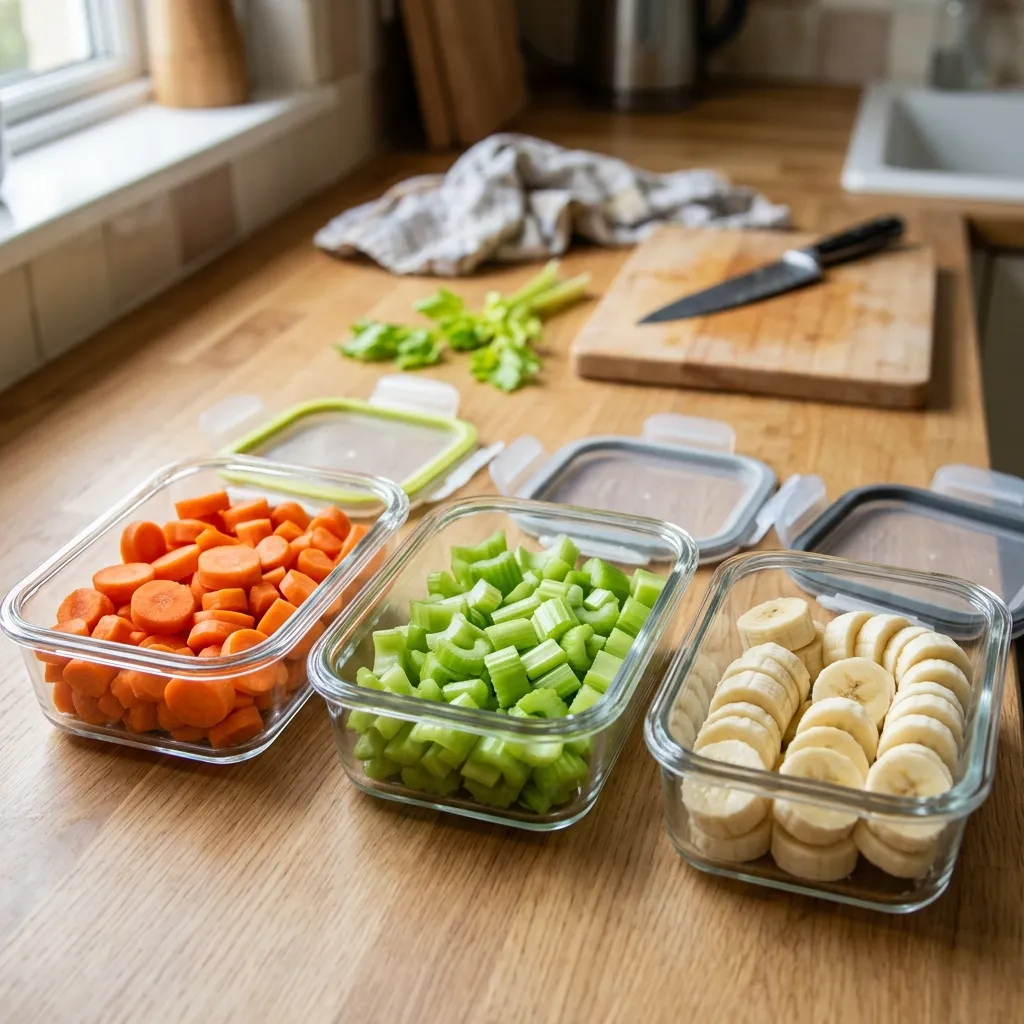
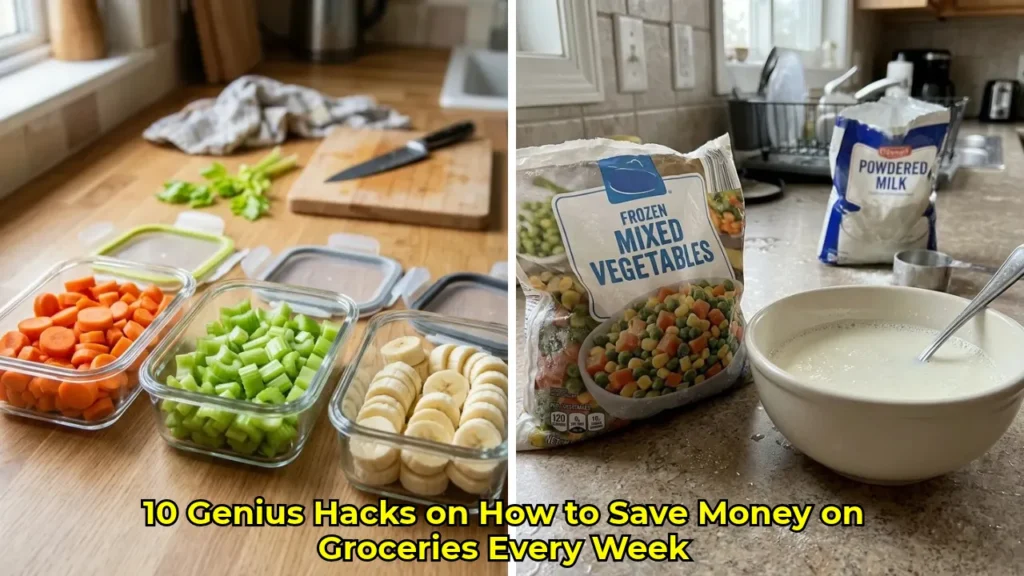
Food waste is one of the biggest hidden drains on your monthly budget. When you bring fresh produce home, spend 15 minutes prepped and washing it. Wash, peel, and chop carrots into snack portions; slice and freeze overripe bananas for smoothies; and store pre-cut veggies in clear containers at eye level in the fridge. When fresh food is ready to eat, you are far more likely to use it before it spoils.
9. Keep Fresh Herbs Alive Longer with an Herb Keeper
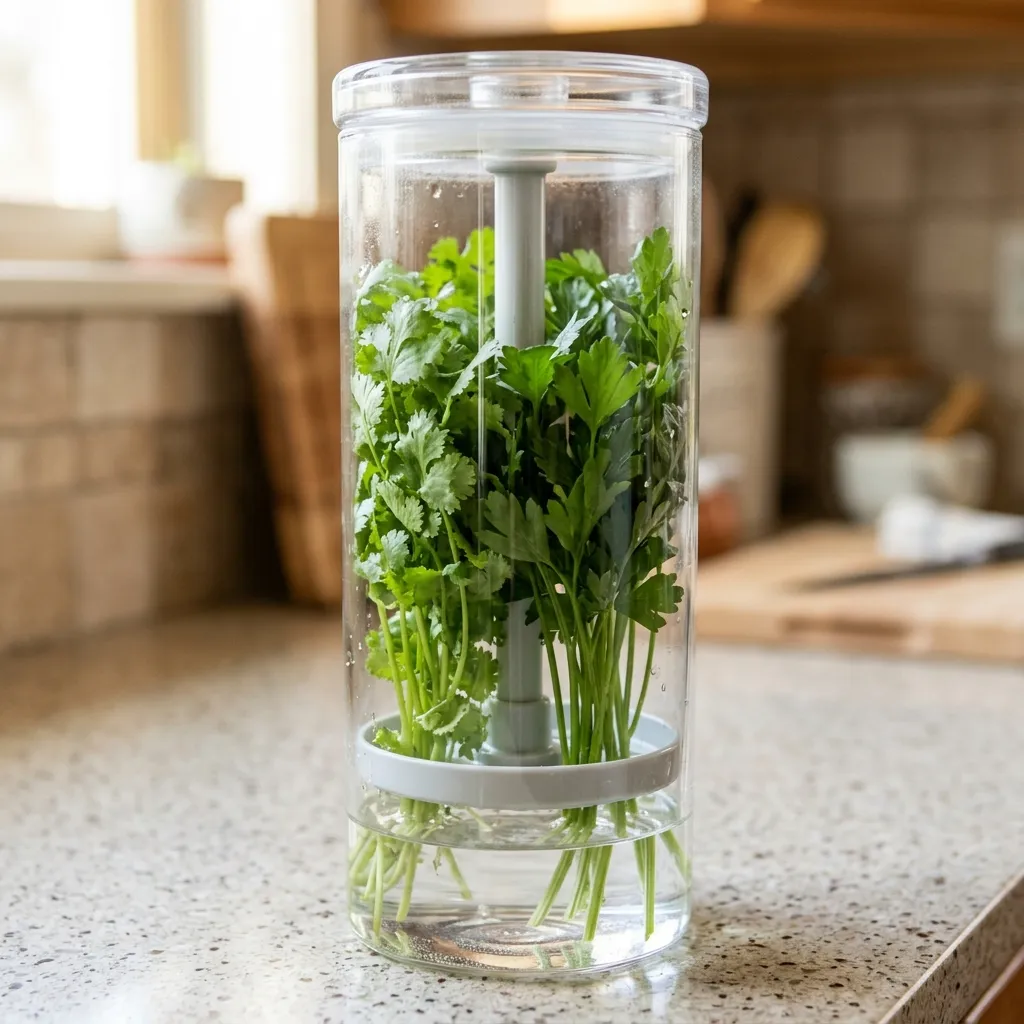
Fresh herbs like cilantro, parsley, and mint often go slimy within three days of purchase. Using a dedicated herb keeper—or simply placing stems upright in a small glass of fresh water inside your fridge—keeps them crisp and fresh for up to three weeks. Changing the water every few days ensures you use every single leaf you paid for.
10. Batch Cook and Freeze Individual Portions
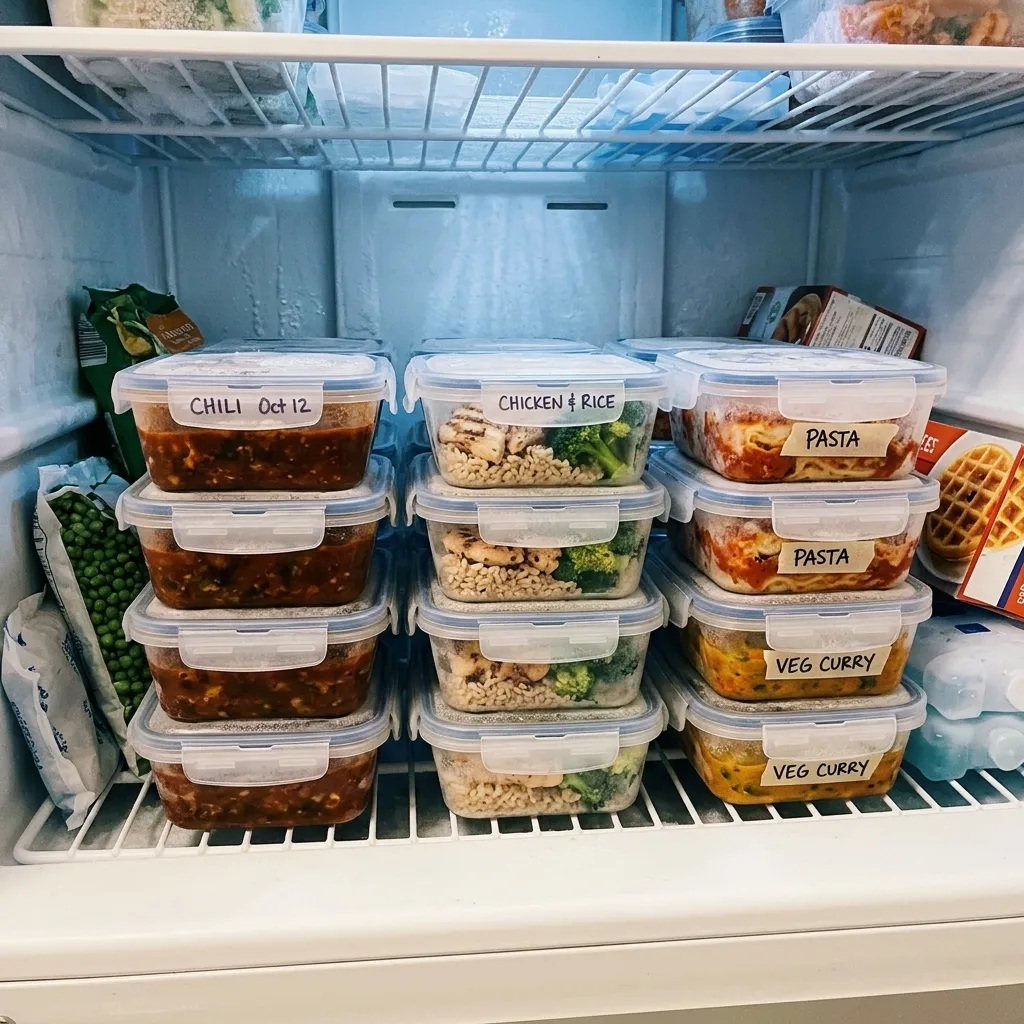
Instead of spending money on expensive, highly processed store-bought frozen dinners, make your own TV dinners from scratch. When you cook meals like lasagna, chili, soups, or curries, portion out leftovers into individual freezer bags or containers. Freeze them flat to maximize storage space. Having delicious homemade meals ready to heat up prevents pricey emergency takeout orders when you are too tired to cook.
Find more stories like this in our Food section.