
“Cut me some curtain bangs” can mean ten different things to ten different stylists. The words that matter are where they start, where they end and how they split. This guide gives you those words, plus 14 styles to screenshot before your appointment.
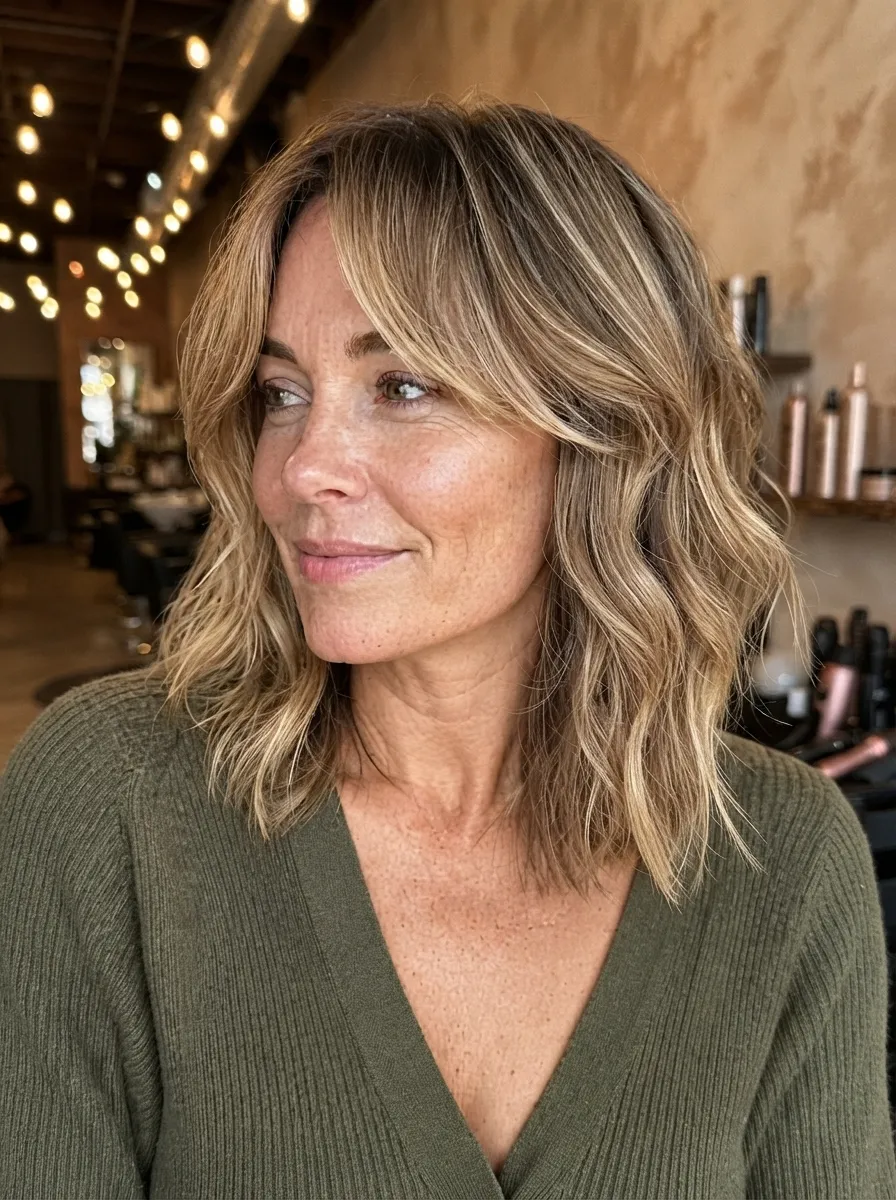
Curtain bangs are longer bangs parted in the middle, or slightly off center, that sweep to each side of the face like open drapes. They usually hit somewhere between the cheekbone and the jaw. Because they blend into the rest of your hair, they are easier to grow out than a blunt fringe.
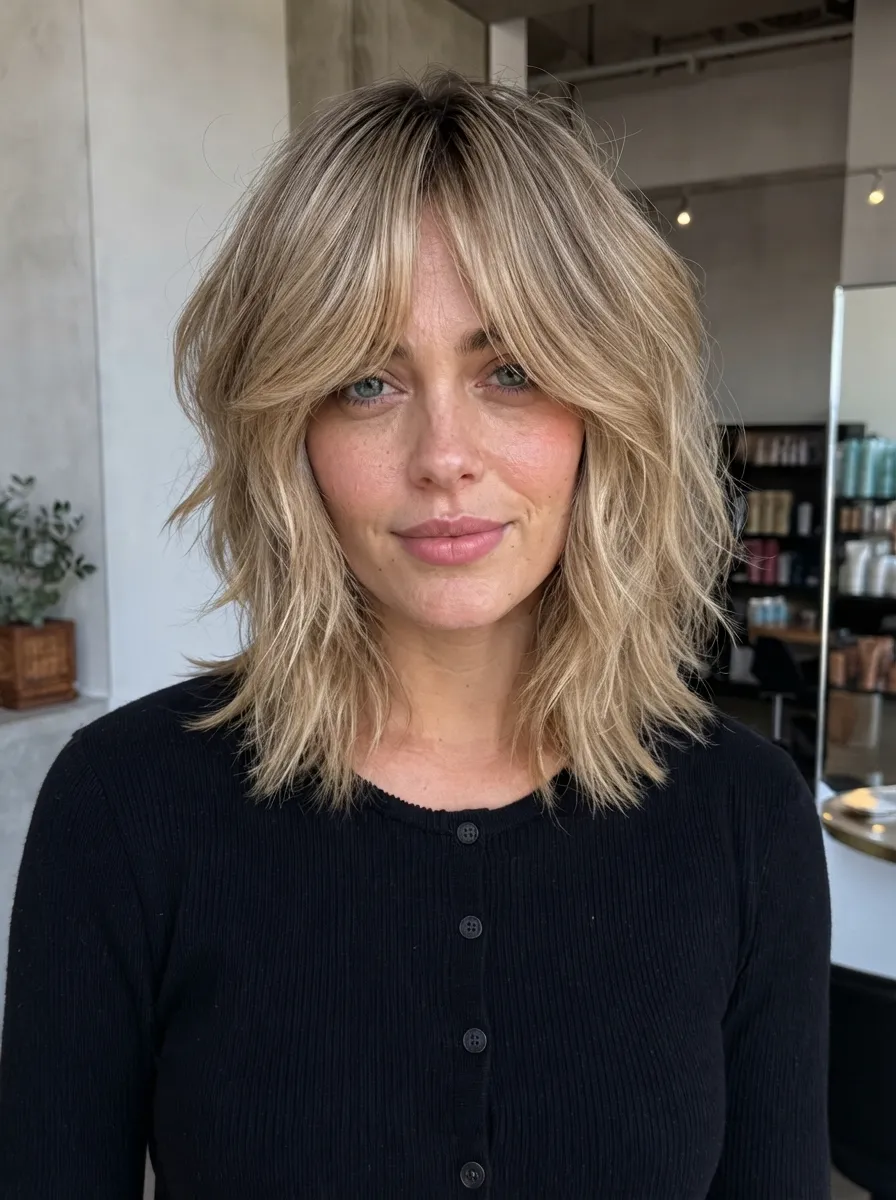
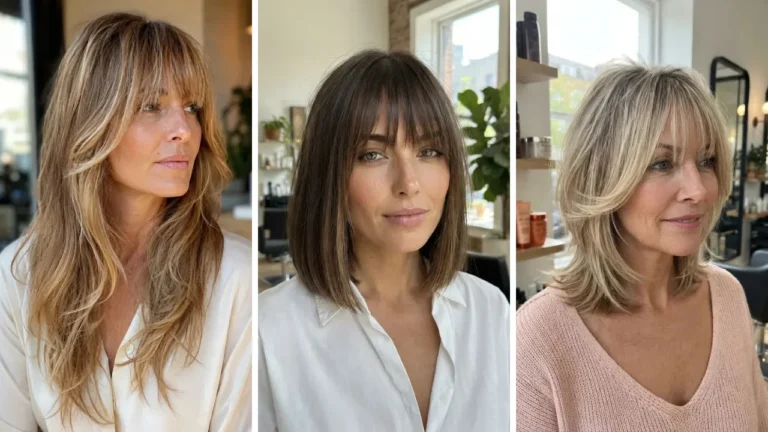
Long curtain bangs that end at the cheekbone are the classic version. They frame the eyes and blend into long layers without much effort. This is the safest starting point if you have never had bangs.
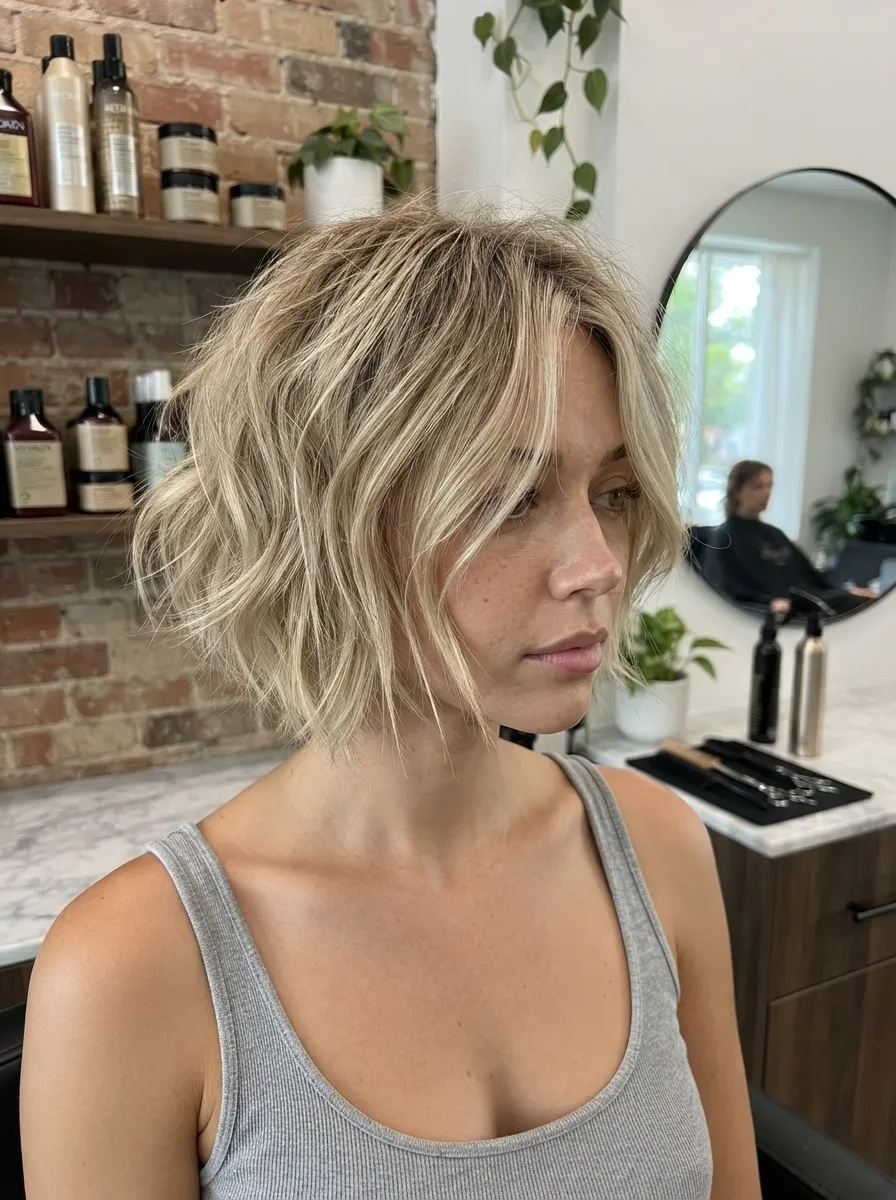
Ask for the shortest piece to hit near your jaw, and the bangs will read more like face framing. You can tuck them behind your ears for work. This length is also a low-risk way to test the look.
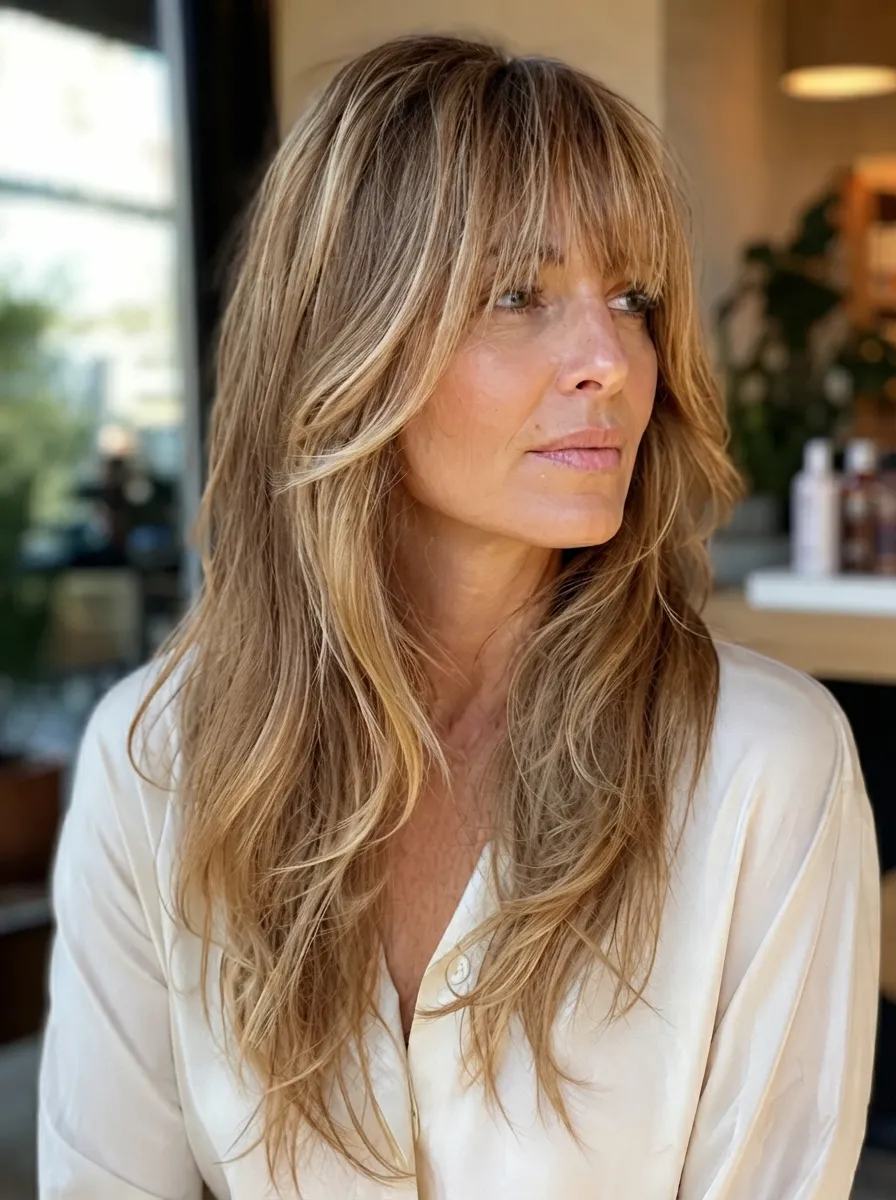
Fewer strands and a lighter cut let your forehead show through. Wispy styles suit fine hair and warm weather, since they feel less heavy. Ask your stylist to take a narrow section, not a deep triangle.
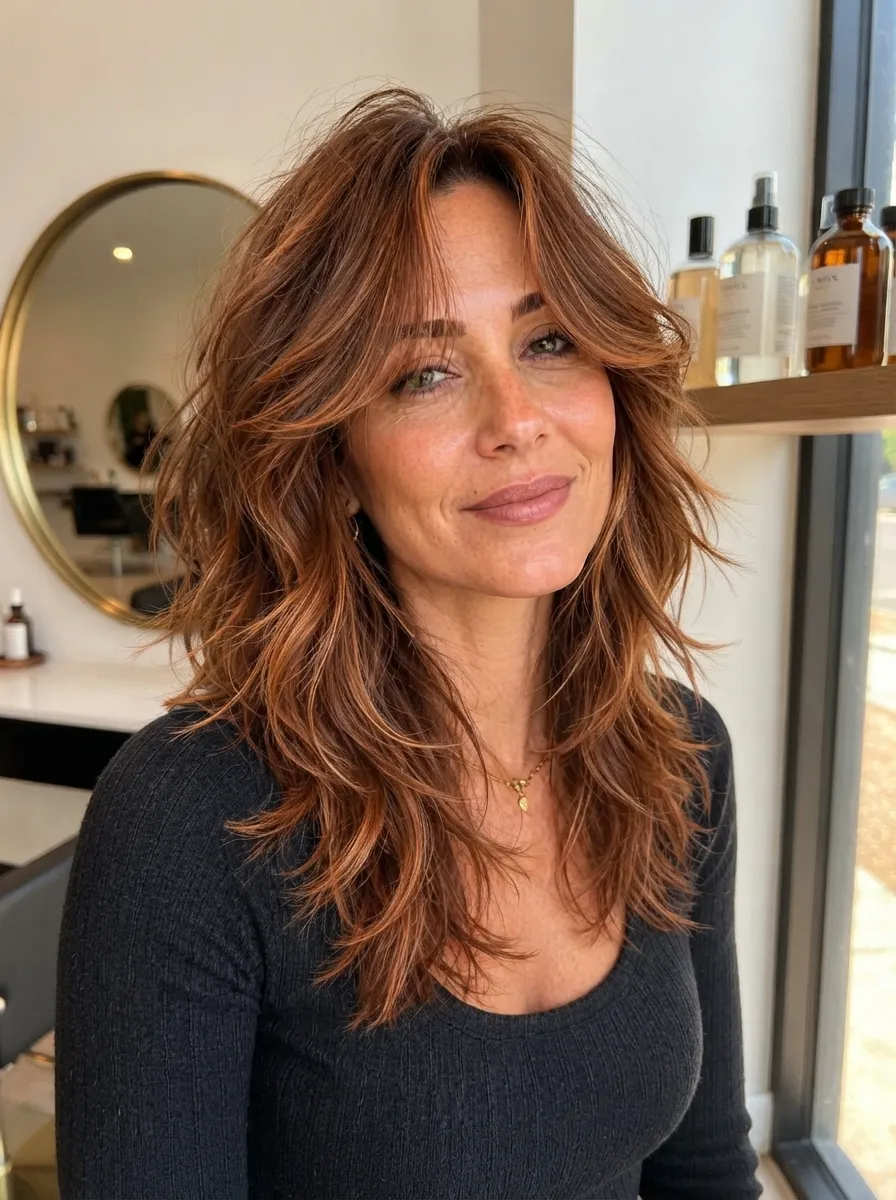
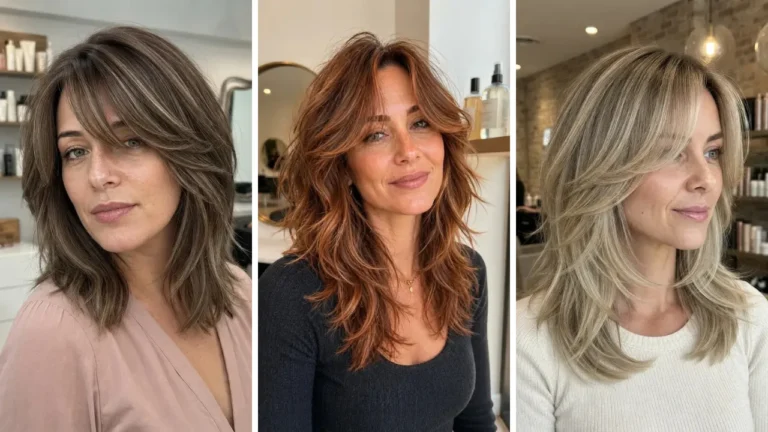
Curtain bangs with layers create that soft, flipped-out shape that moves when you walk. Ask for long layers that start near the collarbone. A round brush and a blow-dryer bring out the full effect.

A shag haircut pairs short crown layers with bangs that melt into the sides. It adds volume to fine or flat hair. Our guide to choppy shag hairstyles for medium hair shows how this shape can vary.

This one is subtle. The bangs blend straight into long face-framing layers, so you get movement without a noticeable fringe. Our layered hairstyles for medium hair post has more cuts in this family.
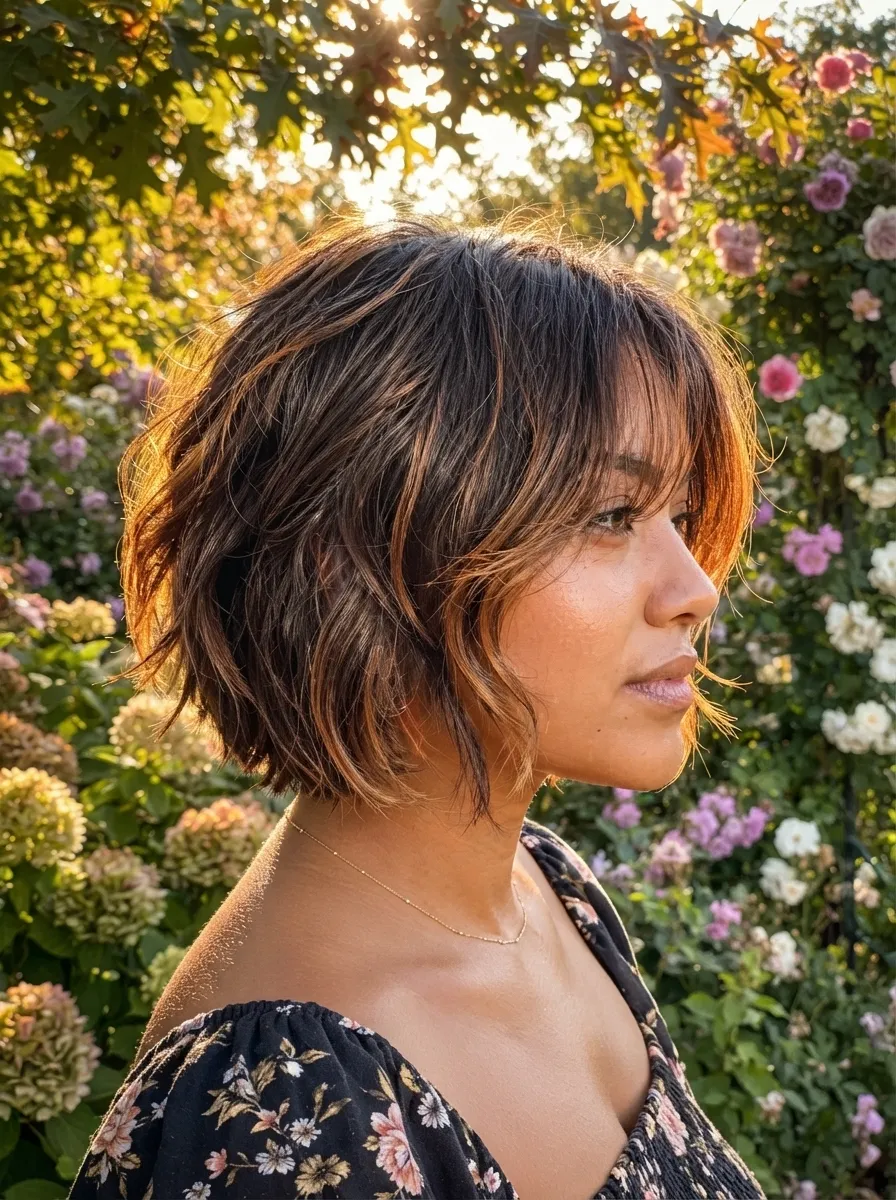
Curtain bangs on short hair give a blunt bob softness around the face. Keep the bangs slightly longer than you think you want, because they will spring up as they dry. See our short layered bob ideas for matching cuts.
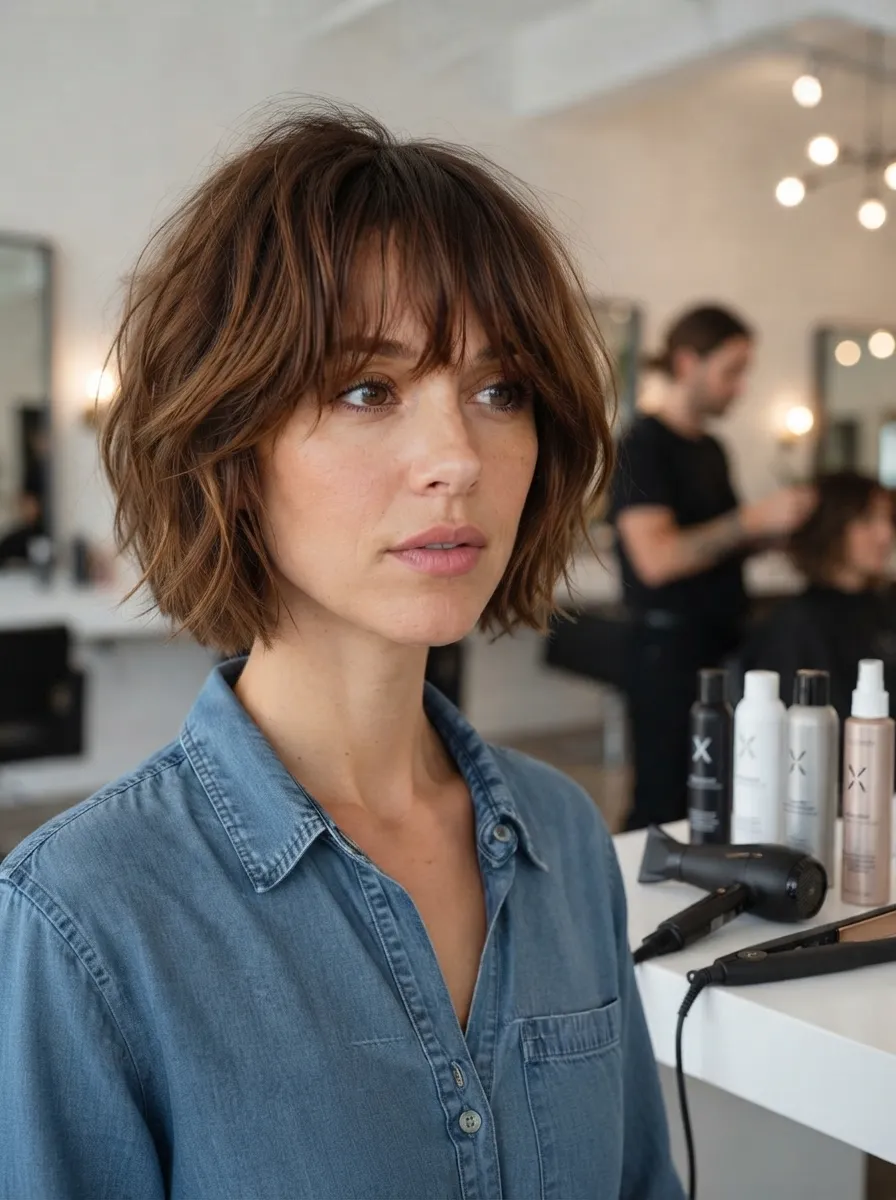
Add curtain bangs to a short shag for texture all over. It is a good pick for wavy hair and takes little daily effort. Our short shag haircuts for fine hair show how layers build volume.
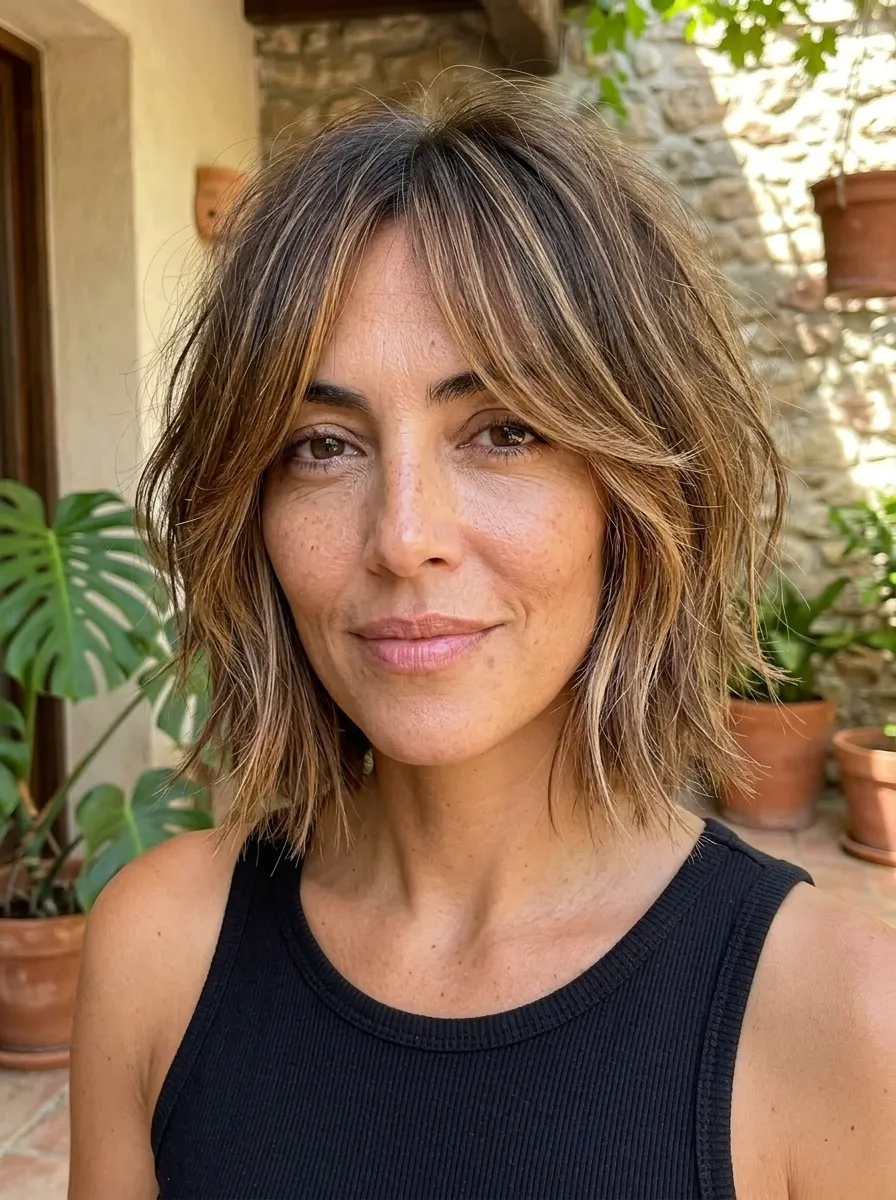
A jaw-length crop with slightly messy curtain bangs has an easy, undone look. Air-dry it with a little texture spray. It works best with some natural bend in the hair.
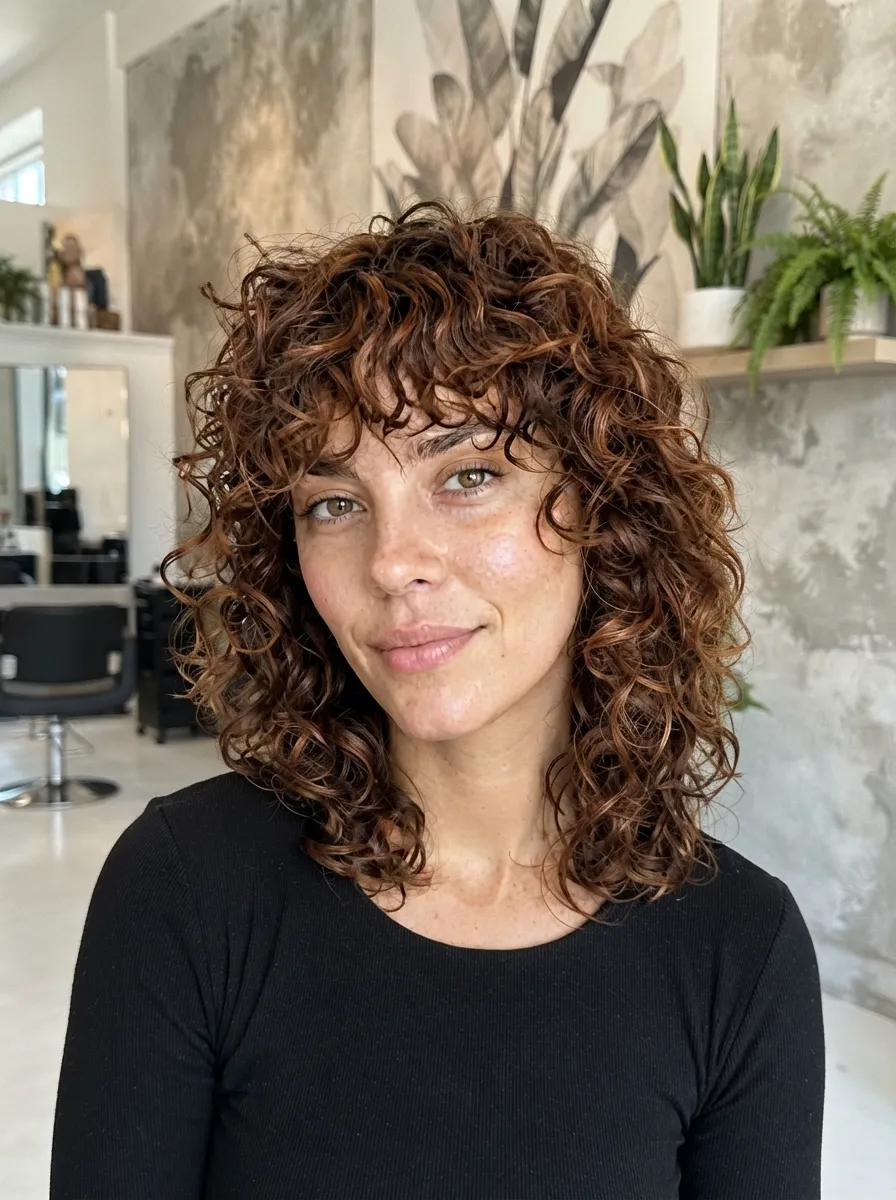
Curtain bangs for curly hair should be cut dry, curl by curl, so the stylist can see how they fall. Ask for a longer starting length, since curls shrink as they dry. Finish with a curl cream and leave them alone while they set.
On coily hair, shape the front into rounded pieces that open at the center. Twist-outs or flexi rods help the shape hold. Ask a stylist with textured hair experience, and browse our natural hairstyles for more ideas.
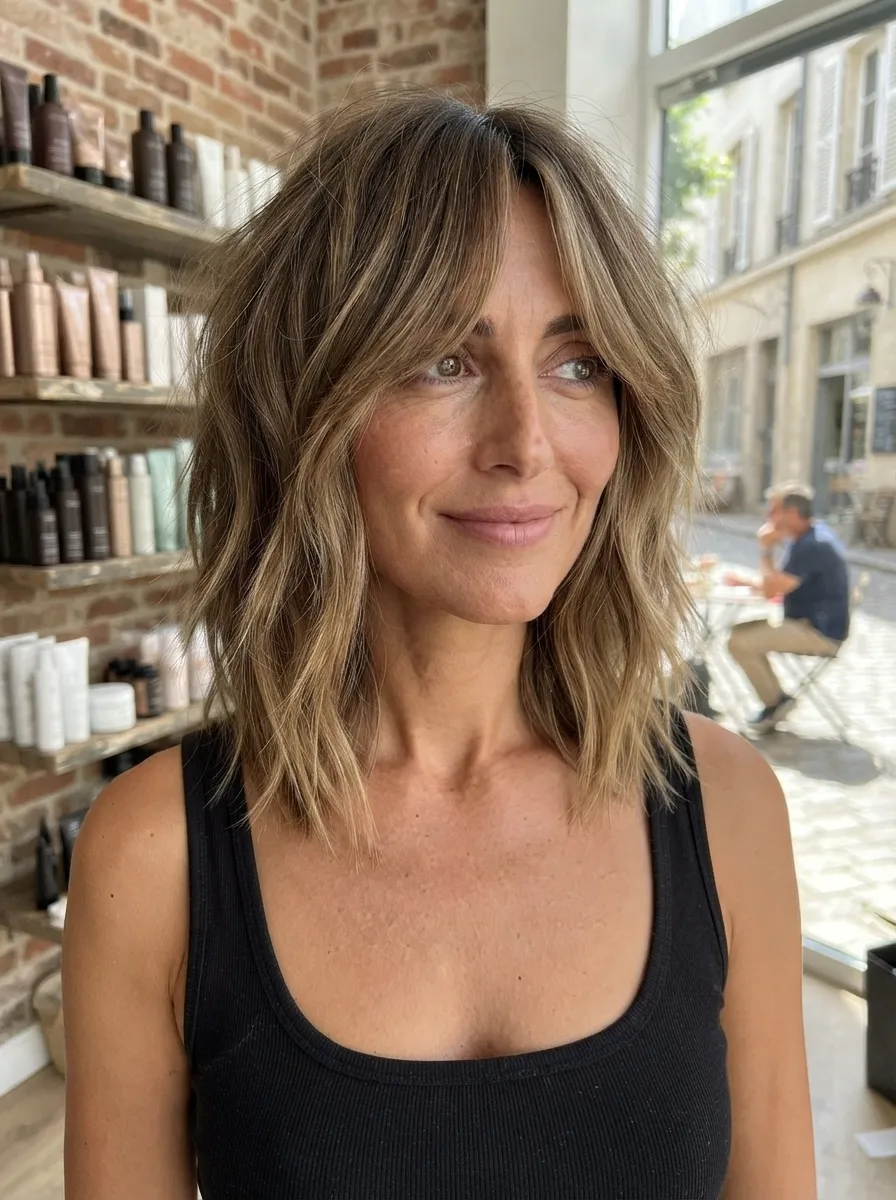
Wavy hair often does half the work. Scrunch the bangs with a light mousse and let them dry with the rest of your hair. A quick pass with a blow-dryer at the root will fix any odd parts.
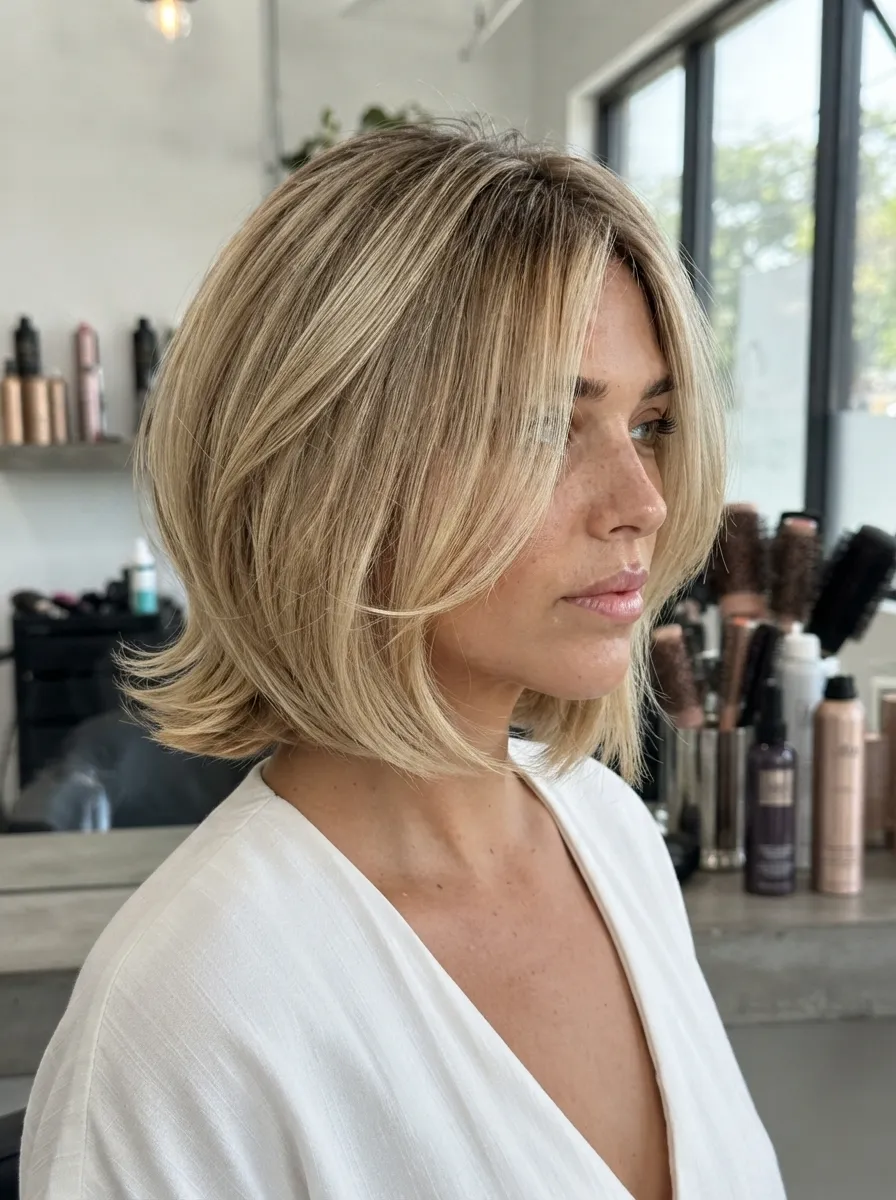
Very straight hair can make curtain bangs fall flat against the face. Use a large round brush to lift them at the root, then sweep them away from the eyes. A touch of dry shampoo keeps them from separating.
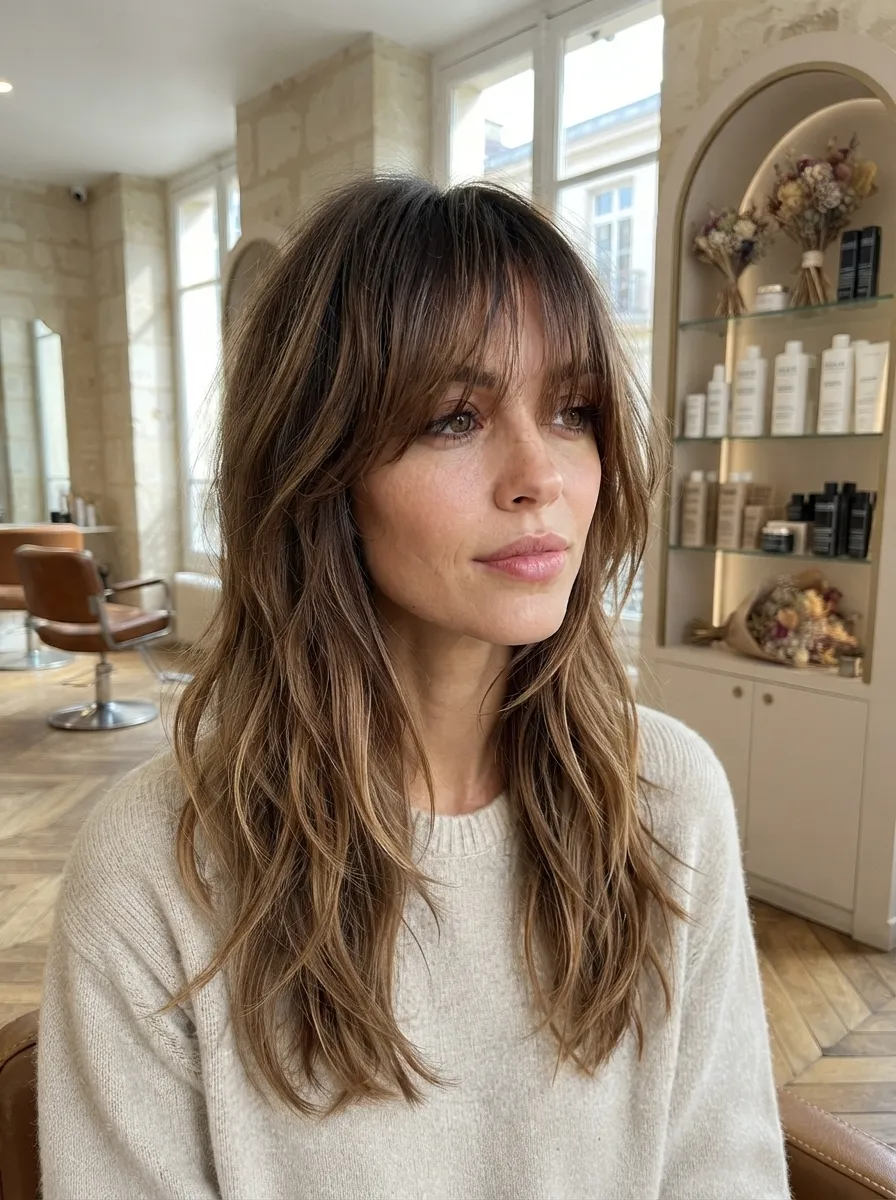
Thick hair can make bangs feel heavy. Ask your stylist to remove some weight with point cutting. The result still looks full but moves more easily.
Cowlick check: Before you commit, pull your wet hair forward and see how it falls. Strong cowlicks at the hairline can push bangs in odd directions, and your stylist needs to see that before cutting.
Bring two or three photos, and use these phrases to make your request clear:
Finish by asking your stylist to start long. They can always take off more once they see the shape dry.
How to style curtain bangs comes down to the first two minutes after you wash your hair. Bangs dry fast, so style them first.
No blow-dryer? Roll each side in a large velcro roller while you do your makeup. Our beauty tips that actually work include more shortcuts like this.
Learning how to cut curtain bangs at home is possible, but a salon is the safer choice for a first cut. Many salons offer bang trims between appointments, so ask yours. If you still want to do it yourself, follow a few rules.
Use proper hair scissors, not kitchen ones. Work on dry, styled hair, because wet hair looks longer than it is. Take a small triangle at the front, and comb it forward. Point your scissors upward and cut small snips into the ends, instead of one straight line. Start well below your target length, since you can always cut more.
If you make a mistake, stop and call your stylist. Fixing it often means blending the bangs into longer layers.
Any face can wear them. Length is the main thing to adjust.
| Face shape | Try this length | Why |
|---|---|---|
| Round | Just below the cheekbone | Creates angles at the sides of the face |
| Square | Soft, jaw-grazing | Softens the corners of the jaw |
| Oval | Almost any length | The balance already suits most fringe |
| Heart | Cheekbone, with a soft sweep | Balances a wider forehead |
| Long | Slightly heavier, at the cheekbone | Shortens the look of the face |
Bangs sit close to your skin, so they pick up oil from your forehead faster than the rest of your hair. On days you skip a full wash, rinse only the bangs in the sink and dry them on their own. It takes a few minutes and makes the whole style look fresh.
Keep a small kit near your mirror: a round brush, a few clips, dry shampoo and a light hairspray. Clip the bangs back while you apply skincare, so product stays out of your hair. If your forehead tends to break out, keep bangs clean and ask a clinician if it continues.
Most people can wear them with the right length and density. Length, width and how the bangs blend all matter. Ask your stylist to check your hairline and cowlicks before cutting.
They usually grow out easily, since they already blend into the sides. Pin them back, tuck them behind your ears, or ask for light face-framing trims along the way.
It depends on how fast your hair grows and how much length you want to keep. Many salons will offer a quick trim between full cuts. Ask yours how they handle it.
Yes. Ask for a narrower, wispy section, so that the rest of your hair keeps its density. Dry shampoo at the root can help them hold shape.
They take less work than a blunt fringe, because they look fine slightly grown out. Most people still spend a couple of minutes styling them each morning.
Written by Scott Marshal. Edited by Abdullah Muneef. Advice reflects general salon practice. Send corrections to info@elitsmedia.com.