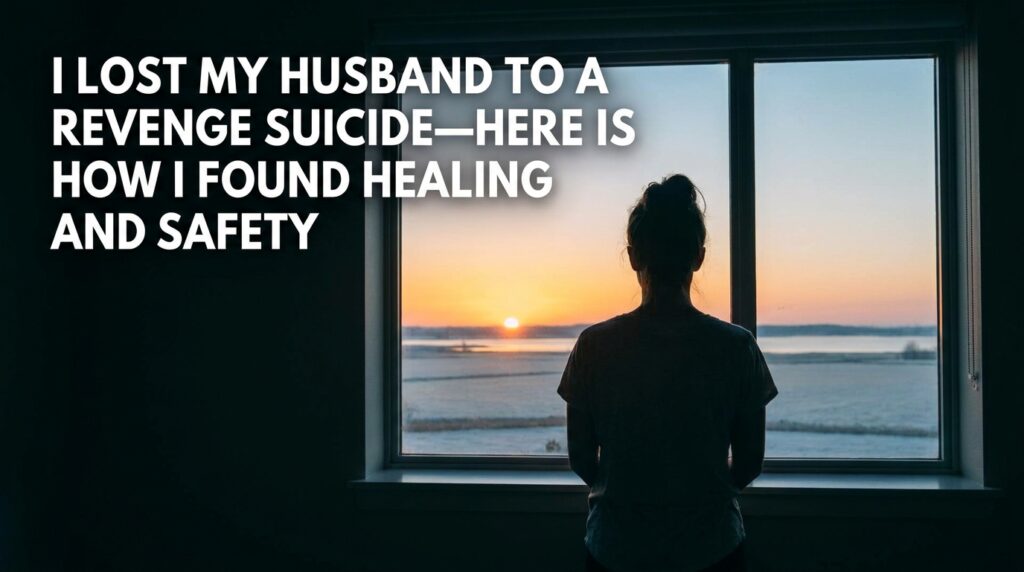
When you imagine the end of a long-term toxic relationship, you might picture tearful goodbyes, signing divorce papers, or the slow, painful fade of growing apart. You almost never imagine the exit ending in an unimaginable, violent nightmare. But for psychotherapist and author Shavaun Scott, ending her 17-year abusive marriage meant facing the unthinkable: surviving a revenge suicide. Her husband died by his own hand on the exact day she finally asked for a divorce.
Now, through her memoir Nightbird, Scott is opening up about the deeply hidden dynamics of psychological abuse. Her mission is to shed light on what it means to be surviving a revenge suicide, offering a beacon of hope, safety, and ultimate healing for anyone feeling trapped in the shadows of a toxic partner.
The Hidden Realities of Intimate Partner Abuse
Abuse doesn’t always look like a lifetime movie. Often, it sneaks in through subtle control, constant manipulation, and gaslighting. For 17 years, Scott lived in a marriage plagued by these unseen scars. As a professional therapist, she knew the clinical definitions of trauma, but living through it is entirely different.
When a partner uses emotional blackmail to maintain dominance, the victim is often left bracing for harm. Escaping this dynamic requires immense courage, and the period around leaving can be especially dangerous, which is why safety planning matters.

What Exactly Is a “Revenge Suicide”?
If you are navigating the complexities of domestic trauma, understanding the extreme endpoints of emotional abuse is crucial.
The Ultimate Act of Control
“Revenge suicide” is a popular term, not a clinical diagnosis. Scott uses it for a suicide that seems intended to punish or control a surviving partner, and it can leave that partner burdened with a lifetime of guilt, trauma, and unresolved moral injury. The message behind it can feel like: If I can’t have you, I will make sure you never forget me. Surviving a revenge suicide means unlearning the guilt that may have been left behind. It requires understanding that you are not responsible for another person’s tragic choices, even when those choices were specifically weaponized against you.

Grieving the Future That Never Was
One of the hardest parts of surviving a revenge suicide is the complicated grief that follows. You aren’t just mourning the loss of a human life; you are mourning the relationship that never truly was.
As Scott points out in her journey to recovery, even toxic relationships come with emotional investments, dreams, and hopes. Allowing yourself to grieve the imaginary future you built in your head is a completely normal—and necessary—part of letting go. Healing involves untangling your identity from the trauma and discovering who you are outside of the abuse.

Essential Safety Steps for Leaving a Toxic Relationship
If you or someone you love is planning to leave a highly controlling or emotionally volatile partner, prioritizing safety is non-negotiable. Here are some general steps to consider:

Establish Physical and Emotional Safety: Before healing can begin, you need a secure environment. Create a concrete safety plan. If you fear retaliation, involve local domestic violence advocates or legal aid to help with protection orders.
Seek Clarity, Not Closure: You may never get an apology. Focus on understanding the patterns of gaslighting and manipulation so you can rebuild your trust in yourself.Lean on Healthy Support Systems: Surviving a revenge suicide or leaving an abusive relationship is not meant to be done alone. Surround yourself with friends, therapists, and support groups who reflect your worth and validate your reality.
Reclaim Your Identity: Reconnect with the hobbies, passions, and joys that your toxic relationship stripped away from you.
If you or someone you know is dealing with domestic abuse or having thoughts of suicide, please call the National Domestic Violence Hotline at 1-800-799-SAFE (7233) or the Suicide and Crisis Lifeline at 988. There is always a path to a different, brighter future.
Sources
This article is for general information and is not medical advice.
Find more stories like this in our Relationships section.