
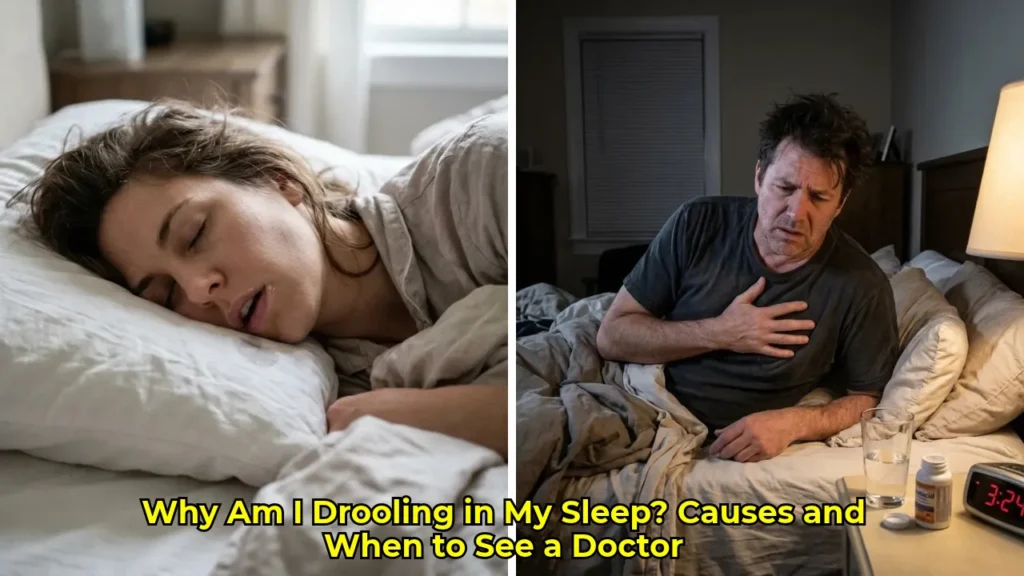
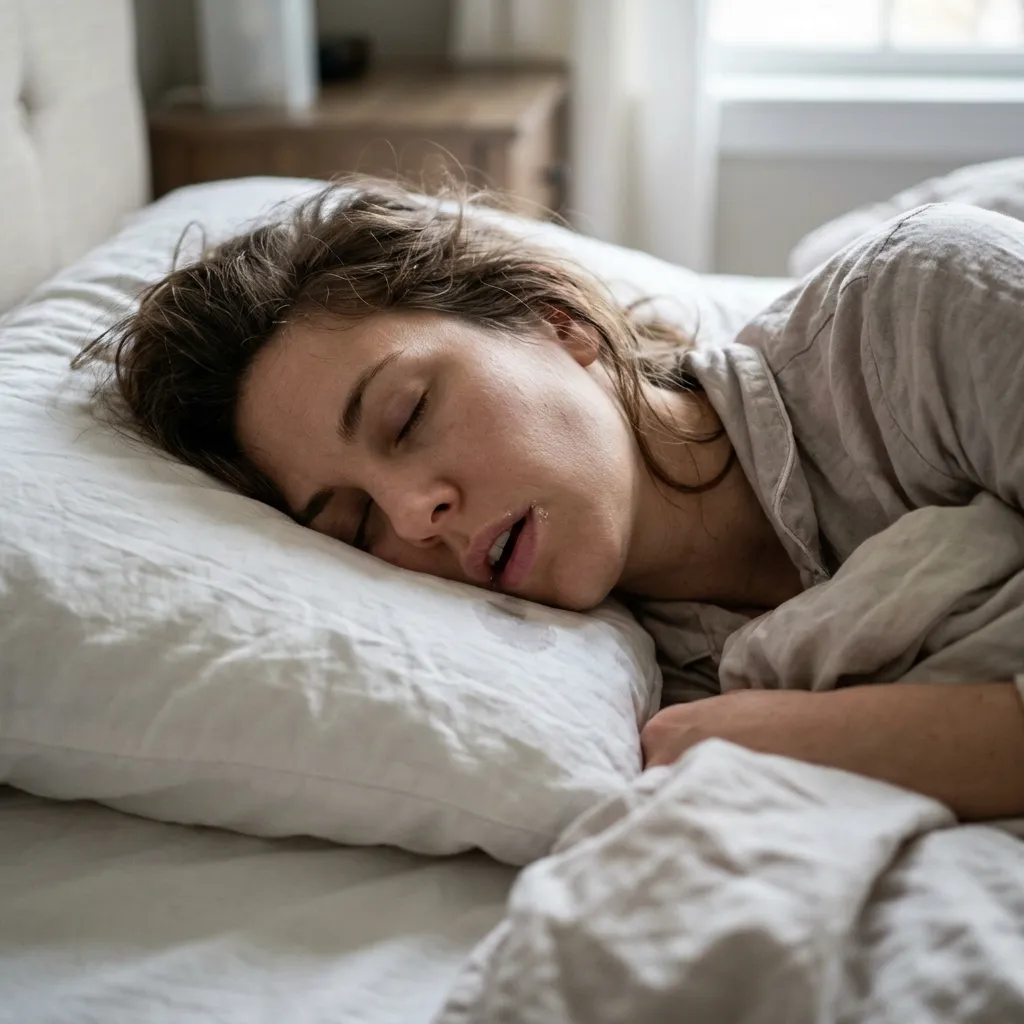
Waking up with a damp pillow and saliva on your cheek can feel embarrassing, but drooling in your sleep is actually a remarkably common experience. For most healthy adults, an occasional puddle of saliva simply means your body is doing its natural job while your mouth remains slightly open. However, persistent or sudden drooling can sometimes point to underlying health issues, sleeping disorders, or medication side effects that deserve a closer look.
Saliva production continues around the clock, yet our swallowing reflex naturally slows down during deep rest. When gravity takes over and your mouth stays unsealed, that excess fluid leaks onto your bedding. Understanding why drooling in your sleep happens allows you to differentiate between a harmless night of deep rest and a symptom that requires medical guidance.
What Causes Frequent Drooling in Your Sleep?
Several factors influence how much saliva stays inside your mouth during the night. From your preferred sleeping position to structural nasal blockages, here are the primary reasons you might be waking up to wet sheets.
Mouth Breathing and Nasal Obstruction
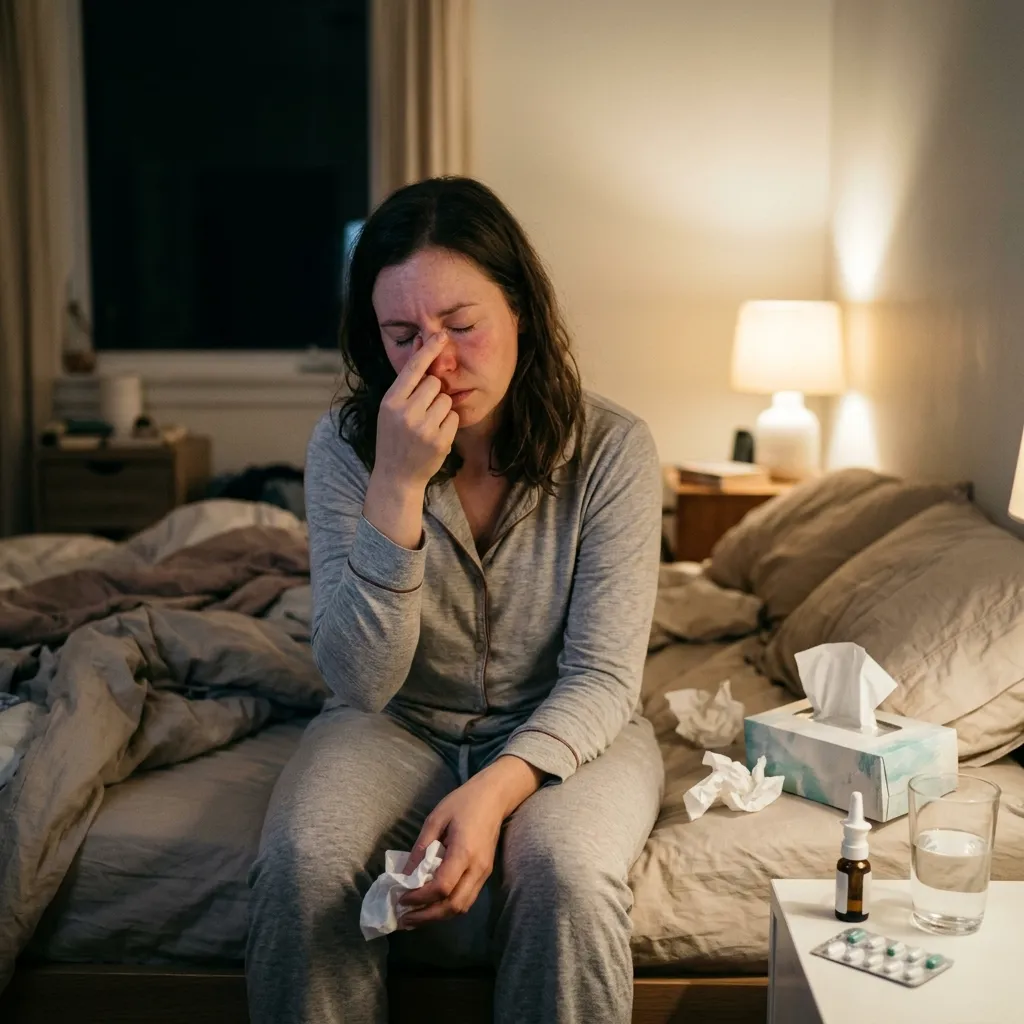
Breathing through your mouth is one of the leading triggers for drooling in your sleep. When nasal passages are clear, air flows smoothly through the nose, which humidifies and filters incoming oxygen. However, if you suffer from seasonal allergies, chronic sinus issues, or a structural issue like a deviated septum, your body automatically switches to mouth breathing.
Mouth breathing quickly dries out your oral tissues. To protect your gums and tongue from drying out, your salivary glands kick into overdrive. That excess saliva easily spills out, especially if your jaw relaxes completely during sleep.
Sleeping Position
Your physical position in bed plays a huge role in gravity-assisted saliva leakage. Back sleepers rarely struggle with wet pillows because gravity naturally pulls saliva down the throat to trigger automatic swallowing. Side and stomach sleepers, on the other hand, position their mouths sideways or downward, creating an easy escape path for saliva.
Sleep Apnea and Breathing Disorders
Obstructive sleep apnea (OSA) causes repeated pauses in breathing throughout the night due to blocked upper airways. People suffering from sleep apnea often gasp for air, snore heavily, and default to chronic mouth breathing. If drooling in your sleep occurs alongside waking up gasping, loud snoring, or severe morning fatigue, an underlying sleep disorder may be the cause.

Acid Reflux and Gastroesophageal Reflux Disease (GERD)
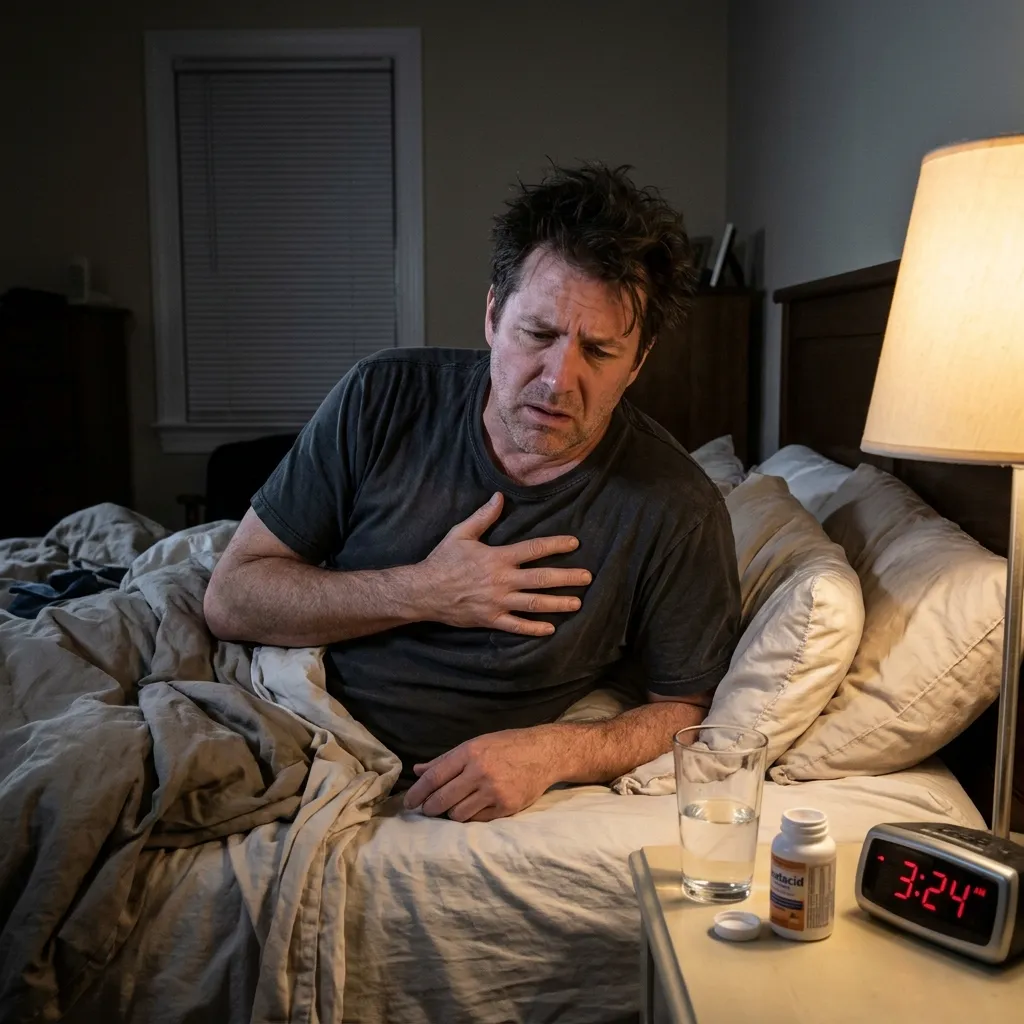
GERD is another condition linked to drooling during sleep. When stomach acid travels upward into the esophagus, it can irritate sensitive tissues, and some people notice extra saliva when lying flat at night.
Dental and Oral Health Conditions
Issues inside your mouth can easily disrupt normal saliva containment. Conditions that lead to extra saliva or improper mouth closure include:
- Malocclusions such as an open bite, where front teeth do not meet
- Mouth ulcers, swollen gums, or active oral infections
- Poorly fitting dentures or new night guards that stimulate excessive salivation
Medical Conditions Linked to Nighttime Saliva Production
Beyond everyday habits and minor nasal congestion, certain underlying medical factors can affect how your nervous system and muscles manage saliva.
Neurological Factors and Muscle Control
As we age, or due to specific neurological conditions, the facial muscles responsible for keeping the mouth closed and controlling the swallowing reflex can weaken. Neurological conditions like Parkinson’s disease, ALS, or recovery from a stroke can severely impair automatic swallowing during sleep, leading to persistent nighttime drooling.
Side Effects of Common Medications
Some medications can affect saliva production or swallowing. If your drooling started after a new prescription or a dose change, mention it to your doctor or pharmacist.

Important Safety Note: Never stop taking a prescribed medication abruptly if you suspect it causes excess salivation. Always talk to your prescribing doctor first.
When to See a Doctor About Drooling in Your Sleep
Occasional drooling is completely normal and harmless. However, you should schedule a visit with a healthcare professional if you notice sudden, severe changes in your sleep patterns or saliva production.

Red Flag Symptoms
Contact a physician promptly if nighttime salivation is accompanied by any of the following warning signs:
- Sudden onset of heavy, uncontrollable saliva leakage
- Frequent choking, coughing, or gasping during sleep
- Difficulty swallowing foods, liquids, or pills during daytime hours
- Skin irritation or painful rashes around the corners of the mouth
- Unexplained weight loss or recurrent chest infections
Emergency Warning: If sudden drooling occurs alongside facial drooping, slurred speech, or weakness on one side of the body, get urgent medical attention, as these can be signs of a medical emergency.
Actionable Tips to Reduce Saliva Leakage
If your physician confirms that your saliva production is not tied to a serious health issue, simple lifestyle adjustments can help keep your pillow dry:

- Shift to Back Sleeping: Train yourself to sleep on your back so gravity naturally aids the swallowing reflex.
- Treat Nasal Congestion: Use saline rinses, steam inhalation, or nasal strips to clear airways before bedtime.
- Elevate Your Head: Prop up your head with an extra pillow to help with acid reflux.
- Maintain Good Sleep Hygiene: Avoid heavy meals and alcohol close to bedtime.
Questions to Ask Your Healthcare Provider
To get the most out of your medical appointment, bring a list of targeted questions regarding drooling in your sleep:
- Is my saliva leakage tied to an underlying nasal or throat obstruction?
- Could my current prescription medications or dosages be contributing to the issue?
- Am I showing symptoms of a sleep disorder like obstructive sleep apnea?
- Do I need a referral to a specialist, such as an ENT doctor, a sleep clinic, or a dentist?
- What safe home remedies or sleeping adjustments do you recommend for my specific situation?
This article is for general information and is not medical advice.
Find more stories like this in our Health and Wellness section.