


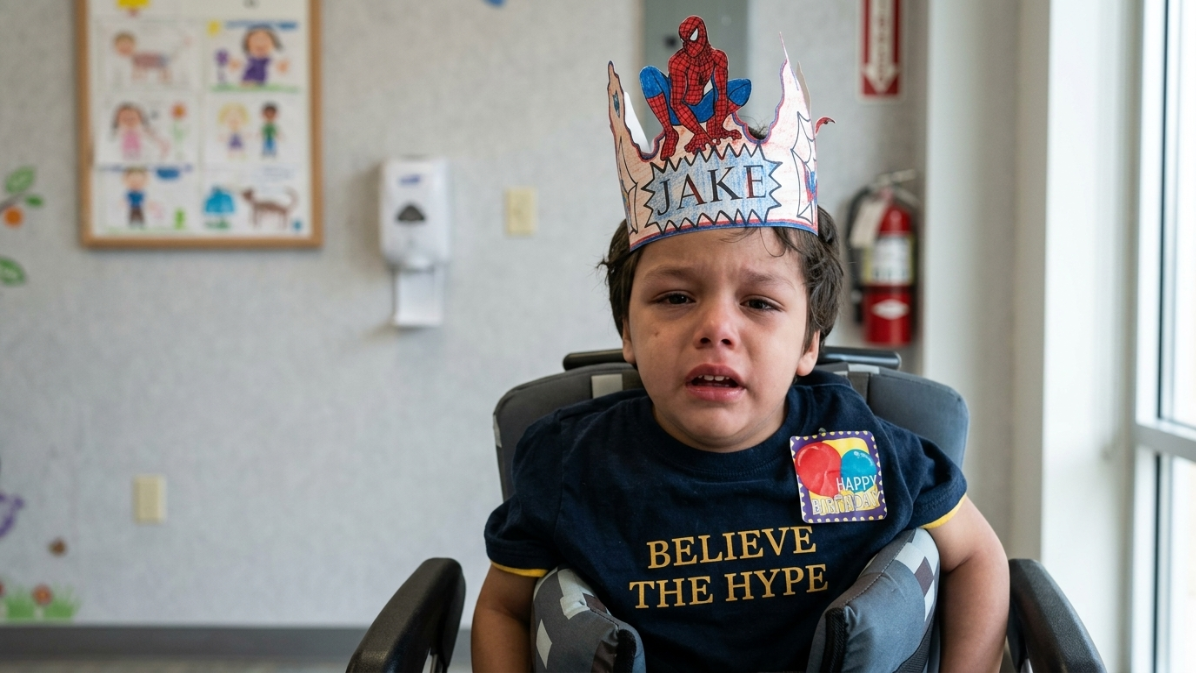
It’s a simple, instinctive question. It’s the phrase that slips out of our mouths when we hear the devastating news that a young life has been cut short. We ask it because our brains crave logic, order, and a reason to believe that the world is inherently safe.
But for me, fifteen years after losing my four-year-old son, Jake, that seemingly innocent question remains an absolute emotional minefield.
When you are grieving the loss of a child, people expect a tidy medical explanation. They want a diagnostic label they can look up, process, and file away. But I don’t have one. I don’t know why my vibrant, healthy baby boy suddenly vanished into a medical mystery. I don’t know why he never recovered. And to this day, I don’t truly know why he died.
The Split-Second Shift Into a Medical Mystery
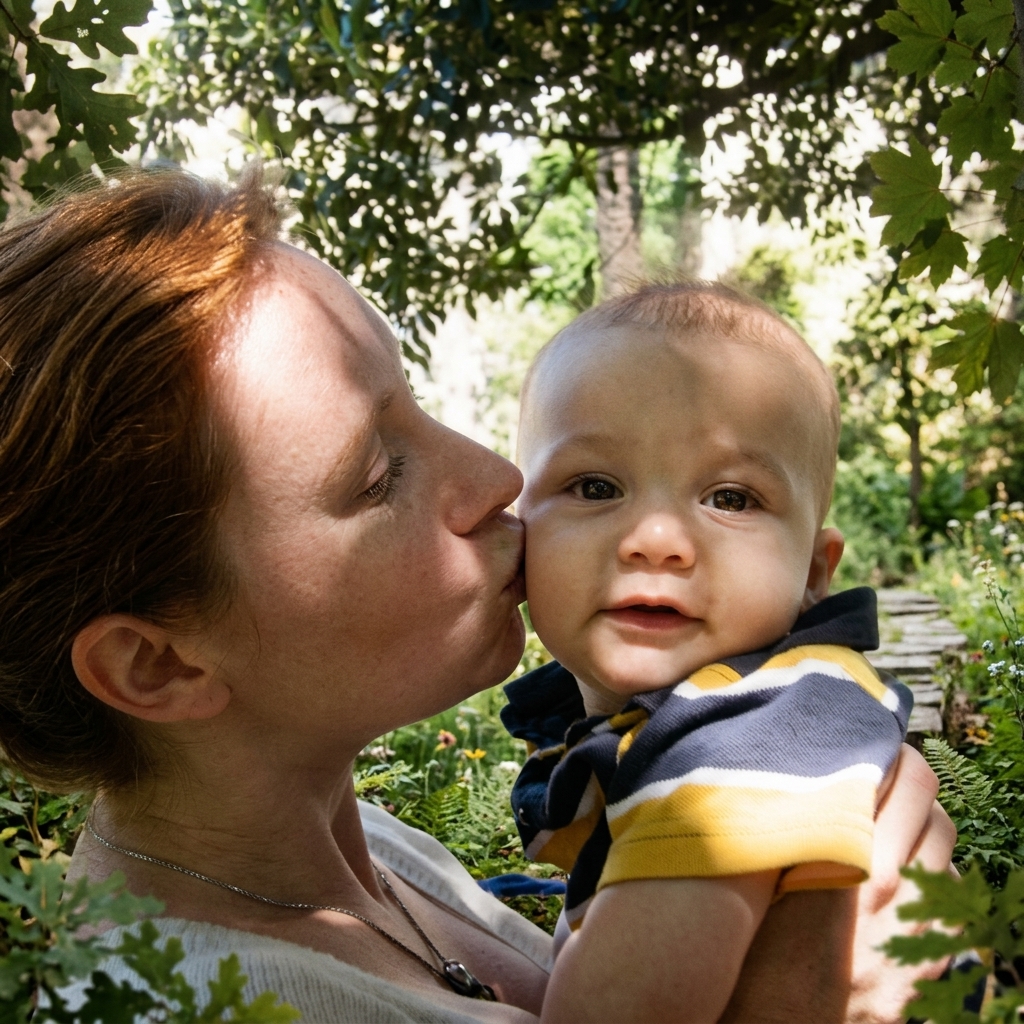
For the first eight months of his life, Jake was thriving. He hit every milestone early, charmed everyone he met, and passed every checkup with flying colors. His health wasn’t just good; it was perfect. Which is why what happened next shattered our reality in a split second.
It started on the morning of January 21, 2007. I noticed a tiny, rhythmic twitching in Jake’s hand. My husband thought it might just be a minor muscle spasm, but a mother’s intuition is a fierce thing—my gut told me it was something much worse.
We rushed to the emergency room, where that subtle twitch was diagnosed as a seizure. Like most people, we thought seizures meant dramatic, full-body convulsions. We had no idea a tiny flutter of the hand could signal a catastrophic neurological shift.
During that terrifying night in the ER, Jake was still entirely himself. He flirted with the nurses, grinned, and giggled. I had no way of knowing that those smiles would be his last. Within 24 hours, Jake lost the ability to sit up, crawl, roll over, or feed himself.
Read More: Grieving an Estranged Father: Coping with Complex Loss
117 Days, Top Doctors, and Zero Answers
That single seizure spiraled into a grueling 117-day admission at Boston Children’s Hospital. Our lives were completely upended. Jake was placed on a feeding tube, and the bright, expressive little boy we knew was trapped behind an impenetrable medical wall.
Every two weeks, a new attending physician took over his case. At first, we viewed this rotation as a beacon of hope—surely a fresh set of world-class eyes would solve the puzzle. But the answers never came.
“Six weeks into our stay, a doctor told us something that stuck with me forever: we might never get a diagnosis. He told us to celebrate every negative test result, because the alternatives they were testing for were rare, fatal, and agonizing. I tried to find comfort in that, but grieving the loss of a child while they are still lying in a hospital bed is a lonely, confusing purgatory.”
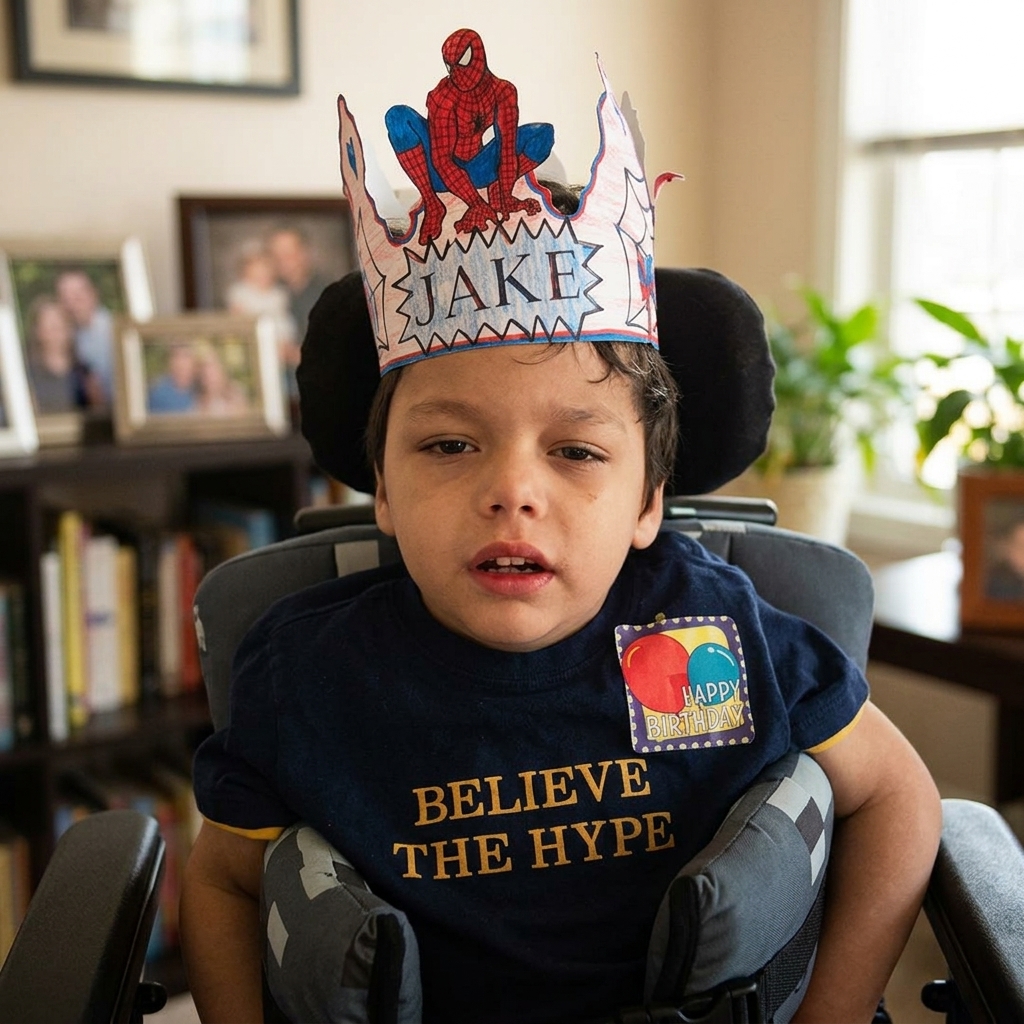
We eventually went home with a profoundly disabled child, an arsenal of medical equipment, and a calendar packed with physical, occupational, and speech therapies. Every new specialist, well-meaning friend, and distant relative asked the exact same thing: What happened?
How do you answer that when the best pediatric specialists in the country are left scratching their heads? How do you make peace with a world where your entire life can disintegrate for absolutely no reason at all?
The Headline vs. The Real Story
Jake fought fiercely against his nameless illness for four years. We experienced beautiful peaks—like the days he grew strong enough to ride his favorite toy fire truck—and terrifying valleys, like the night he fractured his femur just by turning in his sleep.
Then came December 8, 2010. It was a perfectly ordinary Wednesday. Jake had spent the afternoon playing happily. But that evening, while I was feeding him dinner, he aspirated. Despite paramedics arriving within minutes, we couldn’t bring him back.
His death certificate lists the cause of death as aspiration. But that’s just a clinical headline; it doesn’t capture the epic four-year battle that preceded it.
When people press for details, the lack of a clear medical answer leaves me feeling exposed and quietly judged. How can a mother not know what killed her own child? Did I fail to protect him? To keep the awkwardness at bay, I developed a clinical, rehearsed script: “He had a sudden seizure at eight months. No diagnosis. We spent months in the hospital.”
Read More: Healing Mother-Daughter Relationships: Overcoming Resentment
“It Doesn’t Matter”: Reclaiming My Story
Recently, a close friend told me about a widow who lost her husband in a sudden accident. Whenever people pried into the tragic details by asking what happened, she would simply look them in the eye and say: “It doesn’t matter.”
Hearing that was a revelation. It had never occurred to me that I was allowed to opt out of the conversation. I had spent fifteen years being polite, managing other people’s discomfort, and trying to provide answers I didn’t possess just so they could feel less confused by tragedy.
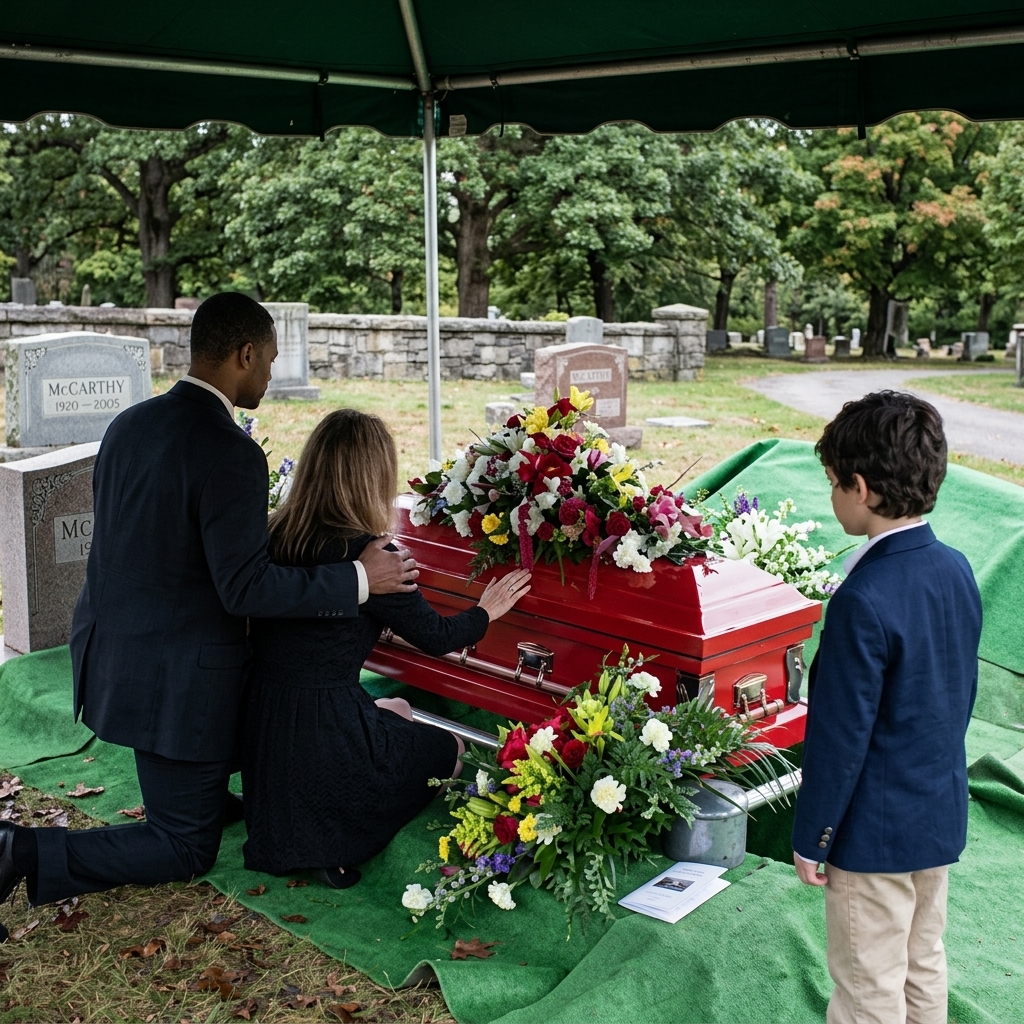
But the truth is, the medical logistics don’t matter anymore. There will never be a diagnosis. There is no closure hidden in a medical textbook.
When you are navigating life after grieving the loss of a child, you realize that your story belongs entirely to you. It is not your job to packages your trauma into something digestible for curious onlookers.
I don’t want to talk about how Jake died anymore. I want to talk about how he lived. I want to tell people about the little boy who loved his red fire truck, who brought immense joy to our home, and whose favorite t-shirt proudly declared, “Believe the hype.”
Those are the stories that matter. And those are the questions I will happily answer for the rest of my days.