
Travel shows how other countries have solved everyday problems Americans simply accept. These things the US should adopt from other countries range from tax-inclusive pricing and gap-free bathroom stalls to high-speed rail, heated sidewalks and underground trash tubes. Here are 23 ideas, from big public policies to small daily conveniences.
Better Everyday Shopping
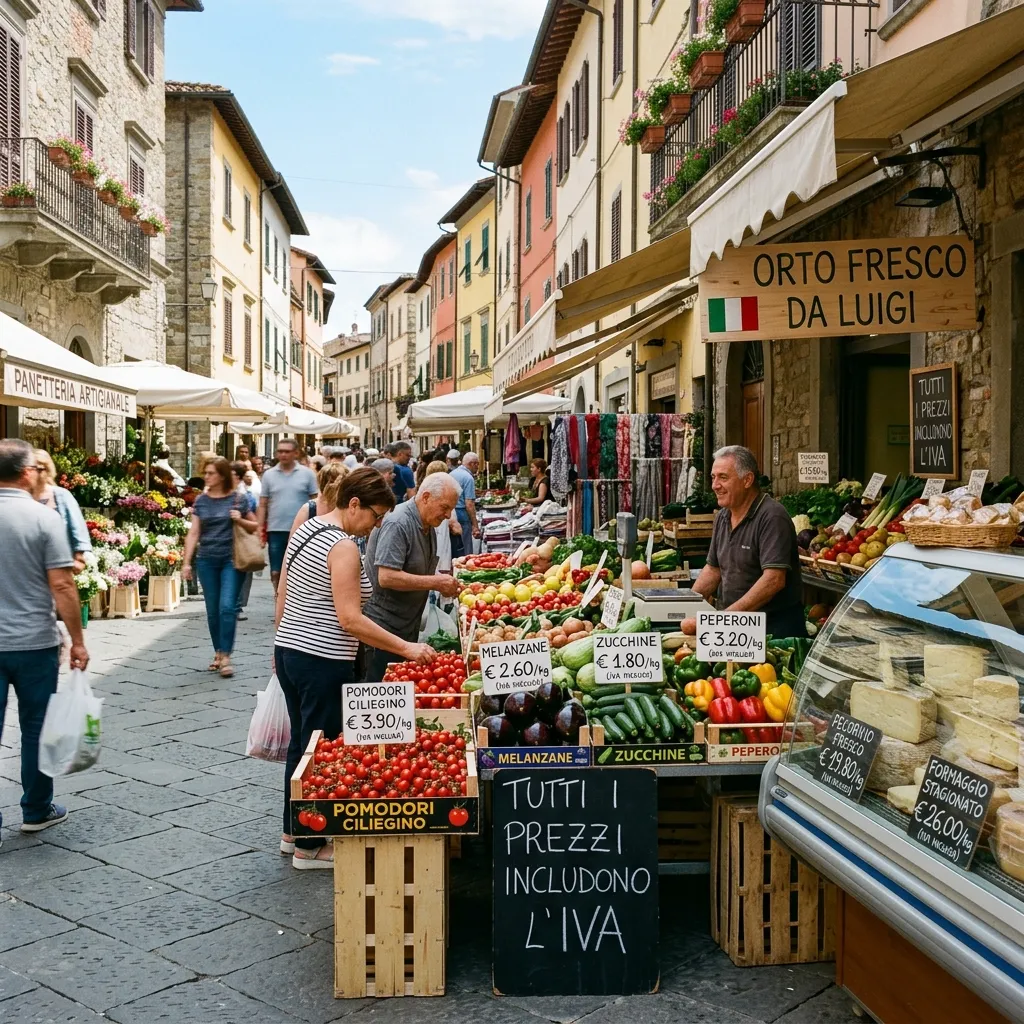
1. Tax-Inclusive Pricing
In the United States, sales tax is usually added at the register. As an illustration, a $10 item might ring up as $10.88. Across Europe, Asia and Australia, the price on the tag is the amount you pay, because the tax is already built in. Displaying the full price up front would end the mental math at checkout and make everyday budgeting simpler.
2. Convenience Stores That Do Far More
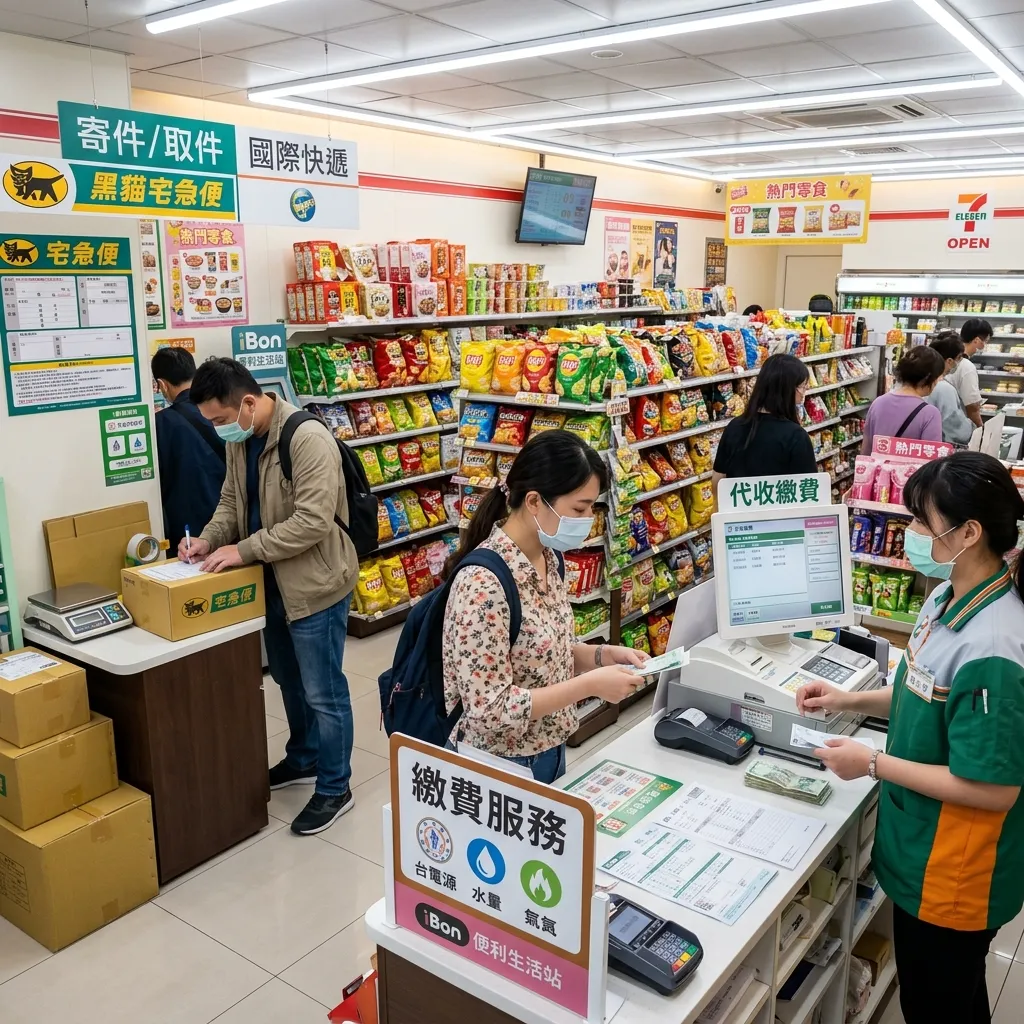
A stop at a 7-Eleven or Lawson in Japan turns up chef-prepared meals, fresh egg salad sandwiches, hot broth dishes and freshly brewed coffee. In Taiwan, the same kind of store also lets you pay bills and ship packages at the counter. American convenience stores could offer far more than gas station snacks if they borrowed from both.
Better Bathrooms
3. Full-Length Stall Doors Without Gaps
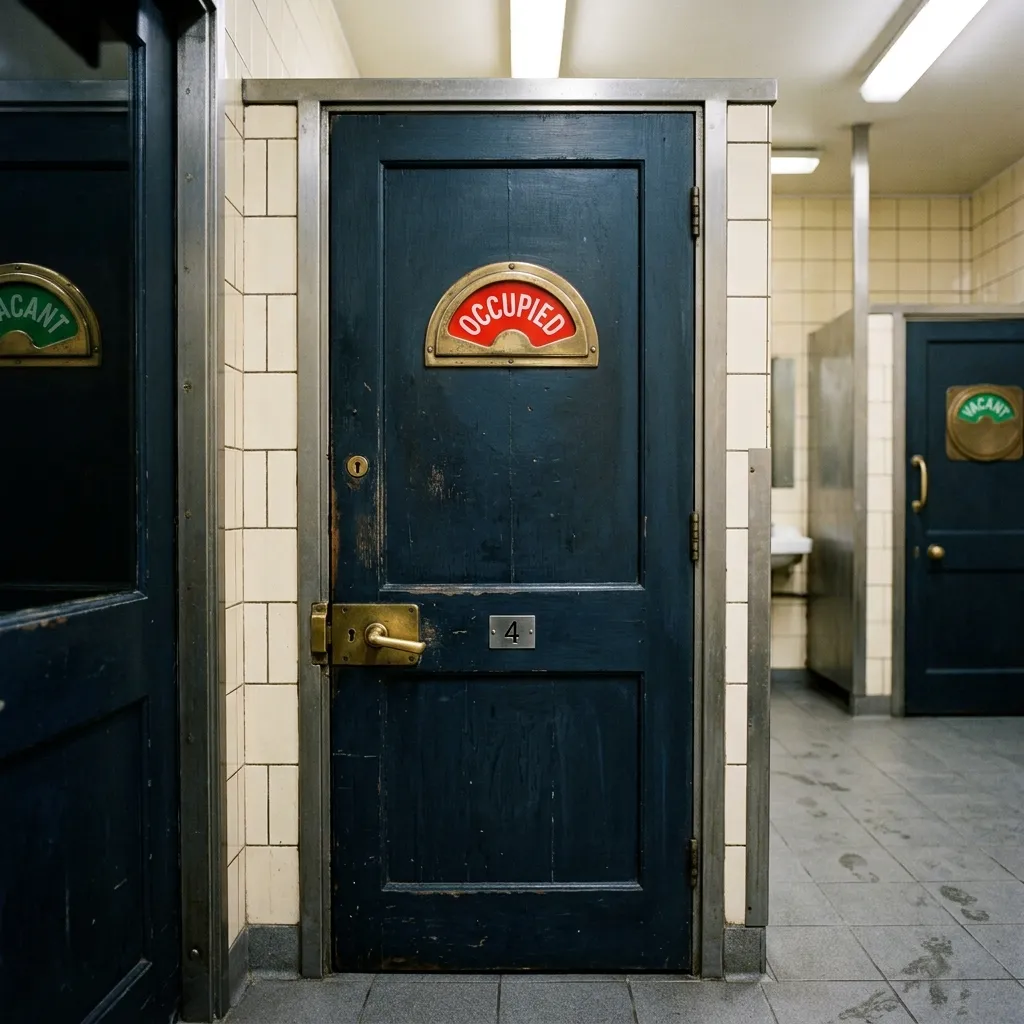
American public restroom stalls are known for wide side gaps and a lot of open space near the floor. In countries like Switzerland, Germany and the UK, stalls are fully enclosed rooms with floor-to-ceiling doors. It is one of the simplest things America should adopt, and it would give people more privacy right away.
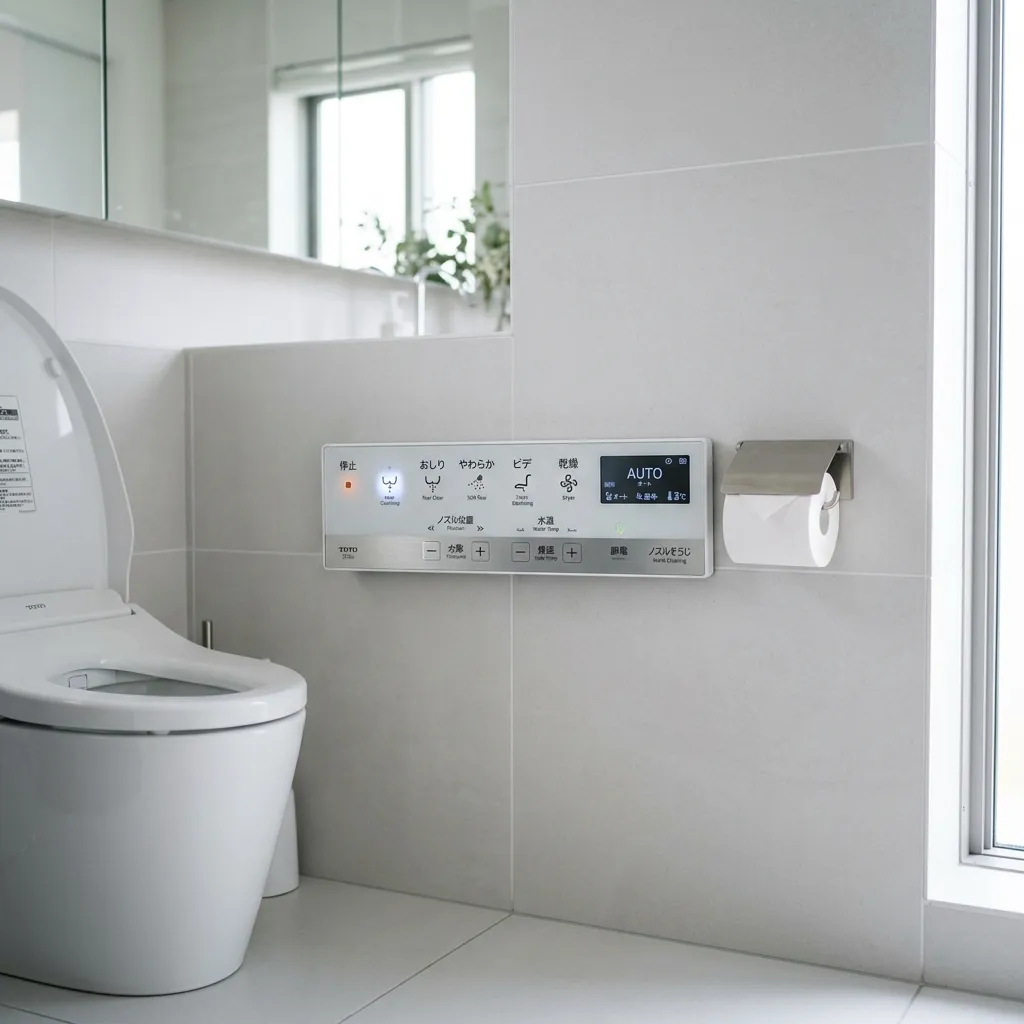
4. Bidets in Everyday Bathrooms
In countries like Italy, Japan and France, bidets or electronic bidet seats are standard equipment in homes and hotels alike. Making them common in American homes would cut down on paper waste.
Getting Around
5. High-Speed Rail
The US still relies heavily on cars and domestic flights, while people across Europe and East Asia travel by high-speed train. Systems like Japan’s Shinkansen and France’s TGV run at more than 180 mph and link major city centers in a fraction of the time. Modern rail in the US would ease traffic and make regional trips much more convenient.
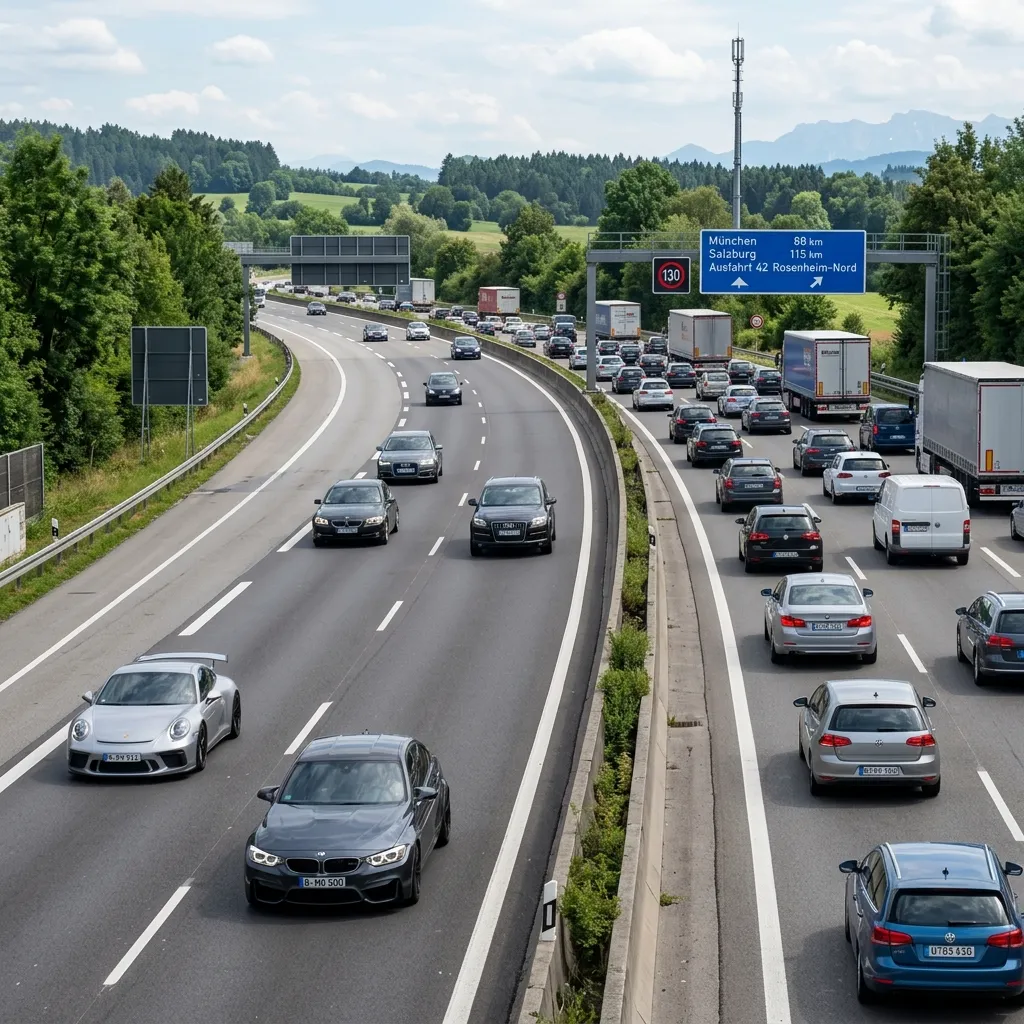
6. Left-Lane Passing Rules That Are Enforced
Driving on Germany’s Autobahn is smooth because motorists follow a simple rule: the left lane is only for passing. Drivers complete the pass and move straight back to the right. Enforcing the same lane discipline on US highways could ease bottlenecks and reduce tailgating.
7. Walkable Cities and Protected Bike Lanes
Copenhagen and Amsterdam put pedestrians and cyclists ahead of private cars. With physically separated bike routes and car-free plazas, residents get safer streets, cleaner air and more active commutes. Designing American cities around people rather than cars could bring the same benefits.
8. Roundabouts
Common throughout the UK and mainland Europe, modern roundabouts replace four-way stop signs and signal intersections. They keep traffic moving continuously and do not rely on electricity to work, which makes them a practical option for US roads.
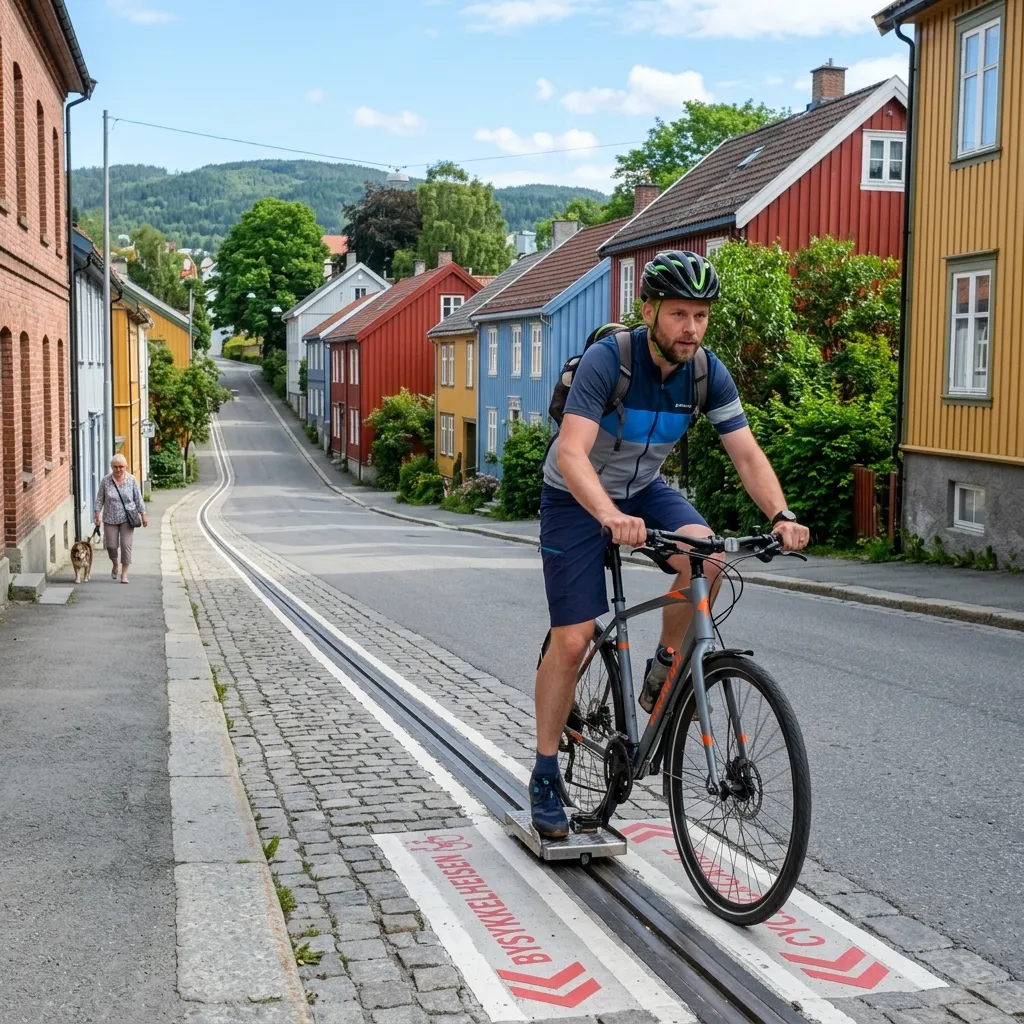
9. Norway’s Bicycle Escalator
Faced with a steep hill, Norway built a mechanical answer. In Trondheim, the Trampe lift carries cyclists up the street, so a commute does not have to end in a sweaty arrival at work. For American cities with hills of their own, it is a clever way to get more people riding.
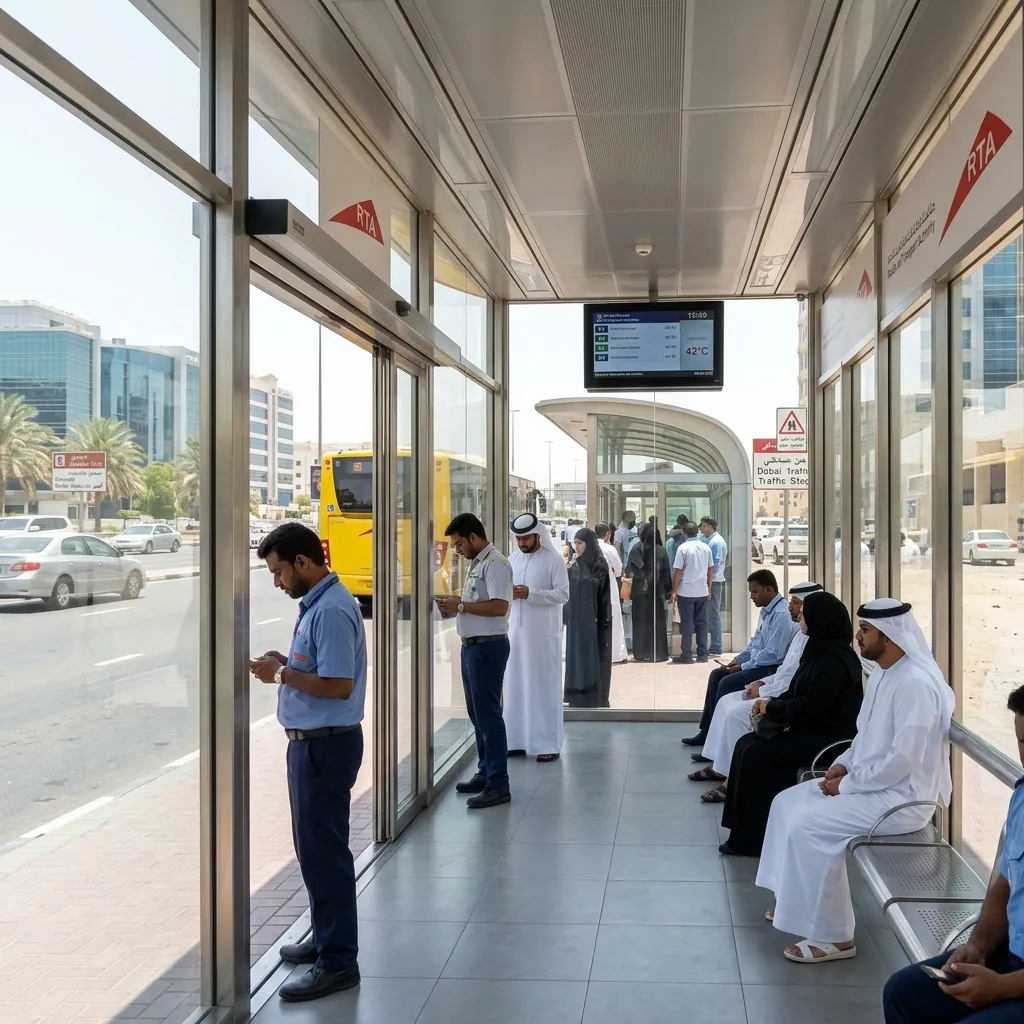
10. Dubai’s Air-Conditioned Bus Stops
Dubai has enclosed, air-conditioned bus shelters, so waiting for public transit in extreme heat becomes far more comfortable. Anyone who has stood at a bus stop during an American heat wave will see the appeal.
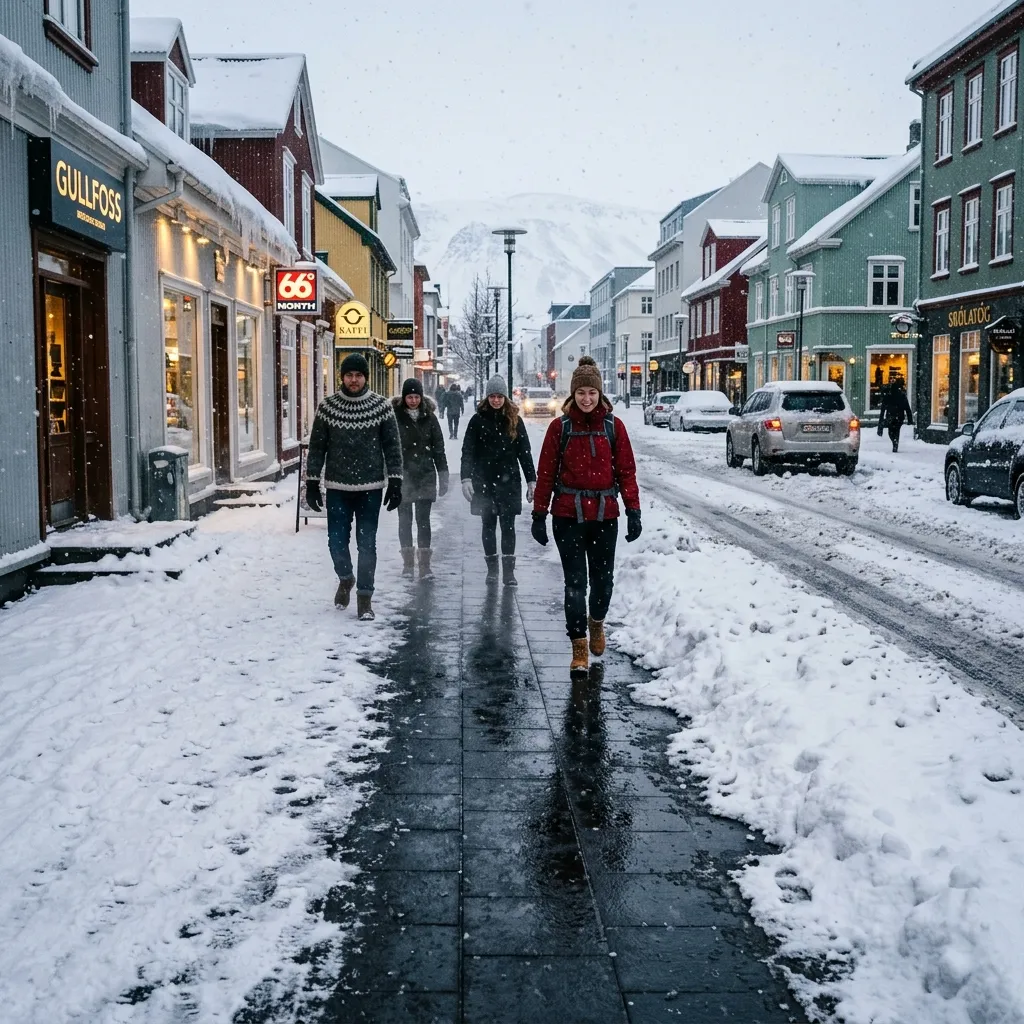
11. Iceland’s Heated Sidewalks
Iceland uses geothermal energy to warm its sidewalks, so snow melts on its own and people can skip the shovel. Northern US states could save a lot of winter labor with something similar, and walkers would have less ice to worry about.
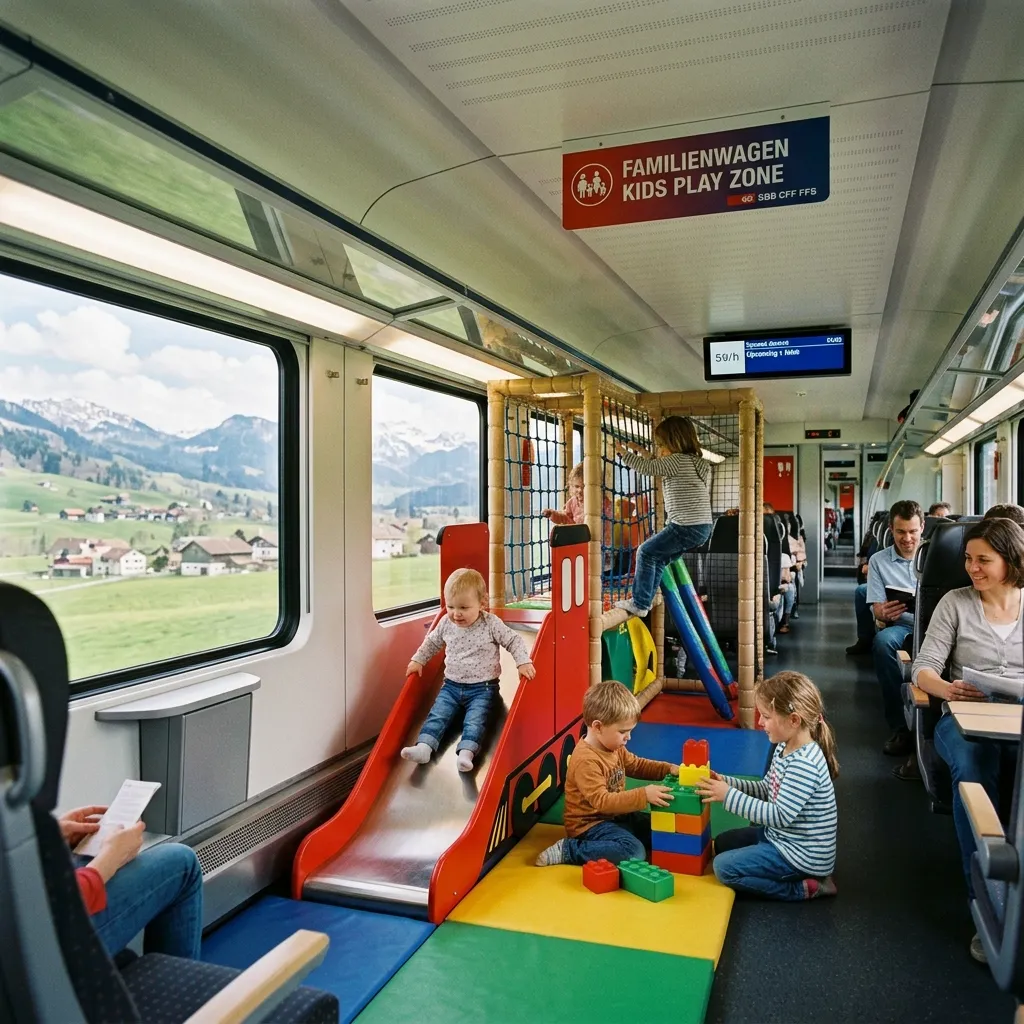
12. Switzerland’s Train Playgrounds
Some Swiss trains have a built-in play zone for children, which gives parents a break from hearing “Are we there yet?” Long Amtrak rides could feel very different for families with a similar carriage on board.
Work, Family and Public Policy
These five ideas are larger questions of public policy. The table sets out what the countries named do alongside US practice, as described by our authors.
| Idea | Elsewhere | In the US |
|---|---|---|
| 13. Paid parental leave | Canada, Sweden and Norway give parents paid time off with a new child, often split between both parents | No federally mandated paid parental leave |
| 14. Paid annual vacation | EU directives set a minimum of four weeks (20 days), and many countries offer 25 to 30 days | No federal minimum |
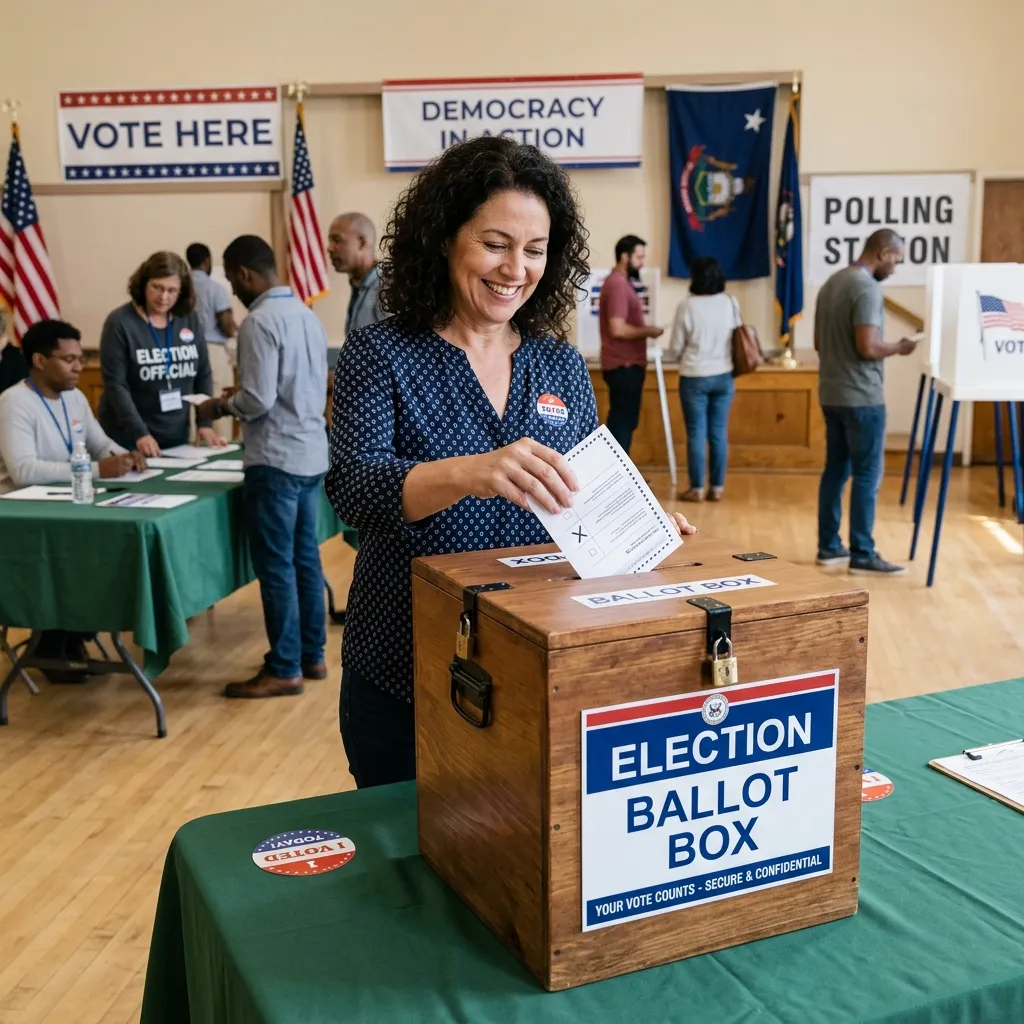
| 15. Automatic voter registration | In Canada, Australia and much of Europe, citizens are registered automatically on turning 18 or gaining citizenship | Registration involves administrative steps |
| 16. Low-cost university tuition | In Germany, Norway and Finland, university is free or carries minimal administrative fees | Many young adults begin careers with student loans |
| 17. Universal healthcare | Most major developed democracies guarantee access to care through public funding | A larger role for for-profit health services |


Cleaner Public Spaces and Slower Meals
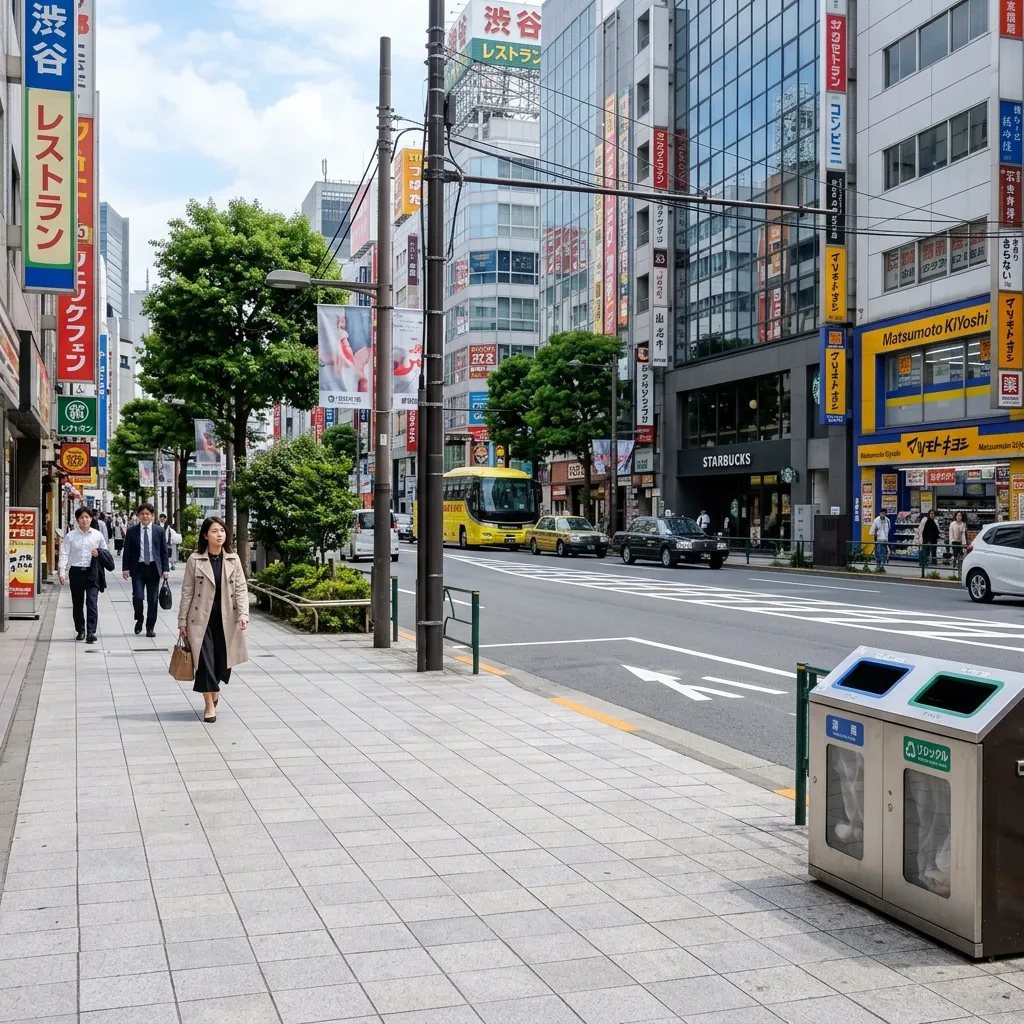
18. Shared Responsibility for Clean Streets
Visitors to Japan often notice two things: spotless streets and very few public trash cans. Residents carry their waste home and take part in neighborhood cleanups. Teaching the same civic pride in American schools and communities could help keep cities clean.
19. Unhurried Meals
In Spain, Italy and France, a meal is time to spend with other people, not something to rush through at a desk. In Spain, people often stay at the table long after the food is gone, just to talk. Slowing down at mealtimes is a simple habit anyone in the US could pick up.
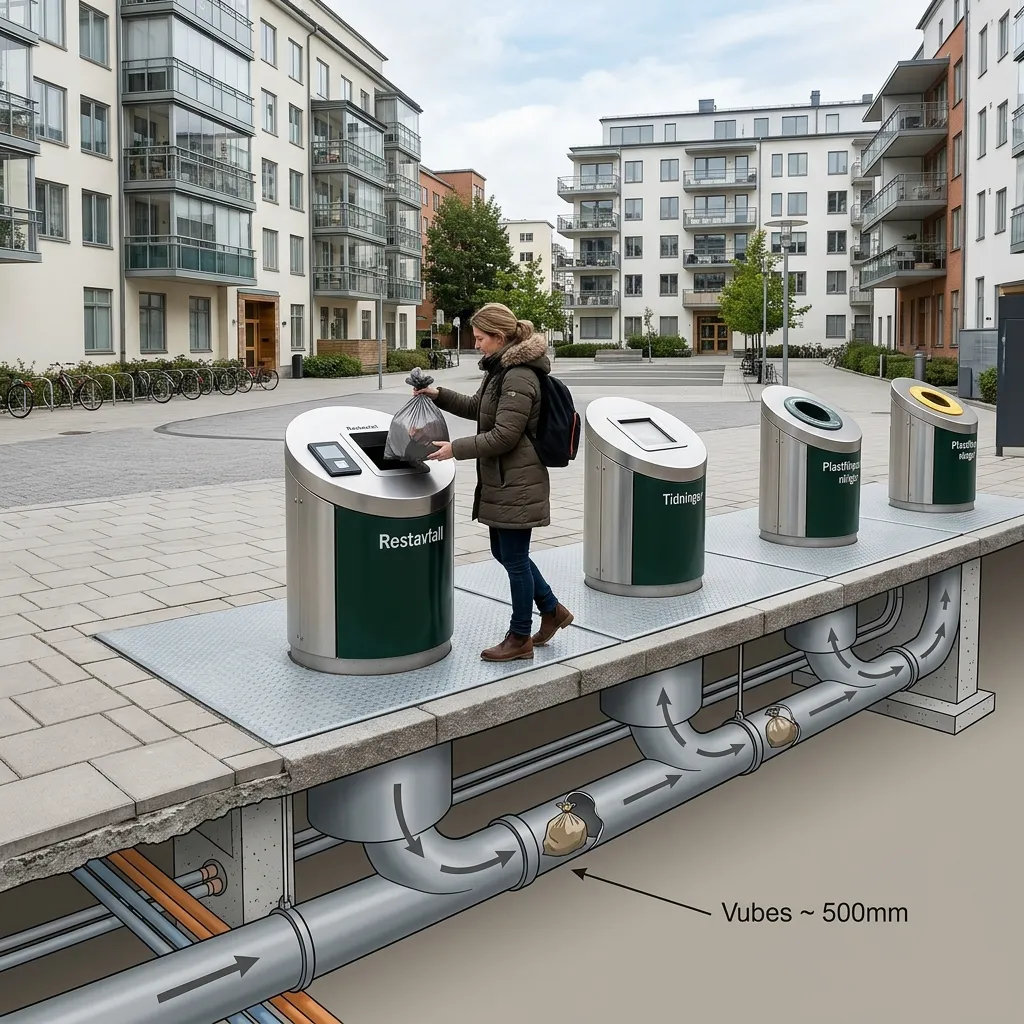
20. Sweden’s Underground Trash Tubes
Some Swedish neighborhoods send garbage away through a network of underground pneumatic pipes. Residents drop off a bag at a collection point and the system does the rest, with no odor and no bins to drag to the curb. Next to the plastic bins most Americans still haul out, it is a striking difference.
Small Inventions Other Countries Have That America Needs
Not everything on this list needs a government program. These are smaller things America doesn’t have yet, and each one solves a very specific problem.
21. Japan’s Electric Salt Spoon
This spoon from Japan uses mild electricity to make low-sodium food taste saltier. For anyone trying to cut back on salt, it offers a way to get more flavor without reaching for the shaker.

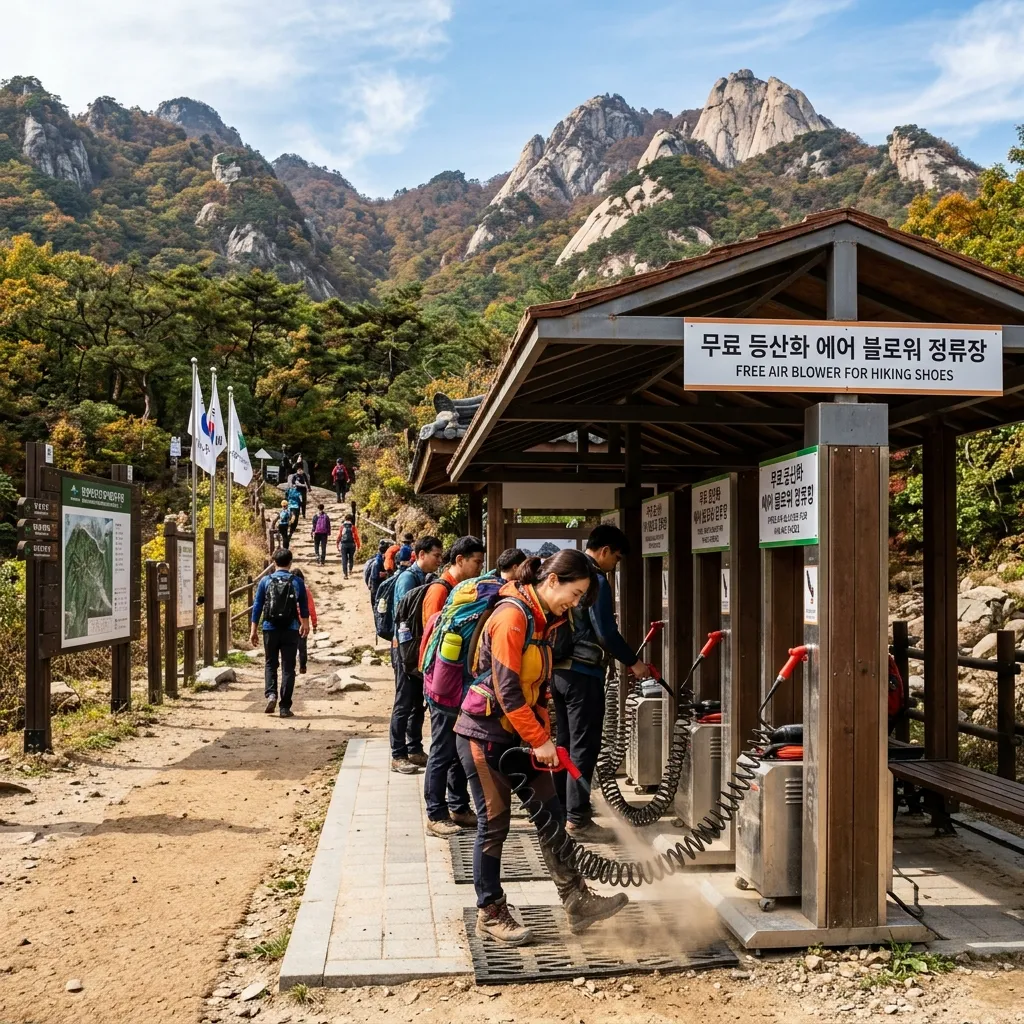
22. South Korea’s Trailhead Air Blowers
At trailheads in South Korea, free public air blowers let hikers blast the dust and dirt off at the end of a walk. Similar stations at American parks and hiking spots would mean cleaner cars and homes after a weekend outdoors.
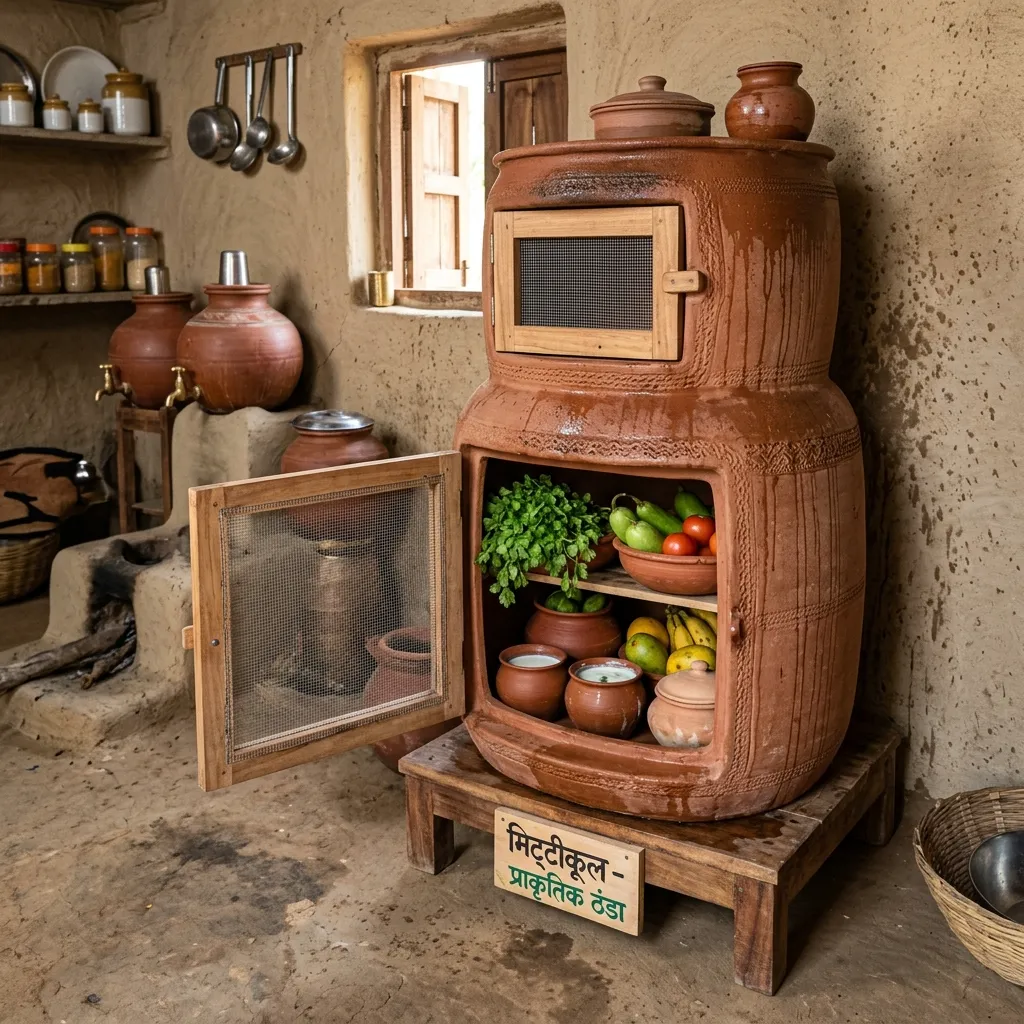
23. India’s Clay Refrigerator
Known as a Mitticool, this clay cooler from India keeps food fresh through natural evaporation and uses no electricity at all. It shows that a useful appliance does not always need a microchip.
Read More: Travelers share their favorite customs abroad | Telltale signs of American tourists | The best countries to visit in Asia | More from our travel section
FAQ
What things do other countries do better than America?
This article highlights tax-inclusive pricing, gap-free bathroom stalls, high-speed rail, walkable cities and paid time off, among others. These are the authors’ views.
Which small inventions could America borrow?
Examples here include Iceland’s heated sidewalks, South Korea’s trailhead air blowers and India’s clay refrigerator.
Which public policies appear on this list?
Paid parental leave, paid vacation, automatic voter registration, low-cost tuition and universal healthcare.