

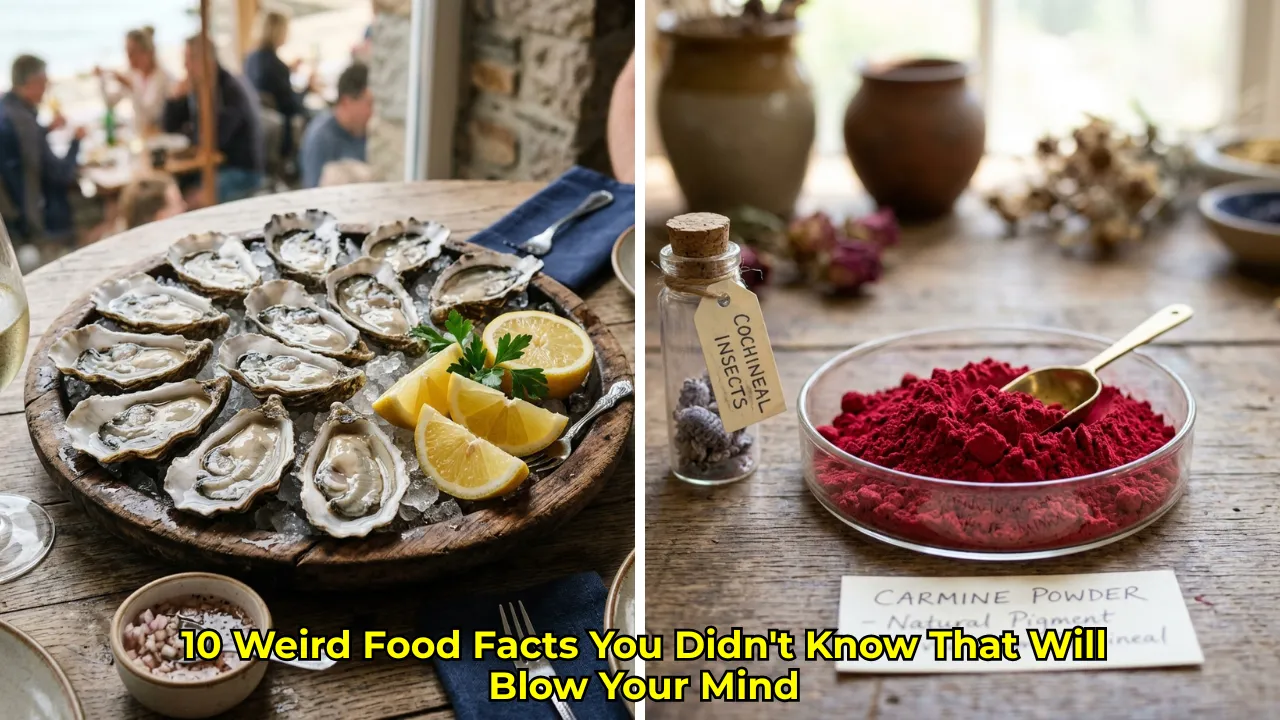
If you think you know exactly what is sitting on your dinner plate, get ready for some wild revelations. We have rounded up the top weird food facts you didn’t know, and they are guaranteed to completely change the way you look at your next meal. From bizarre historical medicines to the shocking origins of your favorite snacks, the culinary world is full of secrets.
Whether you consider yourself a foodie or just love a good piece of trivia, buckle up. Here are 10 wild food truths that will leave your brain processing for a while.
The Craziest Weird Food Facts You Didn’t Know
1. Oysters Are Eaten While Still Alive
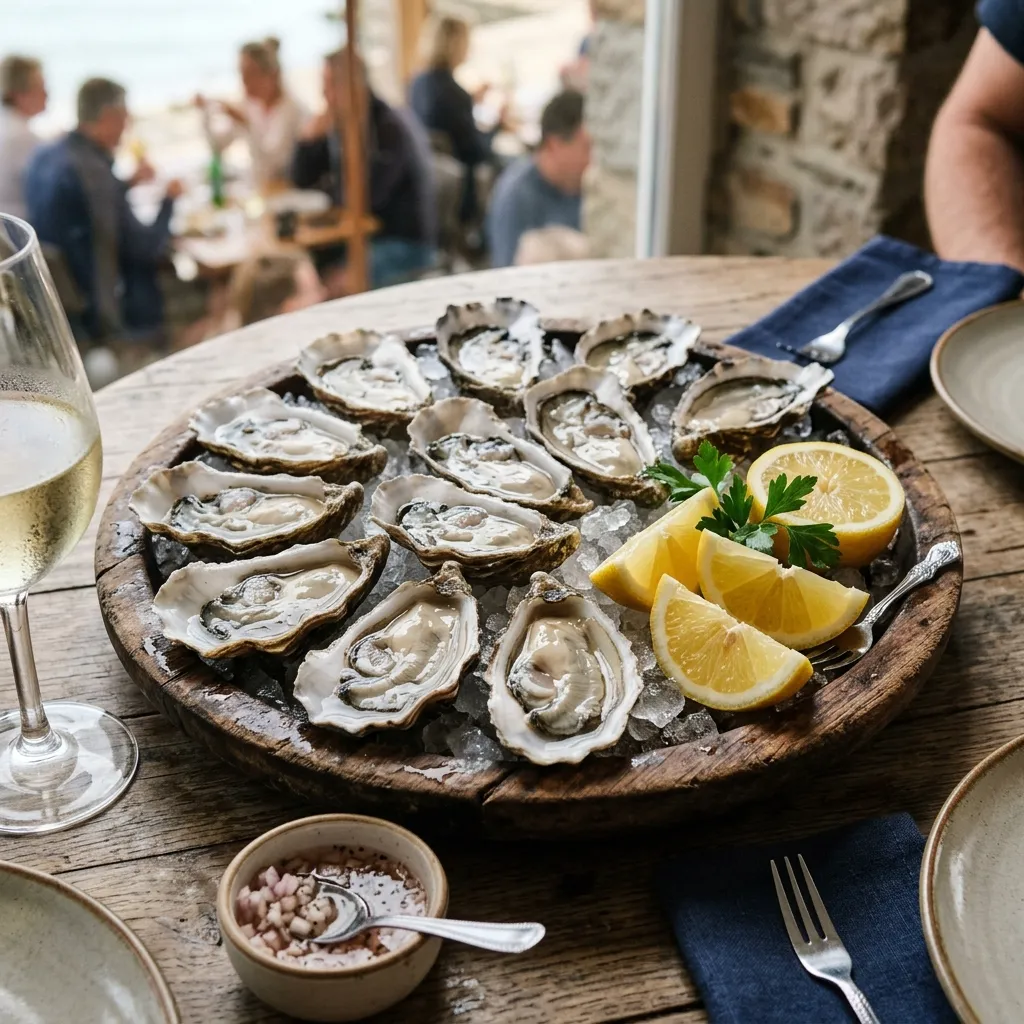
Next time you slurp down an oyster on the half shell, keep this in mind: it’s likely still alive. Oysters spoil incredibly quickly once they die, releasing toxins that are unsafe for human consumption. To keep them fresh and safe to eat, they are kept alive right up until they are shucked and served.
2. Bananas Are Berries (But Strawberries Aren’t)
Botanical classifications can be confusing. By scientific definition, a true berry must develop from a flower with a single ovary. This makes bananas, eggplants, and grapes true berries. Meanwhile, strawberries and raspberries form from flowers with multiple ovaries, making them “aggregate fruits” rather than actual berries.
Read More: 15 Weird Food Hacks That Actually Work
3. Ketchup Was Originally Sold as Medicine
Long before it was the ultimate french fry dip, ketchup was a popular medicine. In the 1830s, an Ohio physician named Dr. John Cook Bennett marketed a tomato-based ketchup recipe as a miracle cure for indigestion, diarrhea, and jaundice. It was even sold in pill form before evolving into the condiment we love today.
4. Raw Honey Literally Never Spoils
Archaeologists have found pots of honey in ancient Egyptian tombs that are over 3,000 years old—and perfectly safe to eat. Pure, raw honey has an incredibly low moisture content and an highly acidic pH. This creates a harsh environment where bacteria and microorganisms simply cannot survive.
More Weird Food Facts You Didn’t Know About Your Pantry
5. Cashews Grow on the Bottom of a Fruit
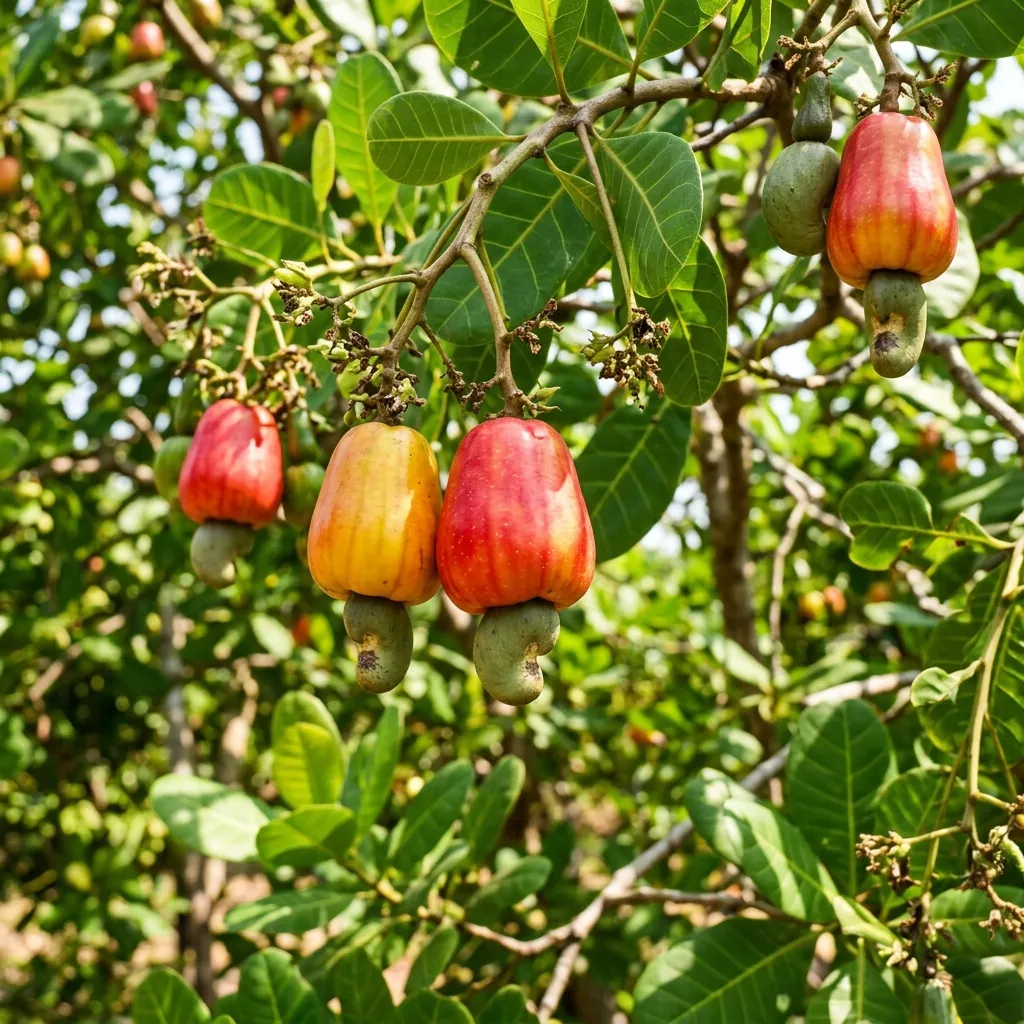
Cashews do not grow inside hard shells like walnuts or pecans. Instead, they are technically seeds that grow on the outside, dangling from the bottom of a swollen fruit known as a “cashew apple.”
6. Vanilla Flavoring Once Came from Beavers
While it is rarely used in commercial foods today, castoreum—a chemical compound secreted from the castor sacs of beavers—was historically used to create natural vanilla and raspberry flavorings. Today, most artificial vanilla is synthesized from petrochemicals or wood pulp, while real vanilla comes from hand-pollinated orchids.
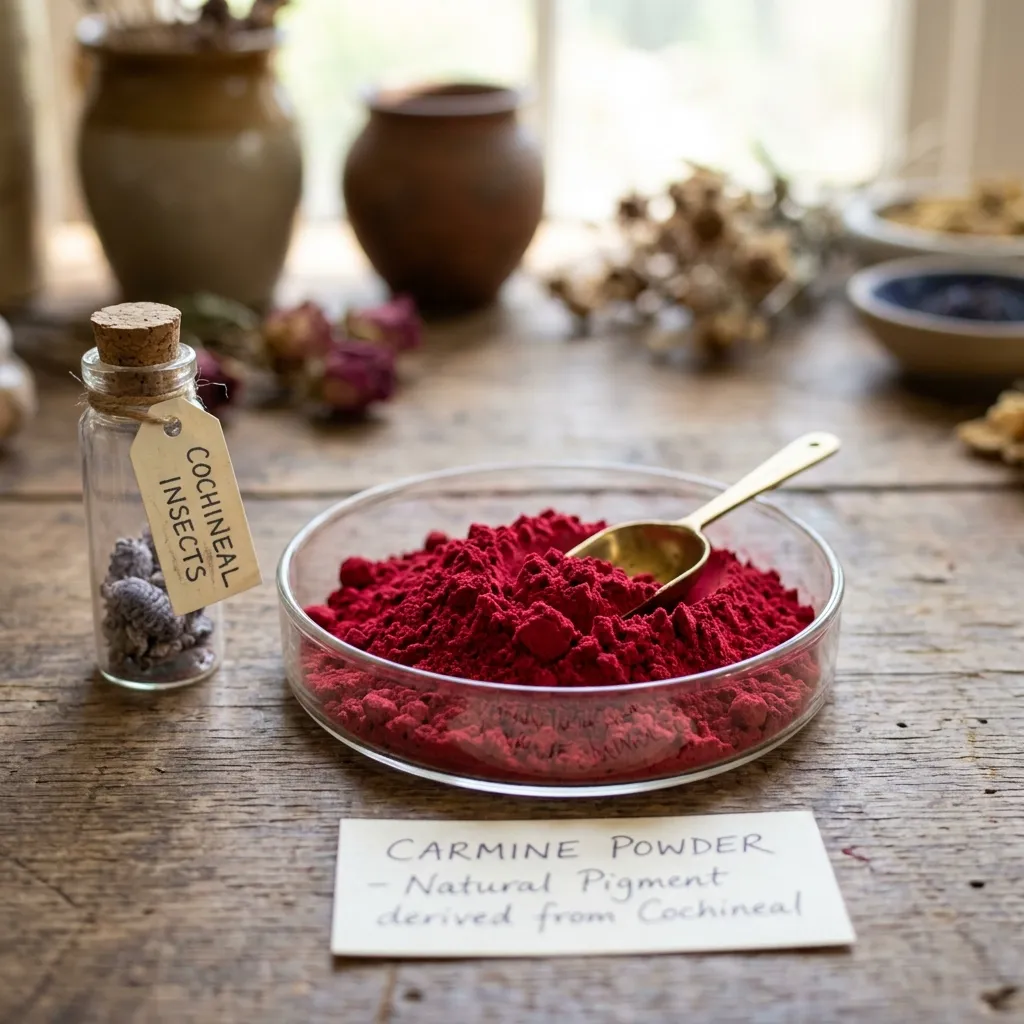
7. Red Food Dye is Made from Crushed Bugs
If you love red candies, red velvet cake, or certain strawberry yogurts, you might be eating crushed insects. Carmine, a common red food dye (often labeled as Natural Red 4), is made by boiling and crushing cochineal insects.
Unbelievable Weird Food Facts You Didn’t Know
8. A Weird Food Fact You Didn’t Know About Wasabi
That spicy green paste served with your sushi roll? It is almost certainly fake. Authentic wasabi root is notoriously difficult to grow and incredibly expensive. The vast majority of restaurants substitute it with a mixture of standard horseradish, mustard, and green food coloring.
9. Jell-O is Made from Animal Bones
The signature jiggle of Jell-O comes from gelatin. Gelatin is a protein obtained by boiling down the skin, tendons, ligaments, and bones of animals (usually cows or pigs). So, while it is a sweet dessert, it is definitely not vegan-friendly!
Read More: Travelers Share Their Absolute Favorite Customs Abroad
10. Coffee Beans Aren’t Actually Beans
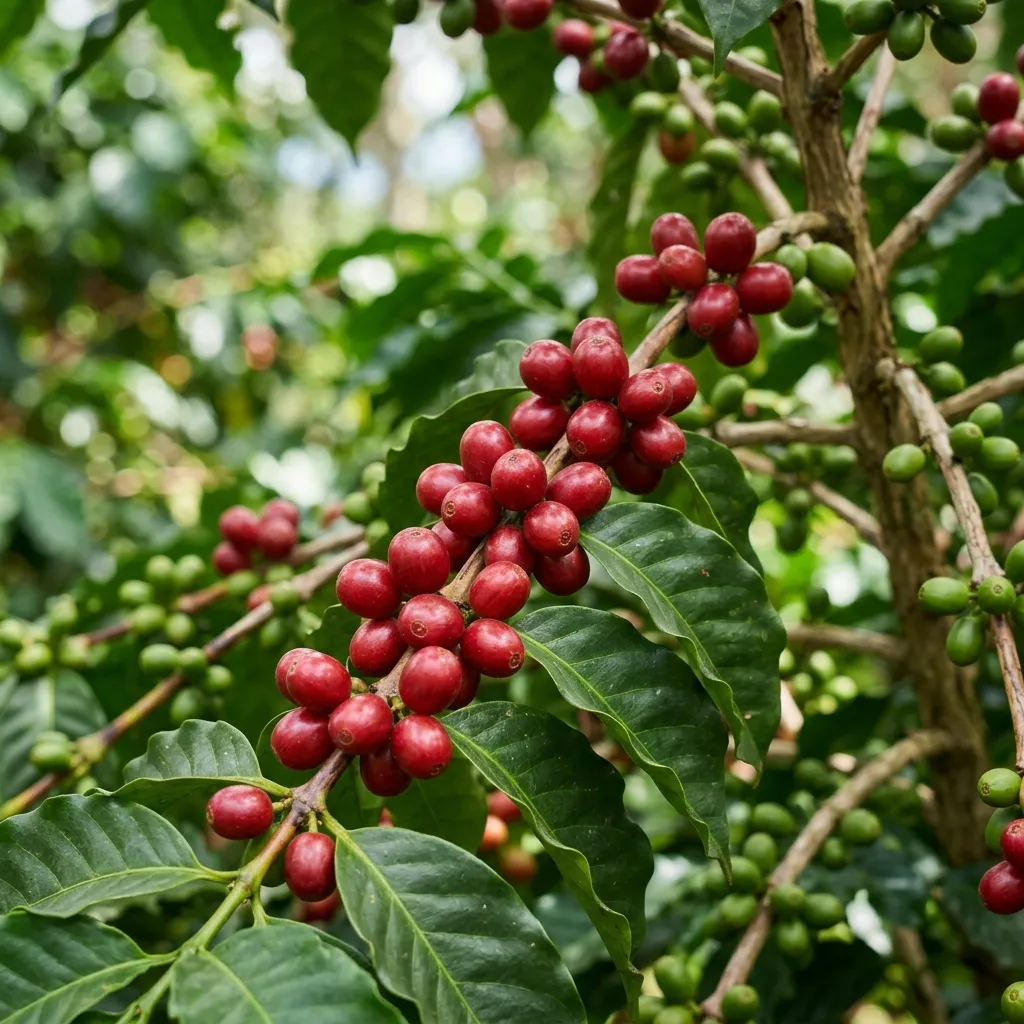
We will never look at our morning cup of joe the same way again. Coffee beans are completely misnamed. They are actually the pits (or seeds) found inside the bright red berries of the coffee plant, affectionately referred to as “coffee cherries.”