


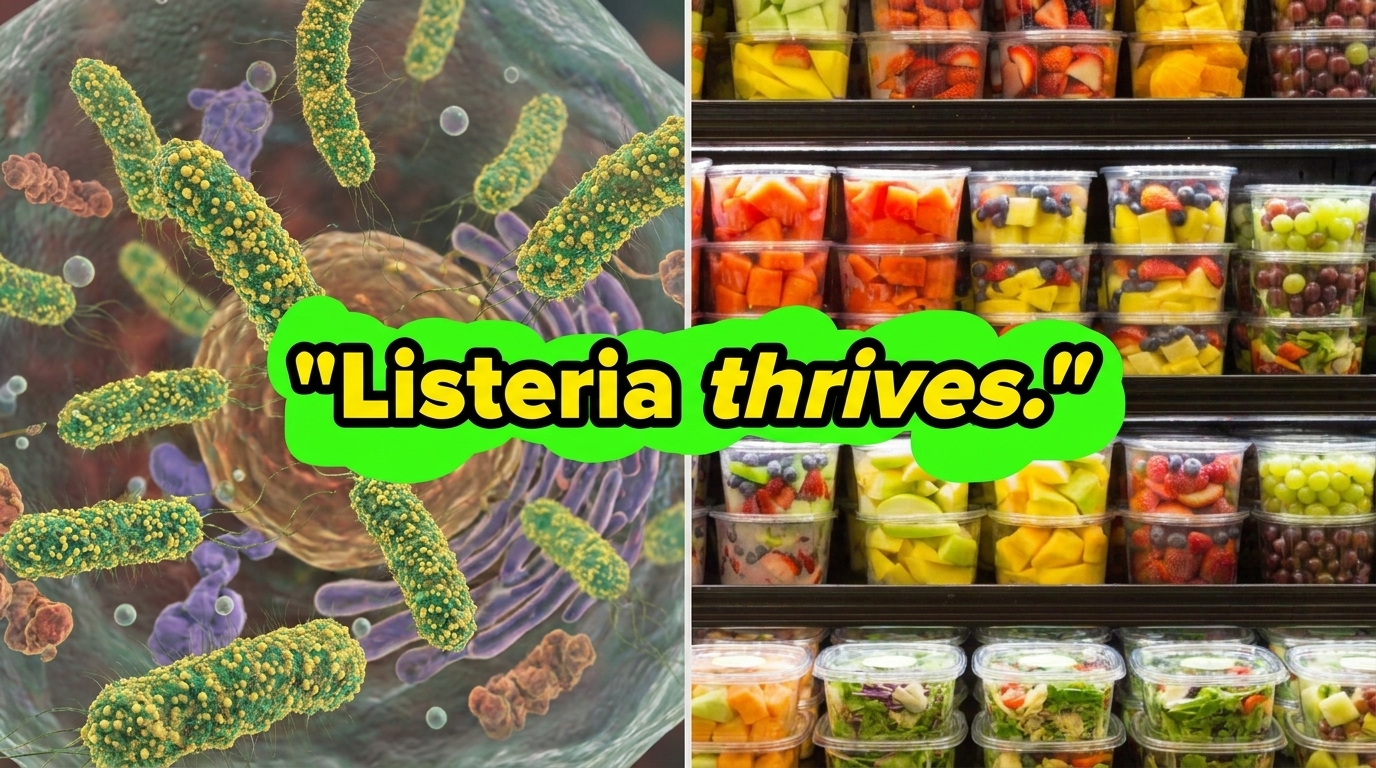
Let’s be real: We’ve all played fast and loose with the “five-second rule” or chanced it with a questionable takeout container that’s been sitting in the fridge a day too long. Most of the time, we get lucky. But when your luck runs out, food poisoning is absolutely brutal.
While you might associate foodborne illness with a mildly upsetting 24-hour stomach bug, the reality can be much darker. Every year, roughly 1 in 6 Americans contract a foodborne illness, leading to hundreds of thousands of hospitalizations. If anyone understands exactly how severe this can get, it’s the attorneys who spend their careers fighting on behalf of people hospitalized by contaminated meals. When your 9-to-5 involves analyzing E. coli, listeria, and salmonella outbreaks, you start looking at your lunch a little differently.
If you’re curious about how to genuinely protect your gut, you need to know the everyday foods food safety lawyers never eat.
The Scary Reality of Foodborne Illness
Personal injury and food safety attorneys have truly seen it all. Lem Garcia, a California-based attorney, has handled nightmare cases ranging from plastic forks pureed into smoothies to a concealed wire in a fish burrito that required emergency surgery.
“My job has turned me into the most cautious diner you’ll ever meet,” Garcia admits. “I’ve seen the worst-case scenarios, so I don’t eat mindlessly anymore.”
Jory Lange, a Houston food safety attorney with two decades of experience, agrees, noting that his career has heavily impacted his diet. So, what exactly is off the menu for the experts? Here are the top three foods food safety lawyers never eat—and why you should probably skip them, too.
1. Raw Sprouts: The Bacteria Trap
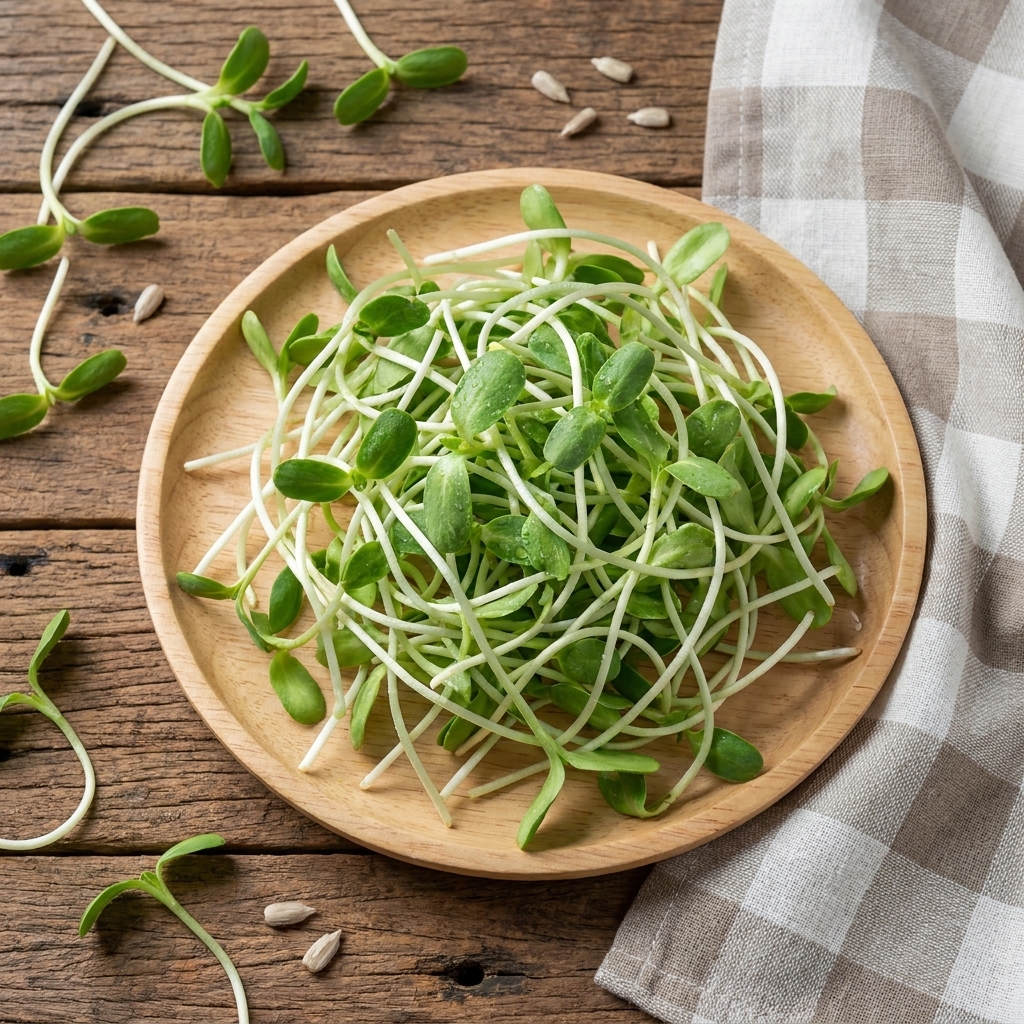
They look like the ultimate picture of health, but sprouts are secretly one of the most hazardous items in the produce aisle. Renowned food safety attorney Bill Marler says he avoids them entirely. “They’ve been one of the leading causes of really large-scale outbreaks around the world,” he warns.
The problem with alfalfa, mung bean, clover, and radish sprouts is that the bacteria (like E. coli or salmonella) actually begins inside the seed itself. There is no guaranteed way to wash it off or eliminate the bacteria during the growth stage. In fact, Jimmy John’s has dealt with so many sprout-related outbreaks that some franchises yanked them off the menu completely. That unpredictable risk is exactly why raw sprouts consistently rank among the foods food safety lawyers never eat.
2. Sushi Buffets: A Temperature Control Nightmare
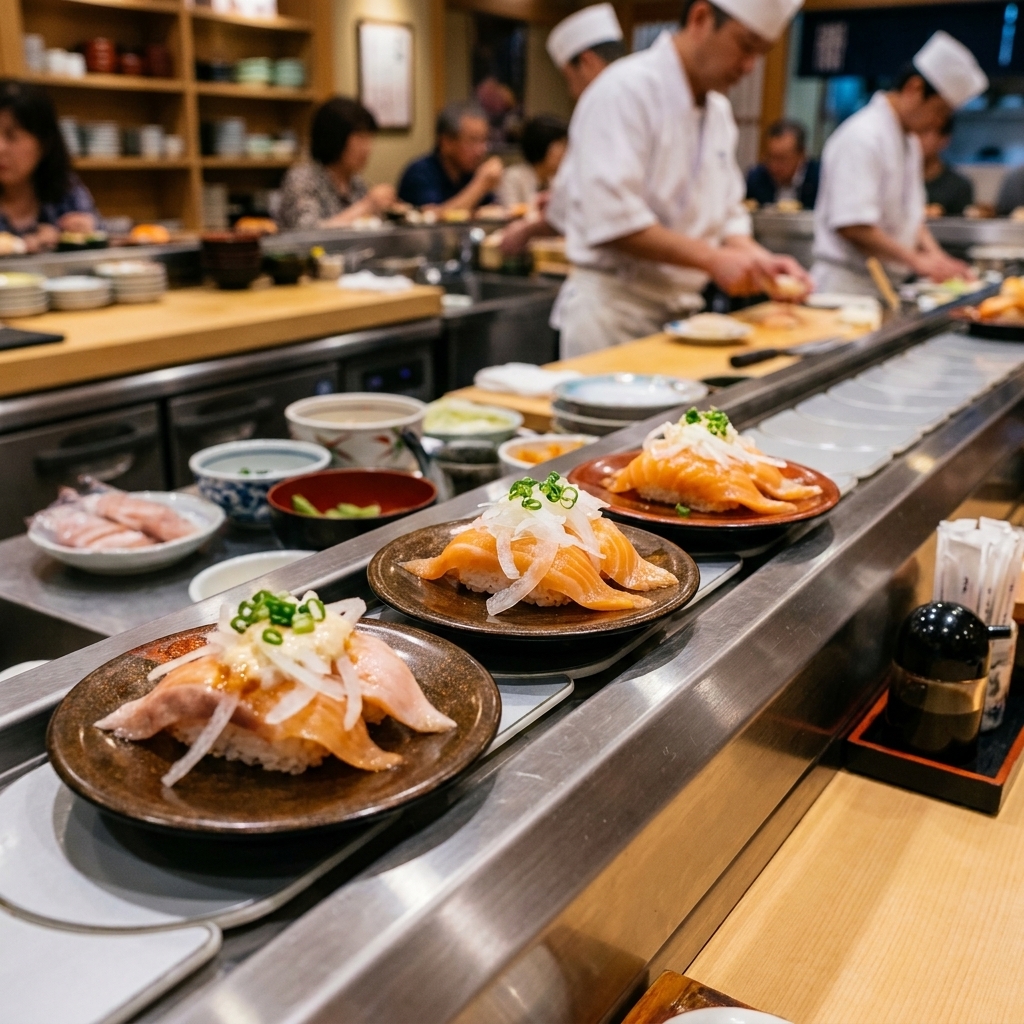
[Image Placement: An expansive all-you-can-eat sushi buffet line featuring various raw fish rolls sitting under harsh restaurant lighting.]
We all love a good deal, but discount raw fish is a massive red flag. For Garcia, cheap sushi buffets are an immediate hard pass. “Raw fish sitting out for hours is a bacteria playground,” he explains.
The secret to safe seafood is strict temperature control, something that large-scale, all-you-can-eat buffets notoriously struggle to maintain. This doesn’t mean you have to give up your spicy tuna rolls forever. Marler notes that he would happily eat at a high-quality, sit-down sushi restaurant, but he’d never buy a roll from a convenience store. It’s all about context. If the fish isn’t kept meticulously cold, it becomes a bacterial breeding ground, making budget seafood buffets one of the top foods food safety lawyers never eat.
3. Pre-Washed and Pre-Cut Produce: The Convenience Trap
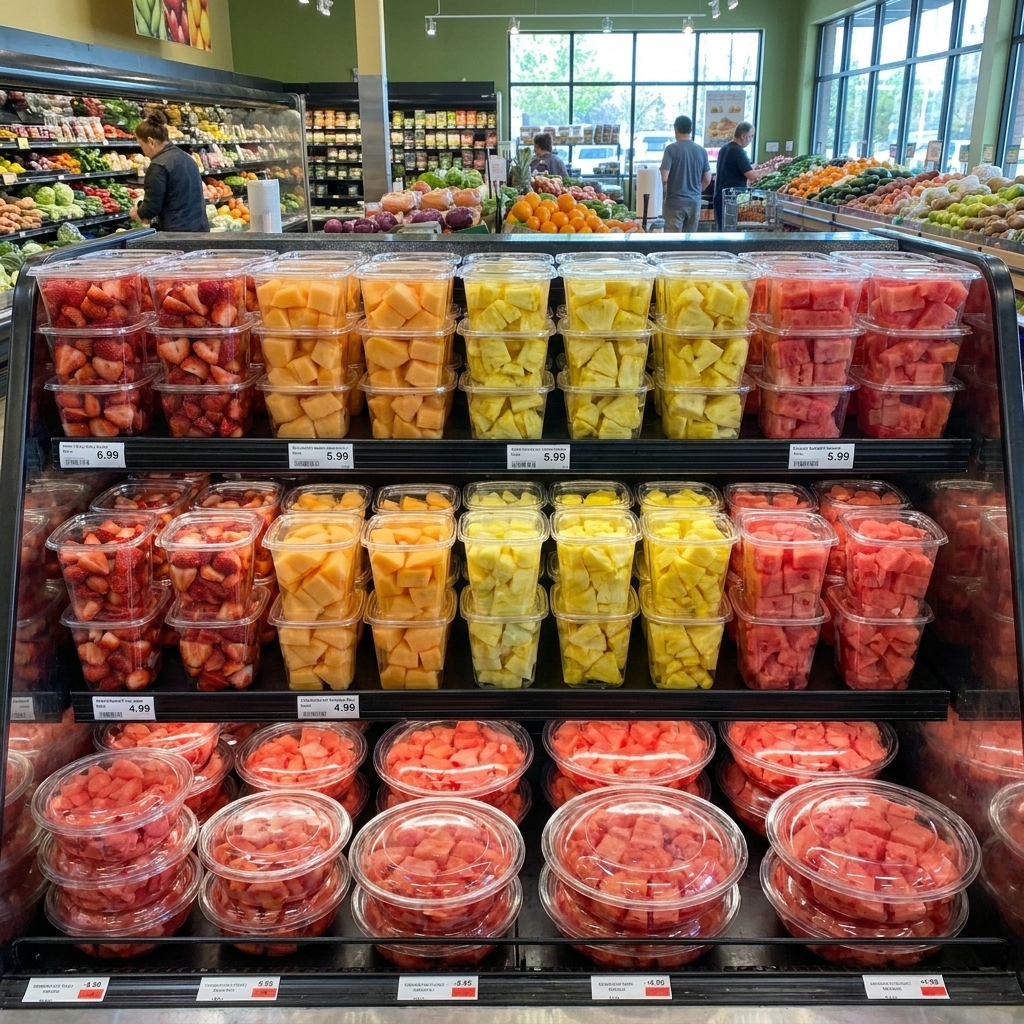
You’re running late, so you grab a plastic tub of precut melon or a bag of pre-washed spinach. It’s convenient, right? It’s also incredibly risky.
In 2023, a massive salmonella outbreak linked to precut cantaloupes hospitalized 45 people across 32 states. The danger stems from processing: once a fruit’s protective outer skin is removed, the fleshy inside is exposed to any pathogens lingering in the facility.
“The more a food is handled, the more likely it is to become contaminated along the way,” Marler explains. Think about the massive supply chain and the number of hands touching that fruit before it hits the shelf. That massive contamination risk puts precut fruit firmly on the list of foods food safety lawyers never eat.
Instead of buying bagged greens or chopped fruit, the experts highly recommend buying whole produce (like a full head of lettuce or a whole melon) and washing and chopping it yourself at home.
How to Eat Safely (Without Freaking Out)
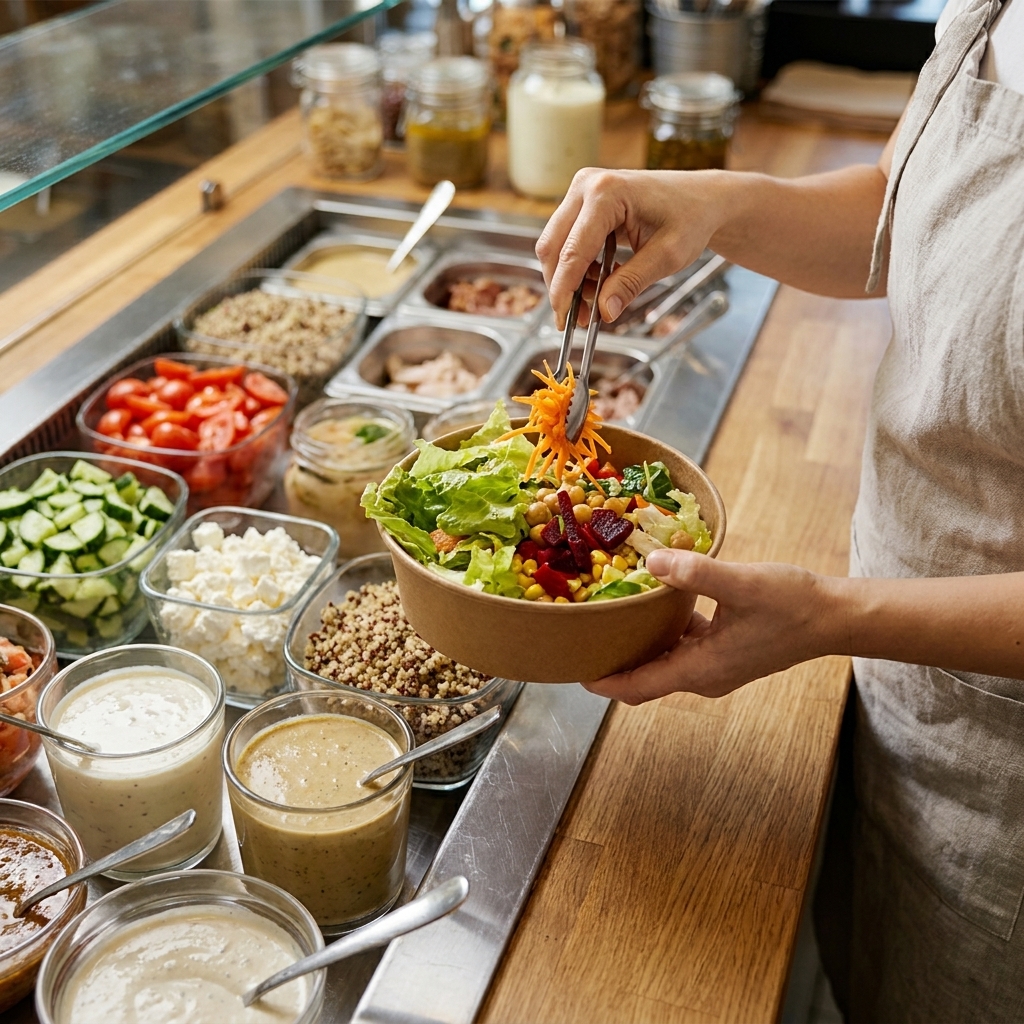
Learning about the foods food safety lawyers never eat might make you want to swear off grocery shopping entirely, but don’t panic. These experts still enjoy going out to eat—they just do it with a healthy dose of mindfulness.
Texas-based regulatory compliance partner Heather Bustos recommends signing up for the FDA’s email list for recall notices so you’re always in the loop. Ultimately, food is meant to be a joyful experience. By skipping the risky conveniences, washing your own produce, and paying attention to where your seafood comes from, you can enjoy your meals without the side of anxiety. After all, no meal is worth a trip to the ER.