

Divorce after baby is rarely discussed openly, yet anonymous accounts point to recurring pressures. They include sleep deprivation, postpartum mental health, an unequal mental load, money stress, infidelity and in-law conflict. This article looks at those themes without assigning blame, and at how counseling and honest communication may help couples early on.
A new baby can change a couple’s sleep, identity and daily routine all at once. The stories below come from anonymous posts and relationship forums. They are personal accounts that we have not independently verified, and they do not show how common any of these situations are.
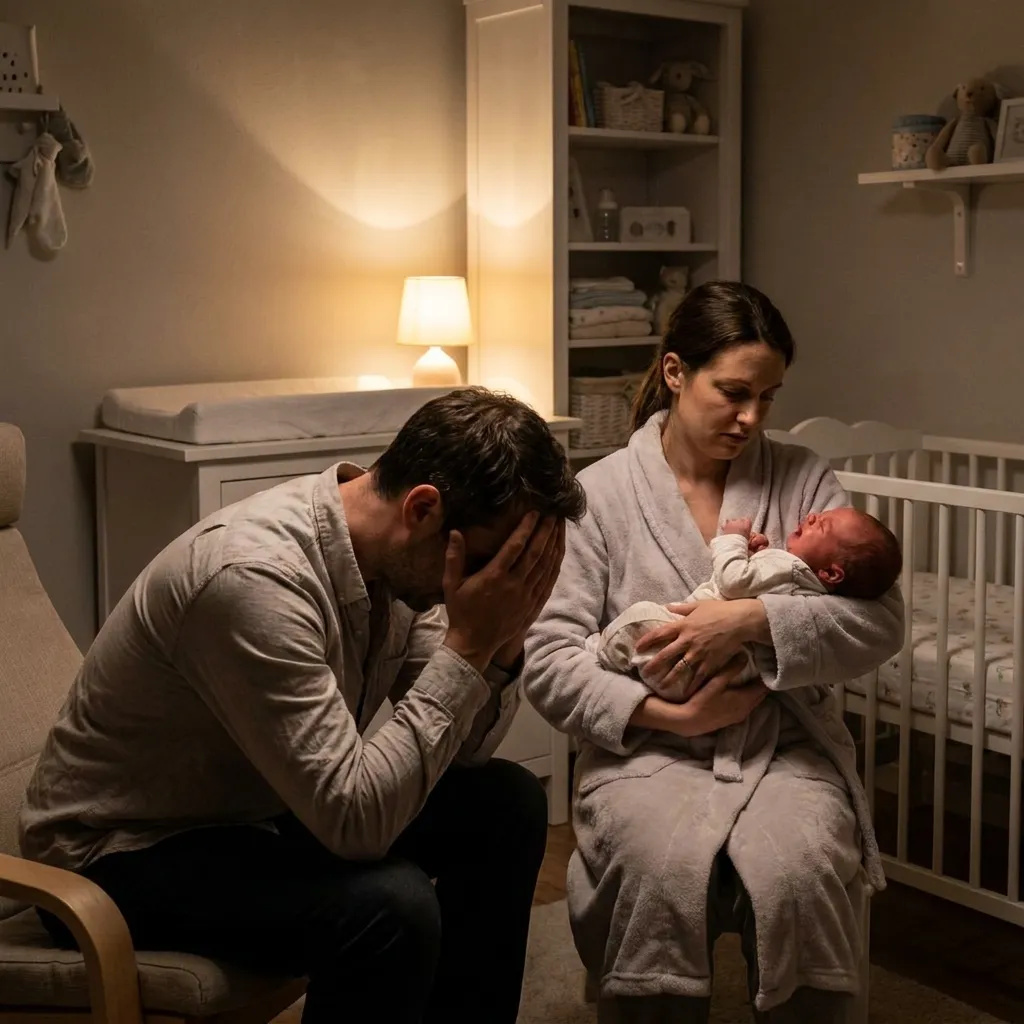
Common Reasons for Divorce After Having a Baby
The causes are often more complex than people assume. It is easy to say a husband simply could not handle the responsibility. Sometimes that is part of it, but these accounts also describe exhaustion, unmet needs and problems that were already there before the baby arrived. Every couple’s situation is different.
Read More: Men Over 50: The Best Parts of Aging
Postpartum Changes and Emotional Disconnect
Some couples describe feeling distant from each other after the birth. One partner may be recovering and focused on the baby, while the other feels shut out or unsure how to help. When a parent also has untreated postpartum depression or another serious condition, the strain at home can grow.
Postpartum depression is a medical condition. It is not a character flaw, and it is not something a mother caused, according to the National Institute of Mental Health. It should not be seen as the reason a marriage ended. Support and treatment matter for the whole family.

Unequal Parenting and the Mental Load
The mental load is the constant planning and remembering that comes with running a home and caring for a baby. In these accounts, some men say they underestimated the physical and emotional toll of childbirth, then pulled away when they felt overlooked. Others say they were working full time and doing most of the housework at the same time, until they burned out. In both versions, the work felt unequal and nobody talked about it soon enough.

Money Stress
Babies are expensive. Some men in online threads describe losing a second income just as the costs of diapers, formula and health care arrived. In those stories, repeated arguments about spending and money worries slowly wore the relationship down.
Infidelity During Pregnancy or After Birth
Some accounts describe a husband having an affair during pregnancy or soon after the birth, often saying he felt neglected at home. The betrayal came at a time when his partner was especially vulnerable, and in these stories it ended the marriage.
When Paternity Comes Into Question
A few anonymous accounts describe a medical test or DNA test showing that a husband was not the child’s biological father. We have no reliable figures on how often this happens. In those stories, the loss of trust is what the marriage could not survive.
In-Law Conflict
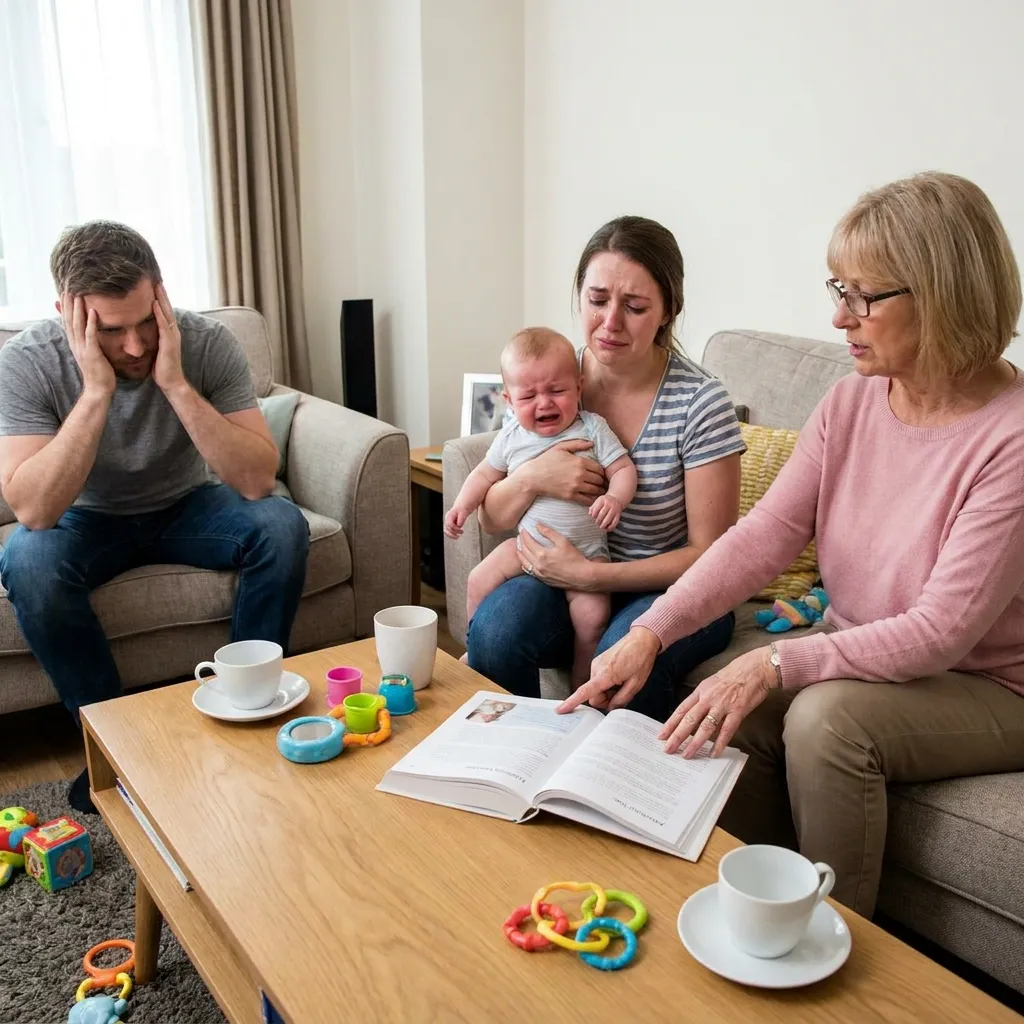
Relatives often step in when a baby arrives. That help can be welcome, but it can also cause conflict over parenting, living arrangements or money. Some husbands describe feeling left out of decisions in their own home.
When to Get Medical Help
This is general information, not medical advice. Anyone with ongoing sadness, anxiety or trouble coping during pregnancy or after birth should talk to a doctor or other qualified clinician. Treatment is available.
- National Maternal Mental Health Hotline (US): Call or text 1-833-852-6262, 24 hours a day.
- Thoughts of suicide or self-harm, or of harming the baby: Call or text 988 in the US. Call 911 if someone is in immediate danger.
- Possible postpartum psychosis: Symptoms can include hallucinations, delusions, paranoia, mania or confusion. The National Institute of Mental Health calls this a psychiatric emergency. Call 911 or go to the nearest emergency room.
Protecting Your Marriage After Baby
Lack of sleep makes good communication harder, so it helps to plan for it. These steps come up again and again in these accounts:
- Check in with each other regularly, even for a few minutes.
- Share childcare and household jobs fairly, including the planning.
- Talk openly about money before it becomes a fight.
- Agree on boundaries with relatives together.
- See a licensed marriage counselor or postpartum specialist when resentment starts to build.
A baby will not fix a struggling relationship, but asking for help early can give a couple more options.

FAQ
Why do some men leave after a baby?
Accounts in this article mention emotional disconnect, unequal parenting, money stress, in-law conflict and infidelity. Every couple’s situation is different.
How can postpartum depression affect a marriage?
Accounts describe strain at home when serious postpartum symptoms go unsupported. Postpartum depression is a medical condition and not a person’s fault, so speak with a clinician promptly.
Can a marriage survive the newborn stage?
Yes, it can. Regular check-ins and sharing the load of childcare fairly are the steps most often mentioned.
When should a couple seek counseling?
When resentment starts to build is a good time, with a licensed marriage counselor or postpartum specialist. You do not need to wait for a crisis.
More from Elits Buzz: Parents, Relationships, getting divorced before 30, divorced in the first year and the hardest parts of divorce for women.