



Examining concerning trends among younger generations reveals a shifting landscape of digital dependency, altering social bonds, and unique psychological pressures that previous age groups never faced. Every new generation brings distinct cultural shifts, but the rapid acceleration of technology has created unprecedented changes in how youth interact, learn, and view the world. By looking closely at these shifts, society can better understand the underlying challenges confronting Gen Z and Generation Alpha.

The Rise of Digital Hyper-Connectivity and Screen Isolation
One of the most striking concerning trends among younger generations is the heavy reliance on virtual communication over face-to-face interaction. While constant connectivity offers global reach, it often breeds a unique form of screen-based isolation.
- Reduced in-person social cues and conversational skills.
- Increased reliance on text-based communication and short-form video apps.
- Higher rates of reported loneliness despite being perpetually online.

How Economic Pressures and Changing Ambitions Fuel New Behaviors
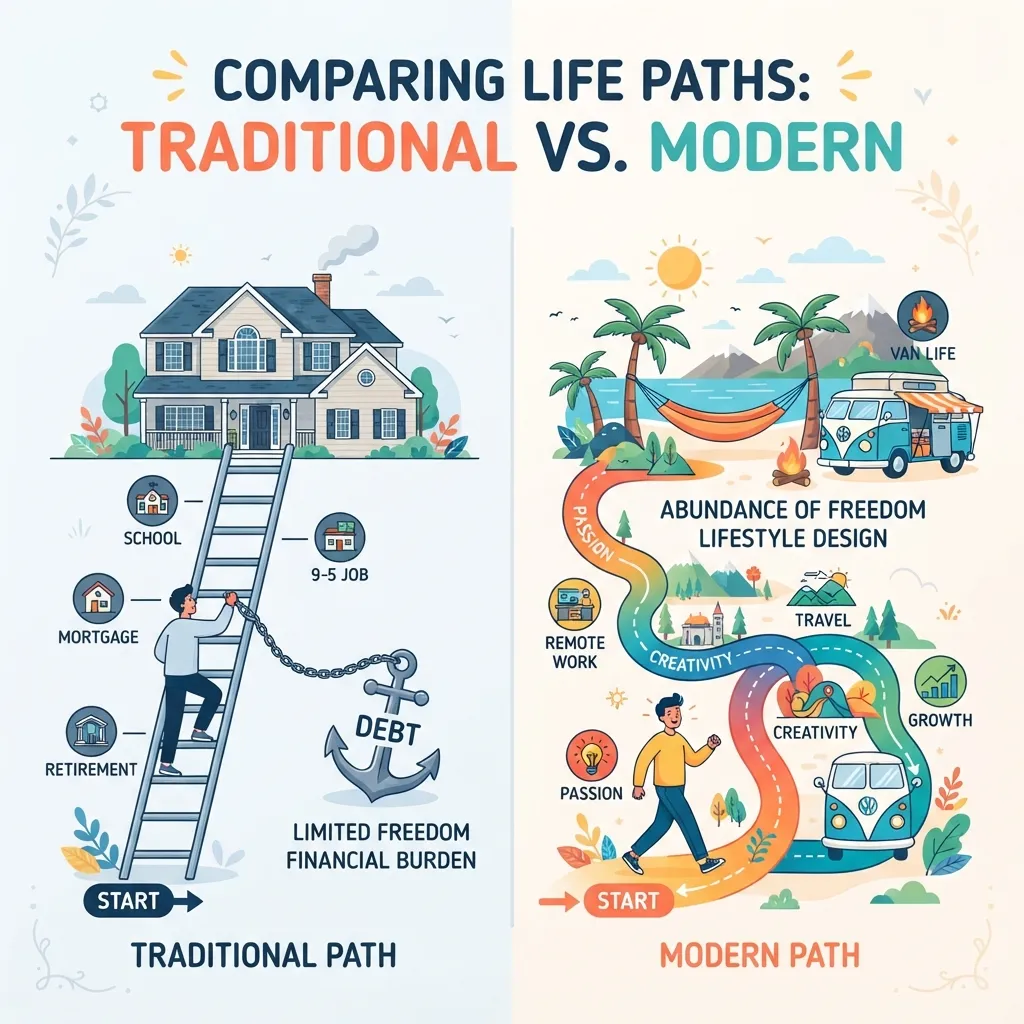
Financial realities heavily influence modern youth culture. The skyrocketing cost of living and changing job markets have completely restructured traditional milestones like homeownership and career stability. This economic anxiety is one of the significant concerning trends among younger generations that dictate their life choices and mental well-being.
- Delayed Milestones: Homeownership and marriage are occurring much later compared to previous generations.
- Gig Economy Preference: Valuing flexibility and autonomy over traditional 9-to-5 corporate structures.
- Financial Pessimism: A pervasive feeling that long-term financial stability is harder to achieve than it was for their parents.

Redefining Independence and Success
Traditional markers of adulthood are being pushed back or completely reimagined. Because traditional goals feel financially out of reach, young people are prioritizing flexibility, mental health days, and alternative career paths over traditional corporate ladders. This pivot reflects both adaptability and a deep-seated frustration with current economic structures.
Addressing the Psychological Toll and Finding a Way Forward
The mental health conversation has taken center stage as experts unpack these concerning trends among younger generations. Continuous exposure to curated social media feeds creates unrealistic benchmarks for success, body image, and lifestyle choices. This constant comparison fuels anxiety and depression rates across Gen Z and Alpha.
Moving forward requires open communication, empathy, and structural support systems. By acknowledging these pressures rather than dismissing them, society can foster an environment where younger populations feel supported, understood, and equipped to handle the complexities of the modern era. It requires systemic changes in education, corporate culture, and digital literacy to reverse these concerning trends.