



We all do it. Whether you are typing away at your office desk, enjoying a cup of coffee at a local café, or just unwinding on the couch, shifting one knee over the other feels like second nature. But have you ever stopped mid-shift and wondered: is crossing your legs bad for your health? It’s a question that has sparked countless debates, with rumors claiming it causes everything from severe back pain to unsightly varicose veins.
As it turns out, your favorite sitting position might actually be doing more harm than good. At Elits Buzz, we believe in giving you the straight facts about your well-being. Let’s dive deep into the real health consequences of this common habit and find out what happens to your body when you sit cross-legged for too long.

Why Is Crossing Your Legs Bad for Your Health?
The human body wasn’t designed to sit for eight hours a day, and it certainly wasn’t designed to sit asymmetrically. When you lock one leg over the other, you are instantly forcing your hips into an uneven alignment. This creates a domino effect that impacts your spine, joints, blood vessels, and nerves.
While a quick five-minute cross won’t land you in the hospital, prolonged periods of sitting this way can trigger a host of frustrating physical issues. Here is a breakdown of the specific ways this innocent habit affects your body.
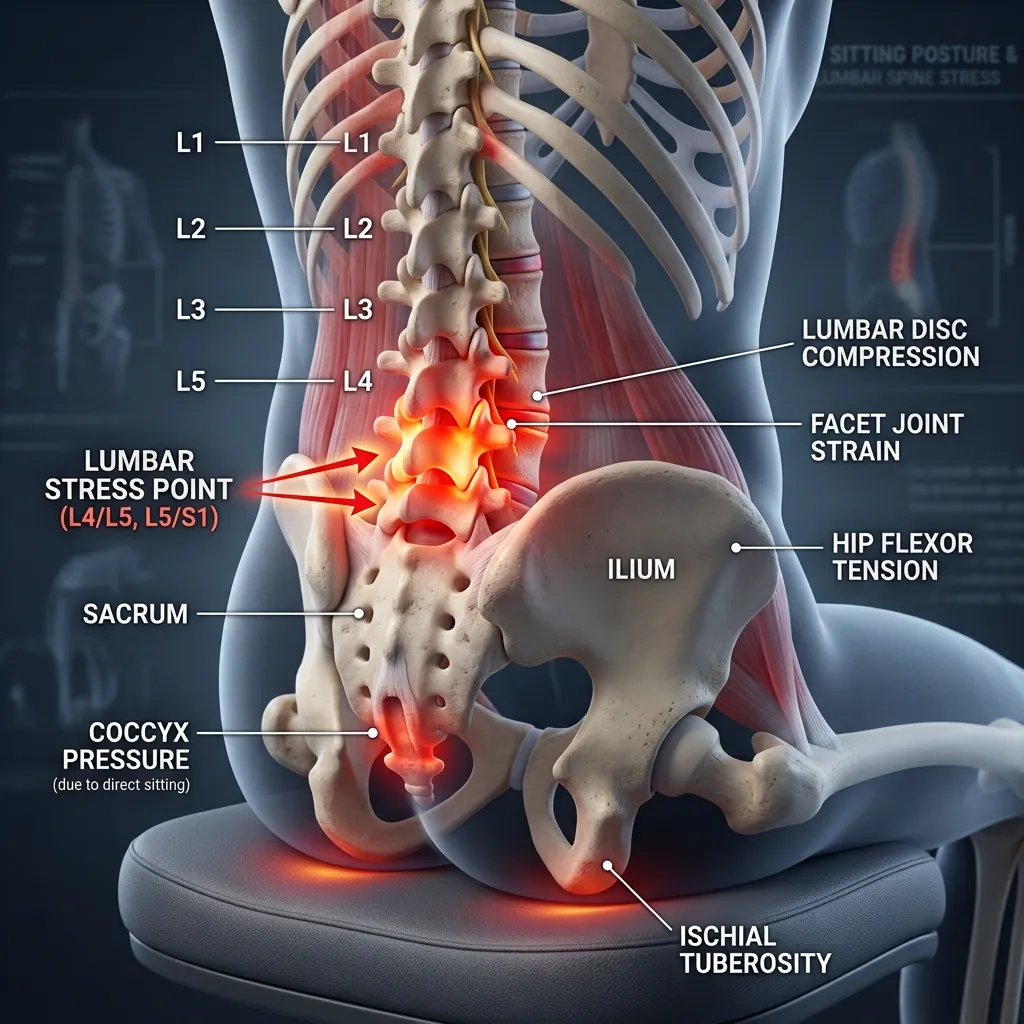
Posture Problems and Lower Back Pain
When you cross your knees, your pelvic bone naturally rotates and tilts. This unnatural rotation forces your spine to compensate in order to keep you upright. Over time, this constant imbalance places excessive pressure on your lower back and neck. If you regularly experience unexplained stiffness or a dull ache in your lumbar region, your asymmetrical sitting posture might be the primary culprit.
Blood Pressure Spikes and Circulation Issues
Did you know that sitting cross-legged can actually increase your blood pressure? When you place one knee tightly over the other, you compress the vital veins in your legs, making it much harder for blood to pump back up to your heart. To get the blood flowing against this unnatural restriction, your heart has to work a little harder, resulting in a temporary spike in blood pressure.
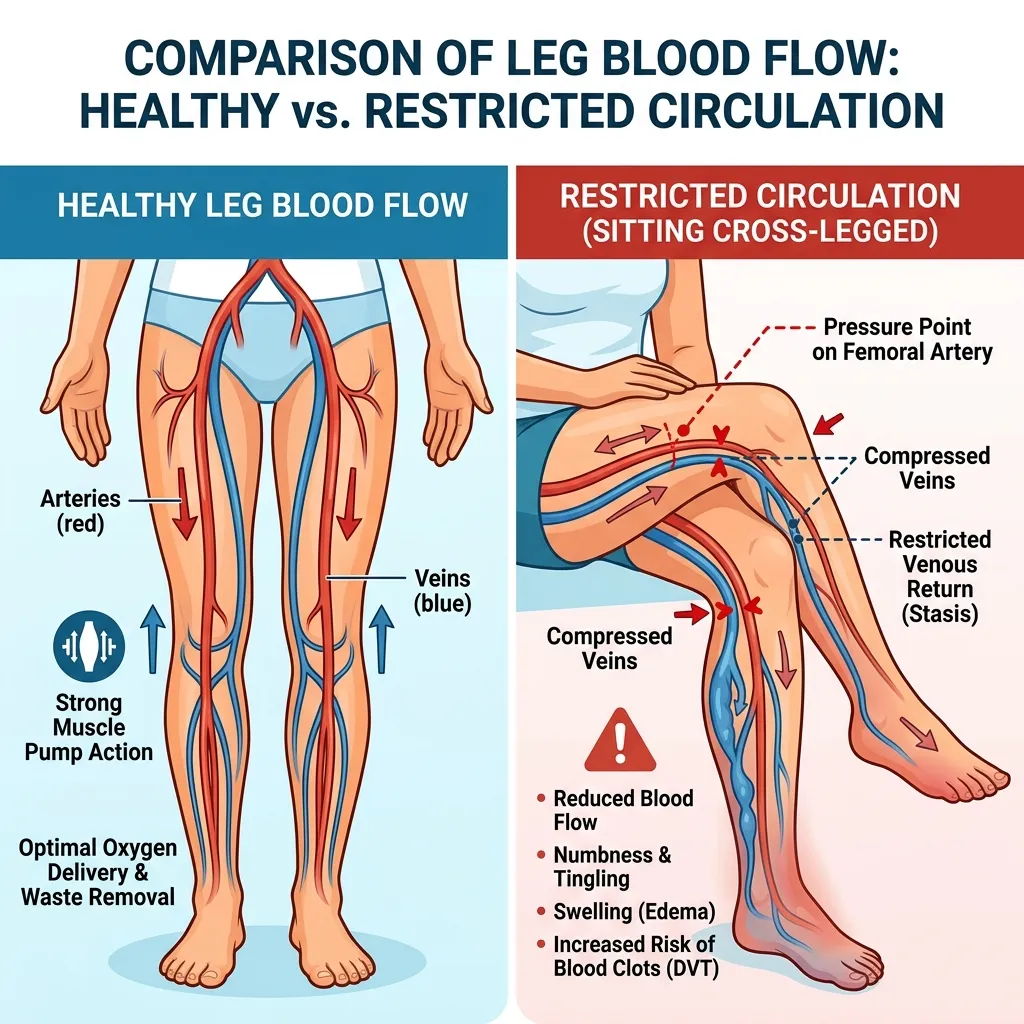
While this spike is temporary and drops when you uncross your legs, habitually restricting your blood flow isn’t ideal for long-term cardiovascular wellness.
Does Crossing Your Legs Cause Varicose Veins?
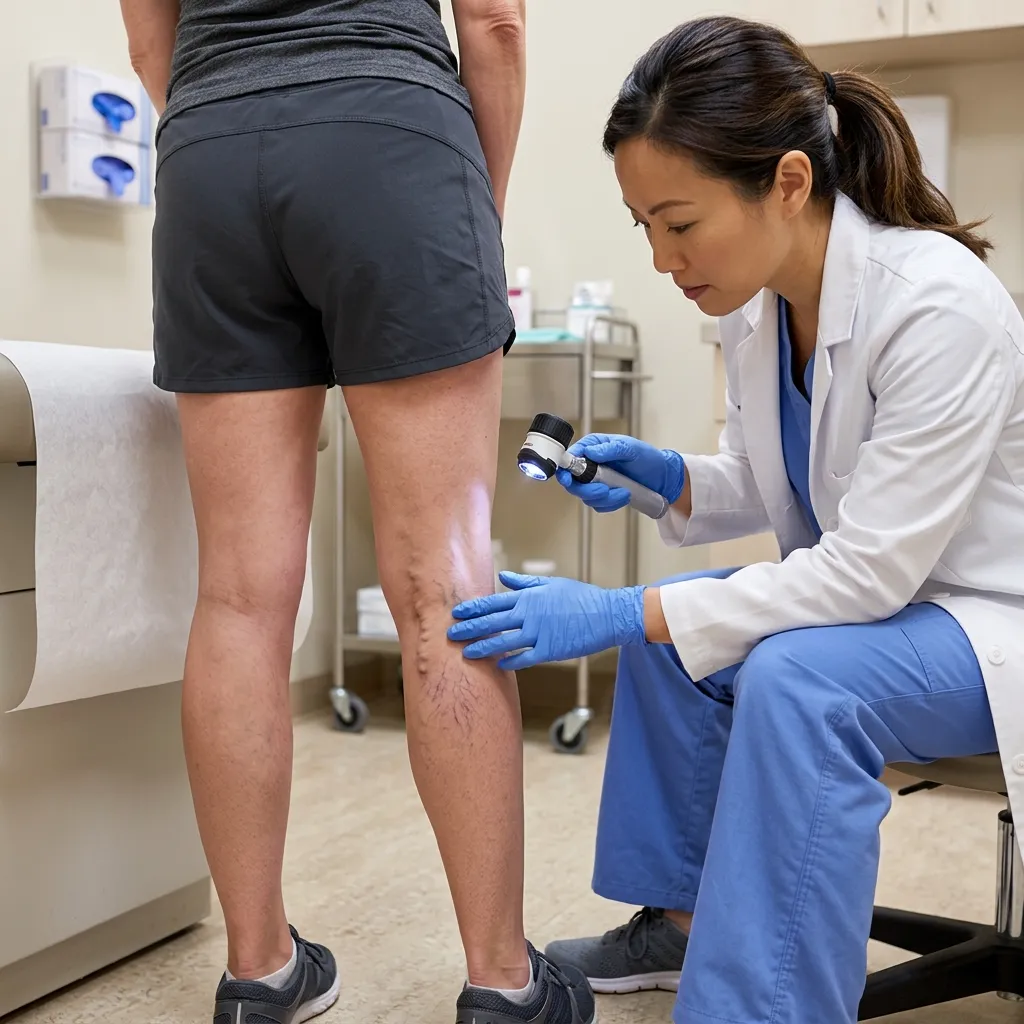
This is the most common myth surrounding the habit. So, does sitting cross-legged actually cause varicose and spider veins? The short answer is: not directly, but it can certainly make them worse.
Varicose veins are primarily caused by genetics, age, and prolonged standing or sitting. However, because crossing your legs hinders blood circulation and increases the pressure within your veins, it can damage the tiny, one-way valves inside your blood vessels. If you are already prone to vein issues, this sitting posture will only accelerate the problem.
The Risk of Nerve Damage (Peroneal Nerve Palsy)
If you’ve ever uncrossed your legs only to be met with a painful “pins and needles” sensation, you’ve experienced temporary nerve compression. Sitting knee-over-knee puts direct pressure on the peroneal nerve, a major nerve located just behind your knee.
If you routinely hold this position for hours on end, you risk developing a condition known as peroneal nerve palsy. This can lead to long-term numbness, tingling in the feet, and even muscle weakness in your ankles.

So, Is Crossing Your Legs Bad for Your Health Long-Term?
The occasional leg-cross during a brief meeting isn’t a death sentence for your posture or circulation. The real danger lies in chronic, everyday repetition. If you are sitting for 40 to 50 hours a week and habitually favoring one side, the musculoskeletal imbalances and circulatory stress will compound over months and years.
Tips for Better Sitting Habits
Breaking a subconscious habit takes time, but your joints, spine, and veins will thank you. Here is how you can improve your sitting posture starting today:
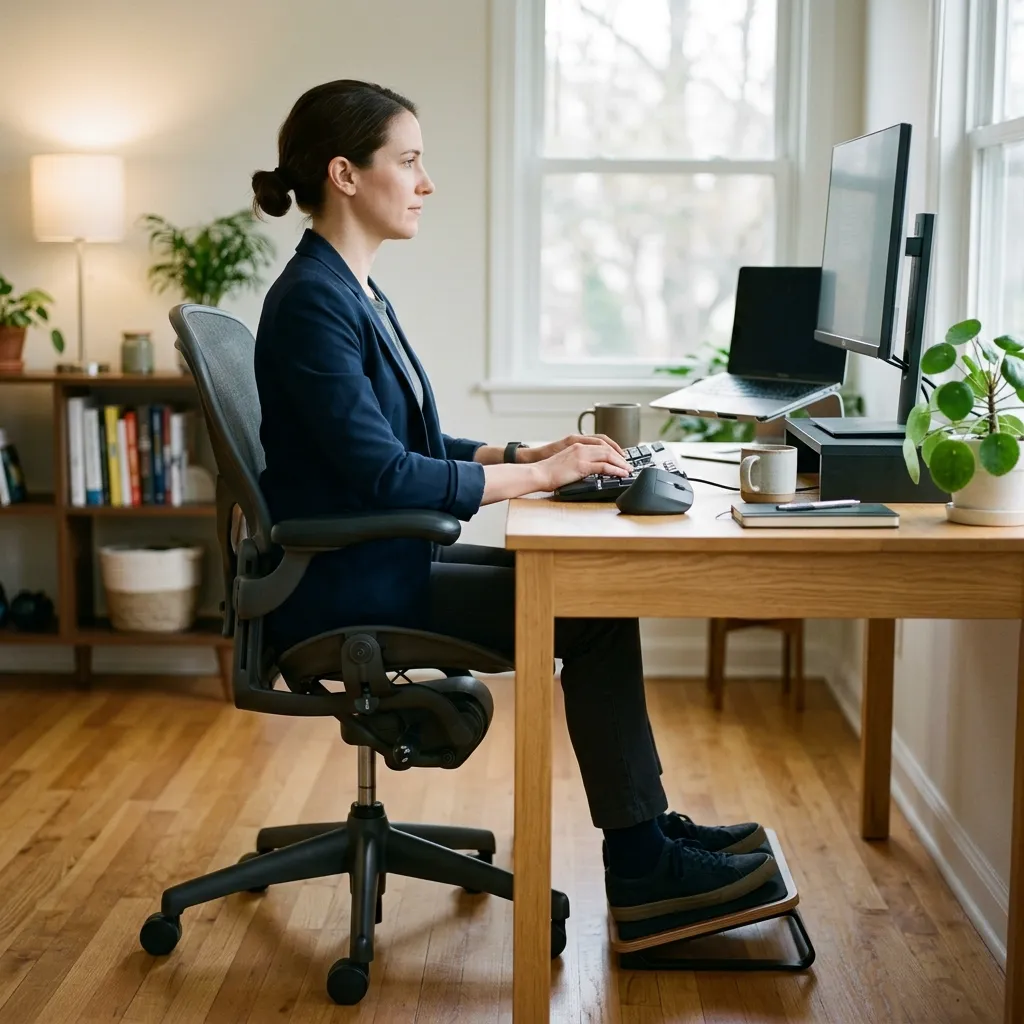
Keep Both Feet Flat: Adjust your office chair so that your knees are bent at a 90-degree angle and both feet rest flat on the floor.
Use a Footrest: If your legs are on the shorter side, a small ergonomic footrest can help prevent the urge to cross your legs for stability.
Set a Timer: Movement is your best defense against sitting-related health issues. Set a reminder to stand up, stretch your hips, and walk around every 45 minutes.
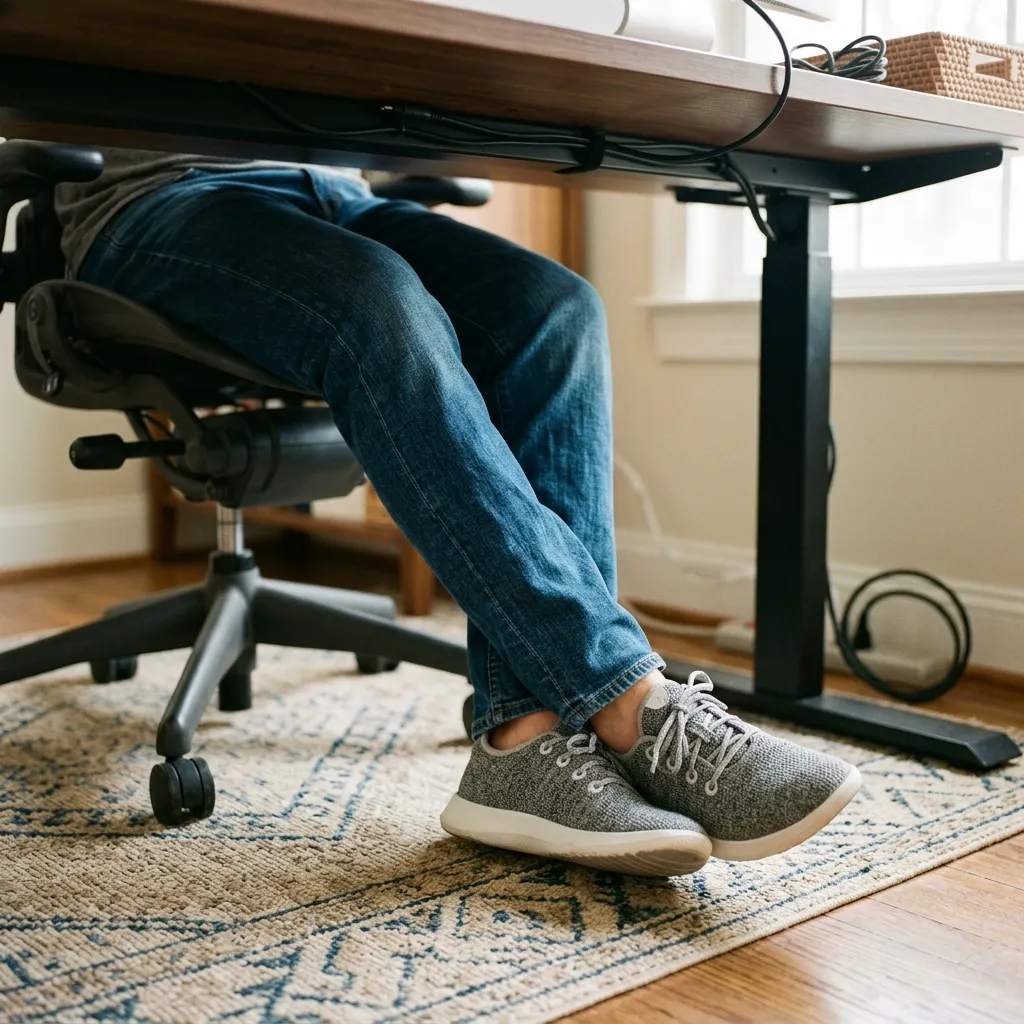
Cross at the Ankles: If you absolutely must cross something to feel comfortable, cross your legs at the ankles instead of the knees. It places significantly less strain on your pelvis and veins.
The Final Verdict
Ultimately, is crossing your legs bad for your health? Yes, when done excessively. While it might feel comfortable in the moment, the long-term effects on your posture, nerves, and circulation simply aren’t worth the risk. Uncross those legs, plant your feet firmly on the ground, and give your body the balance it deserves!