


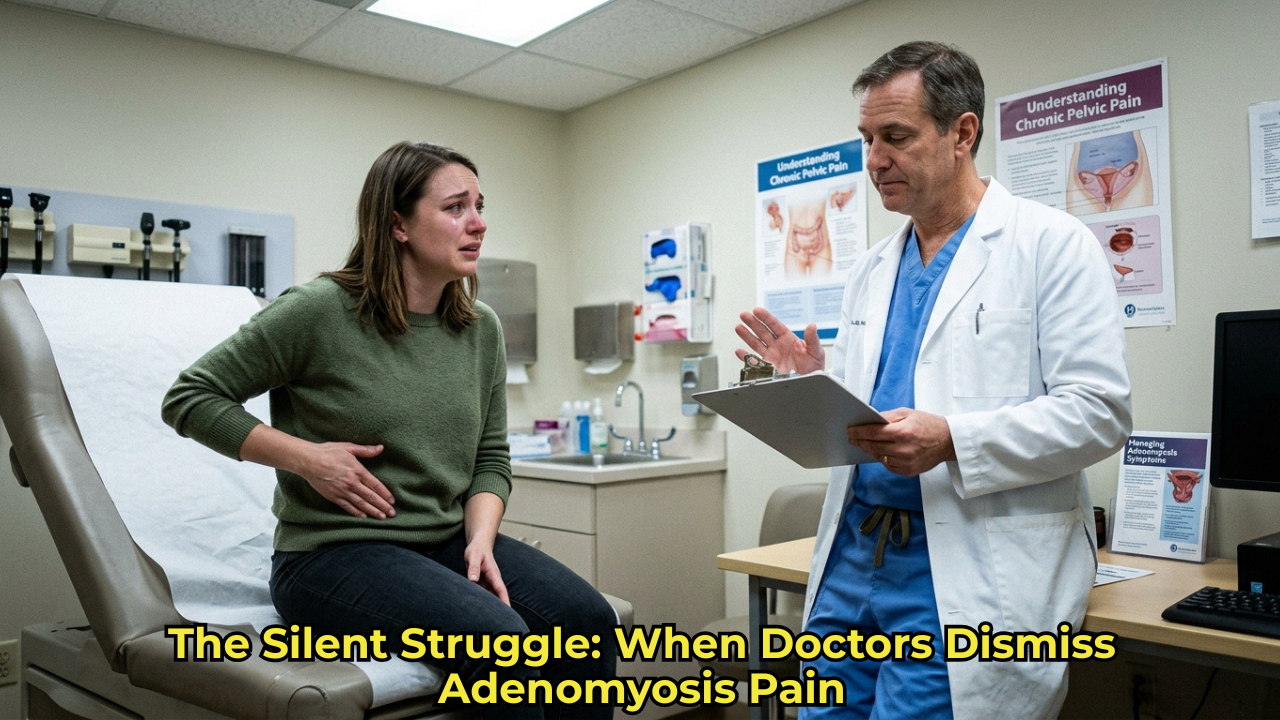
If you have ever left a gynecologist’s office in tears because you were told your debilitating cramps were “just a normal part of being a woman,” you are far from alone. For millions of women, the journey to a correct medical diagnosis is paved with frustration, gaslighting, and unnecessary suffering. The ongoing issue of doctors dismissing adenomyosis pain has become a silent epidemic in women’s healthcare. Instead of receiving treatment, patients are routinely offered ibuprofen, birth control pills, and the damaging message that their agony is all in their heads.
It is time to pull back the curtain on this deeply flawed dynamic, explore why the medical system consistently fails women with chronic pelvic pain, and learn how you can finally get the care you deserve.
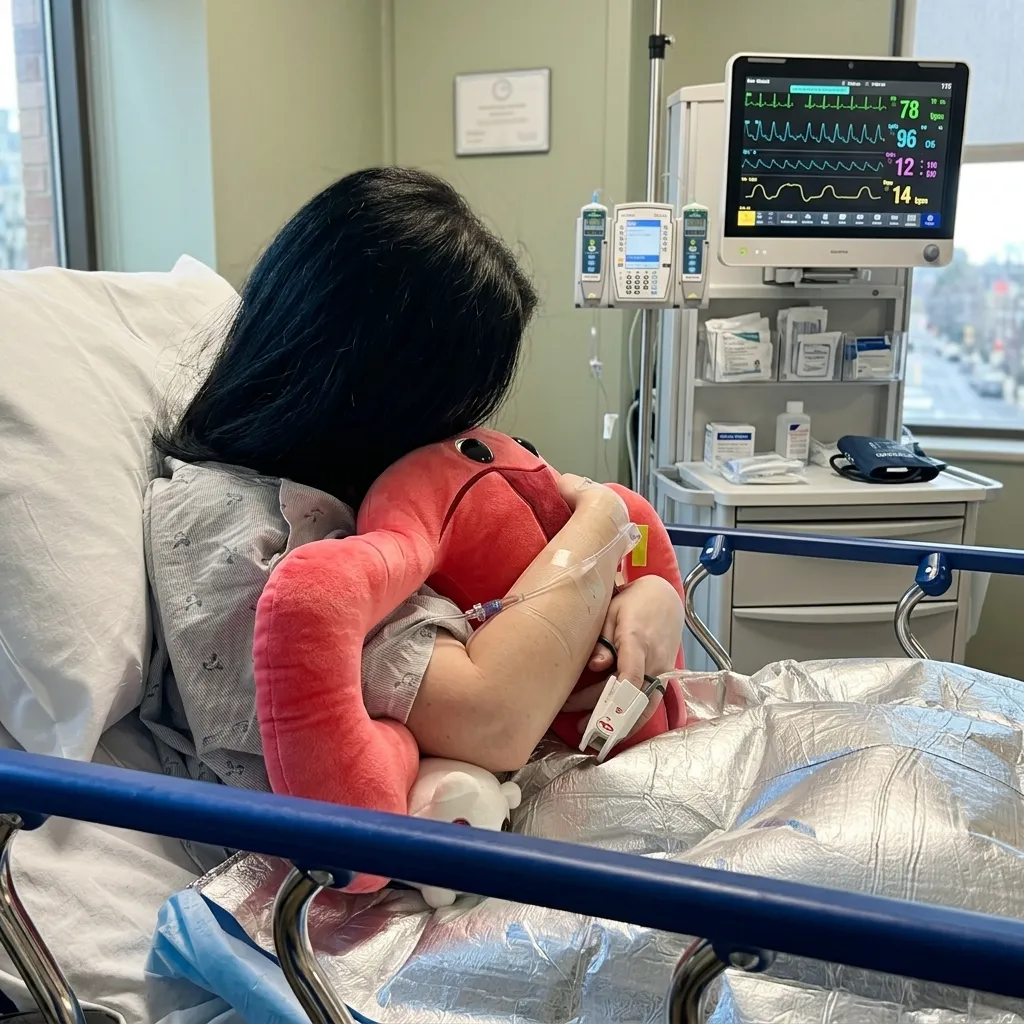
What Is Adenomyosis? (And Why Does It Hurt So Much?)
To understand why medical professionals get it so wrong, we first have to understand the condition itself. Adenomyosis occurs when the endometrial tissue—the tissue that normally lines the inside of the uterus—begins to grow into the muscular wall of the uterus.
Unlike endometriosis, where the tissue grows entirely outside the uterus, adenomyosis causes the uterus itself to become enlarged, inflamed, and incredibly tender. The results? Heavy, prolonged menstrual bleeding, knife-like pelvic pain, severe bloating, and pain during intercourse.
Despite these glaring red-flag symptoms, getting a doctor to look past the “it’s just a bad period” narrative is notoriously difficult.
Read More: PCOS Has a New Name: Why Women Are Reacting to the PMOS Shift
The Harsh Reality of Doctors Dismissing Adenomyosis Pain
Why does it take women an average of seven to ten years to get an accurate diagnosis for chronic pelvic conditions? The answer lies in a long history of gender bias in medicine.
Medical Gaslighting in Women’s Health
Medical gaslighting happens when a healthcare provider minimizes, ignores, or downplays a patient’s symptoms. When it comes to women’s pain, there is a pervasive, outdated medical bias that assumes women exaggerate their physical suffering. Because menstrual pain is normalized in our society, the line between “normal cramps” and the agonizing reality of adenomyosis is frequently blurred by the very professionals supposed to treat it.
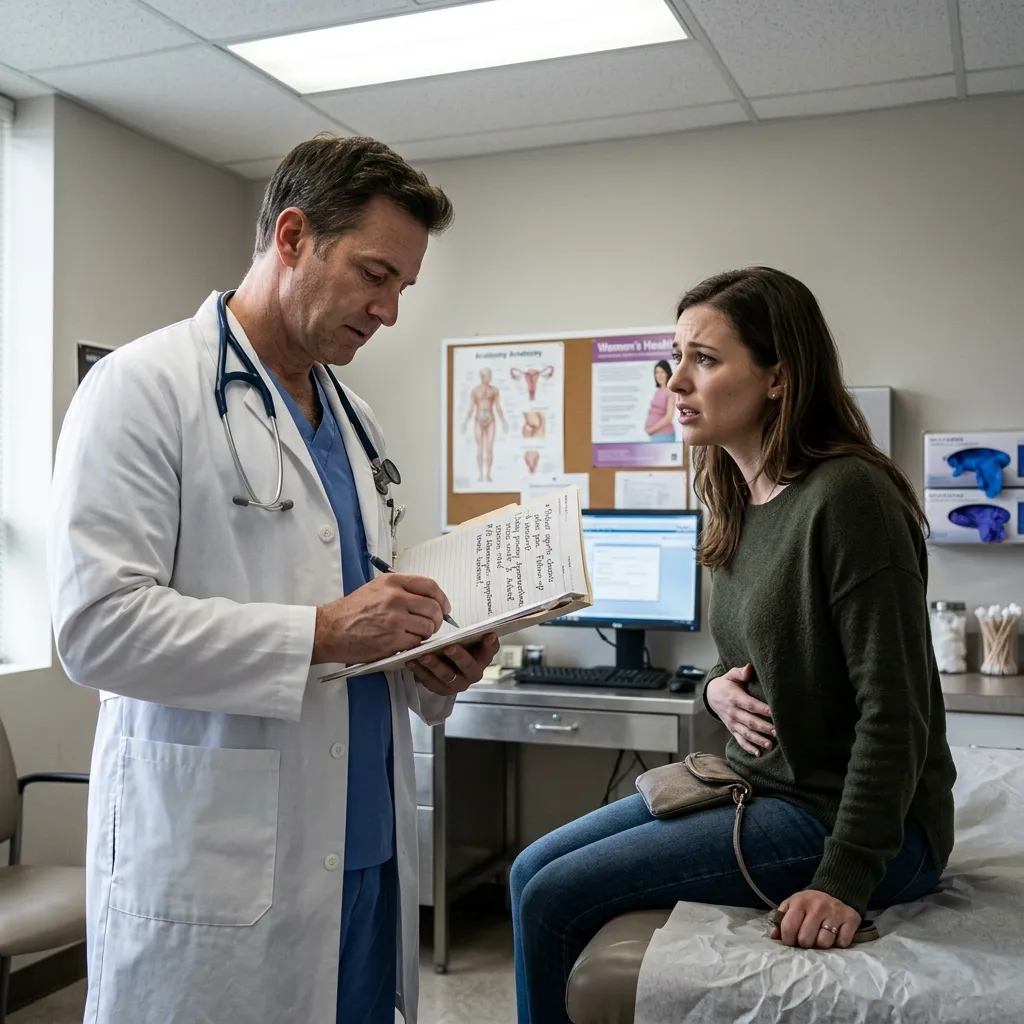
Why Adenomyosis is Frequently Misdiagnosed
Beyond outright dismissal, adenomyosis is notoriously tricky to catch on standard imaging. Routine ultrasounds often miss the subtle thickening of the uterine wall, leading doctors to declare that “everything looks normal.” When tests come back clear, the default response from many physicians is to assume the pain is psychosomatic or easily managed with over-the-counter painkillers.
If you are dealing with doctors dismissing adenomyosis pain, know this: a clear ultrasound does not invalidate your lived experience.
How to Advocate for Yourself When Doctors Ignore Your Symptoms
You know your body better than anyone else. If your current healthcare provider isn’t taking you seriously, it is time to take control of your medical journey. Here are a few actionable ways to advocate for yourself.
Read More: Finding Relief: Can Leech Therapy for Chronic Migraines Cure Invisible Illness?
Track Your Symptoms Relentlessly
Data is your best defense against medical gaslighting. Keep a detailed symptom diary. Track the exact days you experience pain, the severity on a scale of 1 to 10, the volume of your bleeding, and how these symptoms impact your daily life (e.g., missed work, inability to exercise). Presenting hard, organized data makes it much harder for a physician to brush off your concerns.
Request Diagnostic Alternatives for Adenomyosis Pain
If a transvaginal ultrasound shows nothing, ask your doctor about an MRI. Magnetic Resonance Imaging is significantly more effective at detecting the thickened uterine walls characteristic of adenomyosis. If your doctor refuses to order one, ask them to document their refusal in your medical chart. Often, this simple request makes them reconsider.
Find a Specialist Who Listens
Ultimately, you should never have to beg a medical professional to believe you. If you are constantly fighting against doctors dismissing adenomyosis pain, it is time to fire your doctor. Look for an excision specialist or a gynecologist who specifically focuses on endometriosis and pelvic pain disorders. These specialists are trained to spot the nuances of complex uterine conditions and will validate your pain from day one.
Your pain is real, your symptoms are valid, and you deserve a medical team that fights for your health, not against it.
Read More: High-Masking Autism In Women: How I Confused Burnout For Narcissism