


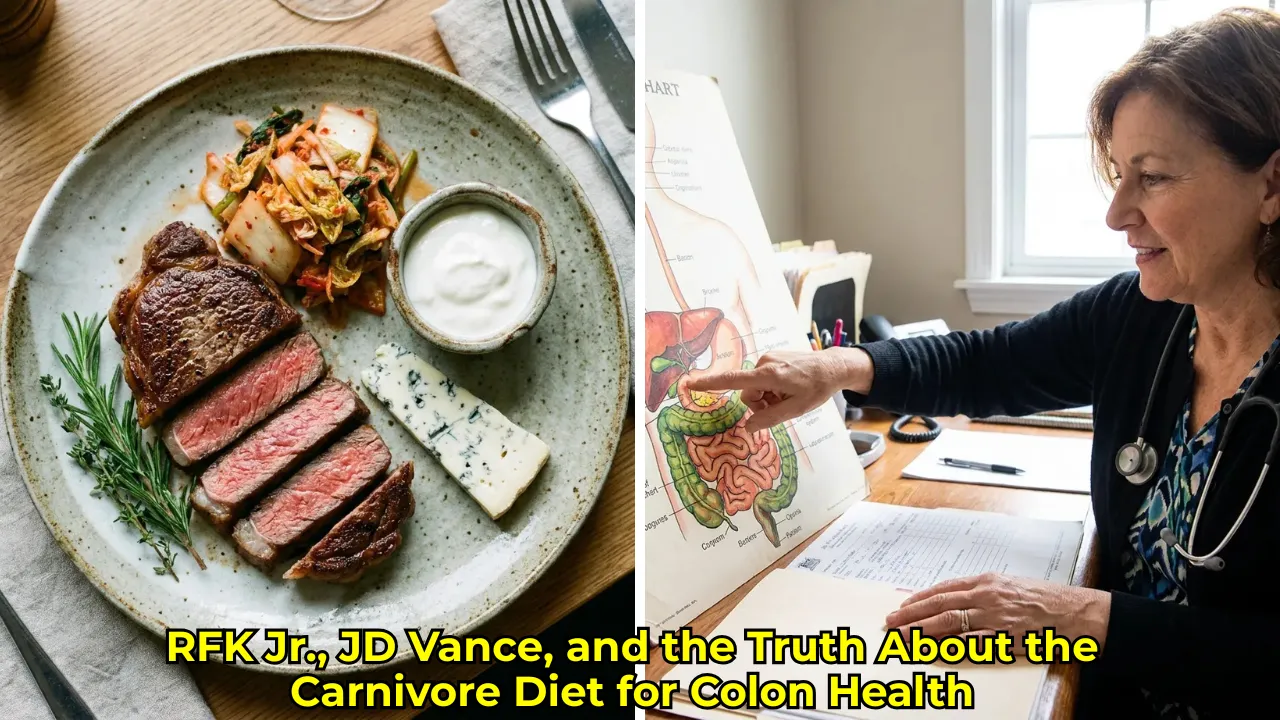
RFK Jr., JD Vance, and the Truth About the Carnivore Diet for Colon Health
In the ever-evolving world of wellness, the carnivore diet for colon health has unexpectedly become one of the most talked-about trends of the year, largely fueled by high-profile political figures. U.S. Health Secretary Robert F. Kennedy Jr. and Vice President JD Vance have recently sparked massive interest in a highly debated gut-health protocol. If you’ve been scrolling through wellness TikTok or reading the latest health headlines, you’ve likely seen the buzz surrounding this so-called “living” meat-eating regimen. But does swapping out traditional fiber-rich foods for grass-fed steaks and sauerkraut actually work, or is it just another digestive disaster waiting to happen? Here is everything you need to know about this controversial eating plan.
What is the Living Carnivore Diet for Colon Health?
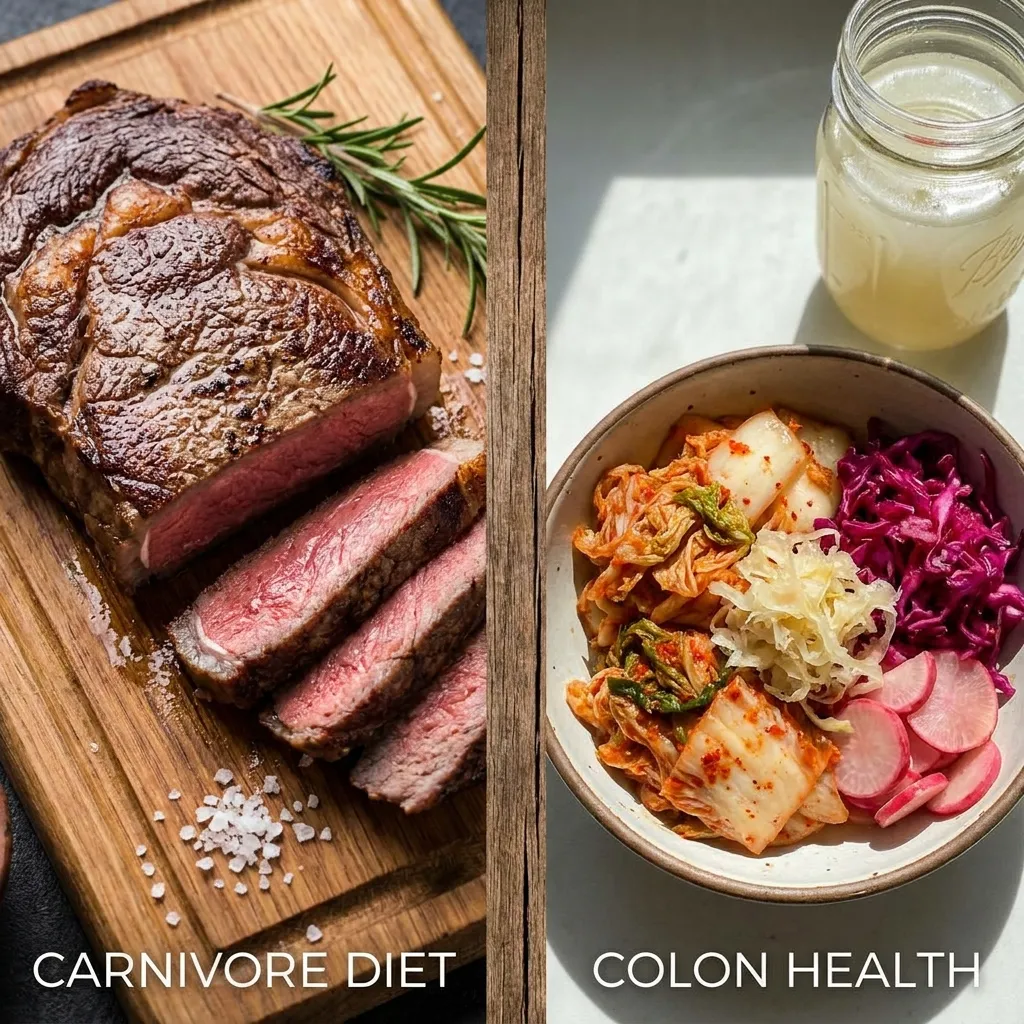
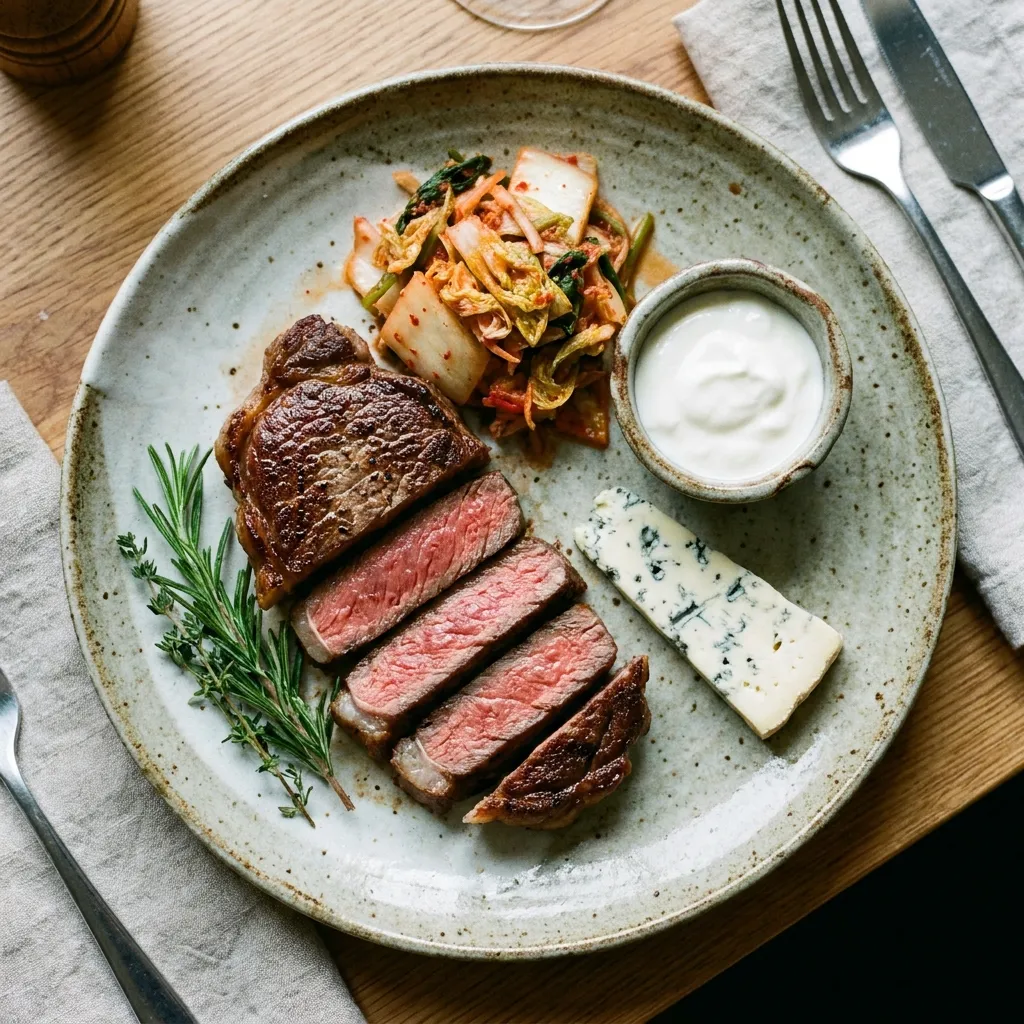
Created by health optimization expert Dr. Sean O’Mara, this specific take on the meat-eater’s lifestyle is known as the “living carnivore diet.” Unlike the traditional carnivore protocol that relies exclusively on animal products, this modernized version incorporates a heavy dose of fermented, probiotic-rich foods. Followers of this carnivore diet for colon health consume high amounts of grass-fed meat alongside gut-friendly staples like yogurt, pickles, sauerkraut, kimchi, and aged “old world” cheeses, such as Gorgonzola.
The ultimate goal? To optimize the gut microbiome, eliminate visceral fat, and completely streamline digestion. According to its creator, adhering to this strict regimen leads to such optimal digestion that you arguably wouldn’t even need to use toilet paper. RFK Jr. reportedly adopted the plan last year, publicly crediting the carnivore diet for colon health for helping him drop 20 pounds, reduce chronic pain, and improve his overall metabolic health.
The Science Behind This Carnivore Diet for Colon Health
The core philosophy of this diet rests on the unique combination of animal proteins and prebiotics/probiotics from fermented foods. Fermented foods are having a massive moment in the wellness sphere, and for good reason. They produce beneficial compounds during the fermentation process that actively support immune function and nutrient absorption.

When you blend these probiotic benefits with a strict rule of zero processed sugars and no alcohol, the carnivore diet for colon health seems incredibly appealing on paper. However, medical experts urge caution when applying this highly restrictive approach to your daily life.
Do Gastroenterologists Recommend the Carnivore Diet for Colon Health?
While politicians and wellness influencers might praise the immediate weight-loss results, the medical community remains highly skeptical. The biggest missing piece in this carnivore diet for colon health puzzle? Dietary fiber.

Dietitians and gastroenterologists continually emphasize that plant-based fiber—found in whole grains, fruits, vegetables, and legumes—is the absolute cornerstone of optimal digestion. Without adequate fiber to add bulk and retain water in your stool, your digestive transit time slows down significantly. For many, attempting a strict carnivore diet for colon health without plant fiber leads to hard, infrequent bowel movements or severe constipation. In short, extreme changes to your bathroom habits are a red flag that your gut is off-balance, not optimized.

The Hidden Risks of a High-Meat Carnivore Diet for Colon Health
Attempting a carnivore diet for colon health without understanding its physiological impact can backfire on your body. While the fermented foods provide excellent gut bacteria, the heavy reliance on red meat and animal fats introduces notable health risks:
Cardiovascular Concerns: A high intake of saturated fats from red meat and dairy is closely linked to elevated cholesterol levels and heart disease.
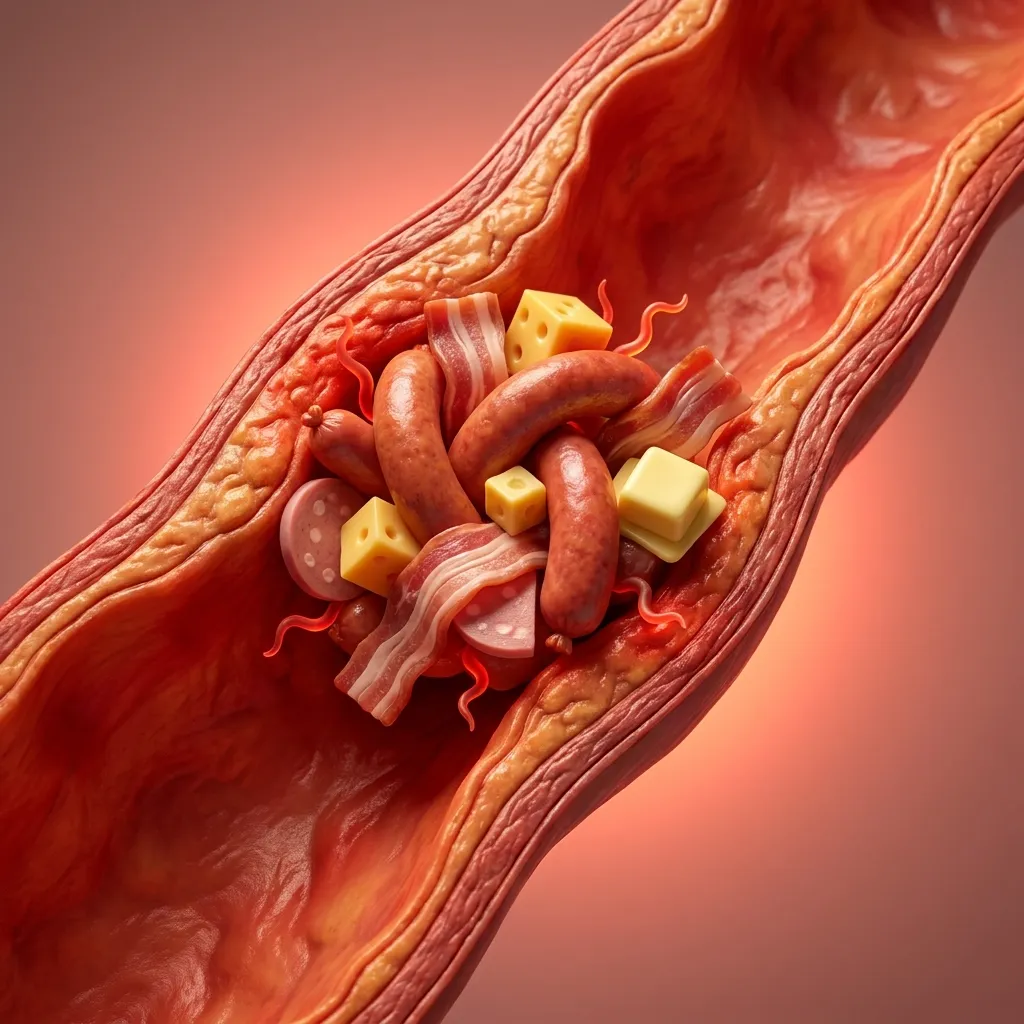
Long-term Colon Risks: Numerous clinical studies have connected heavy, long-term consumption of red meat to higher rates of colon cancer—a fact that directly contradicts the premise of a carnivore diet for colon health.
Severe Digestive Distress: Adding massive amounts of fermented foods to your diet abruptly can cause uncomfortable gas and bloating.
Final Thoughts on the Carnivore Diet for Colon Health
Here at Elits Buzz, we always recommend prioritizing long-term, sustainable wellness over extreme internet trends. While cutting out ultra-processed foods, refined sugars, and alcohol is universally praised by doctors, replacing a beautifully balanced plate with excessive red meat is a massive health gamble.
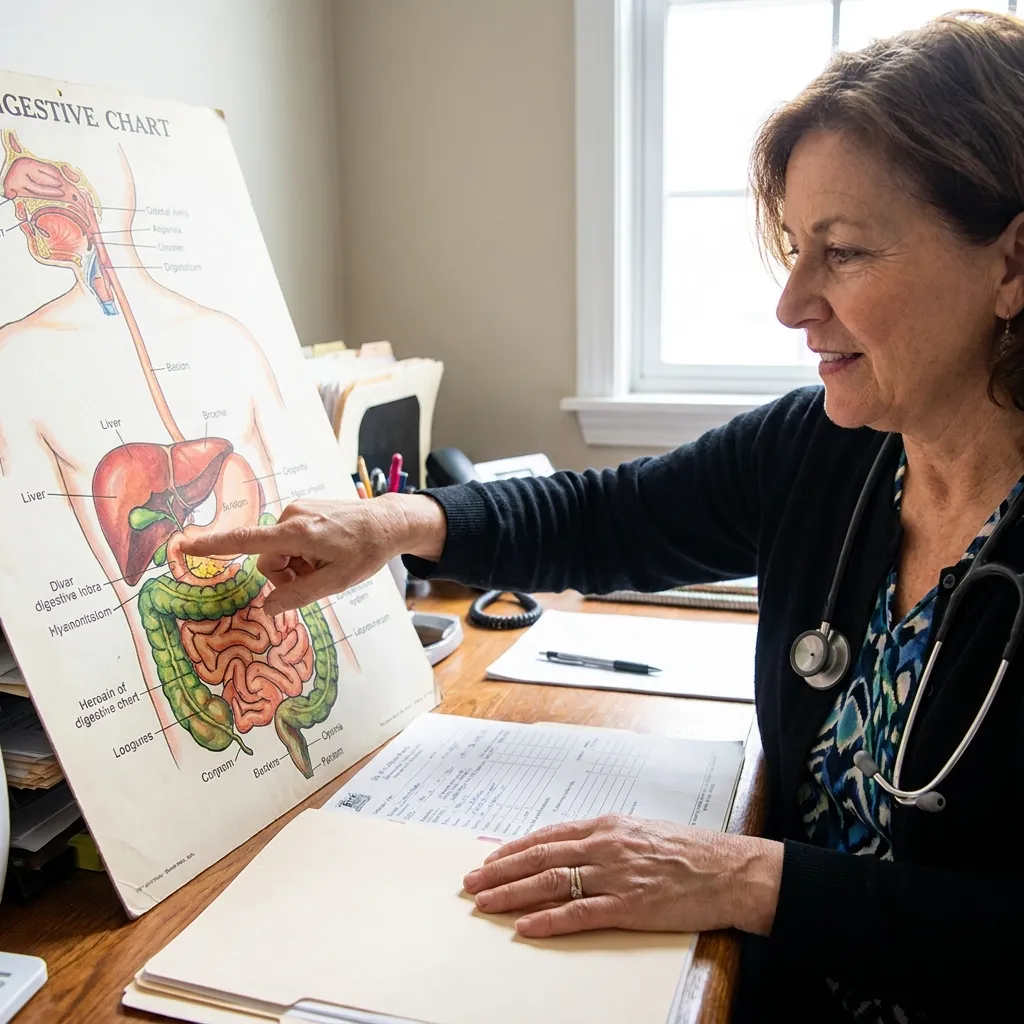
If you are curious about the benefits touted by the carnivore diet for colon health, you don’t need to go to extremes. You can easily integrate the best parts of this trend into your routine safely. Start by adding high-quality fermented foods like kimchi or sauerkraut to a balanced diet rich in plant-based fibers, lean proteins, and healthy fats. Always consult your primary care physician or a registered dietitian before completely overhauling your eating habits to ensure your gut stays genuinely healthy and happy!