


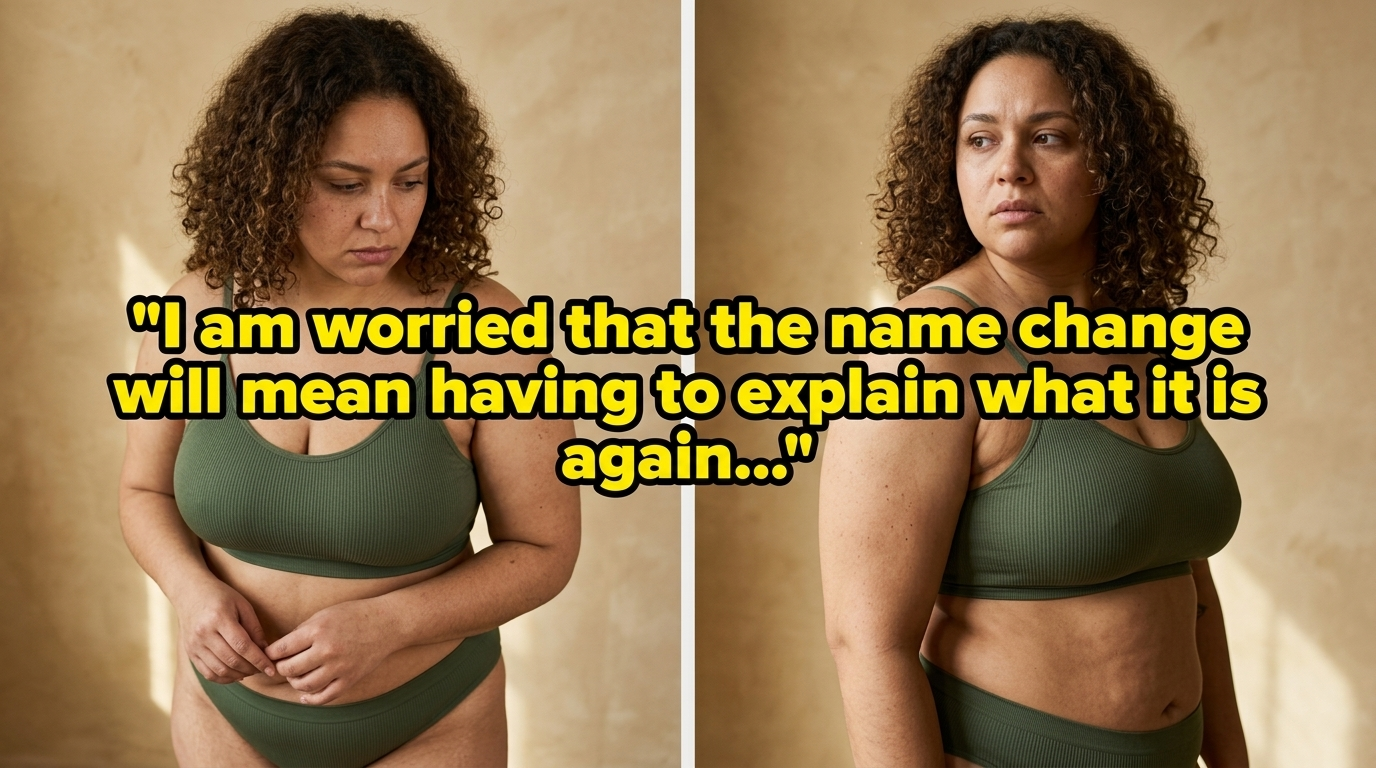
It’s Official: PCOS Has A New Name, And Women Have Thoughts
For nearly a century, the medical community has boxed millions of people into a diagnostic corner using a term that never quite fit. If you are one of the estimated 1 in 8 women worldwide living with irregular periods, hormonal acne, stubborn weight gain, or fertility struggles, you’ve likely spent years tracking your symptoms under the banner of Polycystic Ovary Syndrome. But following a landmark global study published in The Lancet, the medical world is officially giving PCOS a new name: PMOS, which stands for Polyendocrine Metabolic Ovarian Syndrome.

This rebranding isn’t just a superficial vocabulary tweak; it’s a massive structural shift in how a deeply misunderstood condition will be diagnosed, researched, and treated moving forward. Naturally, the internet has a lot to say about it.
Out With The “Cysts”: Why The Name Change Was Desperately Needed
The term “Polycystic Ovary Syndrome” was first coined back in the 1930s when surgeons noticed what looked like tiny fluid-filled sacs on patients’ ovaries. But as decades of subsequent endocrinology research have proven, those “cysts” aren’t actually cysts at all—they are merely underdeveloped egg follicles whose growth was arrested by a systemic hormonal imbalance.
Worse yet, the old name completely ignored the full-body reality of the condition. By focusing entirely on the ovaries, the previous medical framework often reduced a complex metabolic disorder to nothing more than a “fertility issue.” Millions of women who didn’t explicitly have “cysts” on their ultrasounds were routinely dismissed, told their symptoms were all in their head, or instructed to “just come back when you want to get pregnant.”
The shift to Polyendocrine Metabolic Ovarian Syndrome (PMOS) aims to shatter that narrow perspective. By integrating “polyendocrine” (meaning it involves multiple hormone glands) and “metabolic” directly into the title, the global coalition of doctors and patients who pushed for this change are finally acknowledging that this condition impacts everything from insulin resistance and mental health to cardiovascular risks.
Read More: Doctors Dismissing Adenomyosis Pain: Why Women Aren’t Believed
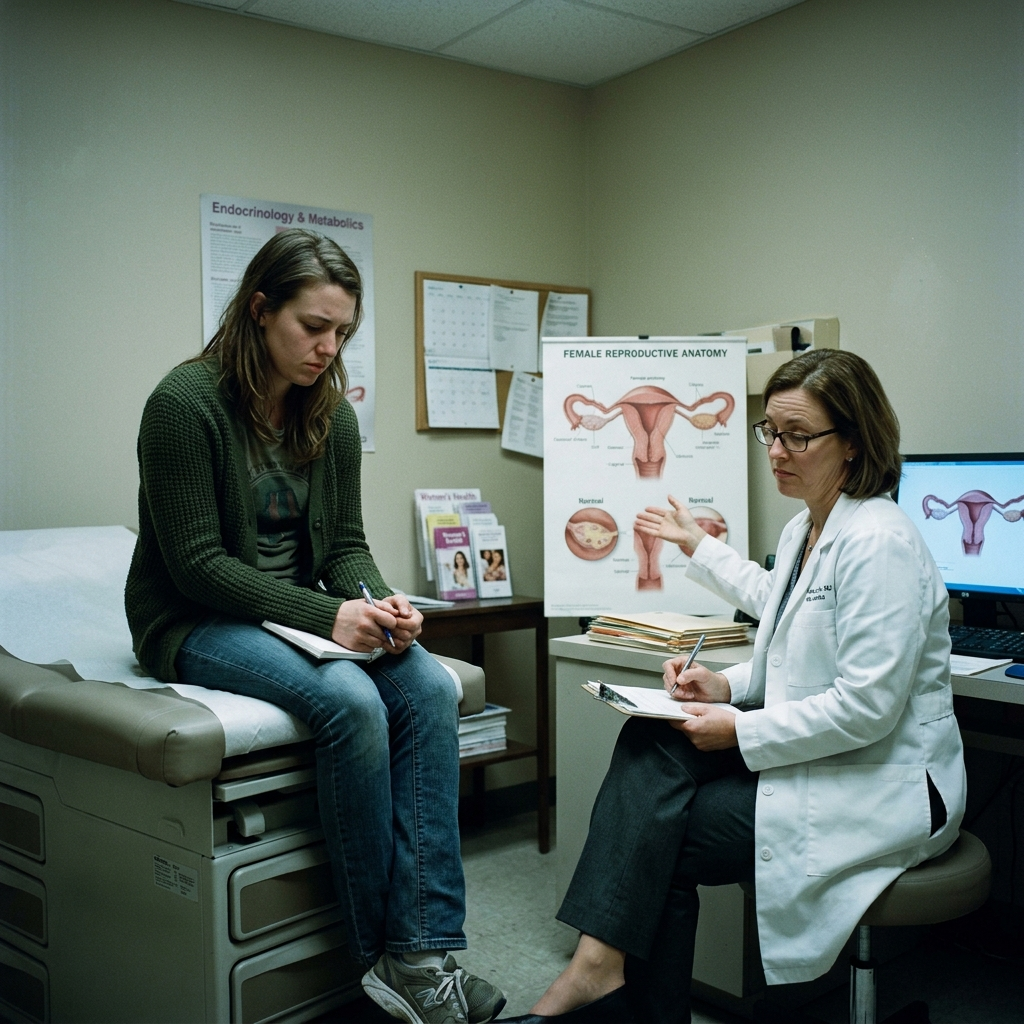
“Validation, But Make It 14 Years Too Late”: How Women Are Reacting
Over on TikTok, Instagram, and Reddit, the reaction from the chronic illness community has been a whirlwind of validation, exhaustion, and sharp humor. For many, seeing the medical establishment finally admit that the old name was misleading feels like a hard-won victory.
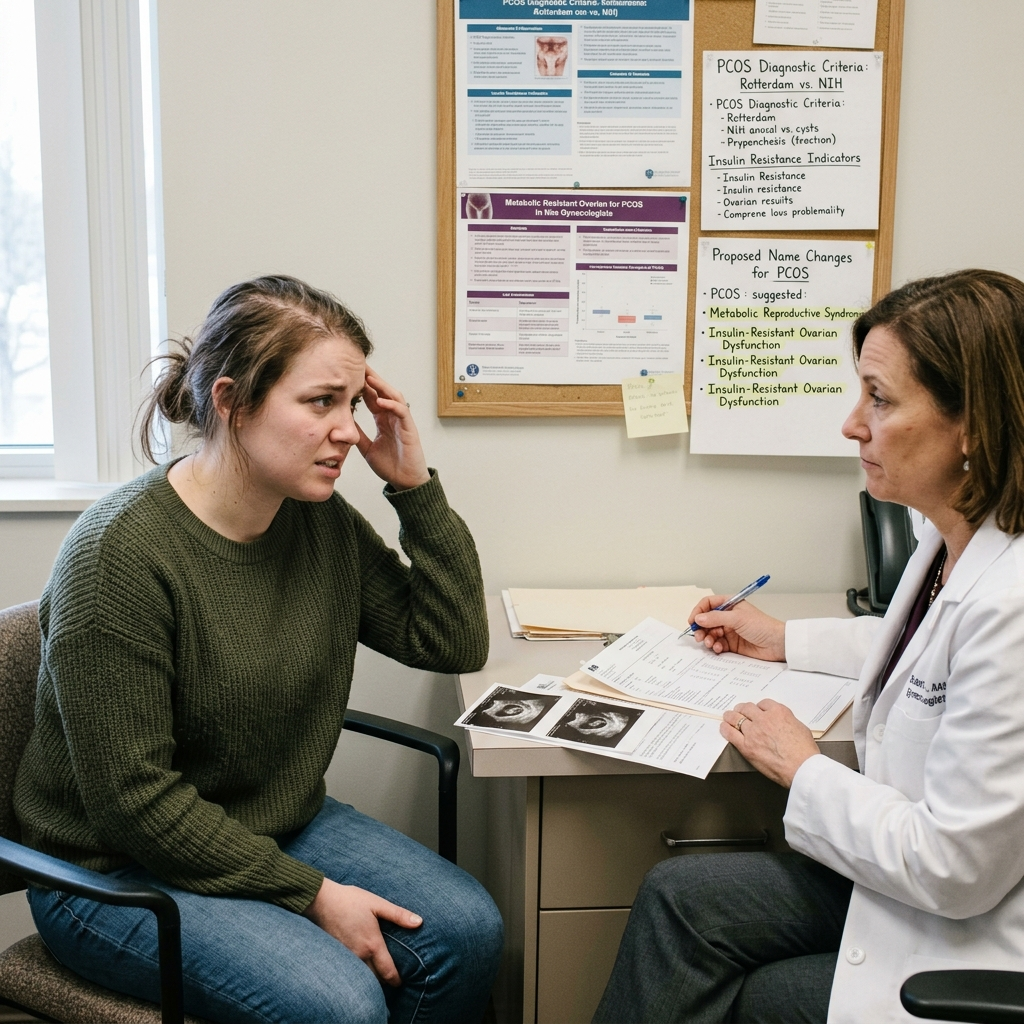
“I spent my entire twenties arguing with doctors who told me I couldn’t have PCOS because my ovaries looked clear on an ultrasound, even though I had text-book insulin resistance and lost half my hair,” wrote one user in a viral comment section. “Changing the name to reflect metabolism is the bare minimum, but honestly, it feels like a massive relief.”
Yet, amidst the validation, there’s a palpable sense of frustration. The renaming process took a staggering 14 years of international collaboration and surveys involving over 14,000 patients and clinicians. For a demographic used to fast-paced digital advocacy, a decade and a half just to rewrite a medical label highlights exactly how sluggishly women’s healthcare moves.

Many young creators are also pointing out that while changing the name to PMOS is a phenomenal first step, it doesn’t automatically erase the systemic medical gaslighting that women—especially women of color—experience at the doctor’s office.
Read More: High-Masking Autism In Women: How I Confused Burnout For Narcissism
What Does The PMOS Era Mean For Your Future Doctor Visits?
If you’ve already been diagnosed with PCOS, don’t panic. Your treatment plan won’t magically vanish overnight, but the way your care is managed likely will evolve. Medical pioneers hope the updated terminology will encourage doctors to treat the body holistically rather than handing out a standard birth control prescription and calling it a day.
Because PMOS highlights the metabolic undercurrents of the condition, future clinical approaches will likely lean more heavily into early interventions for insulin management, individualized lifestyle support, and mental health resources to combat the anxiety and depression so frequently tied to the syndrome. It is also expected to open up massive new pipelines for research funding, as the condition is no longer pigeonholed solely as a reproductive ailment.
Ultimately, this rebrand is proof of what women have known all along: our symptoms are connected, our pain is real, and we deserve a healthcare system that looks at the whole picture.