


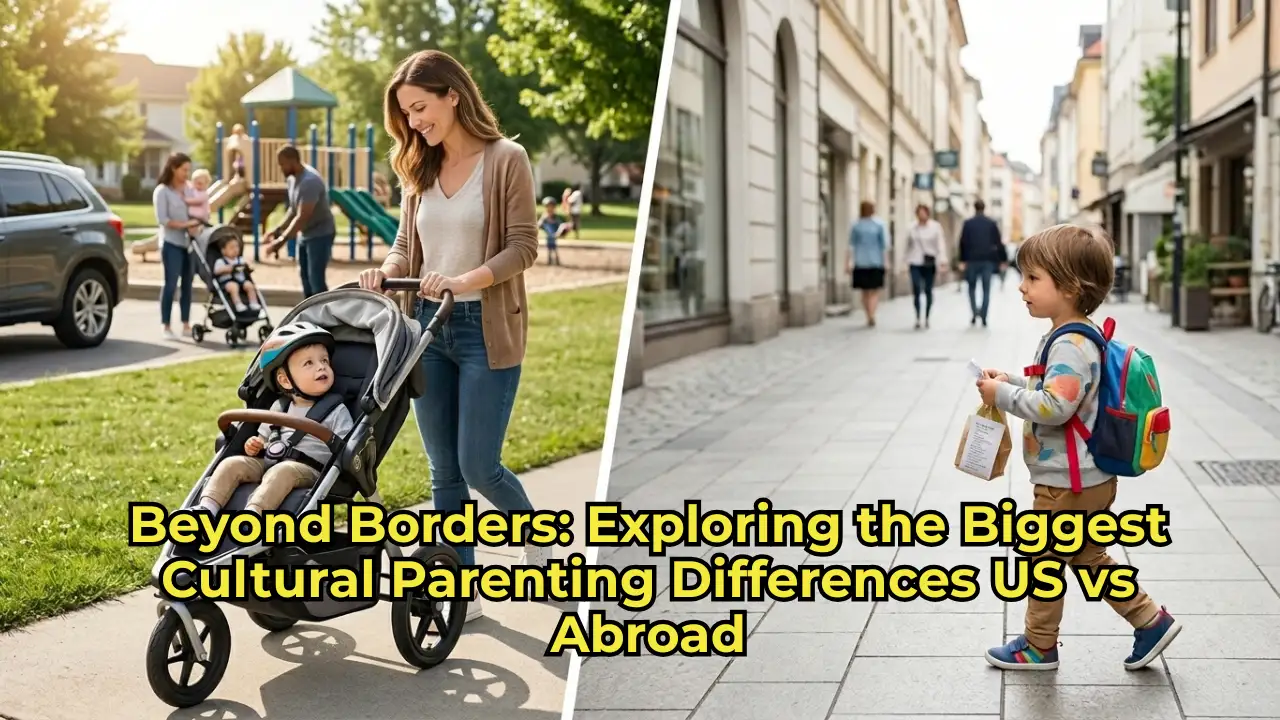
Here at Elits Buzz, we are constantly tracking the conversations that shape modern family life, and few topics ignite as much fascination as global child-rearing. If you have ever scrolled through social media, you have likely seen viral posts highlighting how differently mothers and fathers operate overseas compared to the United States. From hospital bills to nap times, exploring cultural parenting differences US vs abroad provides a fascinating lens into the values and norms that shape the next generation.
Let’s break down some of the most striking contrasts between American parenting and the rest of the world.
The Cost of Welcoming a Baby: Healthcare and Leave
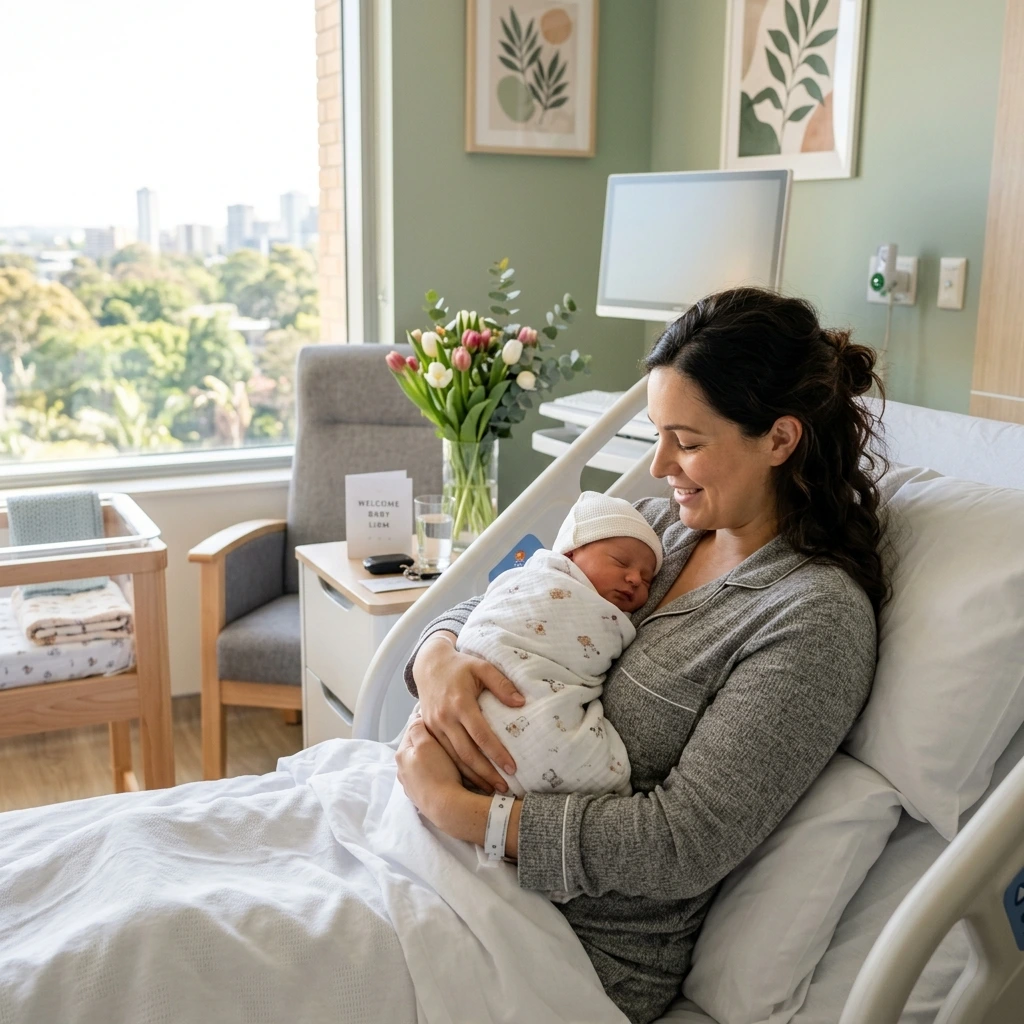
Perhaps the most universally discussed contrast lies in the systemic support provided to new parents. In the United States, welcoming a newborn often comes with a significant hospital bill, even with premium health insurance. When examining cultural parenting differences US vs abroad, the financial burden of birth is a uniquely American stressor.
In many European countries, Canada, and Australia, prenatal care and hospital deliveries are heavily subsidized or entirely covered by national healthcare systems. Furthermore, standard maternity (and paternity) leave abroad often extends for up to a year—or more—with guaranteed pay and job security. In the US, piecing together a few weeks of paid leave remains a luxury for many.
Independence and Safety: Letting Kids Roam
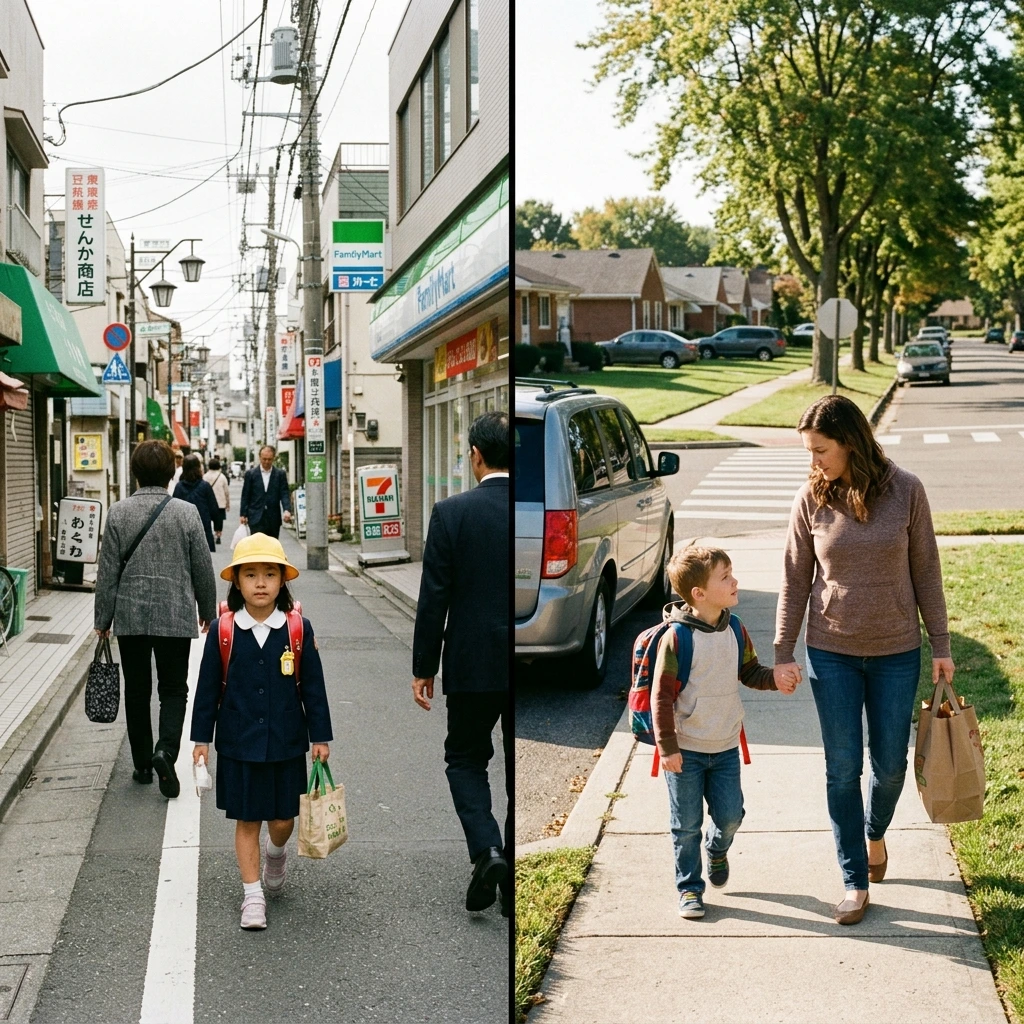
American parents are often accustomed to driving their children everywhere, scheduling playdates, and closely monitoring their every move. However, step outside the US, and the leash gets remarkably longer.
In Japan, it is entirely normal for children as young as four or five to run errands for their parents, taking the subway and walking to the grocery store alone. Similarly, in countries like Germany and Switzerland, young children are expected to walk to school independently. These cultural parenting differences US vs abroad stem from different societal views on safety, community trust, and the importance of fostering early self-reliance.
Read More: 9 Best Children’s Books to Read Aloud
Mealtime Rules: No “Kids Menus” Here
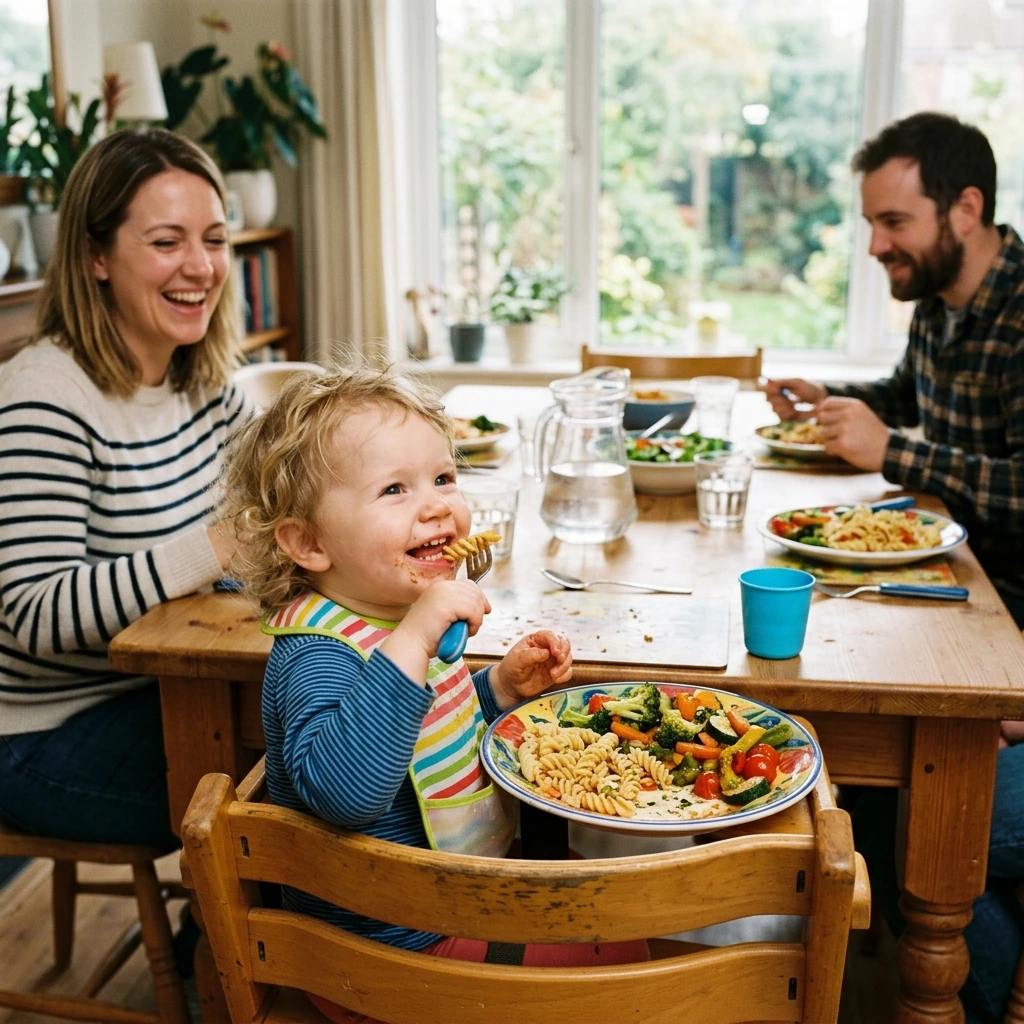
If you sit down at a standard American restaurant, you are almost guaranteed to find a kids menu featuring chicken nuggets, macaroni and cheese, and fries.
Travel to France, Italy, or South Korea, and the concept of “kid food” practically vanishes. Children are expected to eat what the adults eat, right from the start. A French toddler is just as likely to be served roasted vegetables, fish, and strong cheeses as their parents. This is one of the most delightful cultural parenting differences US vs abroad, resulting in diverse palates and a reduction in mealtime battles.
Sleep Habits: Napping in the Great Outdoors
If an American parent left their baby sleeping in a stroller outside a cafe in the middle of winter, panic would ensue. Yet, in Nordic countries like Denmark and Sweden, sub-zero outdoor naps are the standard. Parents believe the fresh air promotes better sleep and stronger immune systems. Babies are bundled in specialized thermal gear and left to snooze peacefully on snowy sidewalks.
Read More: Concerning Trends Affecting Young Boys in Schools
Ultimately, there is no single “right” way to raise a child. However, studying the cultural parenting differences US vs abroad allows us to question our own norms, borrow the best ideas from around the globe, and find the parenting style that works best for our own families.