

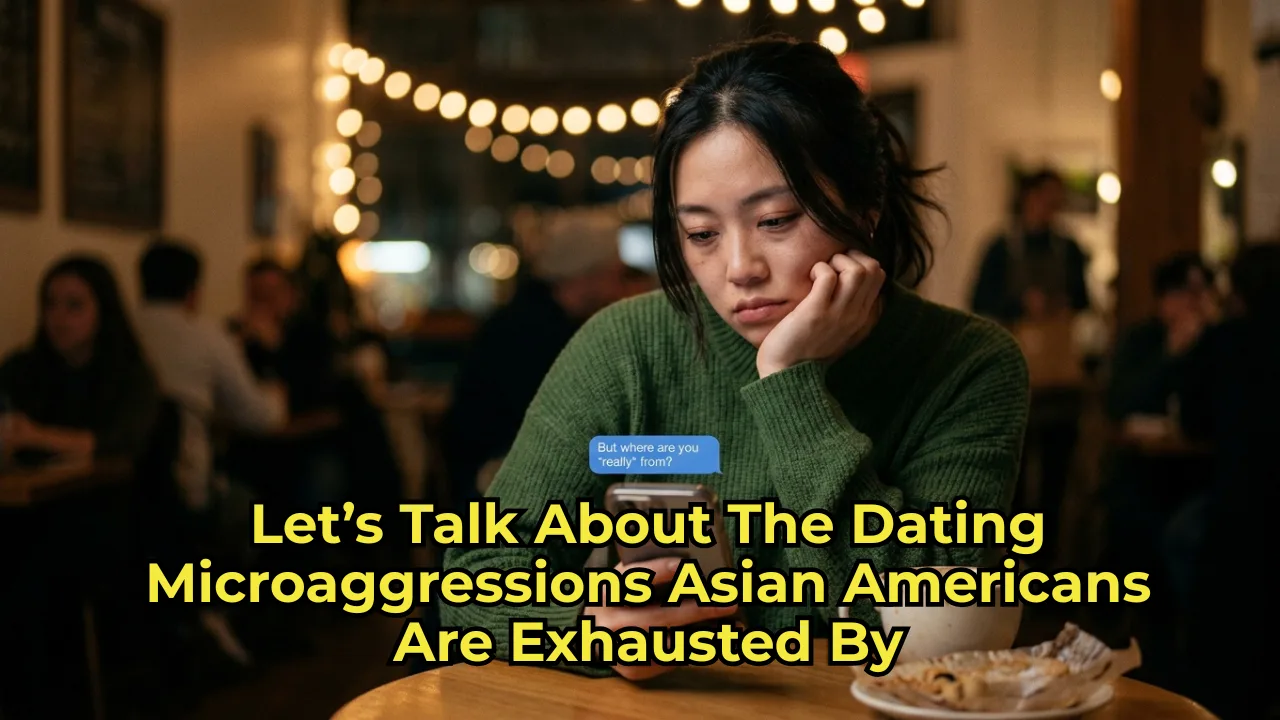
If you’ve ever been on a dating app, you already know the landscape is an absolute minefield. Between the ghosting, the breadcrumbing, and the unsolicited gym selfies, finding a genuine connection feels like a part-time job. But for the AAPI community, there is an entirely different, incredibly exhausting layer added to the search for love. Enter the world of Asian American dating microaggressions.
For many Asian Americans, swiping right often means opening the door to casual stereotyping, fetishization, and culturally insensitive “compliments.” These comments might seem harmless to the people saying them, but to the people receiving them, they are a glaring red flag. If we want to build healthier, more authentic relationships, it’s time to call out these behaviors and leave them in the past.

What Exactly Are Dating Microaggressions?
Before we dive into the specifics, let’s clarify what we are talking about. Microaggressions are subtle, often unintentional, everyday comments or actions that convey prejudiced or stereotyped attitudes toward a marginalized group.
In the romantic sphere, Asian American dating microaggressions usually masquerade as flattery, genuine curiosity, or “just a joke.” But intent doesn’t negate impact. When you’re on the receiving end of these comments day in and day out, they become a heavy, alienating burden that makes dating feel completely dehumanizing.
Read More: 10 Major Red Flags Men Look For When Dating (According to Reddit)
The Most Common Asian American Dating Microaggressions
When real Asian Americans open up about their dating lives, a few frustratingly common themes always rise to the surface. Here are the ones we need to collectively retire immediately.
“Where are you really from?”
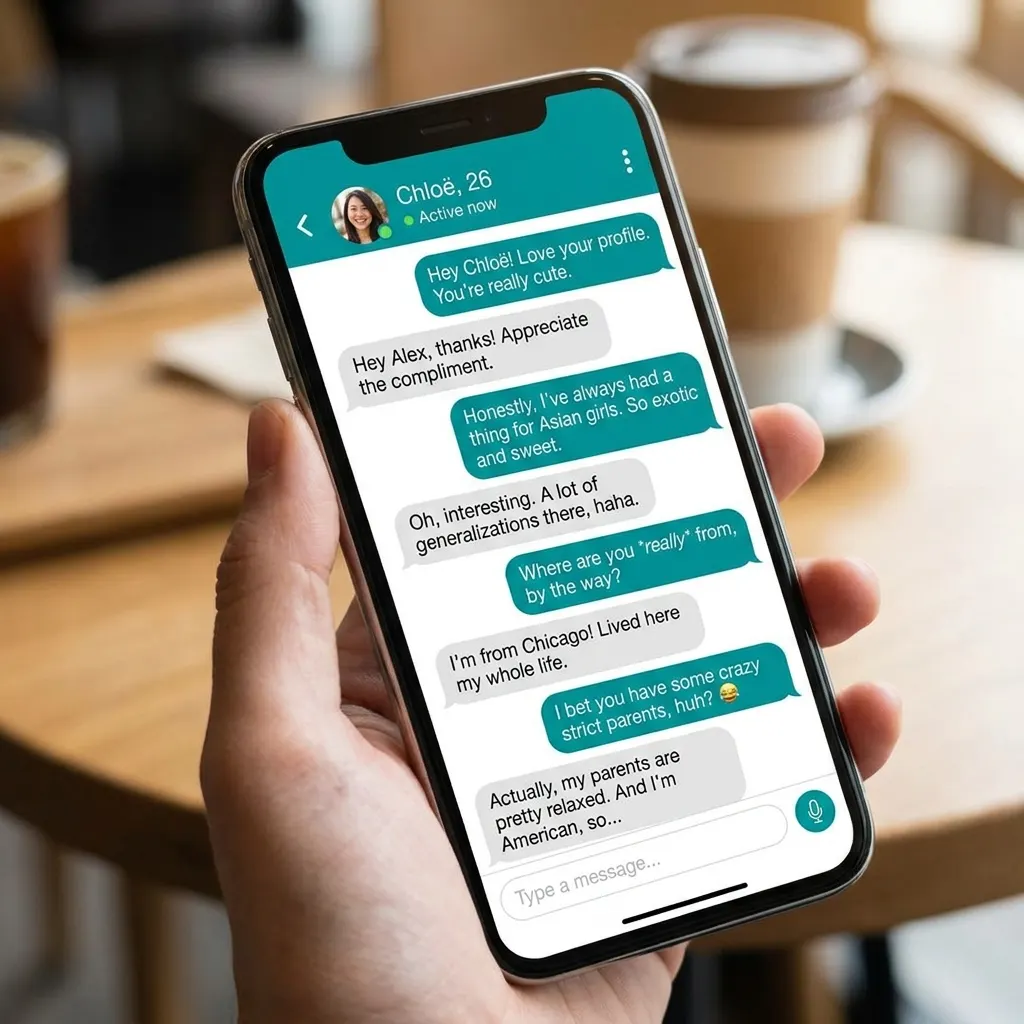
It usually starts innocently enough: “Where are you from?” But when the answer is “Chicago” or “San Francisco,” the follow-up is almost always, “No, where are your parents from?” or “Where are you really from?”
This seemingly harmless question implies that Asian Americans are perpetual foreigners. It subtly communicates, “You don’t look like you belong here.” If you’re genuinely interested in someone’s cultural heritage, let them offer that information when they feel comfortable, rather than demanding their ancestry report before the appetizers arrive.
The “Yellow Fever” Fetish
Fetishization is not a compliment; it is objectification. Many Asian Americans report matching with people who explicitly state they “love Asian girls” or have a “thing for Asian guys.”
When someone reduces you to your race, they aren’t seeing you. They are projecting a fantasy onto you based on anime, pop culture, or deeply rooted historical stereotypes. You become a bucket list item rather than a complex human being worthy of a real partnership.

“You’re not like other Asian girls/guys.”
Ah, the classic backhanded compliment. This statement implies that the speaker has a negative baseline view of Asian people, but you are the rare, magical exception. It attempts to pit the individual against their own community. It’s insulting to the person’s heritage and a massive indicator of internalized prejudice.
Read More: 10 Subtle Early Dating Red Flags Women Should Never Ignore

Assuming Submissiveness (or the “Dragon Lady” trope)
Media representation has done a number on the dating pool. Asian women are frequently stereotyped as either hyper-submissive and docile or aggressively manipulative (the “Dragon Lady”). Asian men, conversely, are often subjected to emasculating stereotypes. Entering a date with pre-packaged assumptions about how someone will act in a relationship or in the bedroom based on their ethnicity is a textbook microaggression.
The Toll These Comments Take
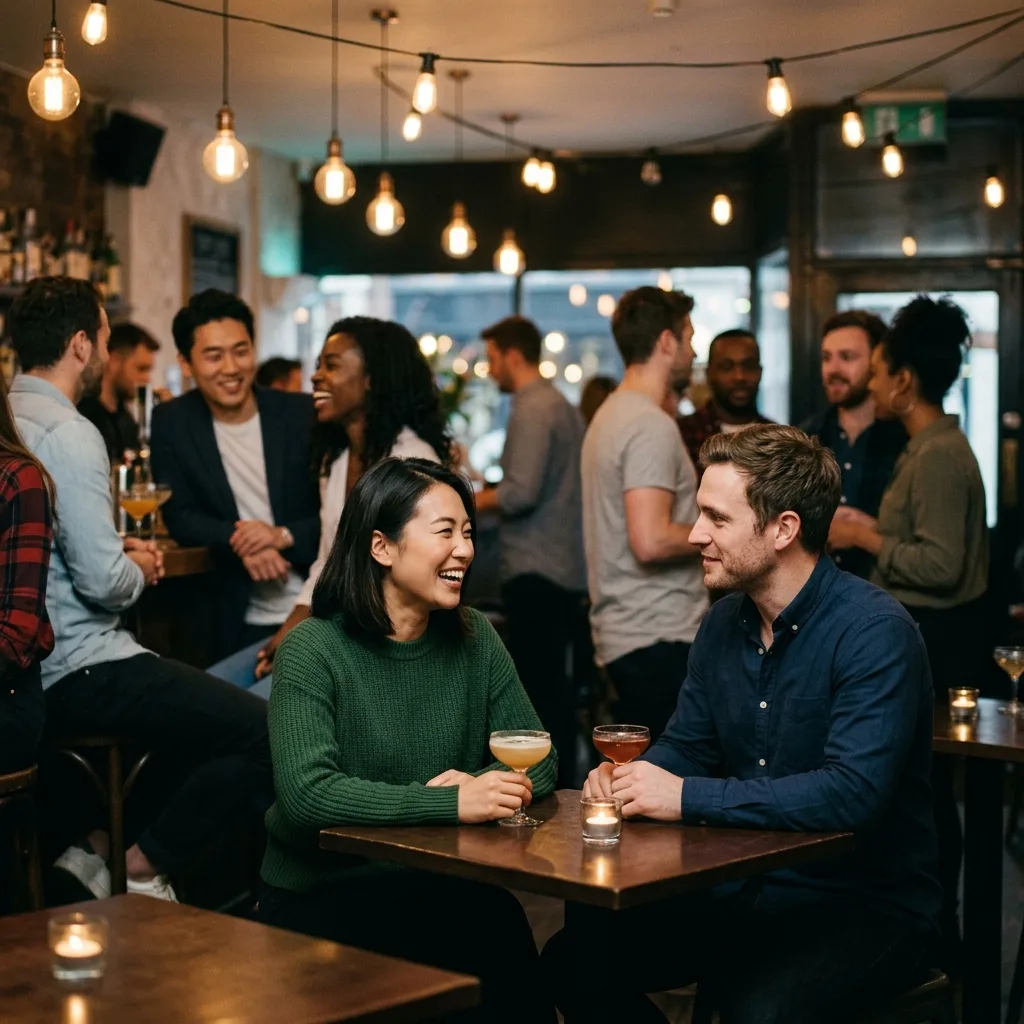
Dealing with Asian American dating microaggressions isn’t just an annoyance; it takes a legitimate toll on mental health. It forces AAPI individuals to constantly keep their guard up. Instead of enjoying the butterflies of a first date, they have to play defense, wondering, “Does this person like my personality, or do they just like my race?”
It leads to dating app burnout, self-doubt, and a feeling of profound isolation. Everyone deserves to be loved and appreciated for their full, authentic selves—not a caricatured version of their ethnicity.
How To Do Better (And Be A Better Ally)
If you’re reading this and realizing you may have inadvertently committed one of these dating microaggressions, don’t panic—but do take accountability.
Listen and validate: If an Asian American partner or friend tells you a comment made them uncomfortable, don’t get defensive. Listen to understand.
De-center your curiosity: You don’t need to know someone’s entire ethnic lineage on a first date. Focus on their hobbies, passions, and personality.
Treat them as an individual: Throw your assumptions out the window. Date the person sitting across from you, not the stereotype you’ve seen on TV.
Dating is about finding a genuine connection. By unlearning these toxic habits and actively avoiding Asian American dating microaggressions, we can create a dating culture that is safer, more inclusive, and a whole lot more fun for everyone.