

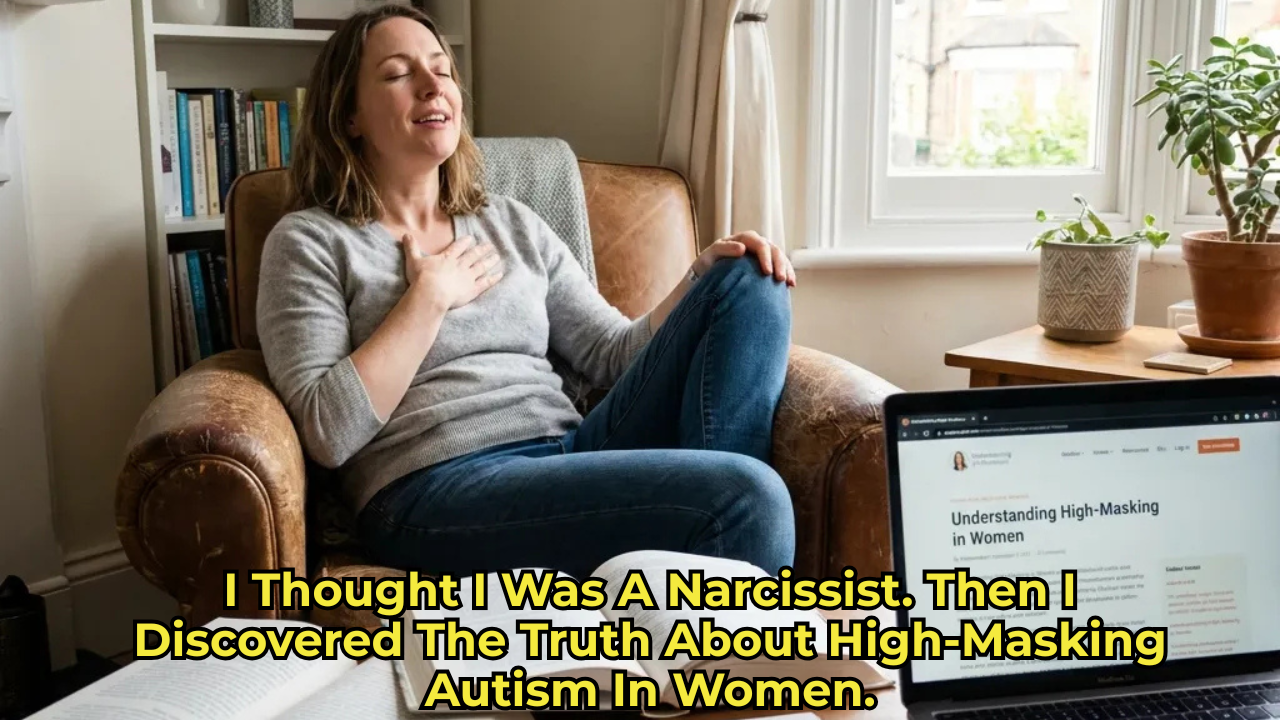
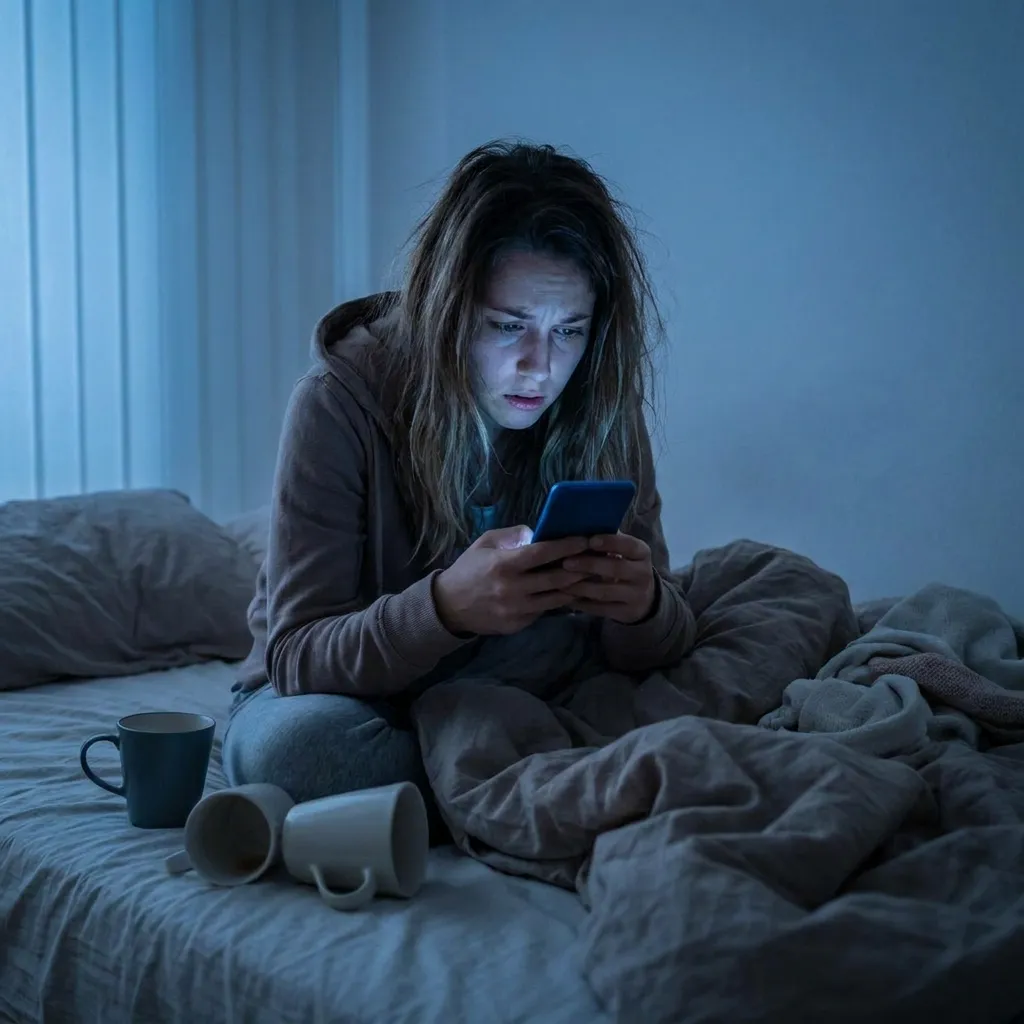
Late one Sunday night, I found myself sitting in the dark, frantically Googling “Am I a narcissist?” My phone was illuminated by 23 unread WhatsApp messages, some dating back months. A heavy, familiar tightness gripped my chest. I assumed my inability to reply, my overwhelming need to withdraw, and my deep social exhaustion meant I was self-absorbed and toxic. What I didn’t know at the time was that I was actually experiencing high-masking autism in women. Instead of a personality flaw, I was dealing with profound nervous system burnout from a lifetime of trying to fit into a world that wasn’t built for my brain.
The Hidden Struggle of High-Masking Autism in Women
For over a decade, maintaining friendships felt like trying to speak a foreign language I never quite learned. While others effortlessly remembered birthdays, organized hangouts, and replied to group chats, I felt a crushing weight at the mere thought of standard social interactions. I would force myself to attend parties, rehearsing small talk beforehand just to appear “normal.”
But every forced smile and polite nod was a symptom of high-masking autism in women—an intense survival mechanism of mimicking neurotypical behavior that inevitably leads to total exhaustion.
Confusing Nervous System Burnout with Narcissism
Because I didn’t understand the complexities of high-masking autism in women, I created a harsh, unforgiving narrative about myself. Why did I harbor such deep grudges over throwaway comments? Why did I desperately need to escape noisy office environments? I convinced myself I was arrogant and entitled.
I analyzed my every move, viewing my social withdrawal as a fragile ego avoiding failure. In my early twenties, I tried to “fix” myself by becoming aggressively social. I joined a cheerleading team and forced myself to go to every college event I could physically tolerate. Unknowingly, I was pushing myself deeper into severe nervous system burnout. I wanted to be easy, light, and accessible, but instead, my world was shrinking.
Read More: Doctors Dismissing Adenomyosis Pain: Why Women Aren’t Believed
The Turning Point: Diagnosing High-Masking Autism in Women
The breaking point finally came during an online therapy session. I was hiding in my bedroom, paralyzed by “kitchen anxiety”—terrified a flatmate would walk in and force me into casual small talk I simply didn’t have the energy to navigate.
As I recounted yet another social interaction I couldn’t move past, my therapist paused and gently asked, “Has it ever occurred to you that you might be autistic?”
At first, I laughed. I had a job, a boyfriend, and I could easily make eye contact. I didn’t fit the stereotypical mold. But later that night, instead of researching narcissism, I looked up high-masking autism in women.
Unpacking the Reality of High-Masking Autism in Women
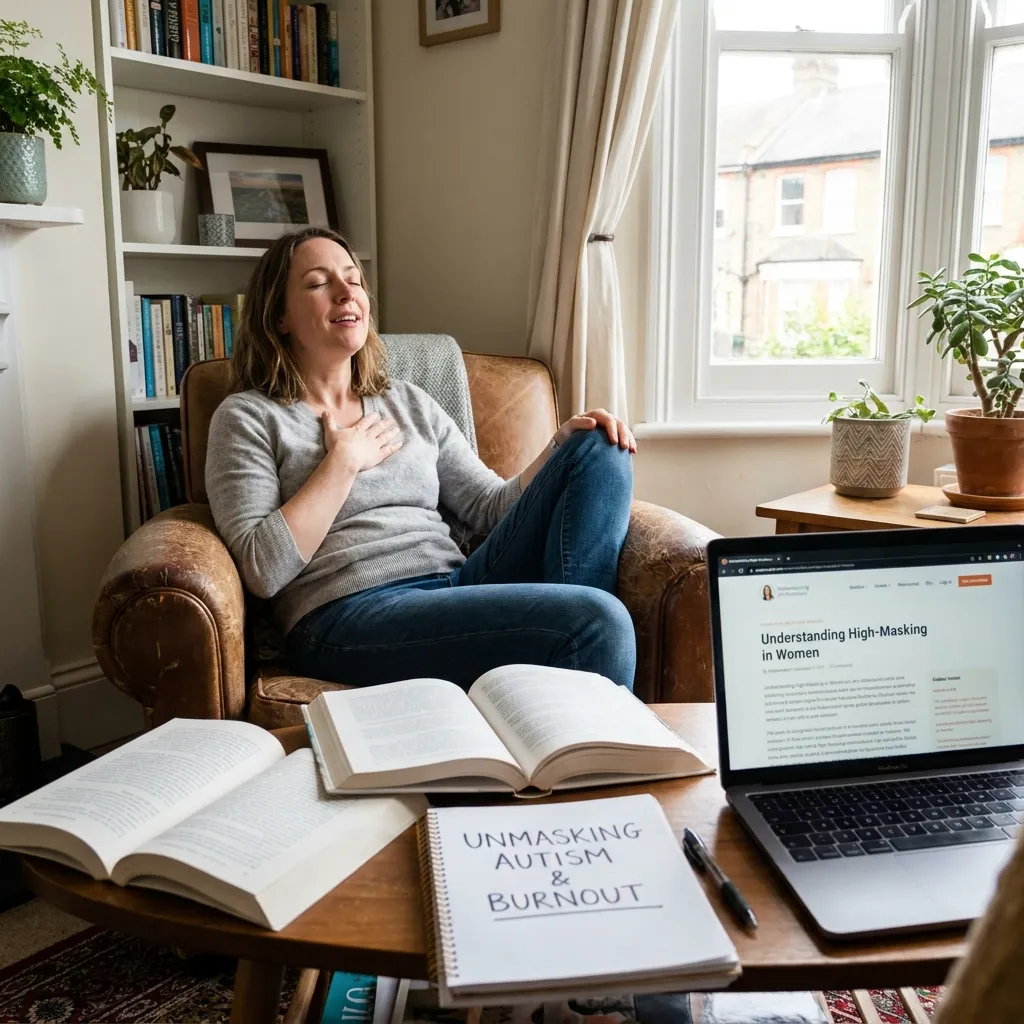
When I read the word “masking,” my entire world shifted. It perfectly described the deliberate eye contact, the rehearsed warmth, and the bone-deep exhaustion I felt after spending time with anyone outside my small circle of safe people. It explained why I struggled to hold a job for more than six months—not because of the actual work, but because of the relentless, exhausting performance required to exist in those corporate spaces.
Getting a diagnosis wasn’t a straight path. I was initially misdiagnosed with social anxiety and emotional dysregulation. But after intensely researching high-masking autism in women and advocating for myself through a private assessment, I finally received the truth: I am autistic.
Read More: 7 Subtle Signs You Think About Yourself Too Much (And How to Stop)
Healing from High-Masking Autism in Women Burnout
Hearing that diagnosis brought a tidal wave of both relief and grief. I grieved for the years I spent punishing myself—including developing a severe eating disorder in my teens, which was really just another desperate attempt to shrink myself and control my overwhelming environment.
But the relief was so much sweeter. I finally knew there was nothing morally defective about me. My hyperfocus isn’t self-obsession. Leaving a loud party early isn’t selfish. The unread texts aren’t proof of indifference. They are simply the reality of high-masking autism in women and exactly how my nervous system is wired.

Today, my internal surveillance has softened. When my phone lights up, the dread is no longer paralyzing. I finally understand that caring about people doesn’t always look the way society expects it to. Unlearning the shame attached to high-masking autism in women has surprisingly made me feel less isolated, and beautifully, far more open to authentic connection.