



When it comes to learning random interesting facts, nothing beats discovering pieces of trivia that completely alter your view of the world. People share bizarre knowledge that sticks in your mind for years. From nature secrets to clever science tidbits, here are 10 of the best mind-boggling facts you will never forget.
1. The Real Name of Your Shoelace Tip

Have you ever wondered what the little plastic tip on your shoelace is called? It is actually called an aglet. It is a tiny detail, but it prevents the lace from fraying.
2. Scorpion Venom Can Help Save Lives

When scorpion venom is injected into certain tumors, it can dye the edges so clearly that surgeons can easily see the margins. This ensures that no unnecessary healthy brain matter has to be removed during surgery.
3. The Smell After a Rainstorm Has a Name
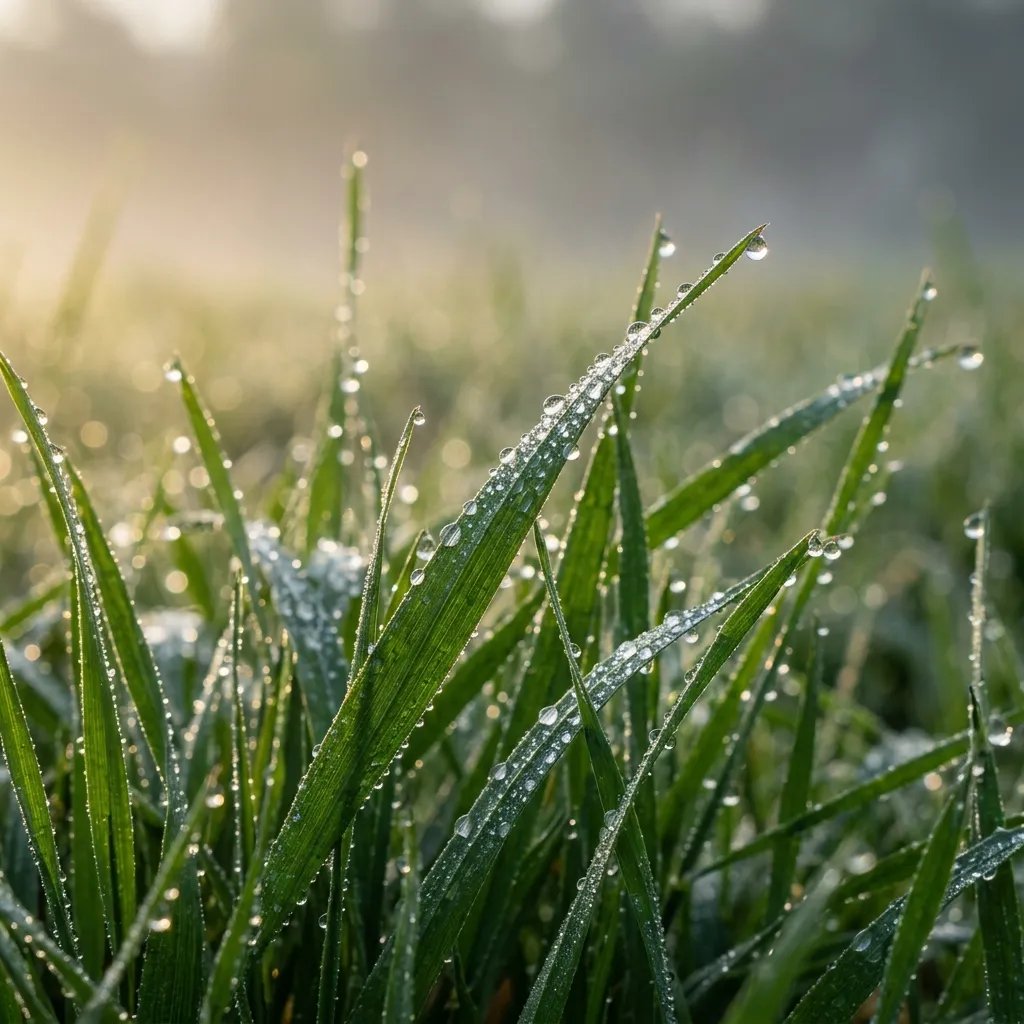
There is an actual word that describes the earthy smell we love right after it rains. That word is petrichor, and it is caused by the release of plant oils and actinobacteria into the air.
4. An Isolated Underground Ecosystem
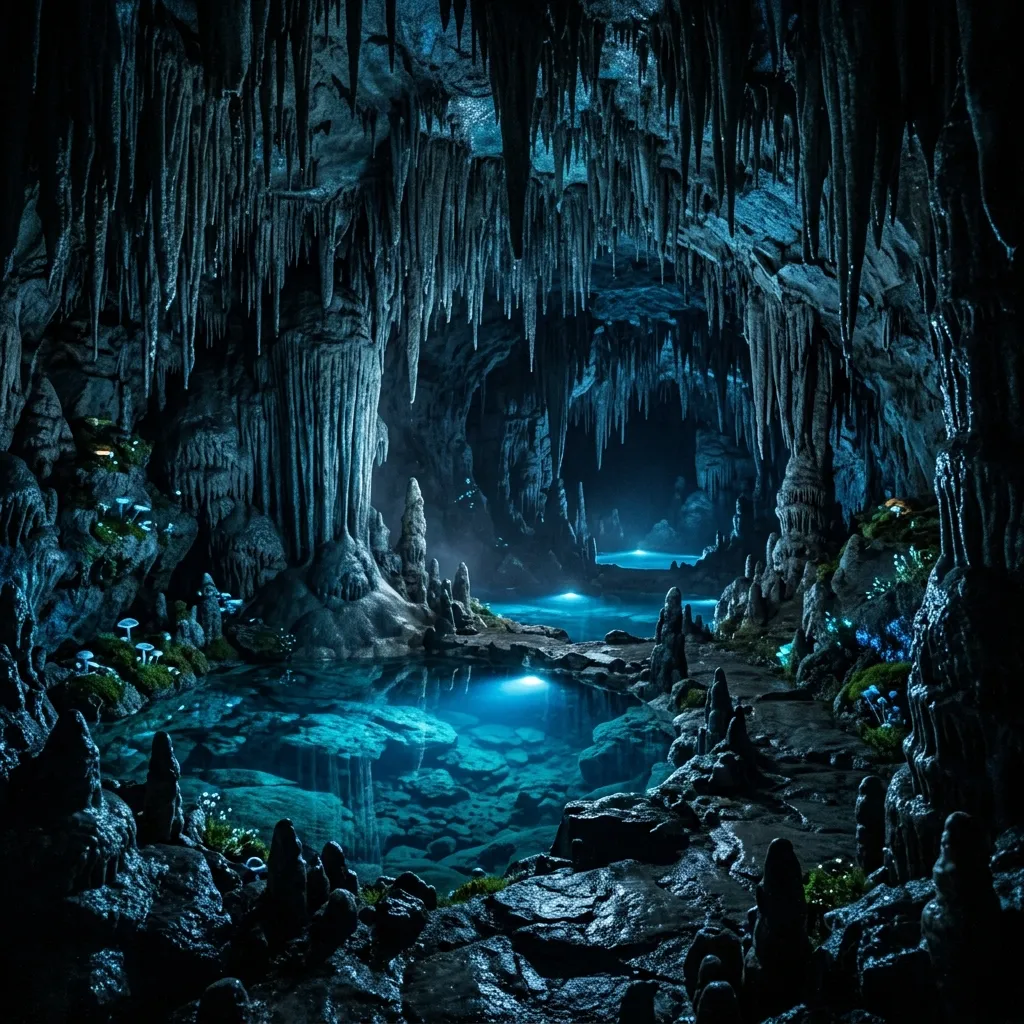
Movile Cave in Romania was cut off from the rest of the planet for over 5 million years without any sunlight. Despite this harsh environment, it features a thriving ecosystem of mostly never-before-seen species.
5. Freshly Mowed Grass is Calling for Help

The smell of freshly mowed grass is actually a chemical distress call. When grass blades are damaged, they release volatile organic compounds that act as a natural emergency broadcast system to warn nearby plants.
6. Why Cats Meow at Humans

Cats do not meow at other cats or wild animals. They only meow at humans, and researchers believe they mimic the frequency of human babies to easily get our attention.
7. The Collective Noun for Butterflies

Words for groups of animals can be surprisingly poetic. For instance, a swarm of butterflies is not just a group; it is called a kaleidoscope.
8. Alaska Holds Three Extremes

Alaska is a state of geographical superlatives. It holds the title for being the farthest north, the farthest west, and surprisingly, even the farthest east point in the United States because its Aleutian chain crosses the 180th meridian.
9. Ancient Magnolias Pre-Bee Era
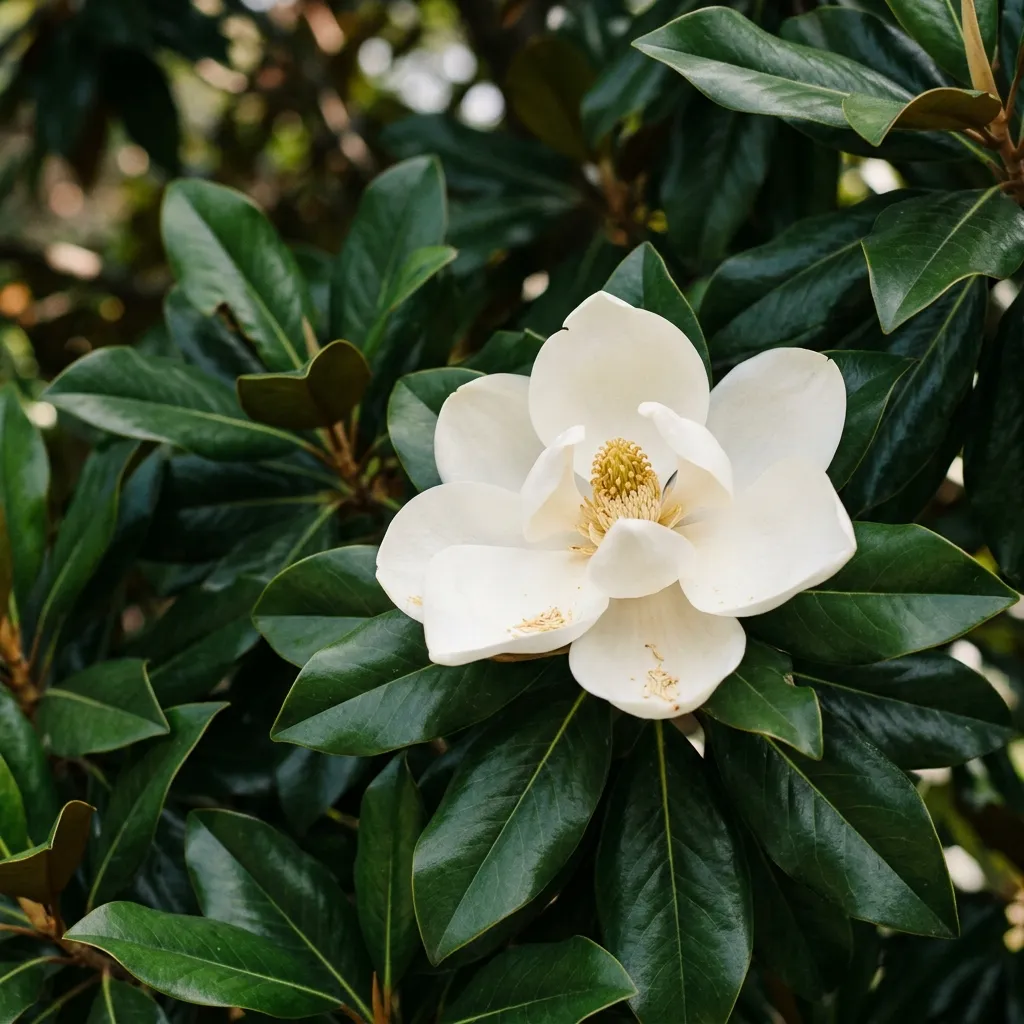
Magnolias are true living fossils. They evolved around 100 million years ago, which was long before bees even existed, meaning their gorgeous flowers are still pollinated by beetles today.
10. The Universal Mammal Bladder Rule

No matter the size of the animal, almost all mammals take approximately 20 seconds to empty a full bladder. This scientific rule applies to creatures as small as a rat and as large as an elephant.