
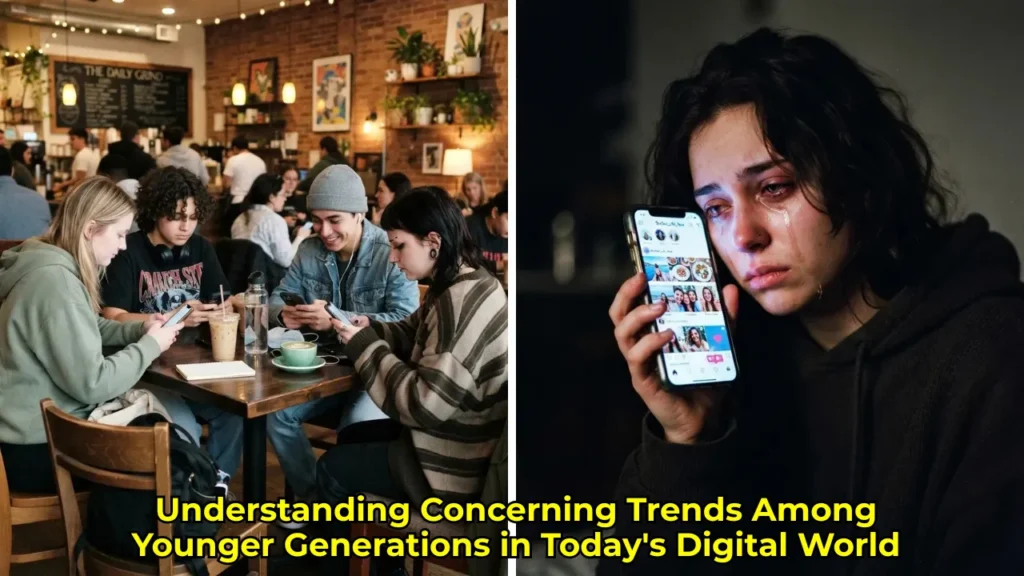
Examining concerning trends among younger generations reveals a shifting landscape of digital dependency, altering social bonds, and unique psychological pressures that previous age groups never faced. Every new generation brings distinct cultural shifts, but the rapid acceleration of technology has created unprecedented changes in how youth interact, learn, and view the world. By looking closely at these shifts, society can better understand the underlying challenges confronting Gen Z and Generation Alpha.

The Rise of Digital Hyper-Connectivity and Screen Isolation
One of the most discussed concerning trends among younger generations is the heavy reliance on virtual communication over face-to-face interaction. While constant connectivity offers global reach, some worry it breeds a form of screen-based isolation. Pew Research Center’s 2025 survey found that 74% of teens say social media makes them feel more connected to what is going on in their friends’ lives.
- Reduced in-person social cues and conversational skills.
- Increased reliance on text-based communication and short-form video apps.

How Economic Pressures and Changing Ambitions Fuel New Behaviors
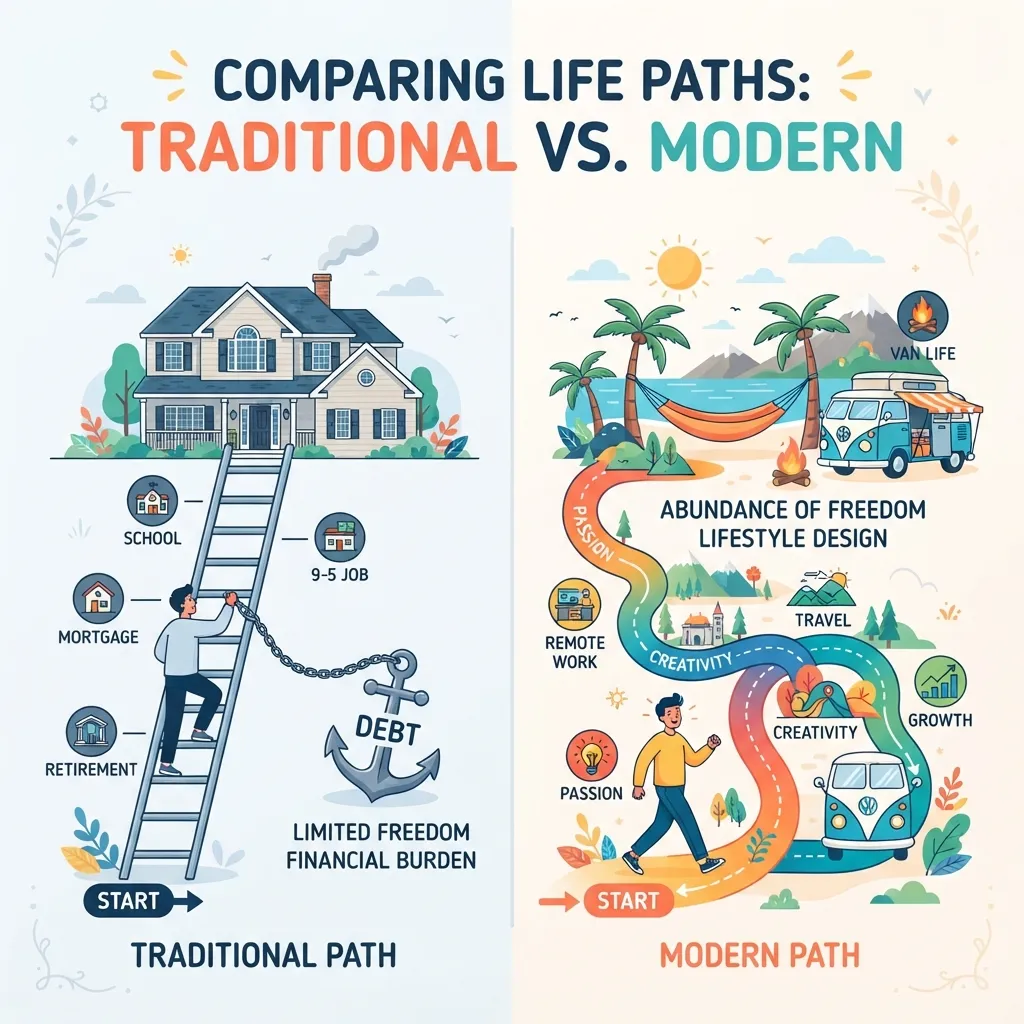
Financial realities heavily influence modern youth culture. The skyrocketing cost of living and changing job markets have completely restructured traditional milestones like homeownership and career stability. This economic anxiety is one of the significant concerning trends among younger generations that dictate their life choices and mental well-being.
- Delayed Milestones: Pew Research Center (2019) found that Millennials are reaching milestones such as marriage and homeownership later than previous generations. That research covers Millennials, not Gen Z or Gen Alpha.
- Financial Pessimism: A pervasive feeling that long-term financial stability is harder to achieve than it was for their parents.

Redefining Independence and Success
Traditional markers of adulthood are being pushed back or reimagined. Because traditional goals can feel financially out of reach, some young people say they are prioritizing flexibility, mental health days, and alternative career paths over traditional corporate ladders. This pivot may reflect both adaptability and frustration with current economic structures.
Addressing the Psychological Toll and Finding a Way Forward
The mental health conversation has taken center stage as experts unpack these concerning trends among younger generations. Continuous exposure to curated social media feeds can create unrealistic benchmarks for success, body image, and lifestyle choices. Whether social media causes anxiety and depression is still unsettled: Pew’s survey does not establish causation, and the U.S. Surgeon General’s 2023 advisory concluded only that social media cannot yet be called sufficiently safe for young people.
Moving forward requires open communication, empathy, and structural support systems. By acknowledging these pressures rather than dismissing them, society can foster an environment where younger populations feel supported, understood, and equipped to handle the complexities of the modern era. It requires systemic changes in education, corporate culture, and digital literacy to reverse these concerning trends.
Sources
Find more stories like this in our Parents section.