
Before you fall for a photo, ask yourself one honest question: how often will you really touch up your roots? The best hair color ideas fit your upkeep budget as well as your skin tone. Start there, then use this list to find a shade you can actually maintain.
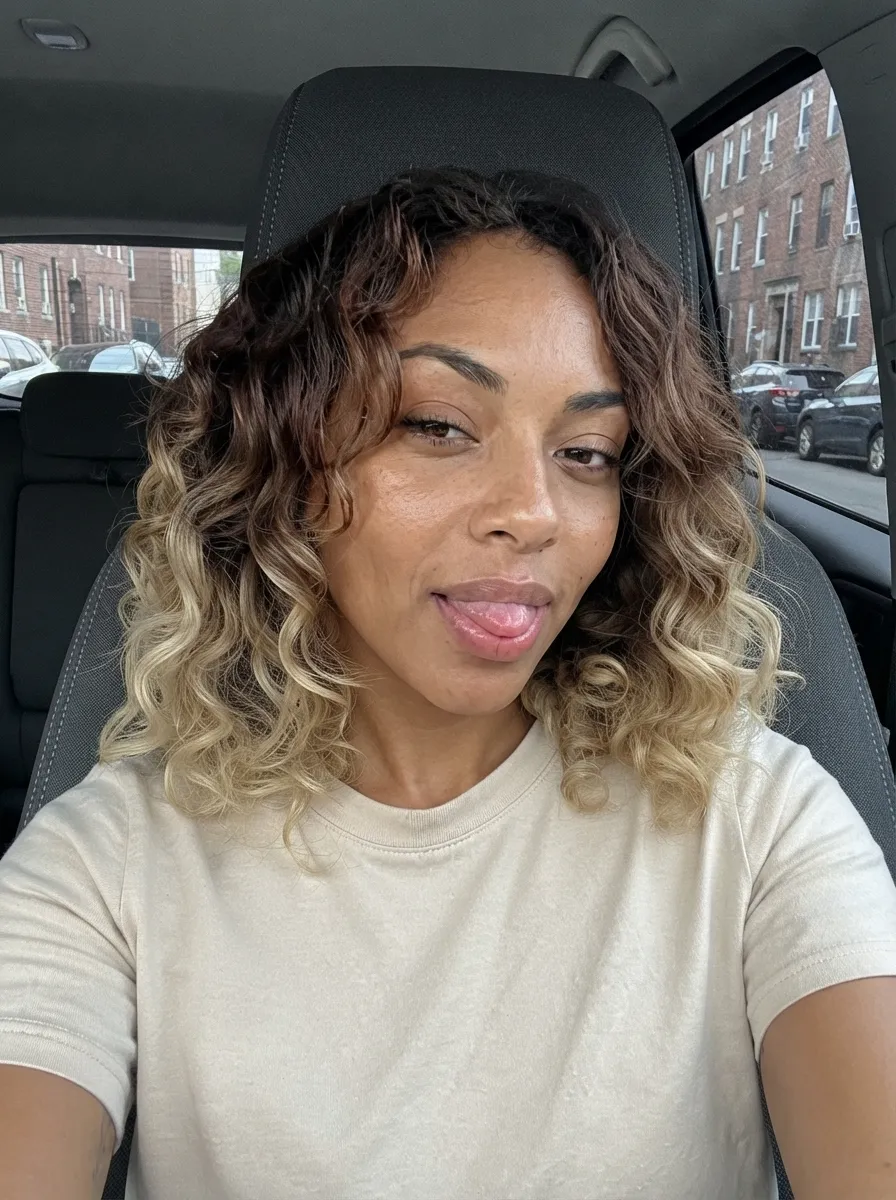
Look at your undertone first. Warm skin usually pairs well with golden, copper and caramel shades. Cool skin often suits ash, burgundy and icy tones. Neutral skin can wear most of them. Stay within two shades of your natural color for easier upkeep.
Red hair color fades faster than many other shades, so plan for color-safe shampoo and regular glosses.
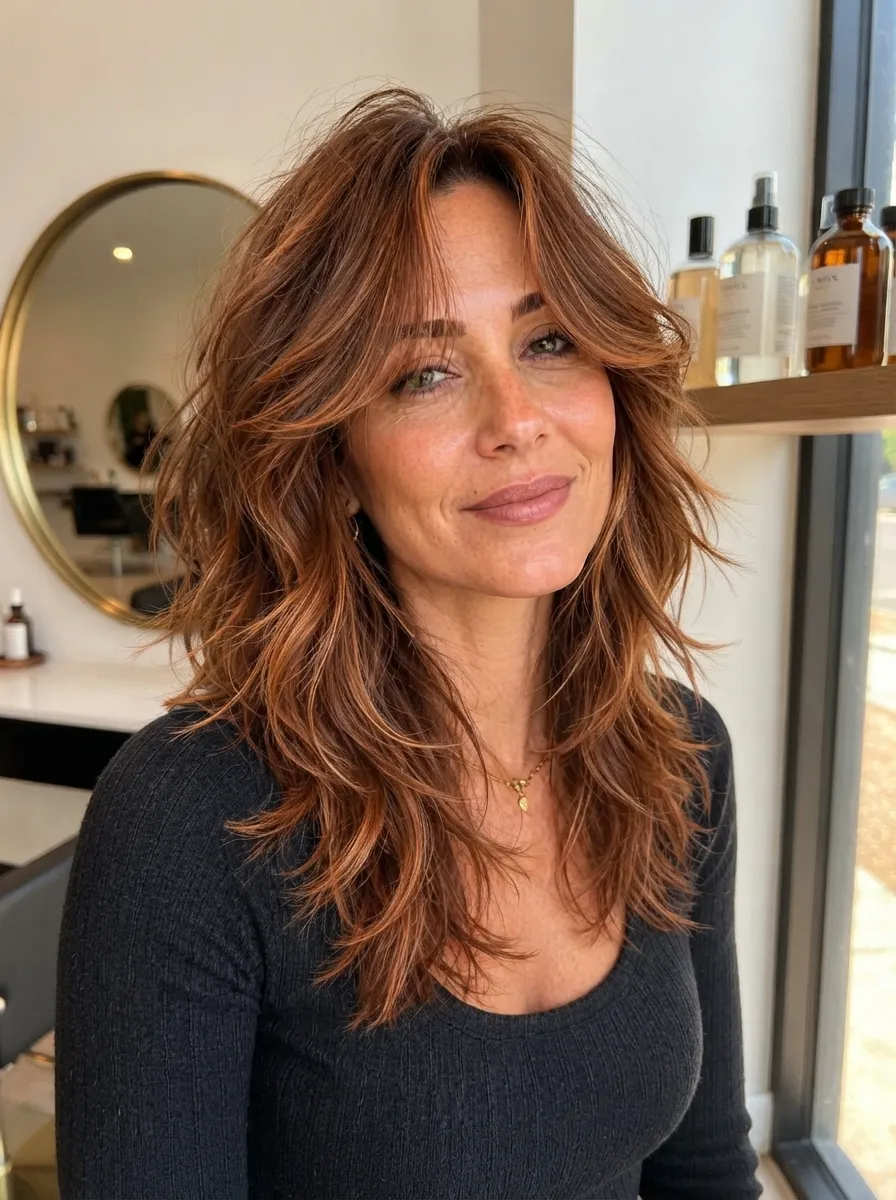
Copper hair color has an orange-gold glow that flatters warm and neutral skin tones. It looks best when it is shiny, so ask about a gloss between visits. Expect more upkeep than a brunette shade.
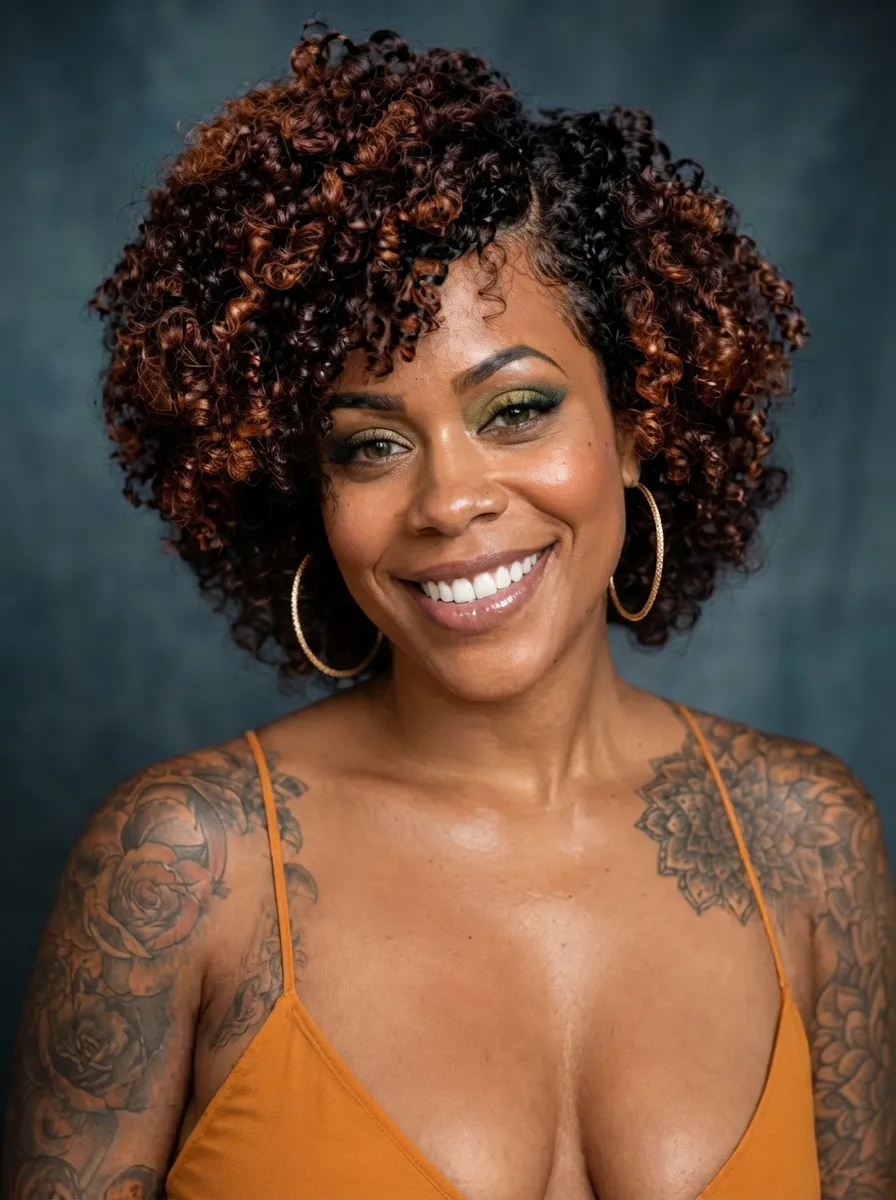
Hand-painted copper pieces over a light brown base give you the color without full-head commitment. Roots grow in softly. This is a good first step if you have never tried red tones.
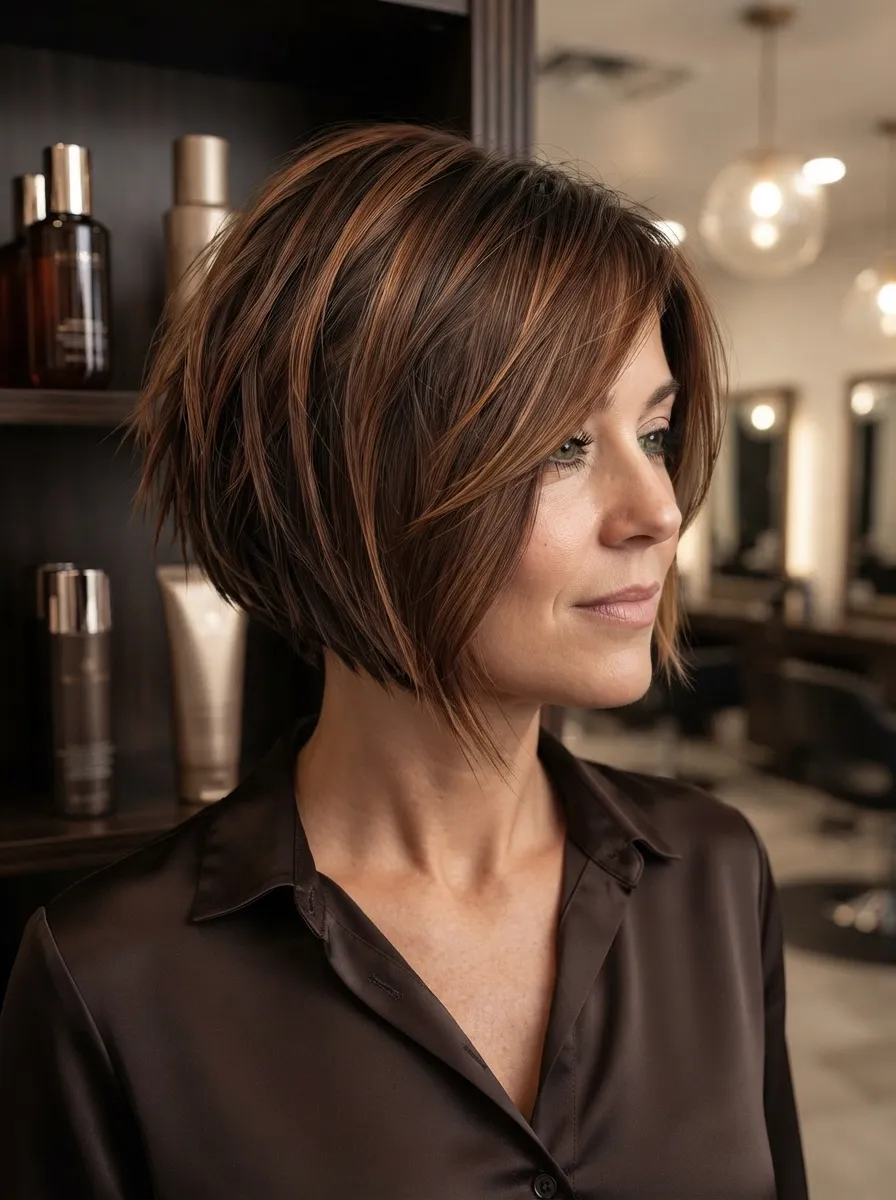
Auburn hair color sits between red and brown, so it reads richer and less bright than copper. It flatters many skin tones, and it suits people who want warmth without loud color. It looks especially rich in fall light.
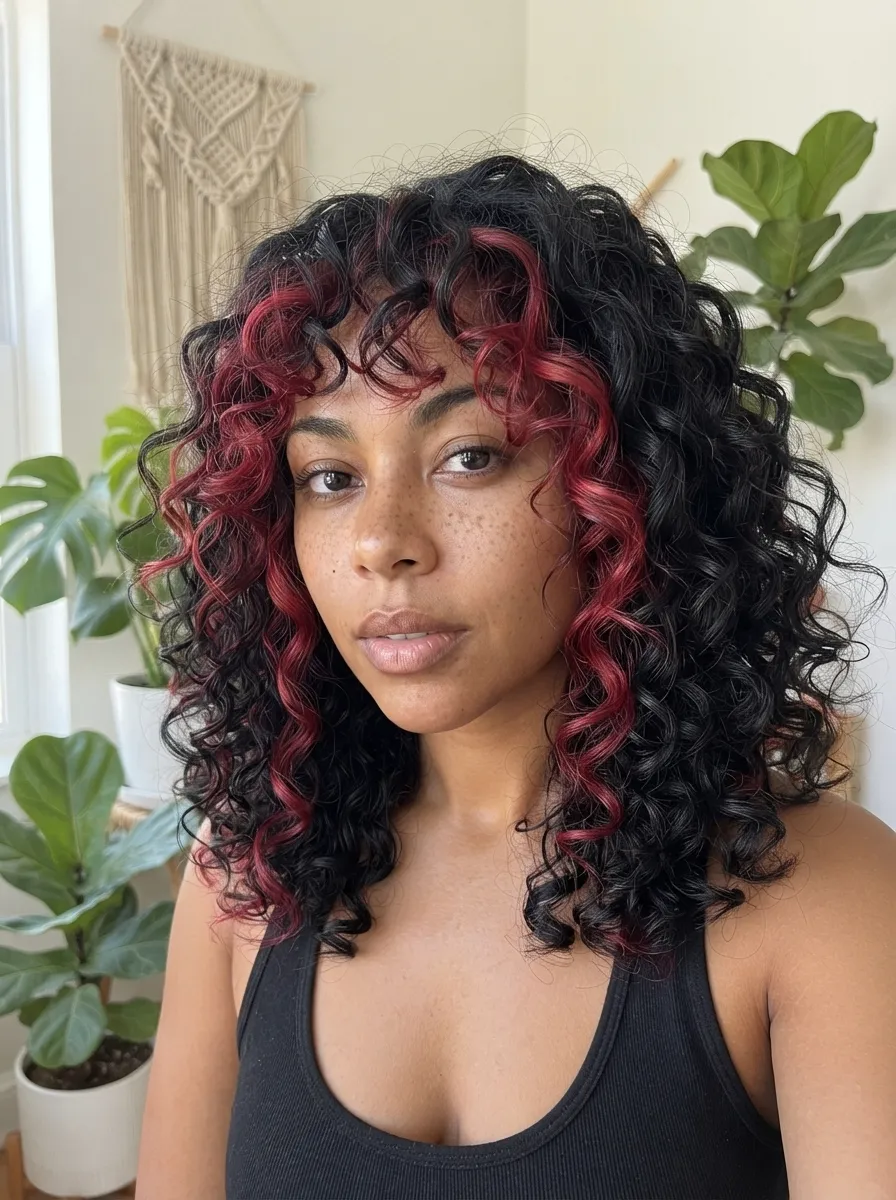
A wine tint over dark brown hair shows up mostly in sunlight. It is a subtle option for dark hair that may not need bleach. Ask your colorist whether your base can take the tone.
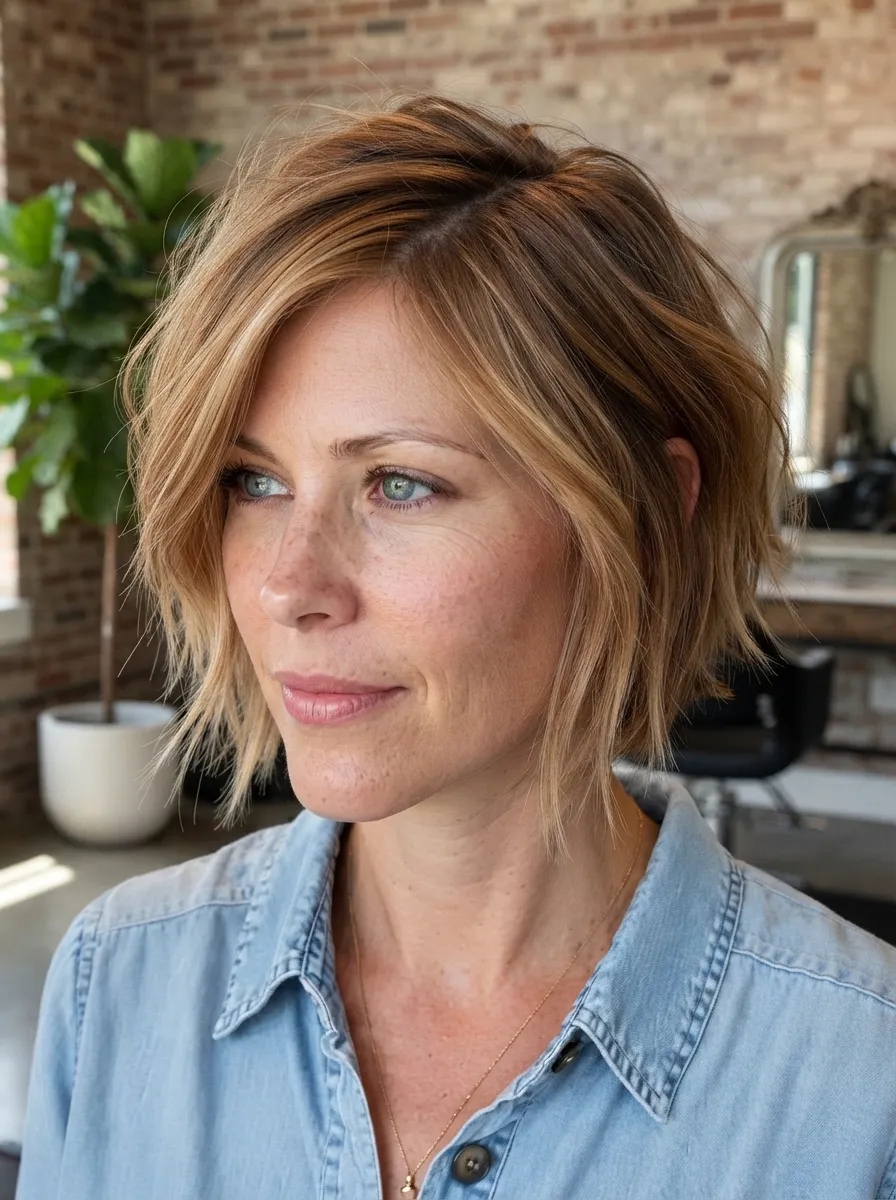
This mix of pale gold and soft pink-red looks delicate on fair and light-medium skin. It usually needs a lighter base, so it can take a longer salon visit. Use cool water and gentle shampoo to slow fading.
Brown hair color tends to be the most forgiving family, especially when it stays close to your natural base.
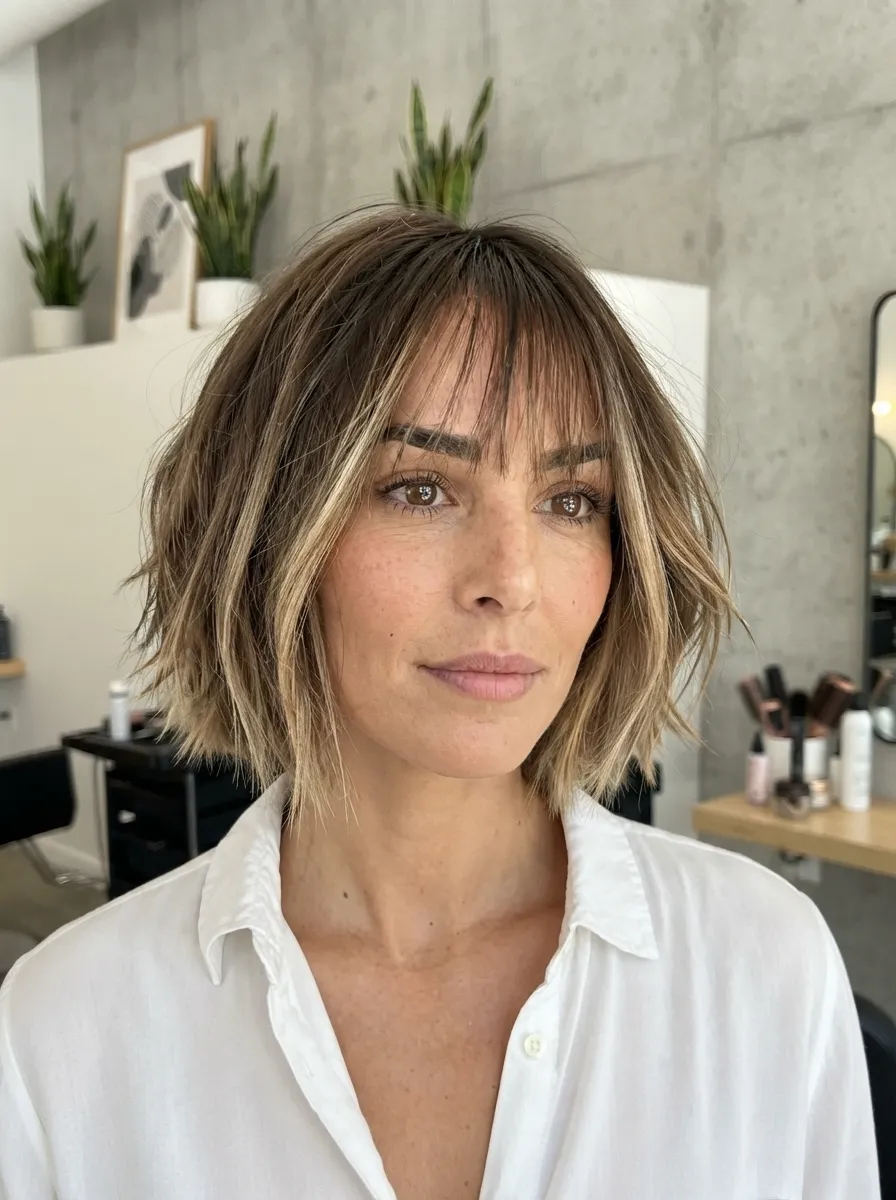
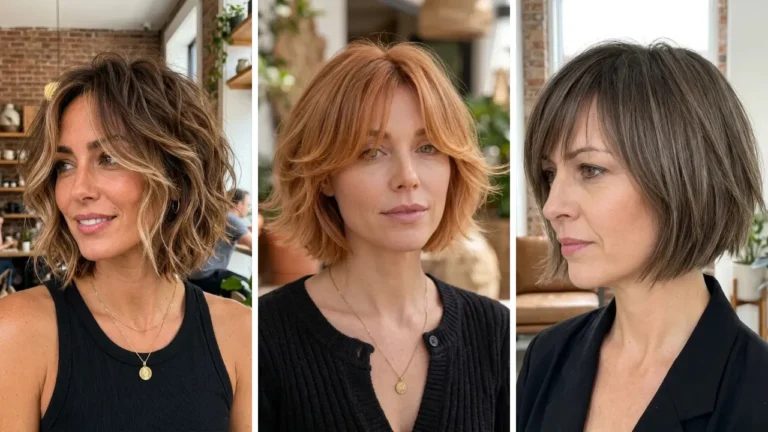
Light brown hair color looks fresh when a few lighter pieces sit around the face. It brightens the skin without a full highlight job. Regrowth stays soft, so you can stretch time between appointments.
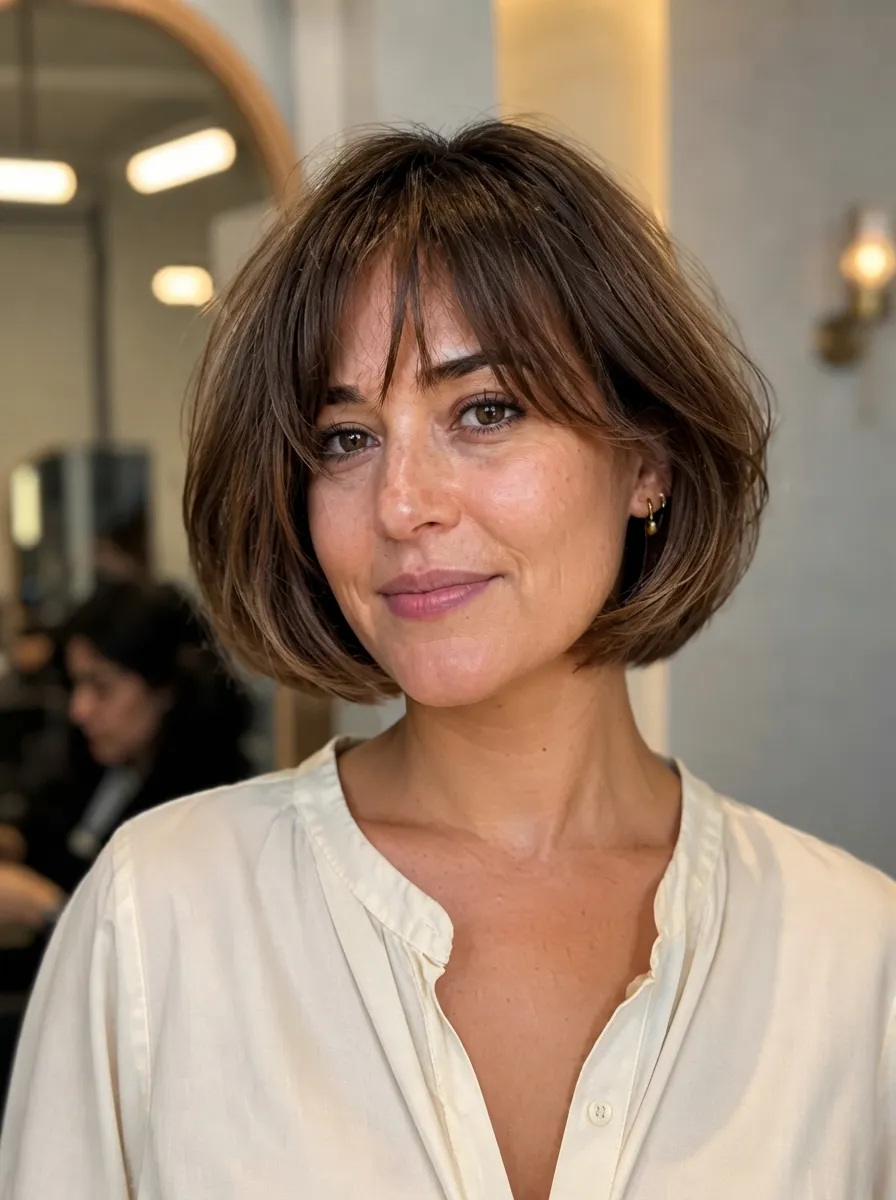
A single-process chocolate shade with a shiny finish looks expensive on most people. It suits medium and deep skin especially well. Ask for a gloss rather than permanent dye if your hair is already close to this color.
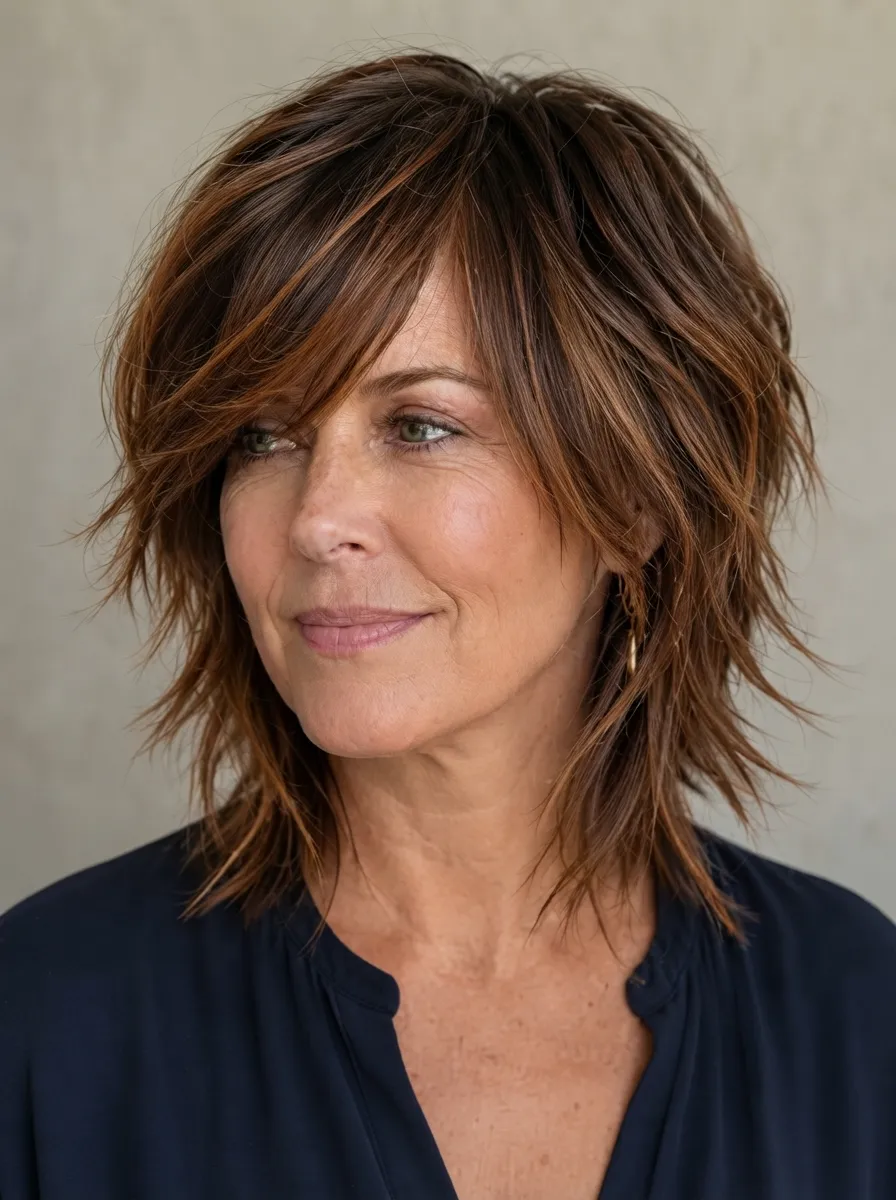
Warm caramel ribbons painted through dark hair add movement without a harsh line at the root. Many people can go a long time between touch-ups with this approach. Our guide to hair colors for darker skin tones has more warm shade ideas.
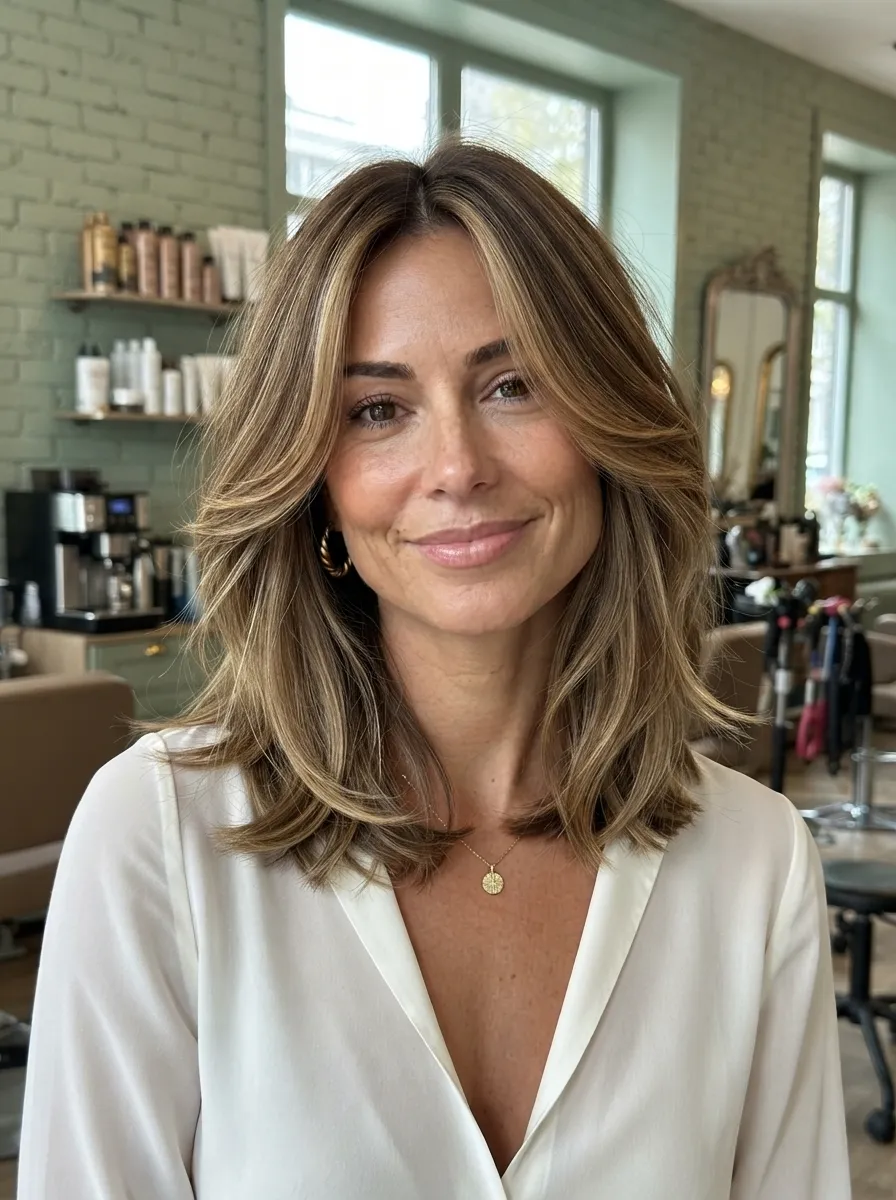
Golden honey tones feel warm and sunny on neutral and warm skin. It can also work for deep skin tones when placed as highlights rather than all over. Expect some toner upkeep.

Cool ash shades cut brassiness and suit cool undertones. They usually require lightening, purple shampoo and regular toner. Have a professional do this if your hair is dark or previously colored.
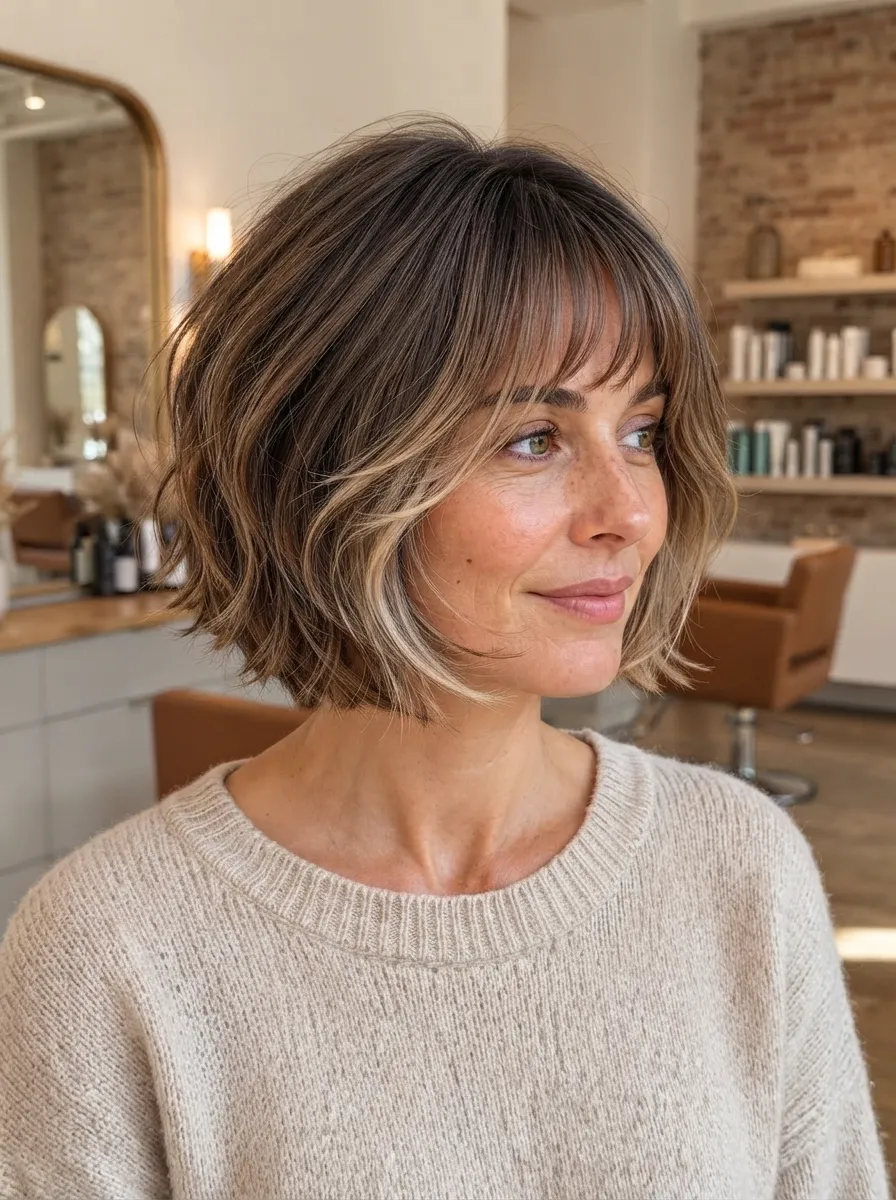
Bronde sits between brown and blonde, so it grows out gently. It is a smart pick for anyone who wants lighter hair without blonde upkeep. Ask for a mix of soft highlights and lowlights.
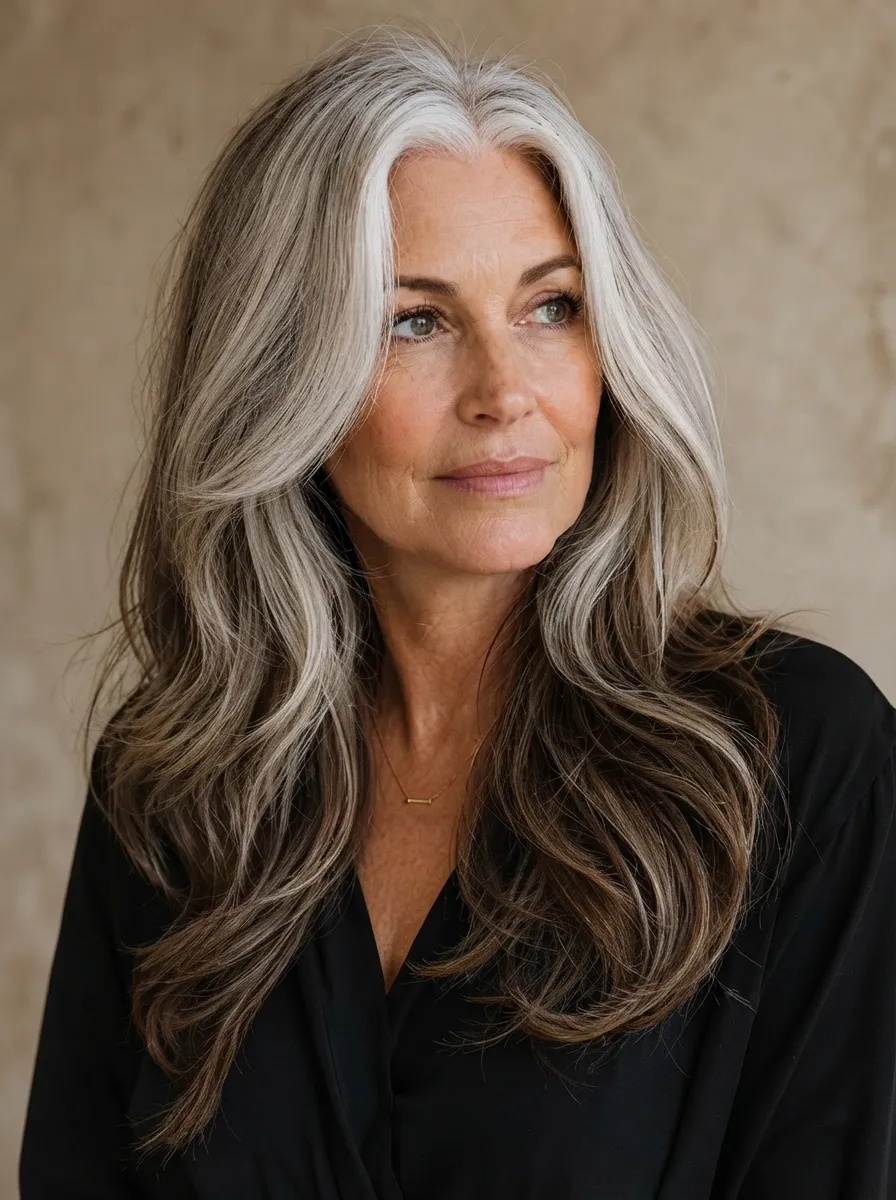
If you are going gray, lowlights help silver strands look intentional rather than patchy. They also reduce the harsh line of grow-out. See our full guide to gray hair with lowlights for more ideas.
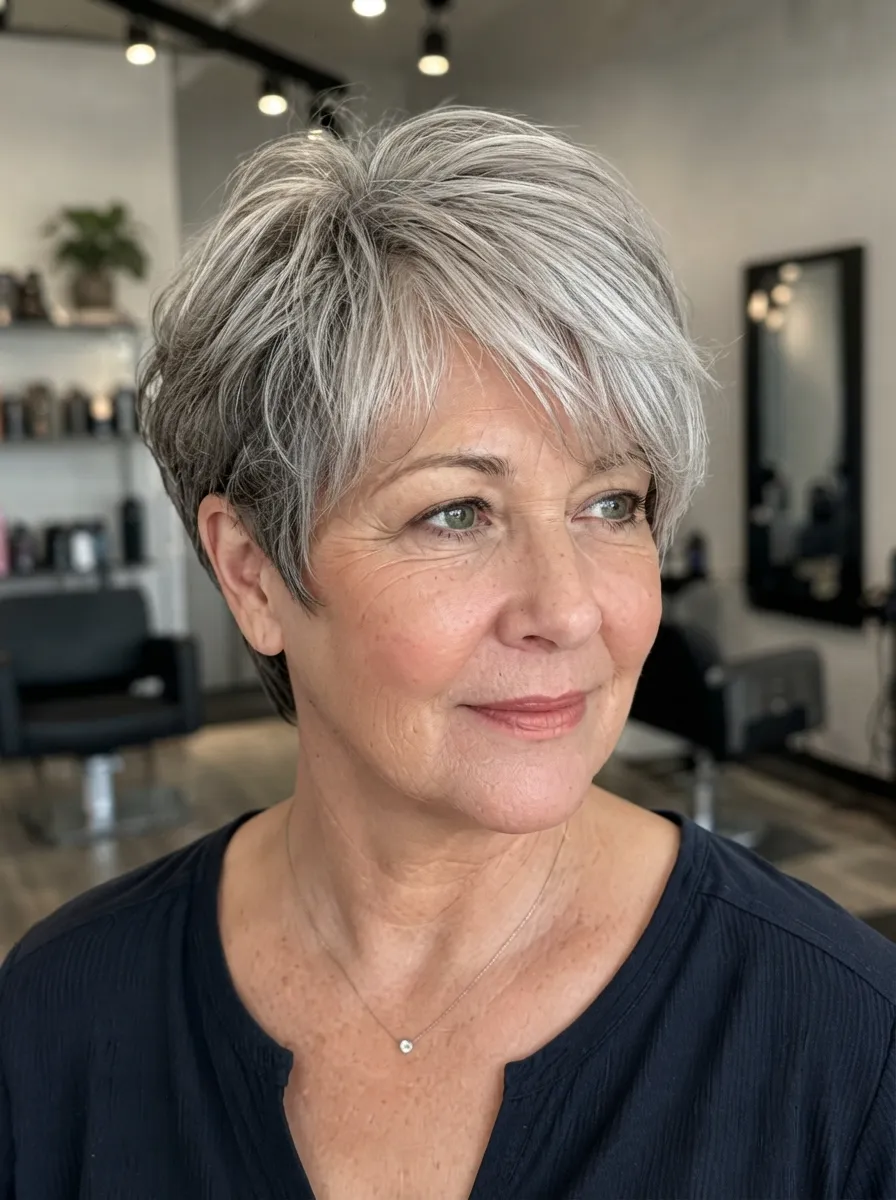
A silver toner keeps natural gray bright and reduces yellow tones. This can suit short and long styles alike. Pair it with a pixie or bob from our short haircuts for women guide.
Hide a bright panel under the top layer of hair, so it only shows when you move. It is an easy way to try pink, blue or violet without changing your whole look. Lighter panels fade quickly, so plan for touch-ups.
Patches of light color over a darker base create a playful, spotted look. It needs a stylist who is comfortable with freehand placement. Bring a photo and ask how it will grow out.
Dye type decides how long a shade stays and how much it changes your hair. Use this table as a general guide, and follow the directions on your product.
| Type | What it does | Fades | Good for |
|---|---|---|---|
| Temporary | Coats hair; rinses out | Quickly, often in a wash or a few | Testing a color for an event |
| Semi permanent hair color | Adds tone; does not lift your natural color | Gradually over several washes | Trying red, fun colors or gloss |
| Demi permanent | Deposits color with a low-strength developer | Gradually, with softer regrowth | Blending gray, refreshing color |
| Permanent | Lifts natural pigment and deposits new color | Roots show as hair grows | Bigger changes, full gray coverage |
| Bleach | Removes pigment | Does not fade, but roots grow in | Going much lighter; best left to pros |
Safety first: Do a patch test and a strand test before using any box dye, even a brand you have used before. If you feel burning, itching or swelling, rinse it off and contact a clinician. Follow the package timing exactly. Keep dye away from your eyes.
Undertone tells you more than skin depth. Look at the veins inside your wrist in natural light: greenish veins often mean warm undertones, while blue or purple veins suggest cool. If you cannot decide, you may be neutral.
Warm undertones tend to glow in copper, auburn, golden brown and honey. Cool undertones often suit ash brown, burgundy and platinum. On deep skin, rich shades like chocolate, cherry and caramel usually show their depth, and placement matters as much as color. Our post on hair colors for darker skin tones covers this in more detail.
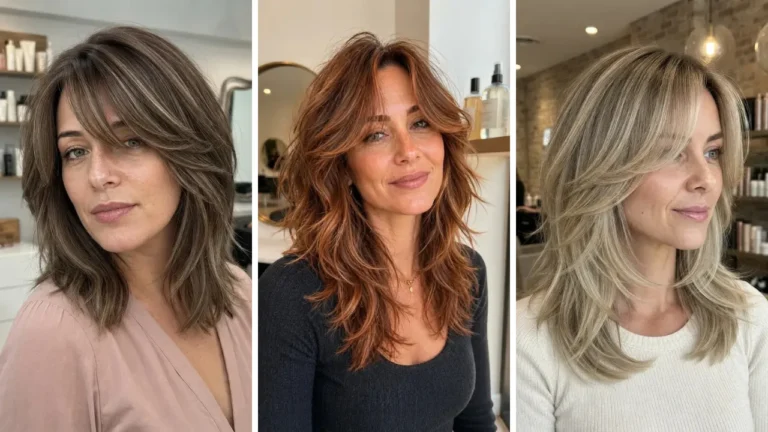
Pair your new shade with the right cut, too. Soft layers show dimension well, as our layered hairstyles for medium hair demonstrate. Find more looks in our style section.
Most fading comes from washing and heat. Wash with cool or lukewarm water, and choose a sulfate-free, color-safe shampoo. Add a heat protectant before styling. Reds and fun colors benefit from a color-depositing conditioner, while blondes often need a purple one. Ask your colorist which products match your shade.
Box dye can work well when you are staying close to your natural shade, covering a little gray or refreshing a color you already wear. It is harder to control when you want to go much lighter, fix an old color or add highlights. Those jobs depend on what is already in your hair, and that is where a trained colorist earns the fee.
Before a salon visit, gather two or three photos of the color you want and one of a color you dislike. Tell your colorist what you have used on your hair in the past few years, including box dye and henna. Then ask how often you will need to come back and what upkeep will cost. That answer can change your mind faster than any photo.
Shades near your natural color usually grow out most gently. Balayage and soft lowlights help too, because they avoid a harsh root line. Bright reds and platinum generally need the most upkeep.
Sometimes, but only by a small amount. Permanent color can lift natural hair slightly, depending on your base. For bigger changes, ask a colorist, because previously dyed hair behaves differently.
Choose semi permanent if you want to test a tone or avoid commitment. Choose permanent if you need full gray coverage or want a lasting change. A colorist can check your hair and help you decide.
Any chemical process can change the hair’s condition, and bleach usually has the biggest impact. Deep conditioning and fewer heat tools can help. Space out your treatments, and ask your colorist if your hair feels fragile.
Ask your clinician first, since guidance can vary by person and product. Many people prefer to wait or to choose highlights that do not touch the scalp.
Written by Scott Marshal. Edited by Abdullah Muneef. Corrections: info@elitsmedia.com.