
If you can make a three-strand plait, you can already do half this list. We sorted these braided hairstyles by skill, so you can start on a sleepy Sunday and build up. The final group is best left to a professional braider, and we explain why.
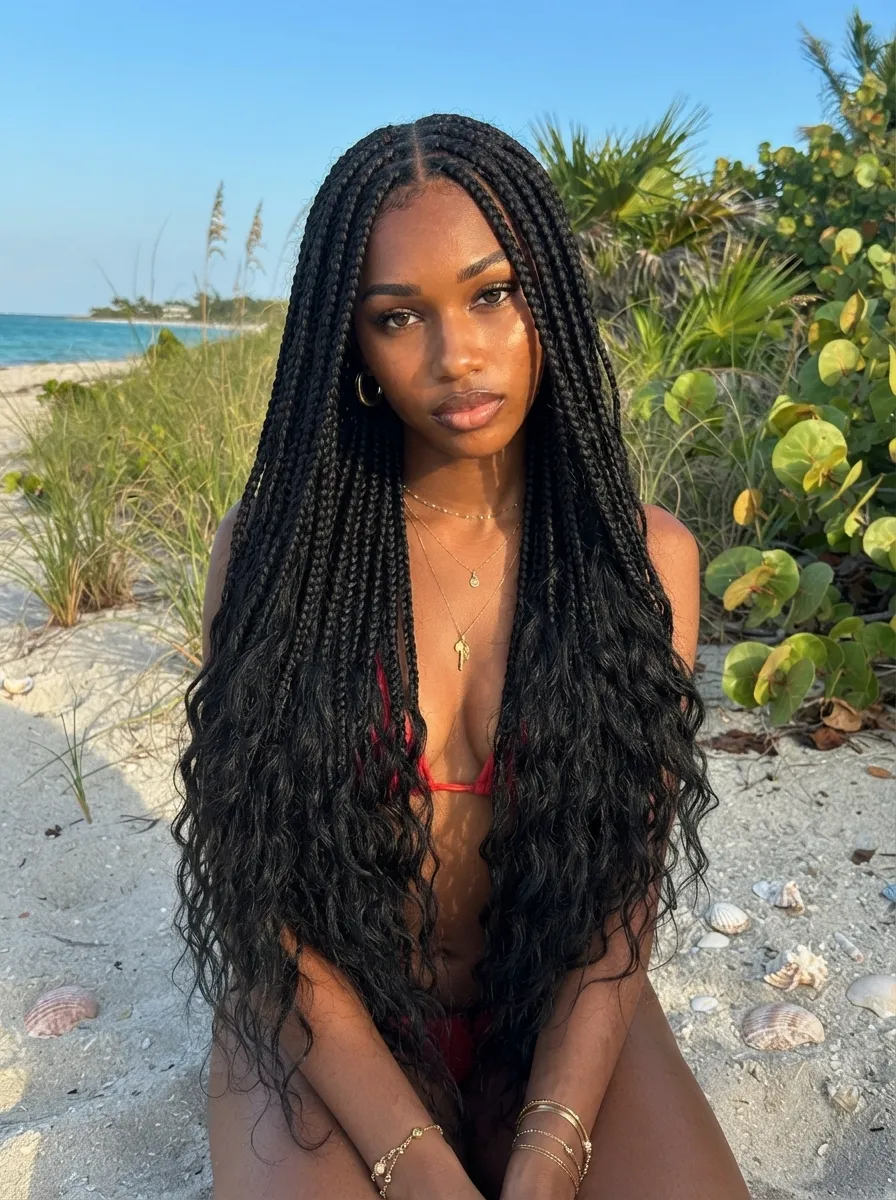
The basic three-strand braid is the place to start. Split your hair into three sections, then cross the outer sections over the middle, one at a time. Once that feels automatic, the French and Dutch versions use the same motion, with hair added as you go.
These braid styles need only a brush, a hair tie and a few minutes of practice.
Sweep your hair over one shoulder, then plait it loosely from the nape. Tug the edges gently for a fuller look. This is a go-to for a day when your hair has not been washed.
Take two thin sections from your temples, plait each one and tie them at the back of your head. The rest of your hair stays down. It keeps strands off your face and suits medium or long hair.
Divide your hair in two, then pass a thin piece from the outside of one section to the inside of the other. It takes time, but the steps are simple. Pull it apart slightly to show the pattern.
Plait a small section near one ear and pin it across the top of your head, behind the hairline. It looks polished and hides growing-out bangs. Our post on hairstyles with choppy bangs has more fringe ideas.
Cute braided hairstyles work best with a little texture, so try them on second-day hair.
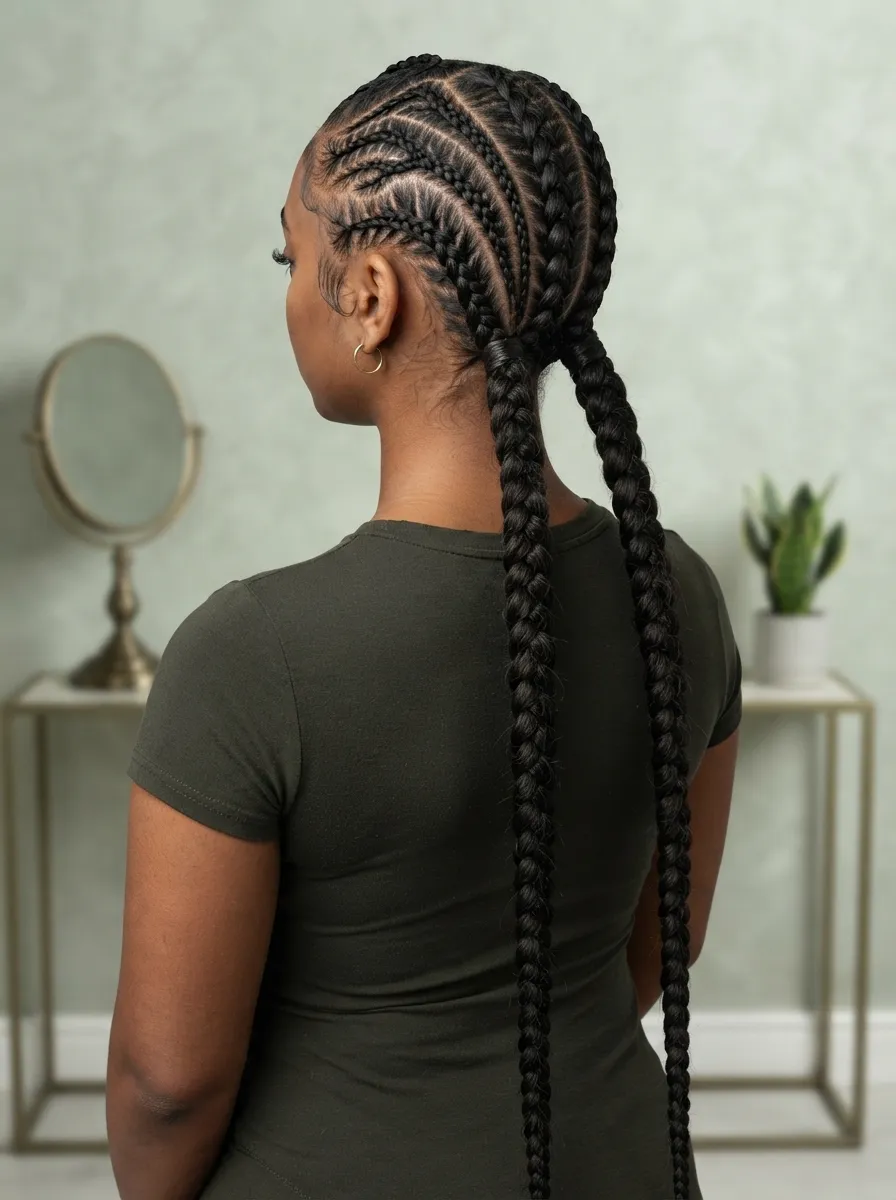
Part your hair down the center and French braid each side. The style stays put through workouts, errands and long days. It is also a neat base for sleeping if you want soft waves in the morning.
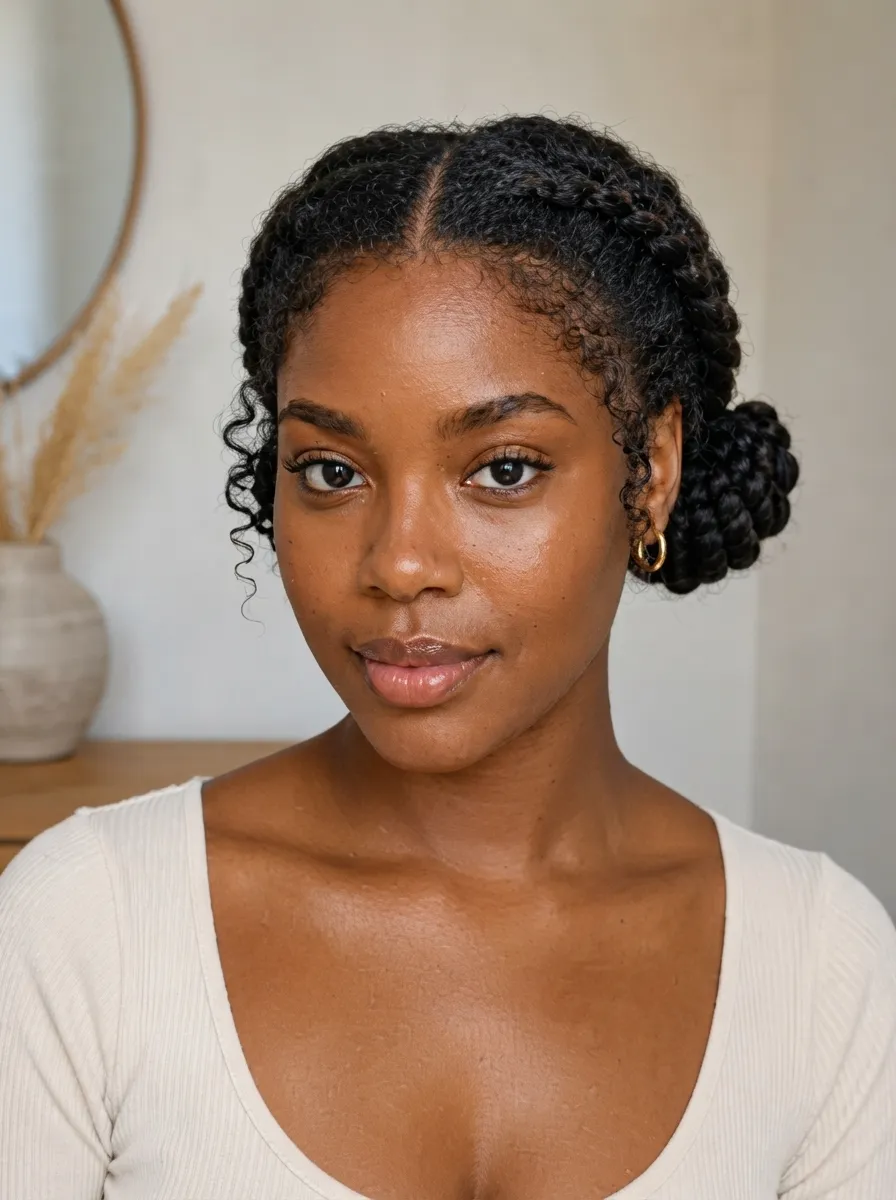
Dutch braids sit on top of the hair because you cross the strands under rather than over. Wrap two of them across your head and pin the ends. It looks dressy but keeps your hair well out of the way.
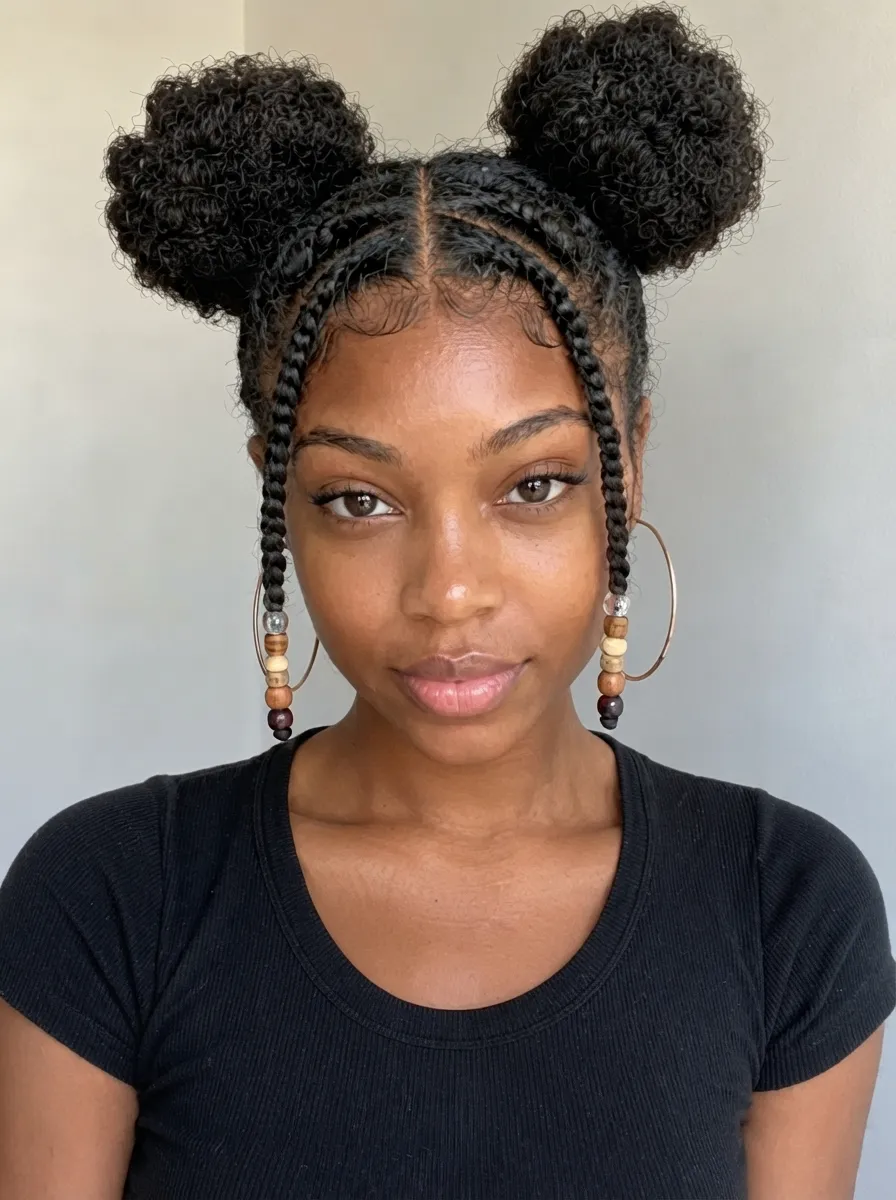
Plait two sections from the hairline back, then twist the ends into two high buns. It feels playful and works for festivals or game days. Leave a few face-framing pieces out to soften it.
Braided ponytail hairstyles combine neatness and length, so they work for the gym and for evenings out.
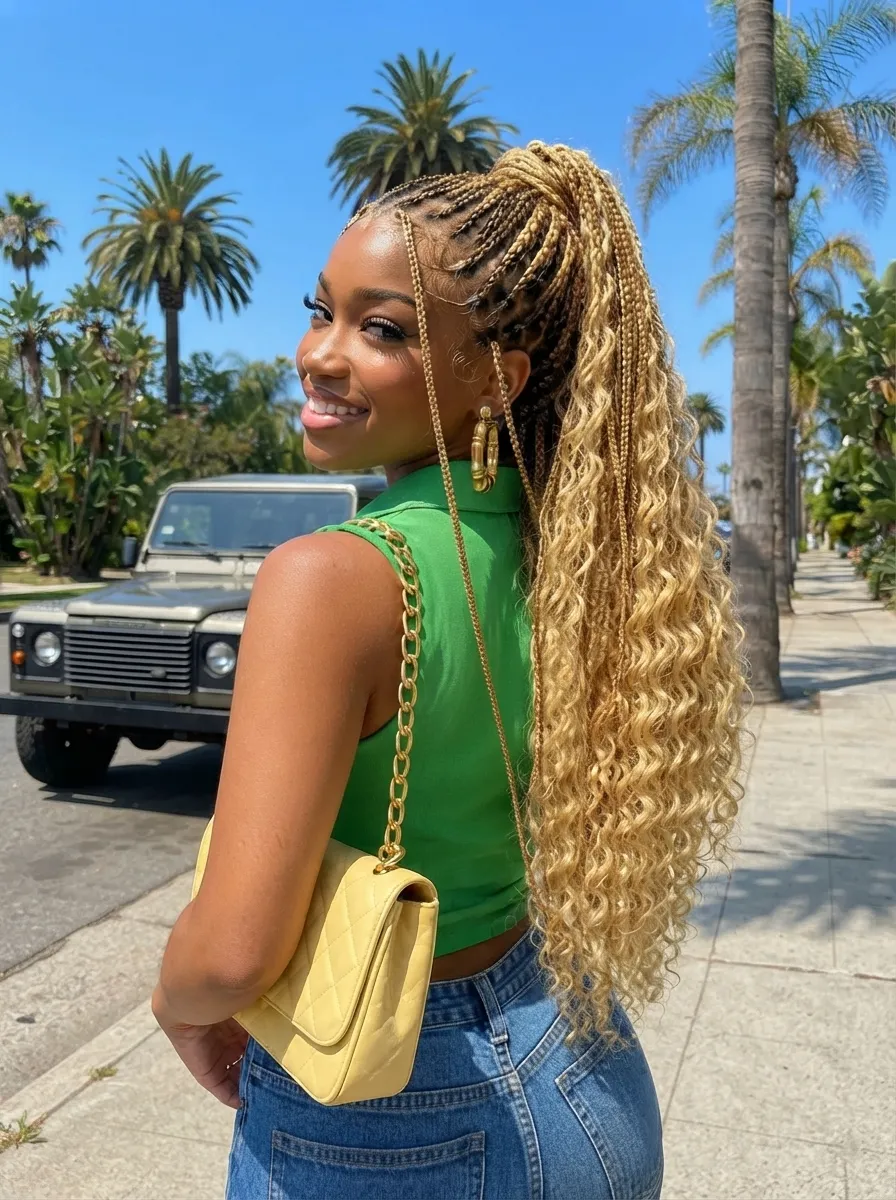
Pull your hair into a smooth high ponytail, then plait the length. Wrap a small strand around the tie to hide it. Add a little smoothing cream to catch flyaways.
Add elastic bands down your ponytail, then gently pull out each section so it looks like round bubbles. There is no braiding involved despite the name. It is an easy trick for kids and adults alike.
A low ponytail with a center part and a thin braid looks tidy for work or a wedding. Wrap the base with a strand of hair for a finished look. Keep the tie comfortable, since a tight low pony can still pull at the hairline.
Protect your edges: If a style hurts, it is too tight. Tender bumps, soreness or thinning near the hairline are signs to loosen up or change styles. Long-term tension can lead to hair loss, so speak to a clinician if thinning continues.
These looks take many hours and skilled hands. A trained braider can match the size, parting and tension to your hair. Look at a braider’s previous work and ask how they protect edges before you book. Ask for their current prices directly, since they vary widely.
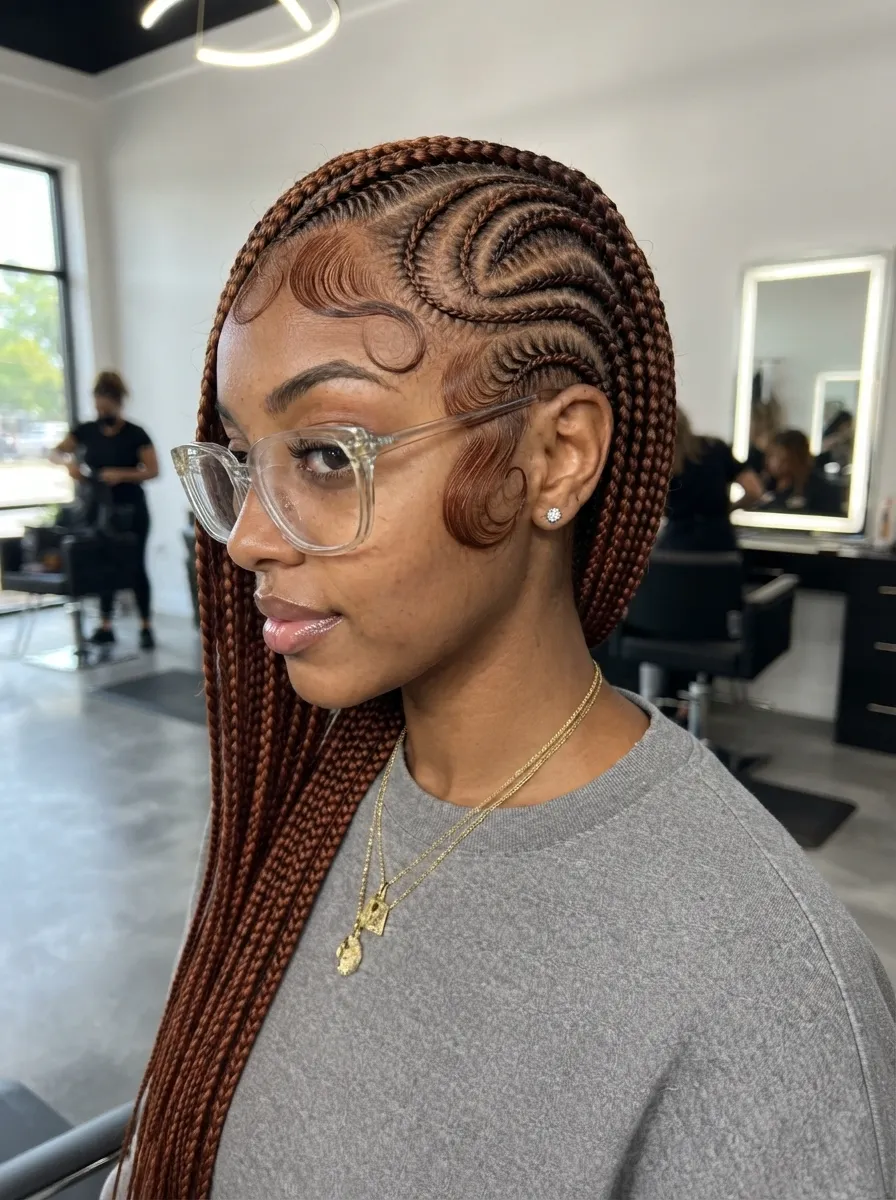
Extension hair is added gradually, so the braid starts slim at the hairline and builds as it goes. Feed in braid styles put less weight on the front of the scalp than starting with a thick piece. They suit both straight-back designs and curved patterns.
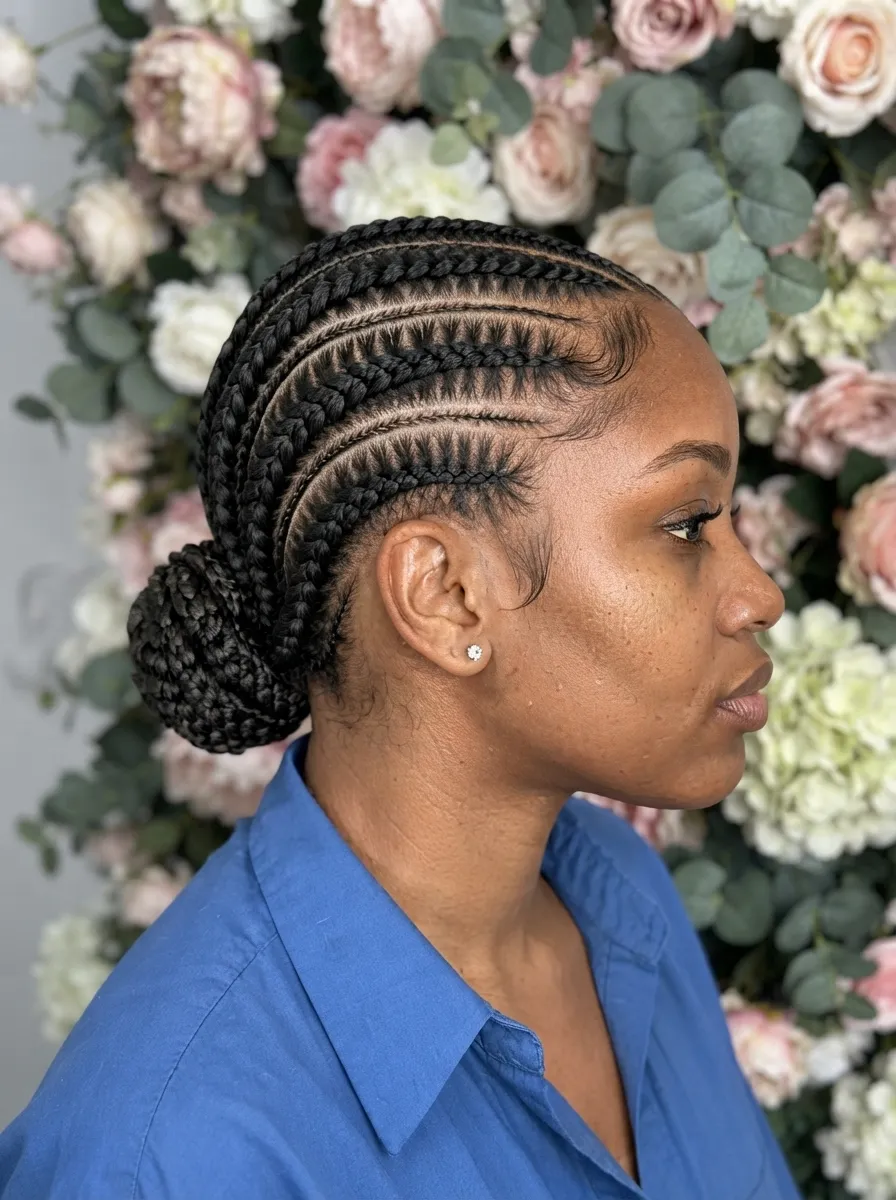
The braider uses a thin part line, or a finger, to create evenly spaced horizontal stitches along the braid. It takes precision. The effect is clean and graphic, especially with a sleek ponytail.
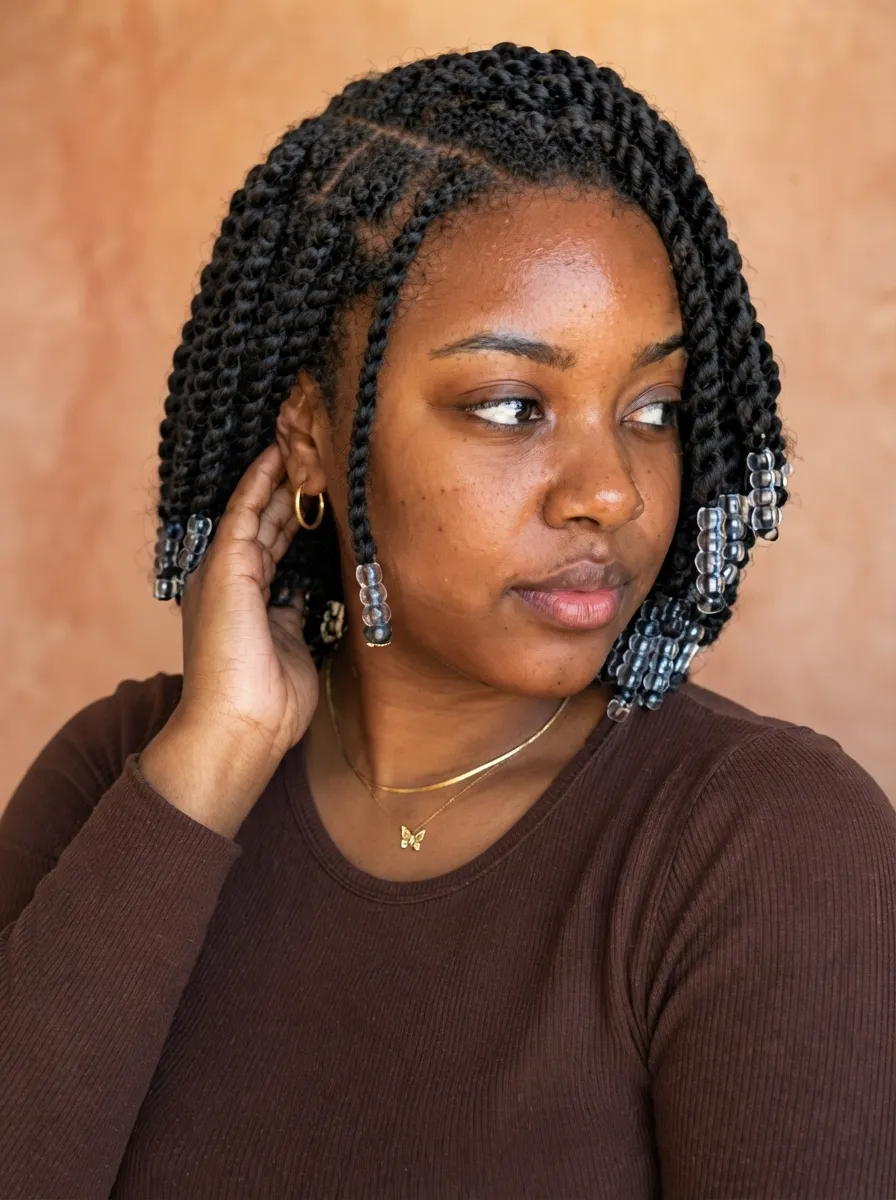
Separate square-shaped parts each hold a single braid, usually with added hair. They can be worn down, in a bun or tied back. Our guide to braided hairstyles for Black women has many more looks to save.
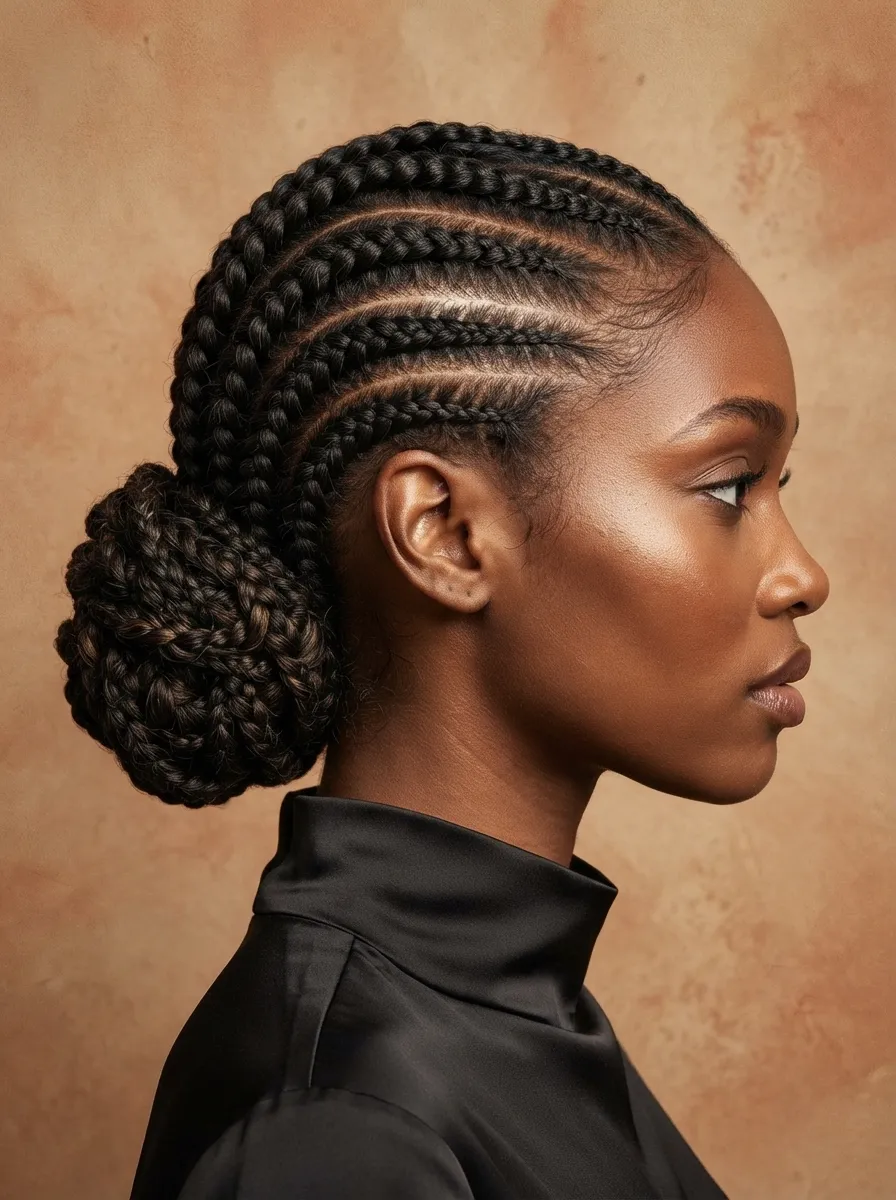
Cornrows lead toward the crown, then finish in a coiled or wrapped bun. It is tidy, elegant and easy to keep neat. It can also work as a protective hairstyle for natural hair when it is done with low tension.
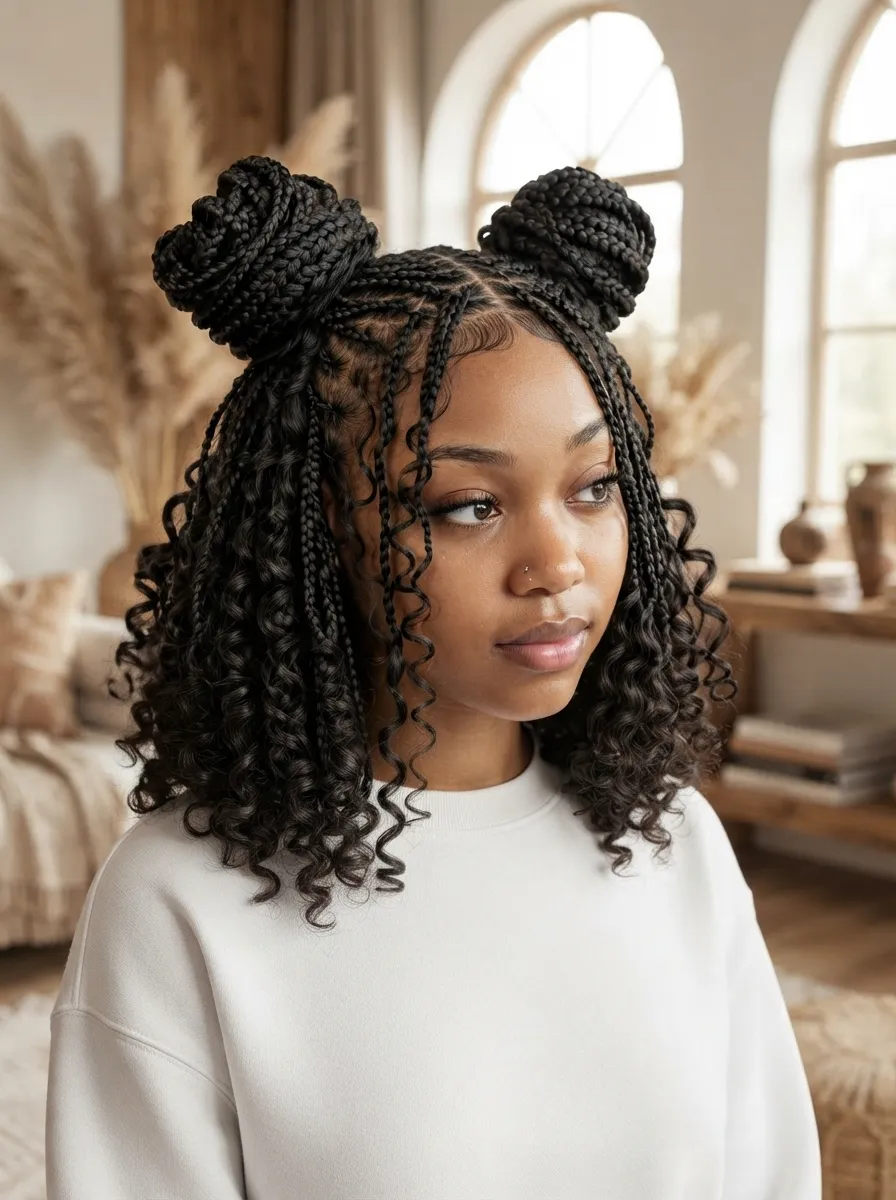
Large, soft braids wrap around the head or sit in a loose, curving pattern. Some styles leave curly pieces out for a softer look. Browse our natural hairstyles for more styles in this family.
| Style type | Who does it | Best for | Time commitment |
|---|---|---|---|
| Three-strand and fishtail | You | Day-to-day wear | Short; redo daily |
| French and Dutch | You or a friend | Workouts, sleeping, events | Medium; practice helps |
| Braided ponytails | You | Gym, office, parties | Short to medium |
| Feed-ins, cornrows, stitch braids | Professional braider | Longer-wearing styles | Long salon session |
| Box and goddess braids | Professional braider | Long-wearing protective styles | Very long salon session |
Good braid styles for women depend on texture as well as length. Fine hair can look fuller if you pull the braid gently apart after you finish it. Use a little texture spray beforehand, too, since very clean hair can slip. Thick hair does well with larger sections, and it can usually hold a heavier braid with less effort.
Curly and wavy hair grips well, so it suits two French braids, Dutch braids and low buns. Coily hair is often braided with moisture and a light gel for neat parts, and it can suit almost every style above. Short hair can still join in: try mini braids at the front or a tiny braided headband. Our guide to short haircuts for women has more ideas for shorter lengths.
Braids need upkeep, even when they look neat. Keep your scalp clean and moisturized in ways that suit your hair and the style. Sleep with a silk or satin scarf to reduce frizz. Avoid heavy products that may build up along the parts.
Take long-wearing styles out when your braider recommends. Leaving them in too long can tangle new growth, and it makes removal harder. Go slowly when you take them out, using conditioner and a wide-tooth comb. Give your edges a break before you book the next set. More beauty guides sit in our style section.
Before a long appointment, ask your braider how to prep your hair and whether you should bring the extension hair yourself. Wash and detangle if they ask you to. Bring a snack, a charger and something to read, because some of these styles take most of a day.
Practice tip: Learning to braid your own hair is hard, because your hands work backward. Practice on a friend, on a doll or on a rope tied to a chair, then move to your own head. Short sessions tend to work better than one long one.
Box braids, French braids, Dutch braids and braided ponytails are common choices. The best one depends on your hair type, schedule and how long you want it to last. Bring photos to your braider or salon.
At-home braids usually last a day or a few days. Professional styles can last longer, depending on your hair and upkeep. Ask your braider how long is right for your hair.
Braids do not make hair grow faster, but low-tension styles can protect the ends from daily handling. Tight styles can cause damage, so comfort matters. See a clinician if you notice thinning.
In a French braid you cross strands over the middle, so the braid lies flat. In a Dutch braid you cross them under, so the braid sits on top of your hair.
Yes, if it is long enough to hold in a small section. Try a braided headband, mini front braids or small cornrows. Some styles can also add extension hair for length.
Written by Scott Marshal. Edited by Abdullah Muneef. Corrections: info@elitsmedia.com.