


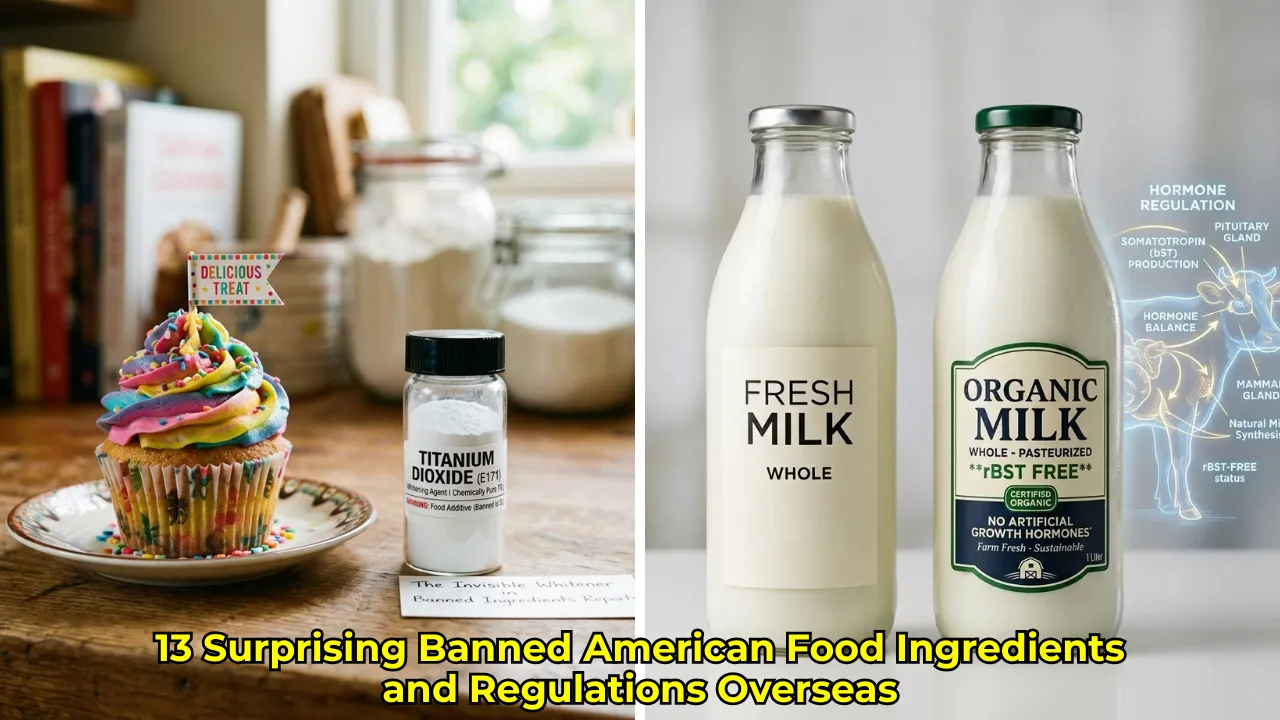
When discussing banned American food ingredients, many consumers are shocked to learn that grocery store staples in the United States often contain additives, chemicals, and processing methods that are strictly outlawed or heavily restricted across the European Union, Canada, and other international markets. While food safety regulations vary wildly around the globe, the regulatory landscape in the US is undergoing rapid changes, with federal agencies and state legislatures stepping up scrutiny on long-standing additives.

Understanding Global Differences in Food Safety Standards
Food regulations reflect vastly different philosophies on public health, production methods, and consumer protection. While some international restrictions target potential health risks, others focus heavily on animal welfare or agricultural production practices rather than direct human toxicity.
The Reality Behind Food Additives and Regulations
Major regulatory shifts have accelerated recent changes, including the FDA’s revocation of approvals for specific synthetic dyes and oils. However, many controversial substances remain entirely legal or are only slowly being phased out by major manufacturers responding to consumer pressure.
1. Unavoidable Insect Fragments and Defect Action Levels

The FDA publishes an official handbook outlining acceptable thresholds for unavoidable defects, including insect fragments, rodent hairs, and maggots in everyday foods. Industrial scale food production makes complete elimination impossible, leading to “defect action levels” that trigger regulatory enforcement only when averages exceed specific limits, such as 60 insect fragments per 100 grams of chocolate.
2. Ractopamine in the Pork Industry
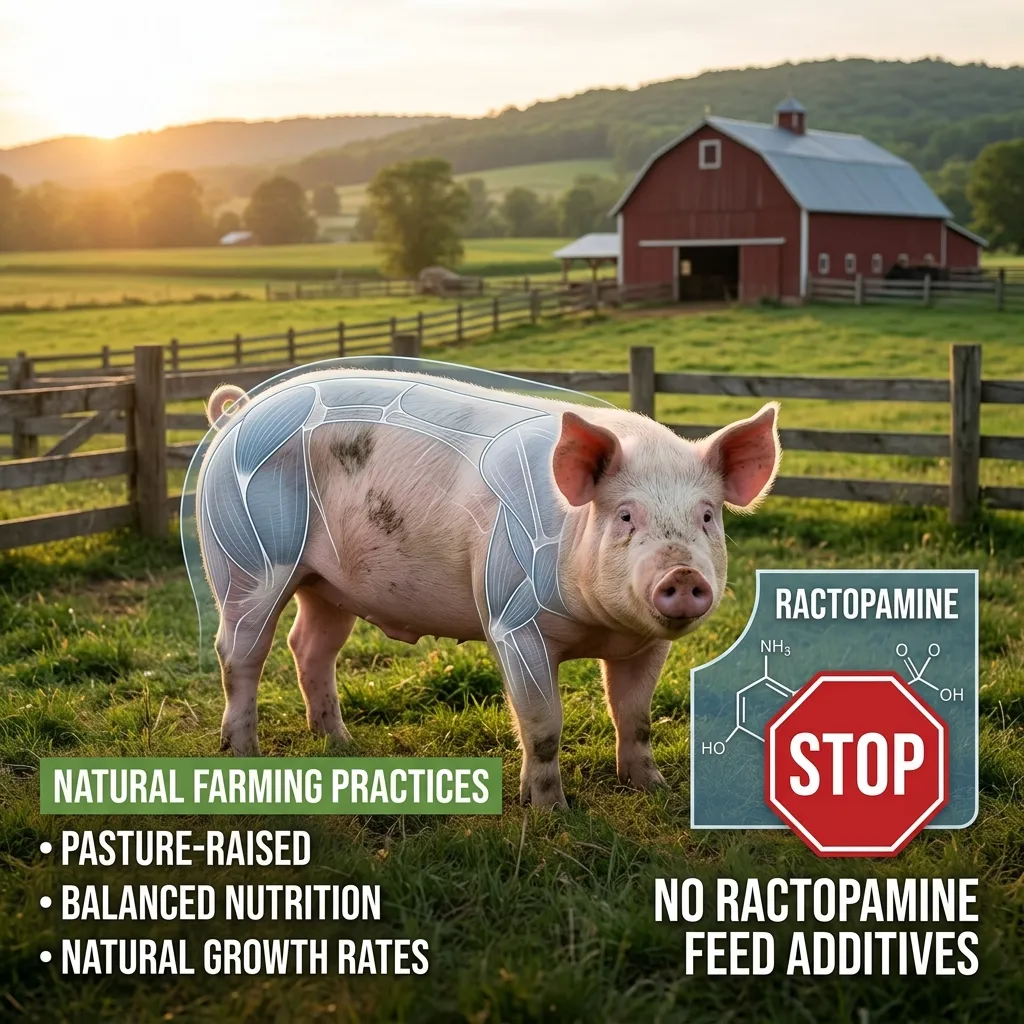
Ractopamine is a beta-agonist drug used to promote lean muscle growth in pigs, but it remains banned or restricted in at least 160 countries due to animal welfare and cardiovascular concerns. Although it is legal in the US, major pork processors like Tyson and Smithfield largely abandoned its use to maintain access to lucrative export markets.
3. Synthetic Growth Hormones in Dairy
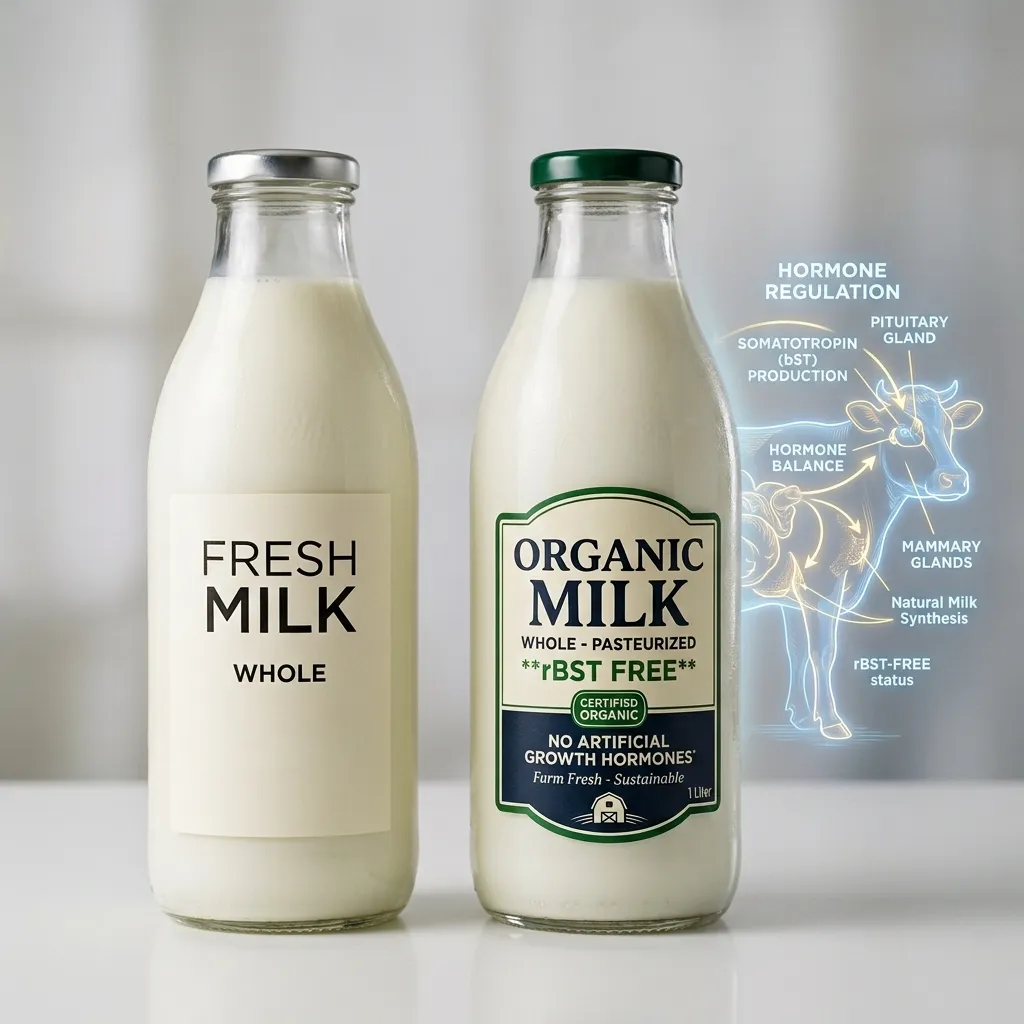
Recombinant bovine growth hormone (rBGH or rBST) boosts milk production in dairy cows by up to 16%, but it is prohibited in Canada and the EU due to increased risks of udder infections and lameness in cows. Despite its legality in the US, consumer demand has led major retailers like Walmart and Costco to source private-label milk exclusively from non-rBST suppliers.
4. Poultry Antimicrobial Washes
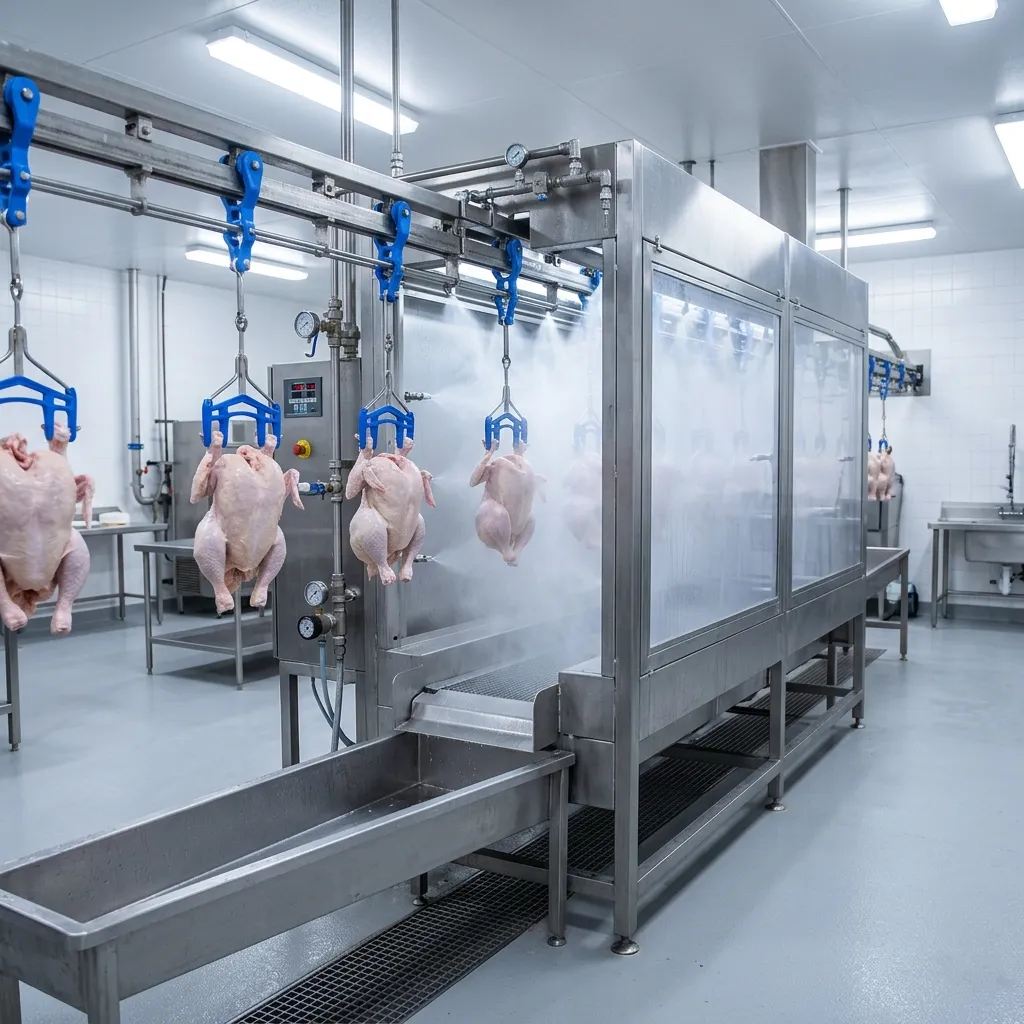
American chicken is routinely treated with chemical antimicrobial rinses after slaughter to control pathogens. The EU has barred these products since 1997, objecting to the production method rather than the chemicals themselves, preferring strict farm-to-fork hygiene controls over end-of-process washing.
5. Titanium Dioxide Whitening Agents

Titanium Dioxide, a common whitening agent used in candies and frostings, was banned across the EU in 2022 over unruled-out genotoxicity concerns. While the FDA still permits it under strict limits, companies like Mars voluntarily removed it from US Skittles.
6. Red Dye No. 3 and Delaney Clause Enforcement

Red Dye No. 3 was banned from cosmetics in 1990 due to thyroid tumors in rats, yet it remained legal in food and children’s medicine for decades. Following a federal review, the FDA officially revoked its food authorization, with mandatory industry compliance deadlines approaching.
7. Brominated Vegetable Oil in Sodas

Brominated vegetable oil (BVO) was historically added to citrus-standardized sodas to keep flavorings evenly suspended. Following studies linking high consumption to neurological symptoms and bromine toxicity, the FDA officially revoked its authorization, ending decades of interim use.
8. Artificial Dyes and Hyperactivity Warning Labels
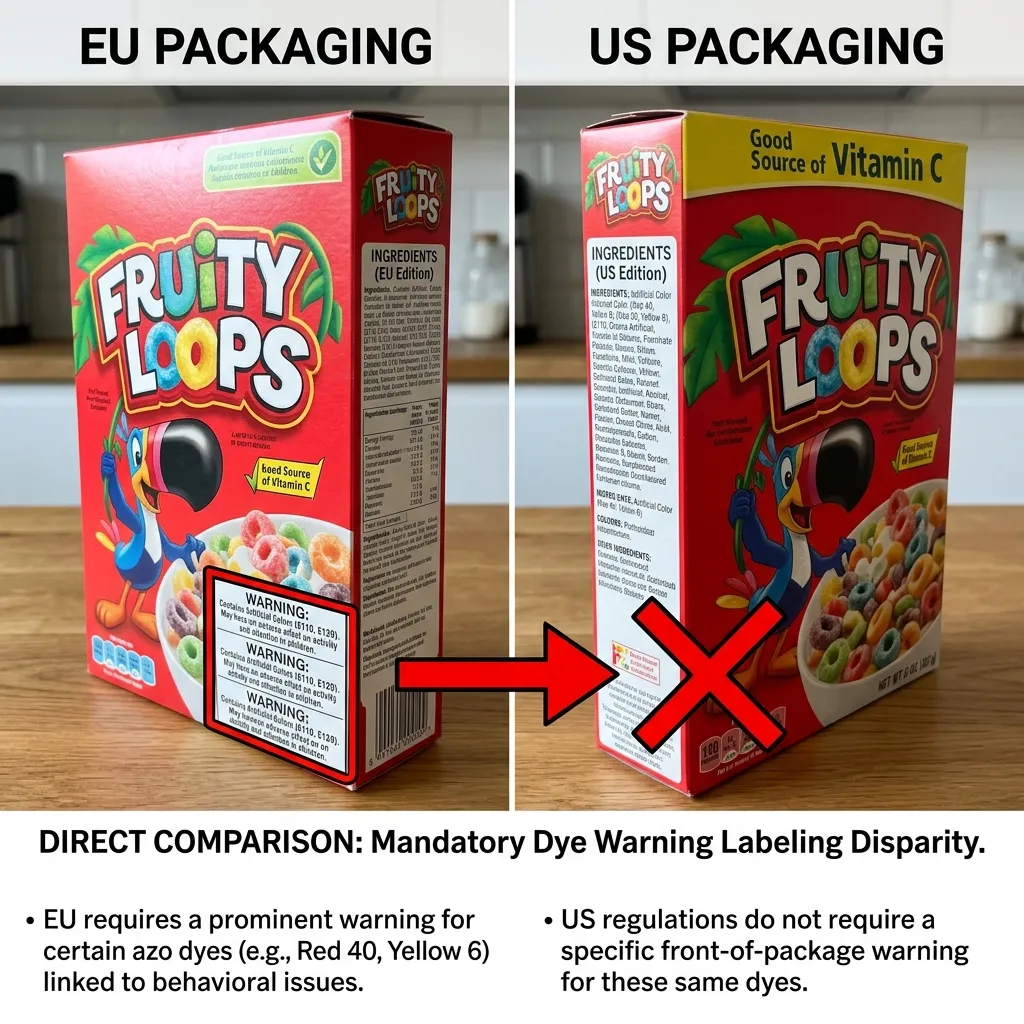
In the EU, foods containing specific synthetic dyes like Yellow 5, Yellow 6, and Red 40 must carry mandatory warning labels regarding children’s attention and activity levels. The US requires no such warnings, though mounting state investigations and voluntary industry phase-outs are shifting the market.