



If you’ve been struggling with iron deficiency anemia, fatigue, and brain fog, you are far from alone. Millions of people—especially women—wake up feeling utterly drained, chugging their second cup of coffee before 9 a.m., only to find themselves staring blankly at their computer screens. Often, we dismiss these symptoms as the unavoidable side effects of a demanding job, stress, a busy lifestyle, or just getting older. But what if your exhaustion isn’t a character flaw or a lack of sleep? What if your body is literally starving for oxygen at a cellular level? Welcome to the frustrating, exhausting world of low iron.

The Science Behind Iron Deficiency Anemia Fatigue and Brain Fog
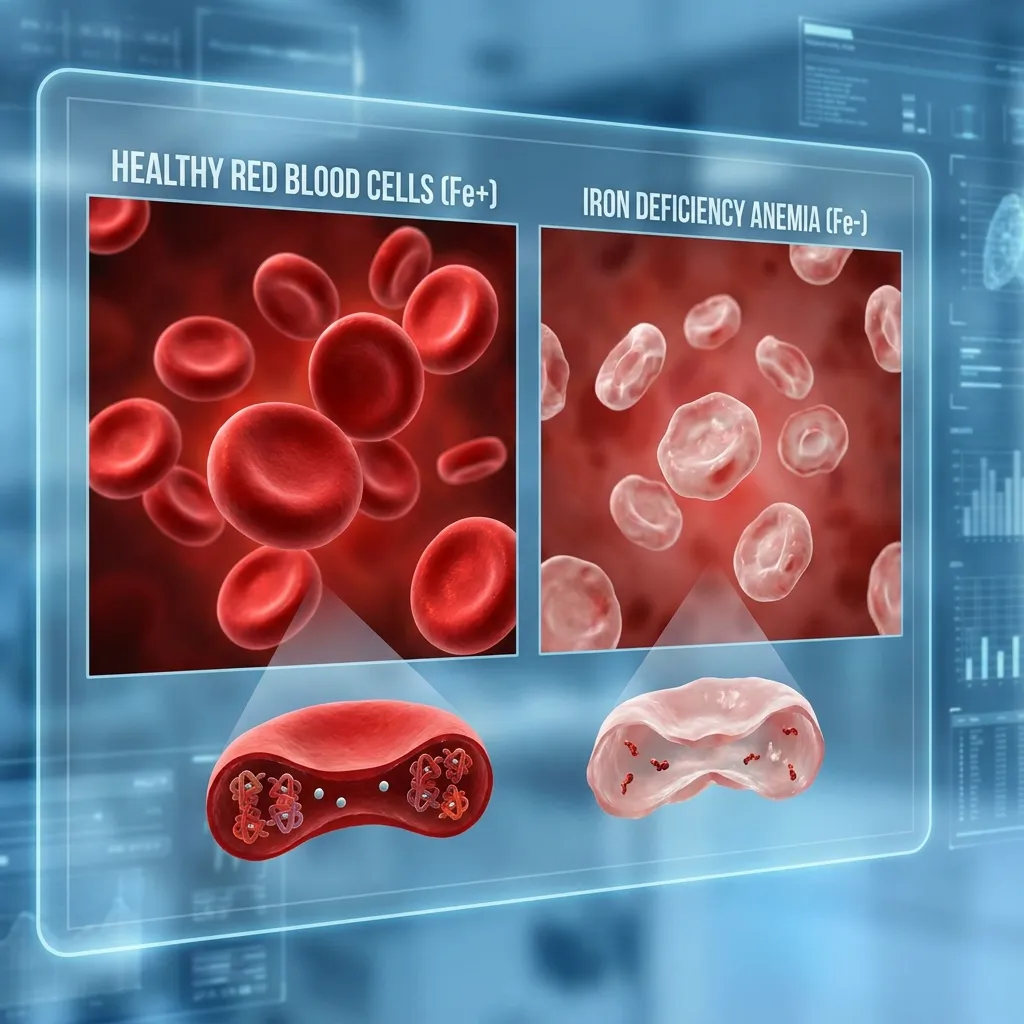
To understand why you feel like you are walking through wet cement, you have to look closely at your blood. Your body requires iron to produce hemoglobin, the essential protein in your red blood cells that carries oxygen from your lungs to the rest of your organs.
When your iron stores run dry, your body cannot produce enough healthy red blood cells. As a result, your muscles and brain are deprived of optimal oxygen. That’s exactly where iron deficiency anemia fatigue and brain fog come from. Your heart has to pump faster and work harder just to keep you upright, leaving you physically wiped out and mentally sluggish.
Read More: 7 Health Symptoms You Shouldn’t Ignore (Expert Advice)
Why Your Brain Feels So “Foggy”
Have you ever walked into a room and completely forgotten why you went in there? Or struggled to find the right word during an important conversation? Brain fog is one of the most under-discussed signs of anemia. When oxygen delivery to the brain decreases, cognitive function takes a direct hit. You aren’t losing your mind; your brain is just running on empty.
Common Symptoms: Is It Just Stress or Low Iron?
One of the main reasons iron deficiency goes undiagnosed for years is that the symptoms are incredibly sneaky. They build up so gradually that you simply adapt to feeling terrible, writing it off as “just the way things are.”
Signs You Might Have Iron Deficiency Anemia
If you are experiencing the heavy trifecta of iron deficiency anemia, fatigue, and brain fog, look out for these accompanying red flags:
-
Constant exhaustion: Feeling tired even after a full 8 to 10 hours of sleep.
-
Shortness of breath: Getting unexpectedly winded going up a single flight of stairs.
-
Dizziness and lightheadedness: Feeling woozy or unstable when you stand up quickly.
-
Physical changes: Noticeable hair thinning, brittle nails, and unusually pale skin.
-
Cold extremities: Hands and feet that are freezing, no matter the season or room temperature.
-
Restless legs: An irresistible, uncomfortable urge to move your legs, particularly at night.
-
Pica: Strange, intense cravings to chew on non-food items like ice, dirt, or clay.
How to Treat Iron Deficiency Anemia Fatigue and Brain Fog
The good news? Once you pinpoint the root cause, iron deficiency anemia fatigue and brain fog are highly treatable. You do not have to accept a life of exhaustion. Here is how you can take your energy back.
Read More: Strength Training for Middle-Aged Women: Ultimate Lifestyle Change
Step 1: Demand the Right Medical Testing
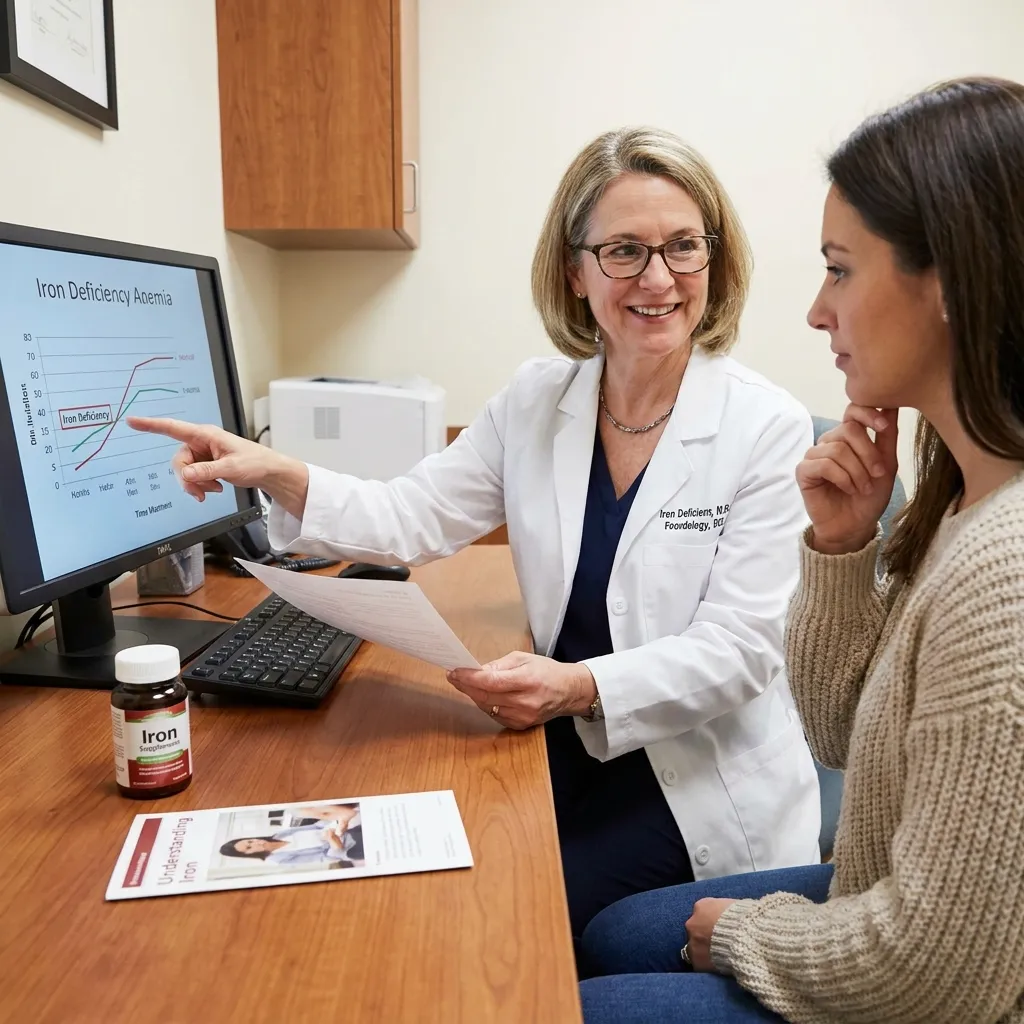
Routine checkups usually only test your hemoglobin. But here is the catch: you can be highly iron deficient before your hemoglobin drops enough to be officially diagnosed as anemic. Be your own health advocate. Ask your doctor for a complete iron panel, specifically requesting them to check your ferritin levels. Ferritin measures your stored iron; if it’s depleted, you will definitely feel the effects.
Step 2: Dietary Changes to Boost Iron Stores
While diet alone may not cure a severe clinical deficiency, it is the fundamental building block of your recovery. There are two types of dietary iron:
-
Heme iron (best absorbed): Found in animal sources like red meat, poultry, liver, and fish.
-
Non-heme iron (plant-based): Found in spinach, lentils, beans, tofu, and fortified cereals.
Pro Tip: To maximize absorption, pair your iron-rich meals with Vitamin C (like a squeeze of lemon over your spinach or a side of bell peppers). Conversely, avoid drinking coffee, tea, or taking calcium supplements within an hour of your meals, as they actively block your body from absorbing iron!
Step 3: Targeted Supplementation
If your doctor confirms you are deficient, they will likely recommend an oral iron supplement. Not all supplements are created equal—ferrous sulfate is common, but it can sometimes cause stomach upset or constipation. Work closely with your healthcare provider to find a gentle formula and a dosage schedule that works best for your body. Never start high-dose iron without a doctor’s supervision, as iron toxicity can be dangerous.
Final Thoughts on Reclaiming Your Energy
Stop normalizing your exhaustion. If iron deficiency anemia fatigue and brain fog are holding you back from enjoying your daily life, it’s time to take action. Book an appointment, ask for a full iron panel, and start giving your body the vital fuel it needs. You deserve to live a life full of vibrant energy and crystal-clear focus—not one spent constantly wishing for a nap.