



Let’s be incredibly real for a second: navigating your 40s, 50s, and 60s is no walk in the park. Between frustrating media portrayals that make us feel “invisible” and the physical rollercoasters of perimenopause and menopause, middle-aged women don’t exactly have it easy.
But here’s the amazing news: many of the pesky physical and mental shifts you’re experiencing right now are completely manageable. In fact, medical professionals are practically begging you to adopt one specific habit to combat declining bone density, muscle mass loss, and mood swings.
Their absolute number one piece of advice? Prioritize strength training for middle-aged women.
Why Strength Training for Middle-Aged Women is a Total Game-Changer
When perimenopause and menopause hit, your body goes through massive metabolic shifts, bone changes, and mood fluctuations. According to experts like Dr. Alexandra Dubinskaya, a pelvic reconstructive surgeon and menopause specialist, we are finally waking up to how deeply these hormonal shifts impact our daily lives.
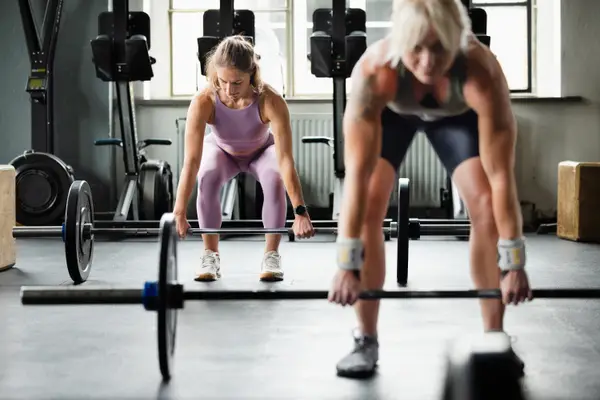
This is exactly where lifting weights or using your own body weight steps in to save the day. A solid routine of strength training for middle-aged women doesn’t just build muscle; it actively increases bone mineral density, boosts metabolic health, lowers the risk of falls, and even acts as a major mood booster.
Dr. Clarinda Hougen, a primary care sports medicine specialist at Cedars-Sinai Orthopaedics, calls it “one of the most important and most underutilized ways that women can protect their health and independence as they age.”
Read More: Frozen Shoulder in Aging Women: Causes, Symptoms & Relief
Fighting Back Against Bone Loss
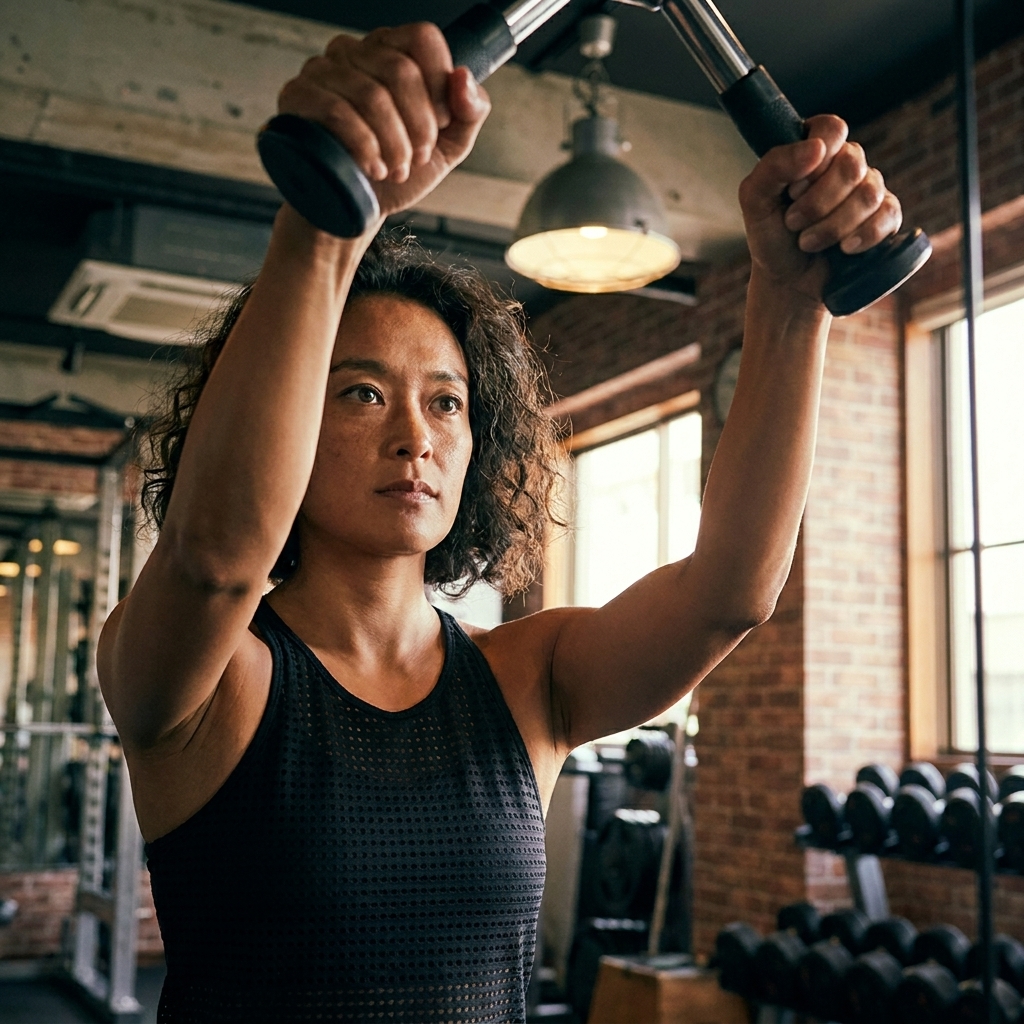
Thanks to the drop in estrogen during menopause, bone health is a massive concern. Did you know that up to 1 in 3 women over 50 will experience an osteoporosis-related fracture? Even scarier, women can lose up to 20% of their bone density within just five to seven years post-menopause. Resistance exercises are the single most effective non-pharmacological tool to pump the brakes on this process.
Read More: The Silent Crisis: Male Eating Disorders in Gym Culture Explained
How to Start Your Strength Training Journey Today

If the idea of hitting the weight room terrifies you, take a deep breath. You don’t need to become a competitive bodybuilder to reap the benefits. Here is exactly how to ease into strength training for middle-aged women safely and effectively.
1. Get the Green Light from Your Doc
Before you start buying kettlebells, schedule a quick check-in with your primary care provider. Physical therapist Yvonne Di Edwardo suggests sharing your fitness goals with your doctor to ensure things like high blood pressure or heart concerns won’t hold you back. While you’re there, ask for a bone density and balance evaluation!

2. Start Small at Home (No Gym Required!)
Gym anxiety is real, but thankfully, an expensive membership isn’t a requirement. Bodyweight exercises—like squats, step-ups, modified push-ups, and planks—are the perfect starting point.
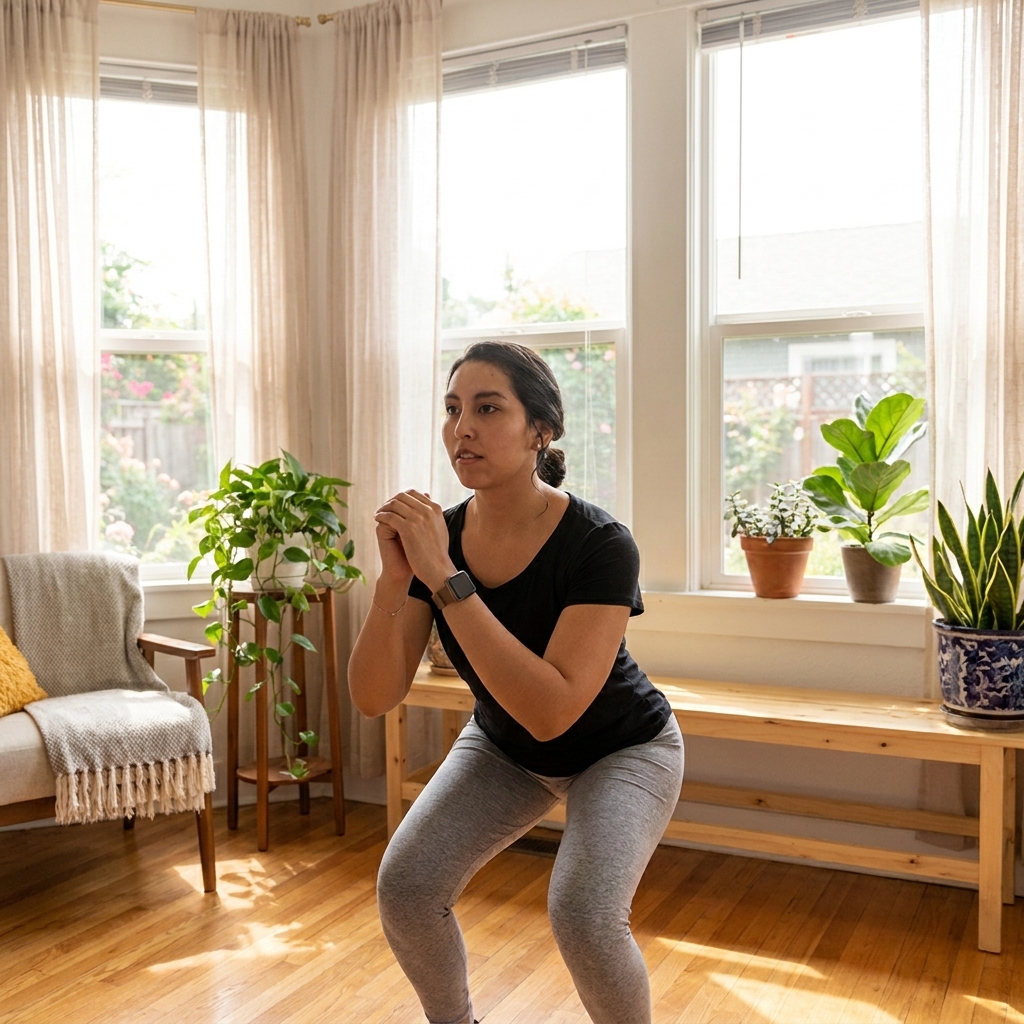
Once you nail your form, you can graduate to light dumbbells, kettlebells, or resistance bands. Di Edwardo recommends simple band exercises like standing up from a chair without using your hands (add a band above your knees for extra resistance!) or doing gentle seated rows. Just remember to warm up with a brisk walk first!
Read More: 6 Healthy Habits That Make Your Life Worse (And What to Do)
3. Don’t Forget Your Pelvic Floor
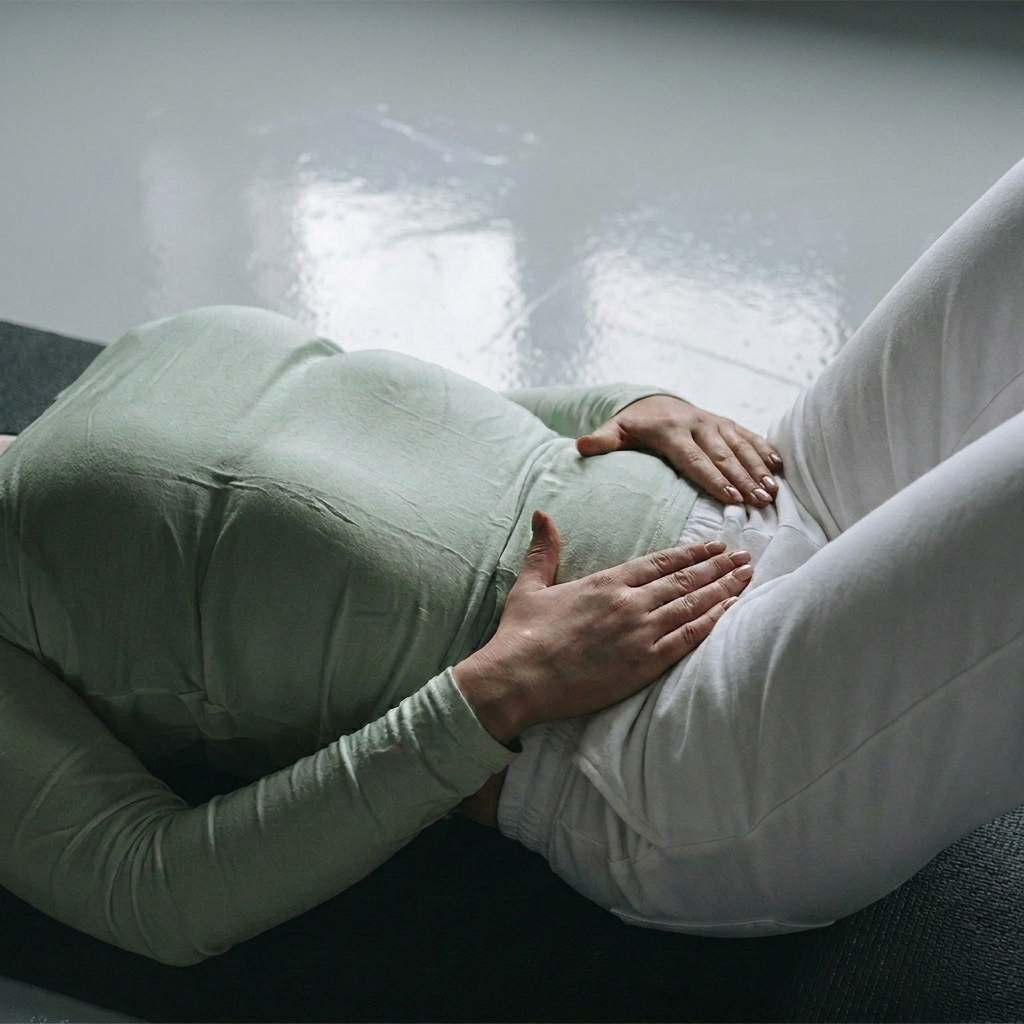
Menopause can sometimes bring along annoying issues like urinary incontinence or a weakened pelvic floor. Integrating strength training for middle-aged women with proper breathing techniques can actually relieve stress on your bladder. Exercises like Kegels, bridge poses, and “bird dogs” are fantastic. Just be sure to listen to your body—if you feel pelvic heaviness or lower back tension, scale it back.
4. Make It a Social Vibe
Let’s be honest, working out can feel like a chore. If you struggle with motivation, make it a social event! Grab your best friends for a water aerobics class or join a community-based light resistance group. Accountability makes everything more fun.

5. Fuel and Hydrate Your Body
You can’t build strong bones and muscles without the right fuel. Lean proteins (like chicken, turkey, beans, or tofu) are crucial for muscle repair. And drink your water! Dehydrated muscles cramp easily and take much longer to recover.

6. Pace Yourself: Midlife Health is Not About Extremes
If you have connective tissue disorders or are just starting out, remember the golden rule: go slow. Aggressive heavy lifting isn’t the goal here.
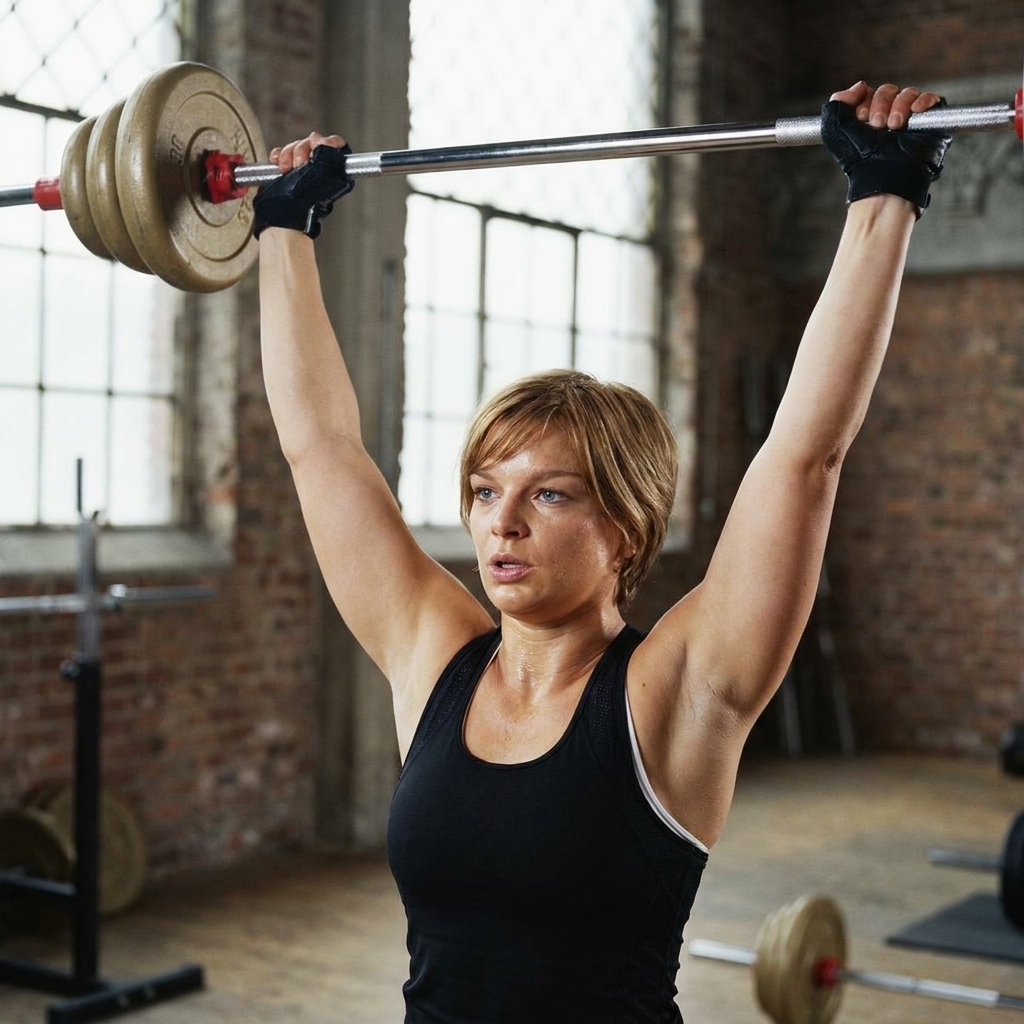
“Midlife health is not about extremes. It’s about longevity,” says Dr. Dubinskaya. The ultimate goal of strength training for middle-aged women isn’t to lift the heaviest weight in the gym—it’s to ensure you are still moving safely, independently, and confidently 20 years from now.