

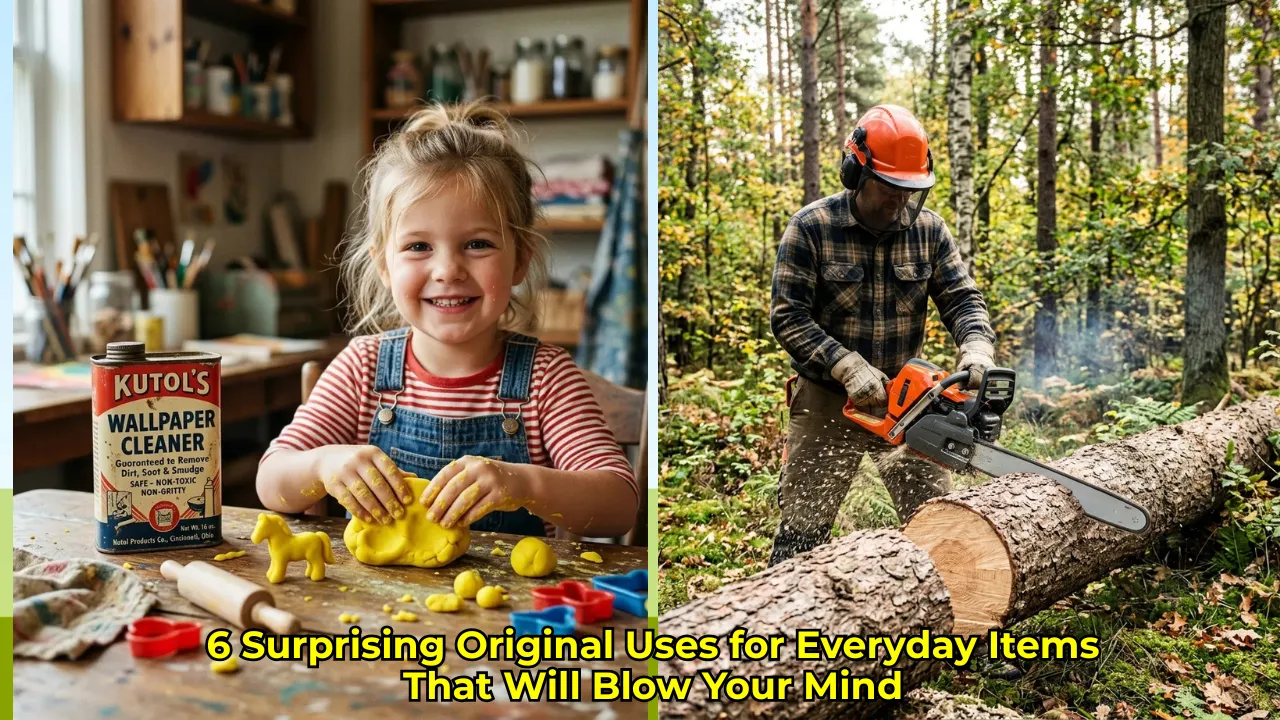
Have you ever stopped to wonder how the things lying around your house were actually invented? We tend to take the objects in our daily routines for granted, assuming they were always designed to do exactly what we use them for today. But history is full of happy accidents, marketing pivots, and bizarre origin stories. When you uncover the surprising original uses for everyday items, you quickly realize that human innovation is rarely a straight line.
From beloved childhood toys to essential hygiene products, many of our favorite household staples started out with entirely different—and sometimes shocking—purposes. If you love quirky history and random trivia, buckle up. We are diving deep into the bizarre history of everyday objects that will completely change the way you look at your home.
Uncovering the Surprising Original Uses for Everyday Items
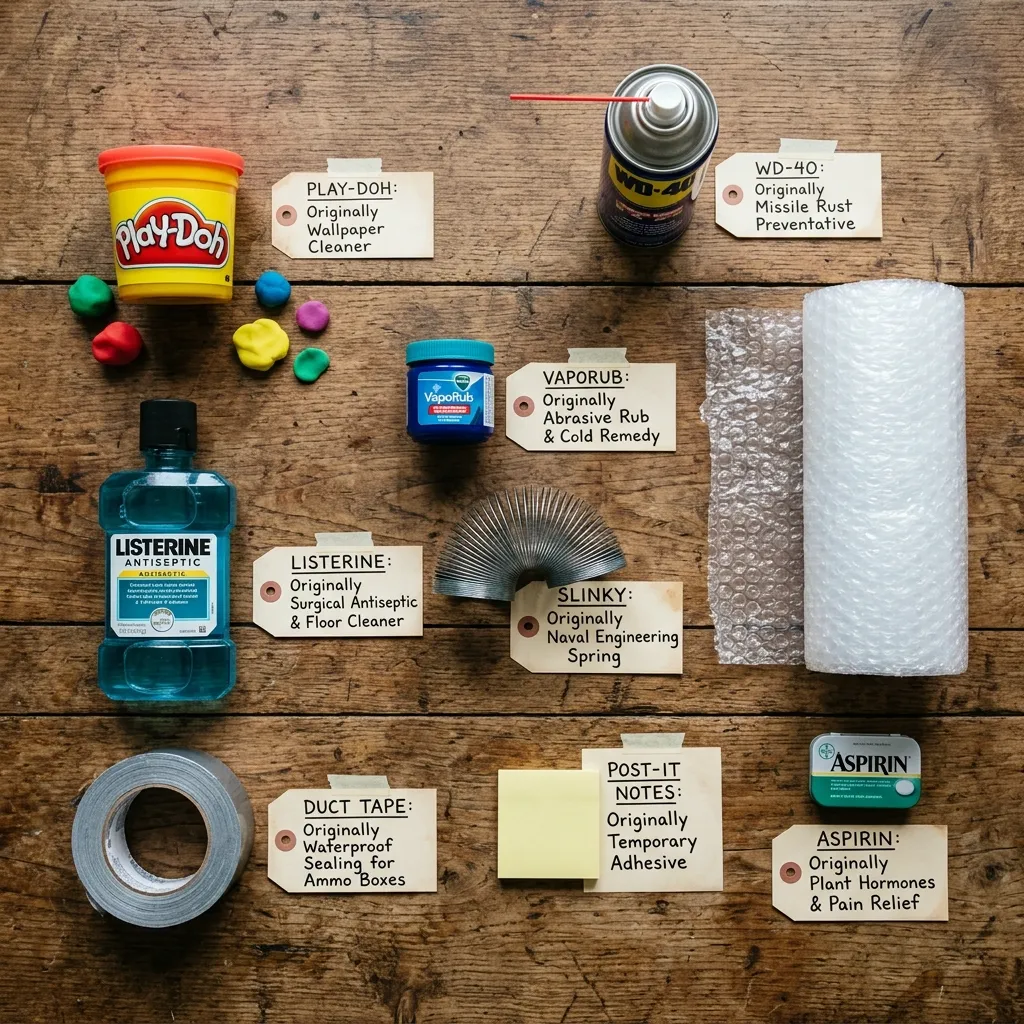
It is fascinating to see how consumer products evolve over time. Sometimes an invention completely fails at its intended goal, only to become a billion-dollar success in a completely different market. Here are six everyday items with wild origins that you never saw coming.
Read More: Is Charging Your Phone to 100% Overnight Ruining Your Battery?
1. Play-Doh: From Cleaning Walls to Childhood Creativity
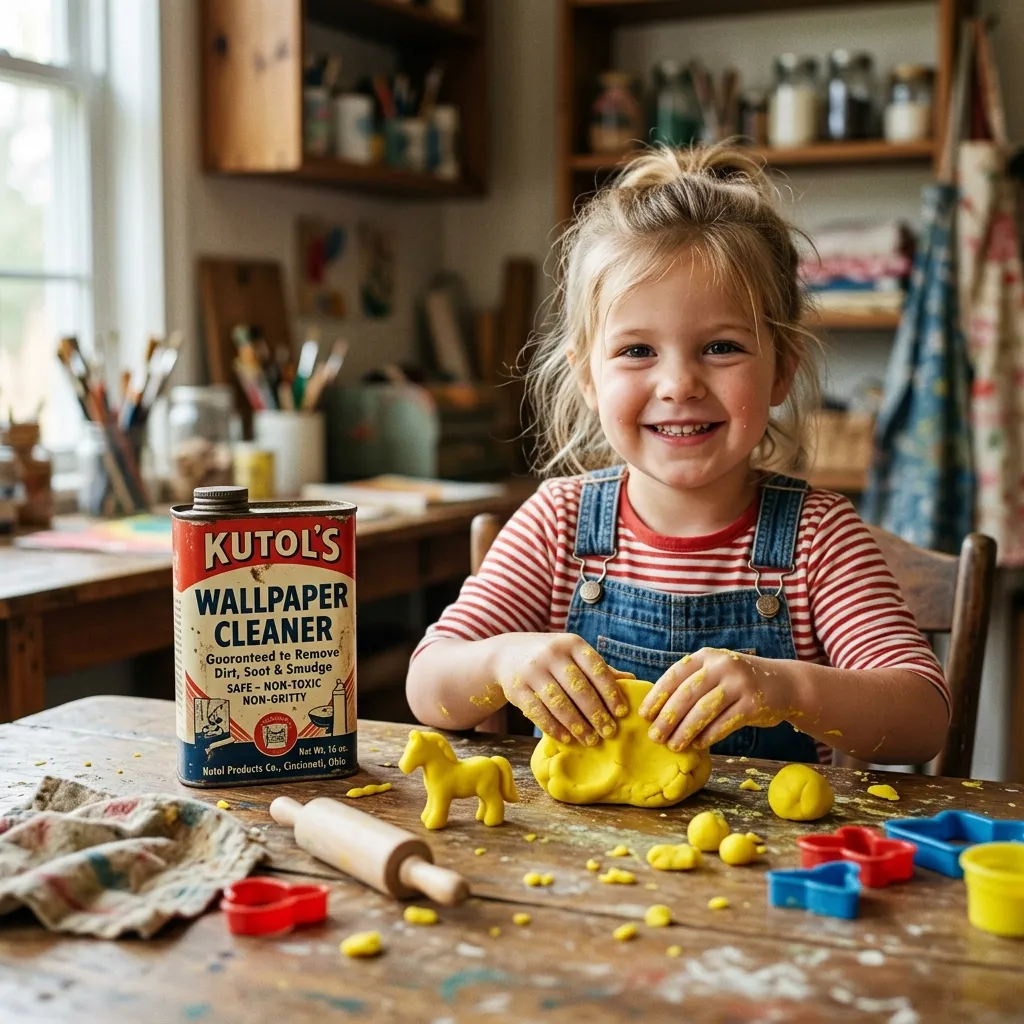
Long before it was a staple in preschool classrooms, Play-Doh was created for a much less glamorous task: cleaning walls. In the 1930s, many homes were heated by coal, which left a thick, dark layer of soot on the wallpaper. Kutol Products created a pliable, putty-like substance designed to easily lift the soot without ruining the paper.
However, as people transitioned to clean-burning gas and electric heating, the demand for wallpaper cleaner plummeted. Realizing that children were already using the non-toxic putty to make arts and crafts, the company cleverly rebranded it. They removed the cleaning chemicals, added bright dyes and that iconic scent, and Play-Doh was born.
2. Bubble Wrap: The Failed 3D Wallpaper Trend
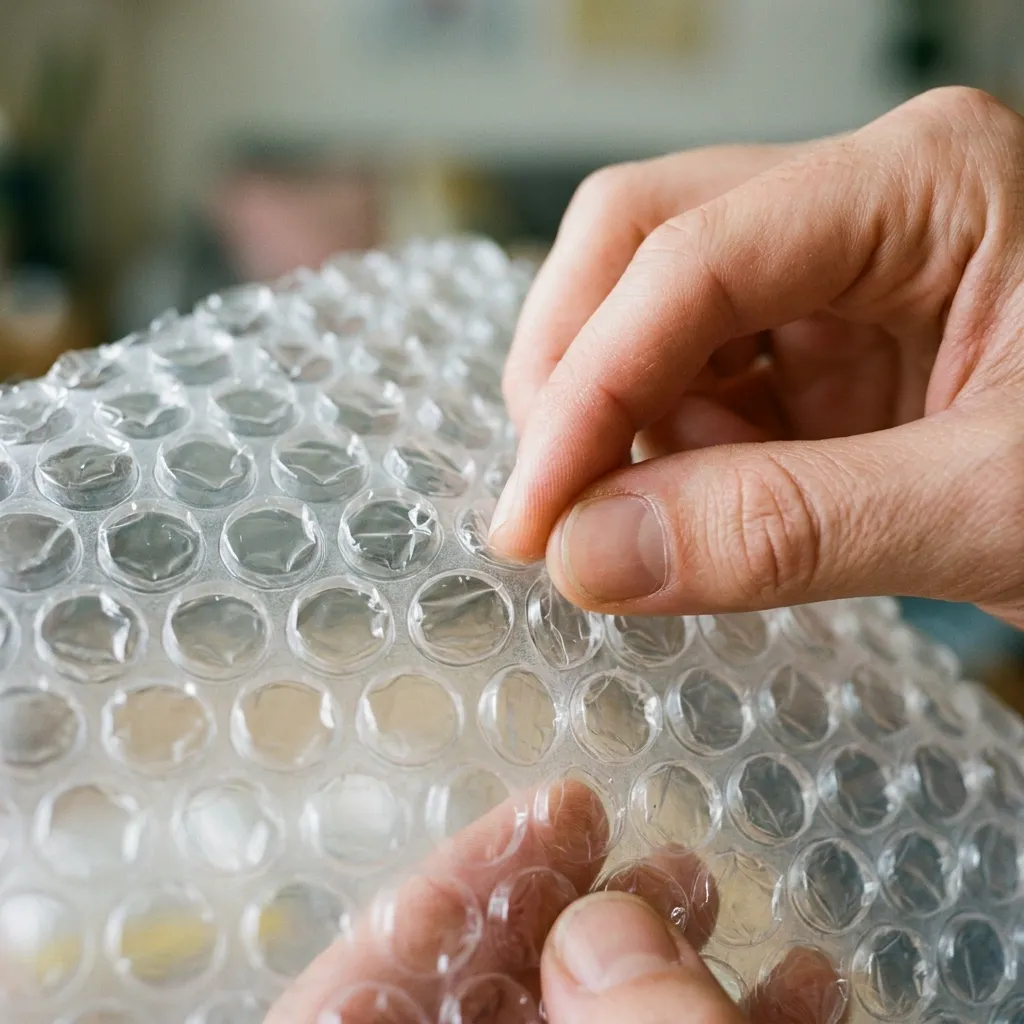
The next time you are gleefully popping the air pockets on a sheet of Bubble Wrap, remember that you are technically destroying what was originally supposed to be high-end home decor.
In 1957, engineers Alfred Fielding and Marc Chavannes set out to create a textured, three-dimensional plastic wallpaper. They sealed two shower curtains together, trapping tiny air bubbles inside. Unsurprisingly, the interior design world wasn’t exactly thrilled with the idea of sticking plastic bubble sheets to their living room walls. The inventors then tried to market it as greenhouse insulation, which also flopped. It wasn’t until IBM needed a way to protect their newly launched 1401 computer during shipping that Bubble Wrap found its true, highly protective calling.
Read More: 8 Best Home Organization Hacks & Solutions for a Tidy Space
3. Listerine: A Floor Cleaner and Surgical Antiseptic
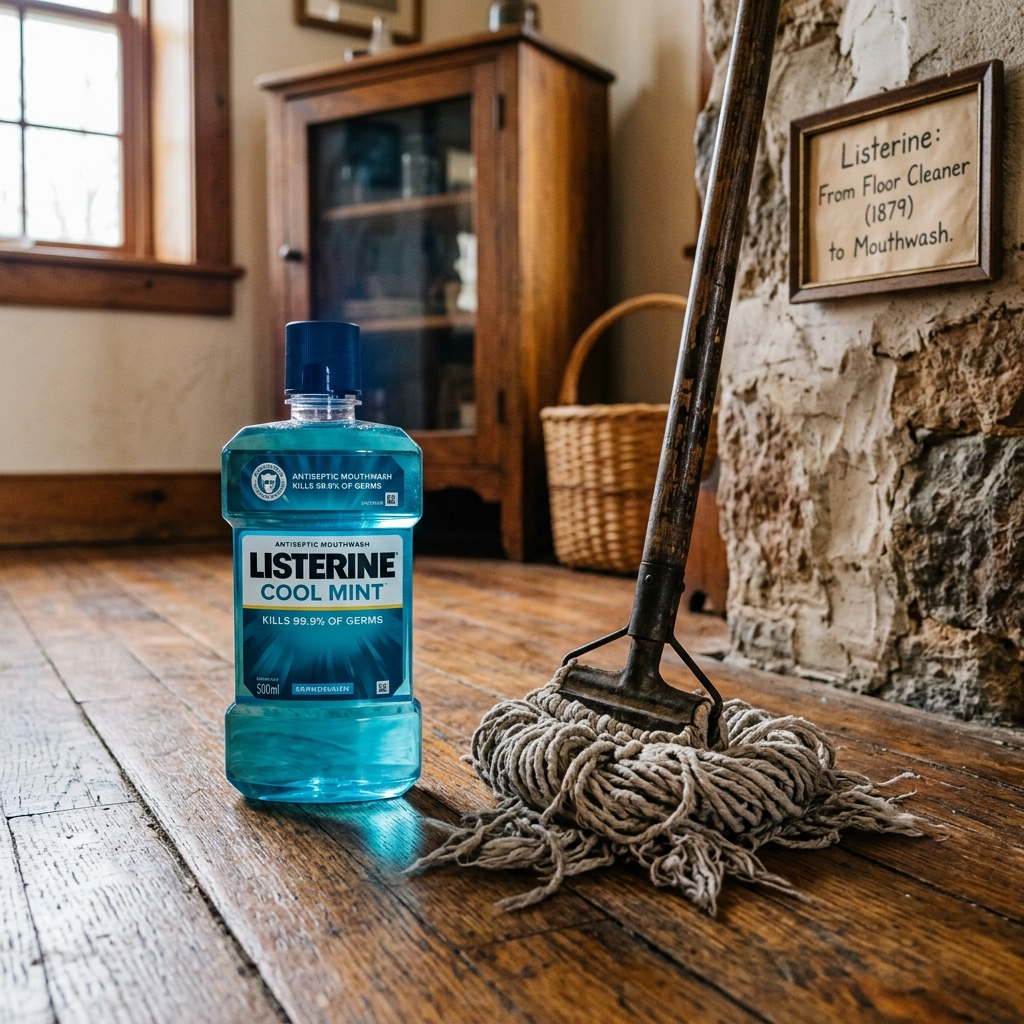
Listerine has one of the most unpredictable resumes in the history of consumer goods. Today, it is the minty mouthwash that saves us from bad breath. But when it was first formulated in 1879, it was marketed as a heavy-duty surgical antiseptic.
Over the decades, Listerine’s creators pitched it as a cure for gonorrhea, a treatment for dandruff, a remedy for insect bites, and—believe it or not—a floor cleaner. It wasn’t until the 1920s that the company coined the medical-sounding term “halitosis” to describe bad breath, effectively creating a brand-new social insecurity and positioning their antiseptic as the ultimate daily cure.
4. High Heels: Essential Equestrian Gear for Soldiers
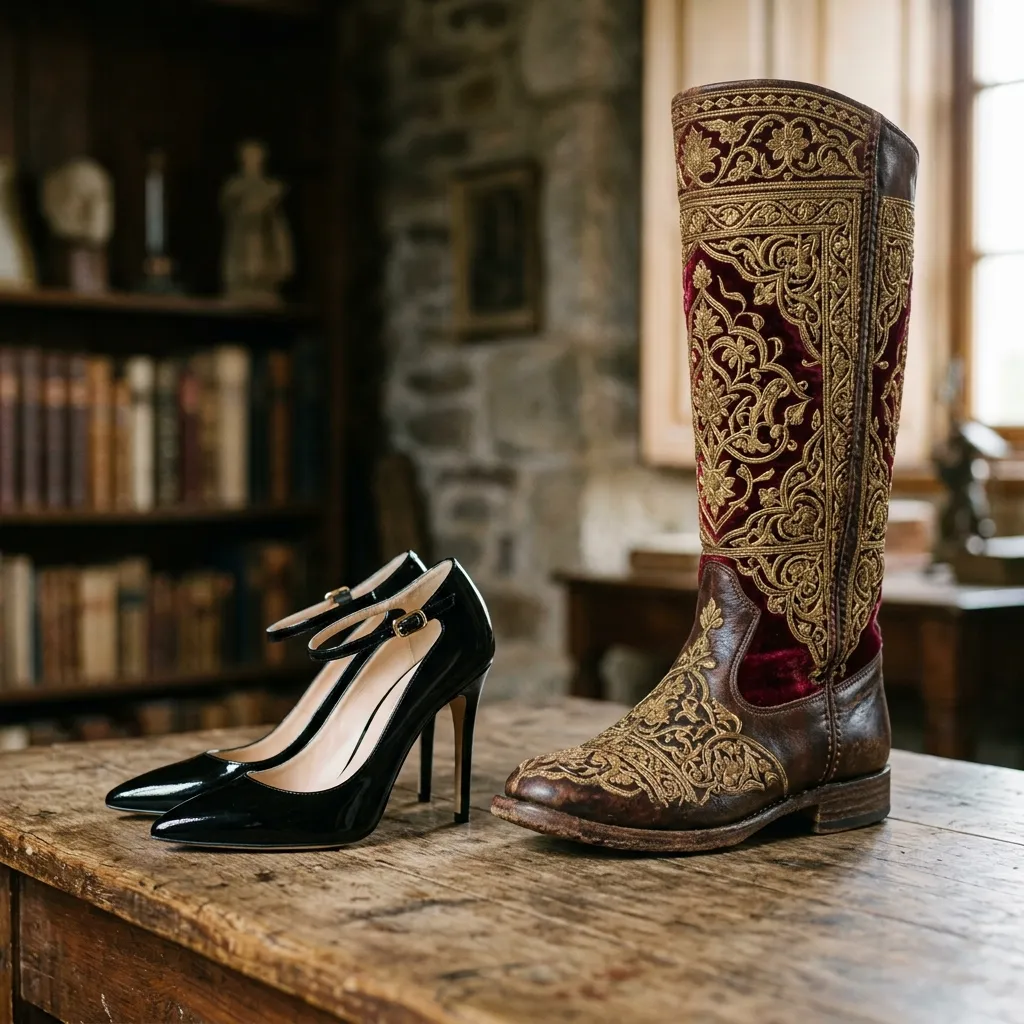
High heels are the ultimate symbol of modern fashion and elegance, but their origins have nothing to do with runways or evening gowns. The original uses for everyday items often stem from extreme practicality, and heels are no exception.
In the 15th century, Persian soldiers wore high heels to secure their feet in the stirrups while riding horseback. The heel allowed the rider to stand up in the stirrups and shoot their bows with deadly stability and accuracy. When Persian diplomats brought the style to Europe, male aristocrats adopted the heel as a symbol of masculinity, military prowess, and high social standing. It took centuries for the heel to transition out of menswear and into women’s fashion.
Read More: 12 of the Worst Home Design Fails You Have to See to Believe
5. Post-it Notes: The Accidental, “Failed” Super Glue

The Post-it Note is the ultimate story of failing your way to massive success. In 1968, a scientist at 3M named Dr. Spencer Silver was trying to invent a super-strong aerospace adhesive. Instead, he accidentally created a “low-tack” adhesive that stuck to things but could be easily peeled off without leaving a residue.
For years, 3M had no idea what to do with a glue that didn’t permanently stick. It wasn’t until another employee, Art Fry, realized he could use the weak adhesive to keep the paper bookmarks from falling out of his church hymnal. Today, it is impossible to imagine a functional office without these iconic sticky squares.
6. The Chainsaw: A Gruesome Medical Tool for Childbirth
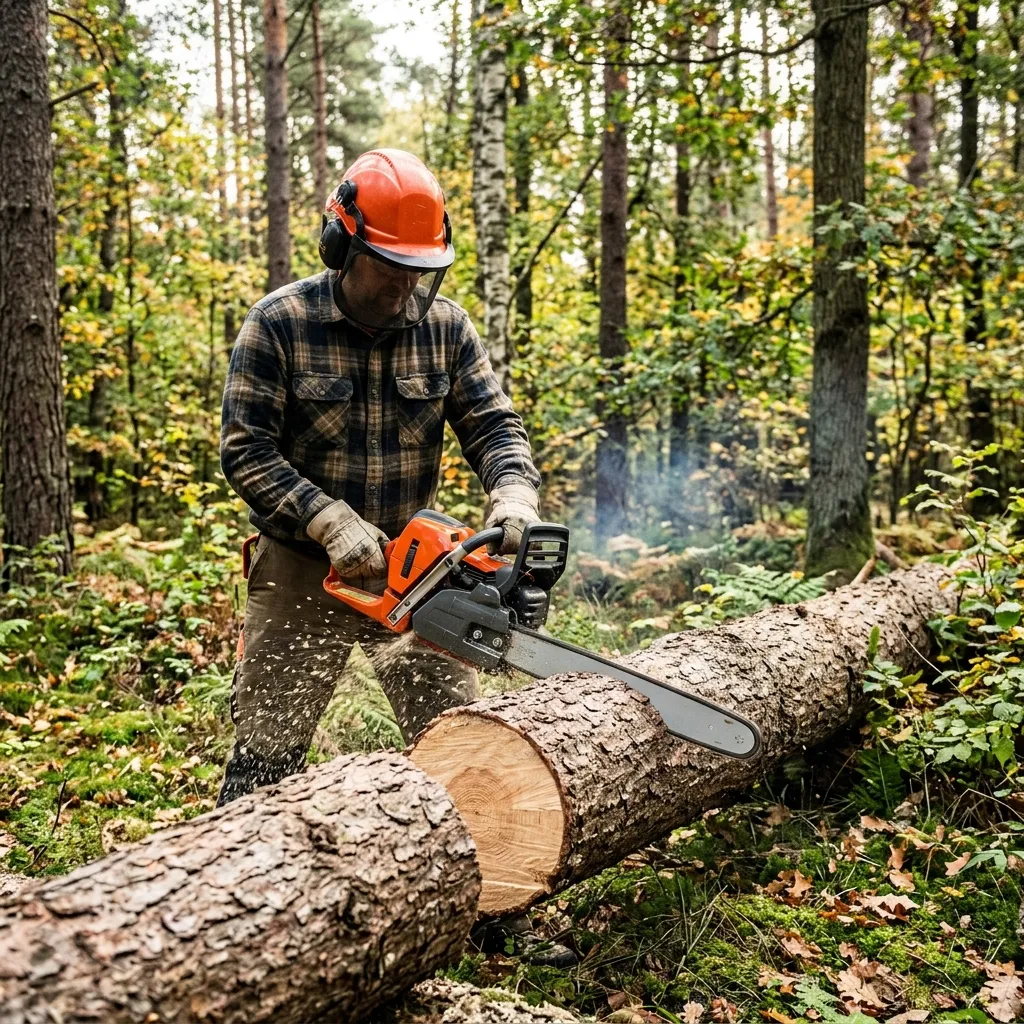
Consider this a trigger warning for anyone squeamish about medical history. Today, chainsaws are used by lumberjacks to clear timber. But in the late 18th century, the chainsaw was actually invented by two Scottish doctors as a surgical instrument.
Before the widespread use of C-sections, doctors performed a procedure called a symphysiotomy to help deliver babies that were stuck in the birth canal. To make the bone-cutting process faster and less exhausting for the surgeon, they invented a small, hand-cranked chainsaw with teeth on a moving chain. It wasn’t until the 1900s that someone realized this gruesome medical tool could be scaled up to fell trees.
Final Thoughts on the True Origins of Your Favorite Things
Learning about the surprising original uses for everyday items proves that innovation is largely about perspective. An invention might fail at its primary goal, but a simple pivot can turn a wallpaper cleaner into a beloved toy, or a surgical wash into a daily breath freshener. The next time you look around your home, take a moment to wonder: what else is secretly hiding a bizarre past?