


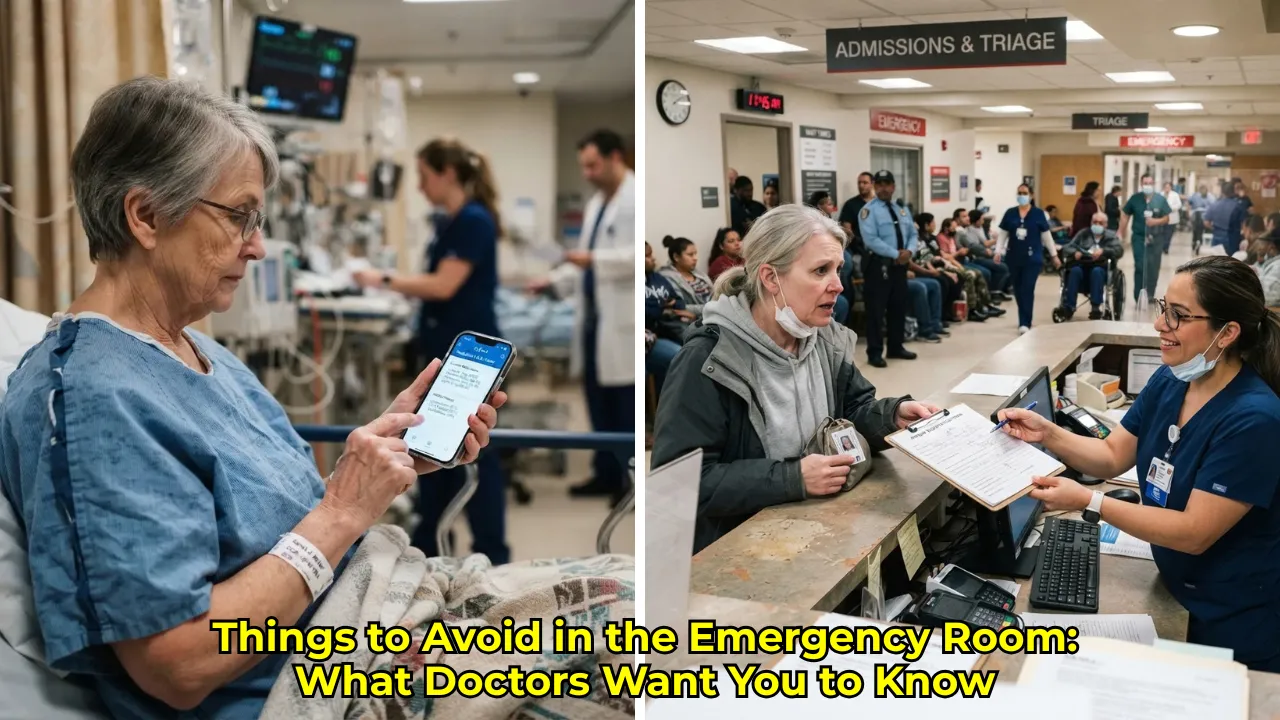
Knowing important things to avoid in the emergency room can make all the difference between receiving quick, life saving care and experiencing frustrating delays. When a medical crisis strikes, panic often sets in, leading patients and their families to make well-meaning mistakes that inadvertently slow down treatment. Emergency room physicians deal with high pressure environments every single day, and they frequently see avoidable errors that complicate diagnoses. Understanding how the ER functions and what medical professionals wish you would stop doing can streamline your visit and keep you safer.
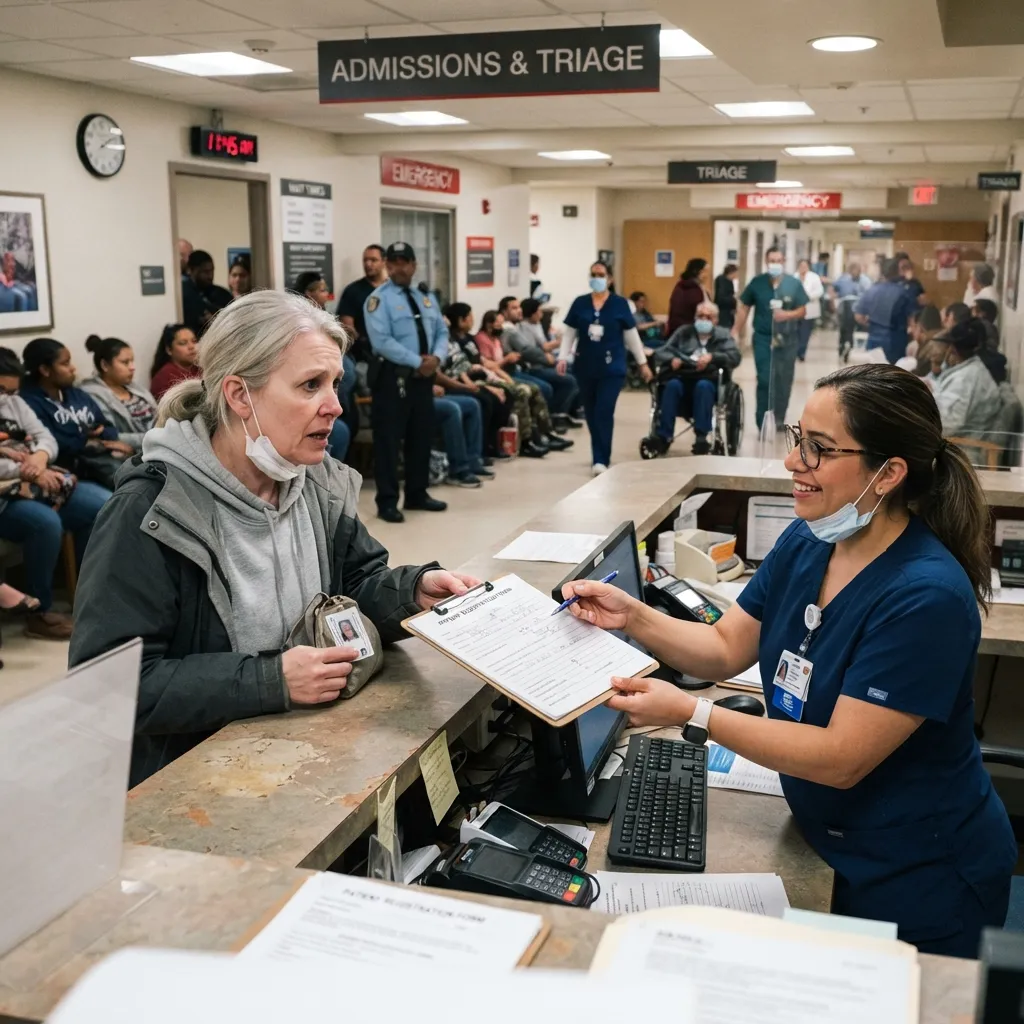
Common Mistakes and Things to Avoid in the Emergency Room
Stepping into a trauma center or ER requires a cool head. While it is completely normal to feel stressed when you or a loved one is hurting, certain behaviors can hinder the medical staff. Let us examine the top pitfalls you should steer clear of during your next visit.
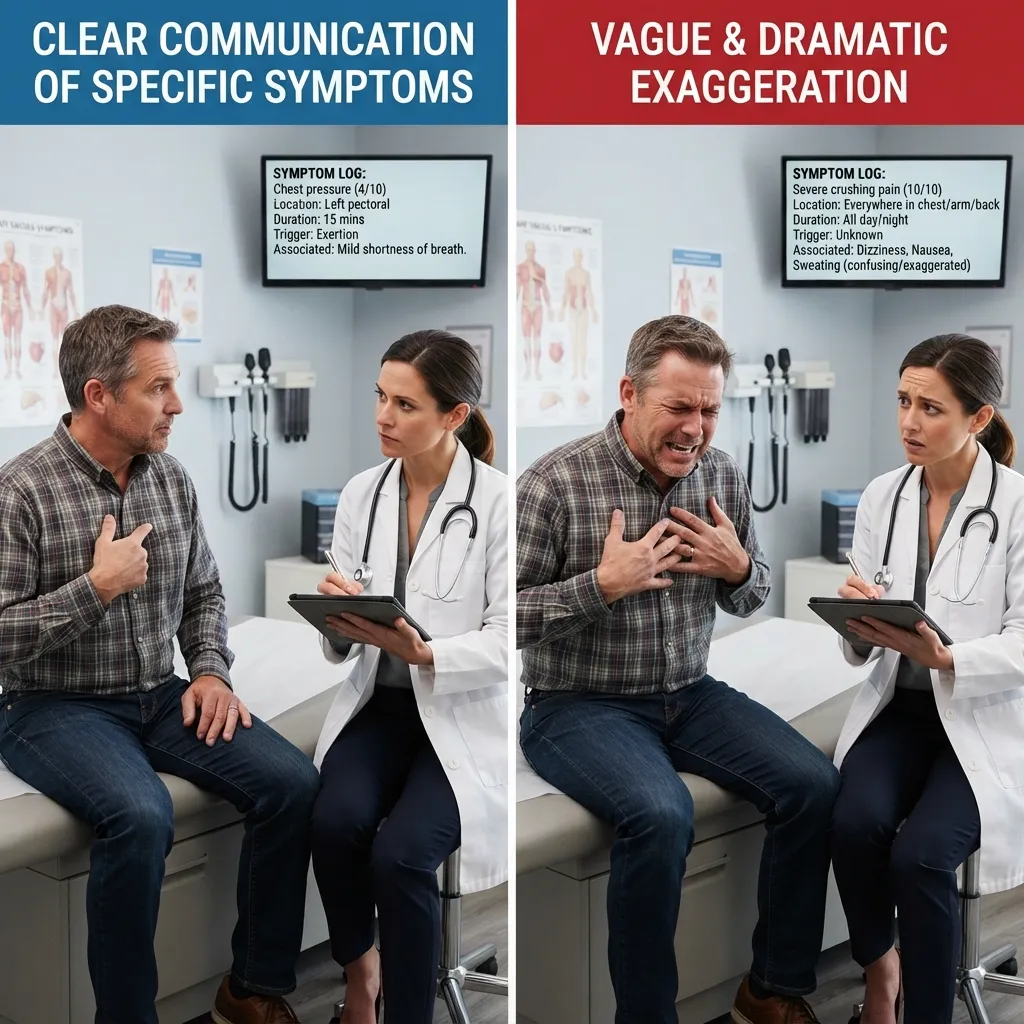
Downplaying Your Symptoms or Exaggerating Pain
One of the major things to avoid in the emergency room is either exaggerating your symptoms or minimizing how bad you actually feel. Some people worry they are wasting staff time, so they downplay sharp chest pains or severe dizziness. Conversely, others use dramatic language because they think it will get them seen faster. Doctors rely heavily on honest, accurate descriptions to triage patients correctly. Always provide a clear, factual account of what hurts, when it started, and how intense the pain is on a scale of one to ten.
Forgetting Essential Medical Information and Medications
Another critical pitfall is showing up completely unprepared regarding your medical history. When a physician asks about your current prescriptions, drug allergies, or past surgeries, guessing or drawing a blank slows down the diagnostic process. Bringing an updated list of your medications or keeping digital copies on your smartphone helps the medical team prevent dangerous drug interactions.

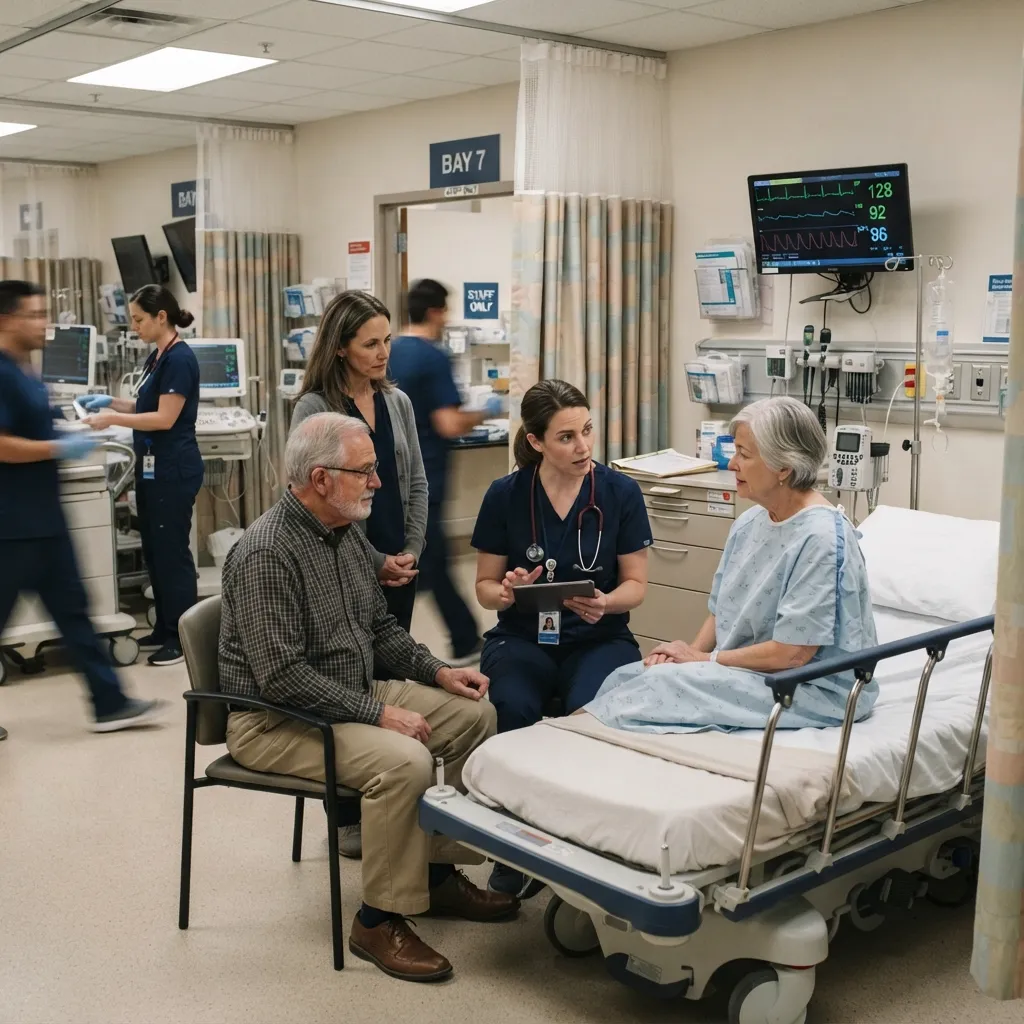
Overcrowding the Treatment Bay with Family Members
While emotional support is invaluable, bringing an entire family entourage into the treatment area is one of the top things to avoid in the emergency room. ER bays are typically compact, fast paced, and high stress zones. Too many visitors can block medical equipment, distract nurses, and increase infection risks. Limit your support system to one calm advocate who can take notes and communicate effectively with the clinical staff.
Final Thoughts on Navigating Your ER Visit
Navigating an emergency medical situation successfully comes down to preparation, honesty, and cooperation with healthcare providers. By keeping these essential tips in mind and steering clear of common behavioral missteps, you help the medical staff focus entirely on what matters most: your health and recovery.