


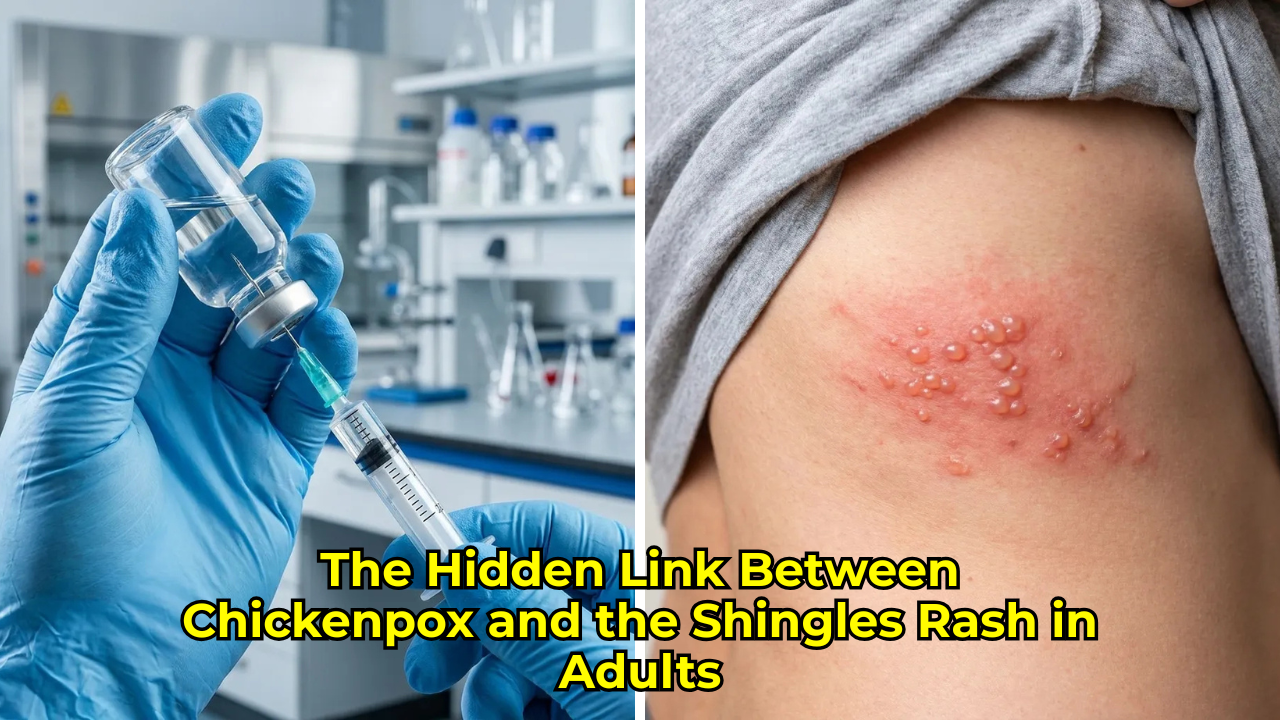
If you ever had chickenpox as a child, you might think you’ve left that itchy, uncomfortable chapter of your life firmly in the past. Unfortunately, that same virus can quietly wait in your body for decades, only to resurface later as a highly painful condition. Today, we’re diving into everything you need to know about the shingles rash in adults, what triggers it, and the preventative steps you can take to protect your health and stay pain-free.
Understanding the Shingles Rash in Adults: The Chickenpox Connection
It might sound surprising, but the shingles rash in adults is actually caused by the exact same virus responsible for chickenpox: the varicella-zoster virus. When you recover from a childhood case of chickenpox, the virus doesn’t just pack up and leave your system. Instead, it goes completely dormant, quietly hiding inside your nerve cells.
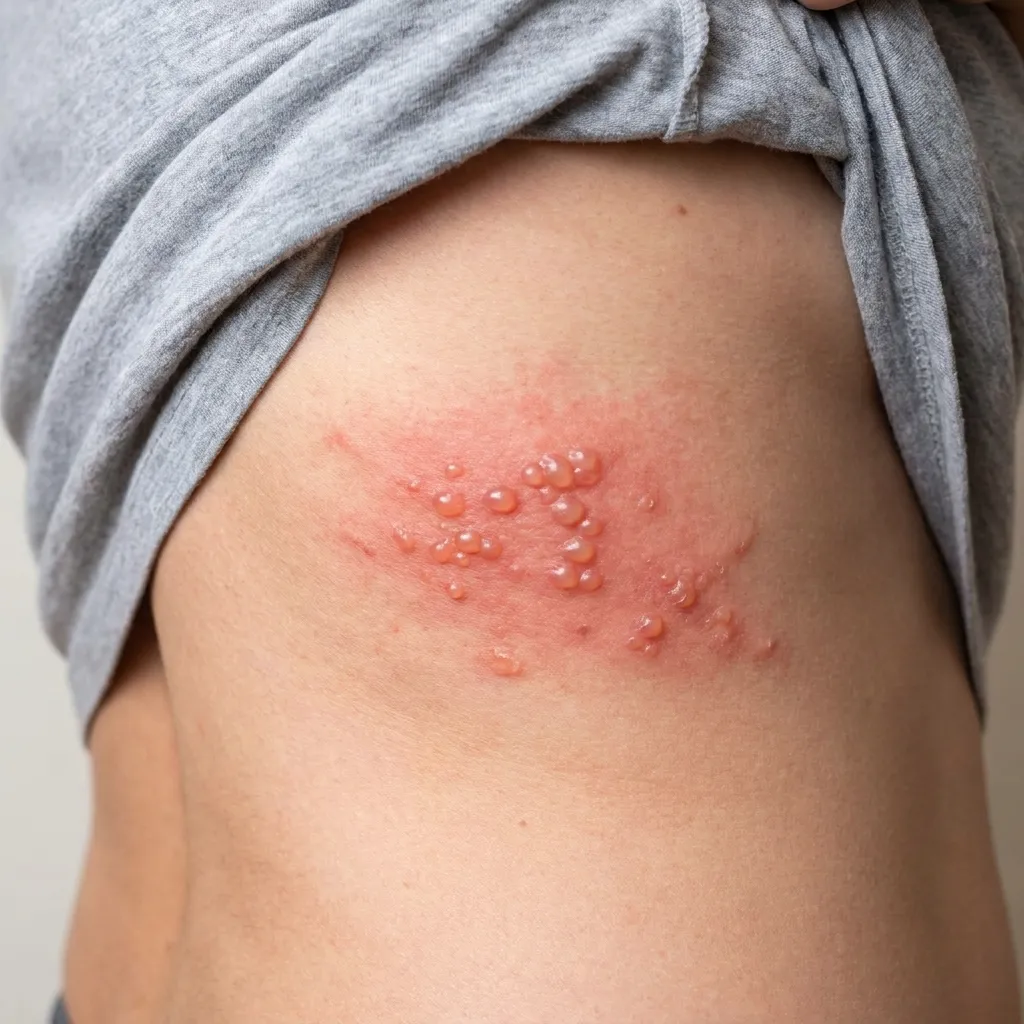
For some people, the virus stays asleep forever. But for roughly one in three American adults, the virus eventually reactivates. When it wakes up, it travels along the nerve pathways to your skin, resulting in a blistering, burning, and intensely painful skin infection.
Read More: 7 Health Symptoms You Shouldn’t Ignore (Expert Advice)
Common Symptoms of the Shingles Rash in Adults
So, how do you know if you’re dealing with this condition? The hallmark sign of the shingles rash in adults is a distinct, localized strip of blisters.
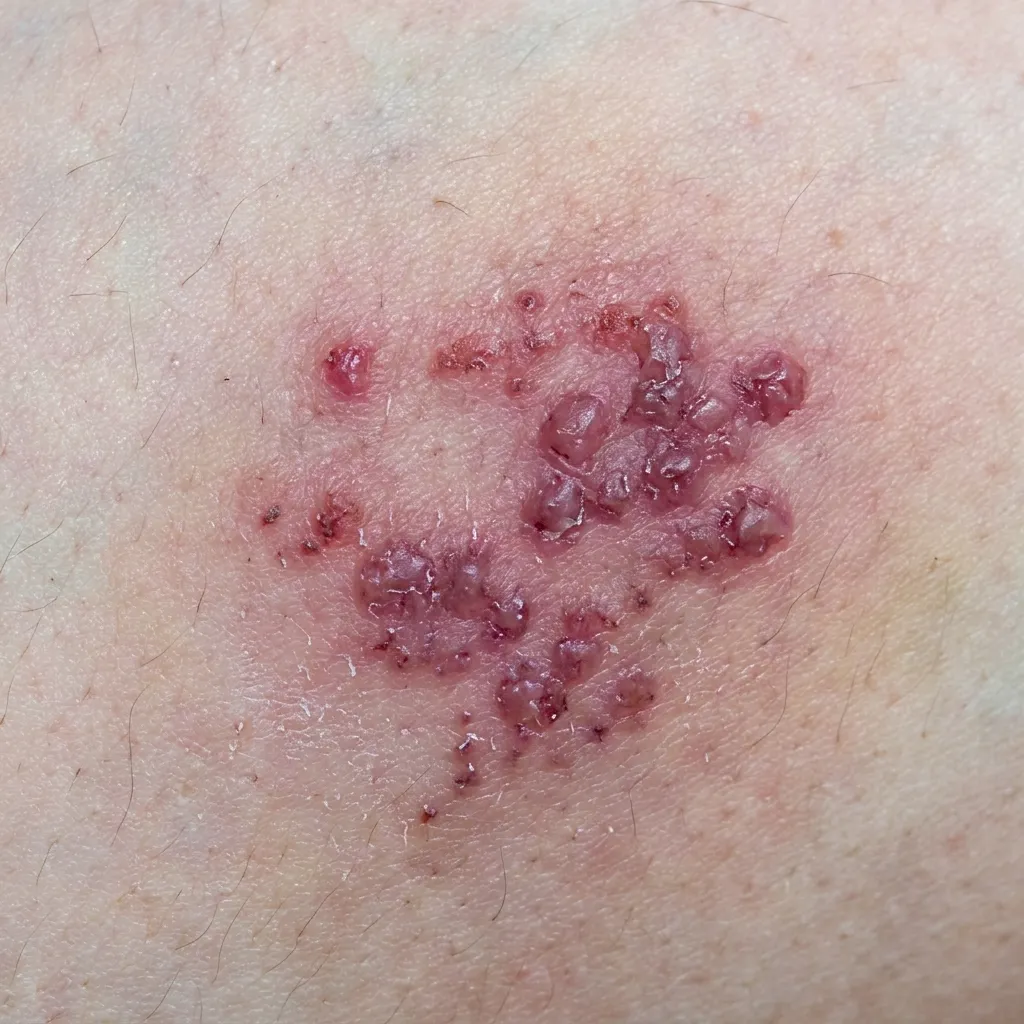
Here are the most common symptoms to watch out for:
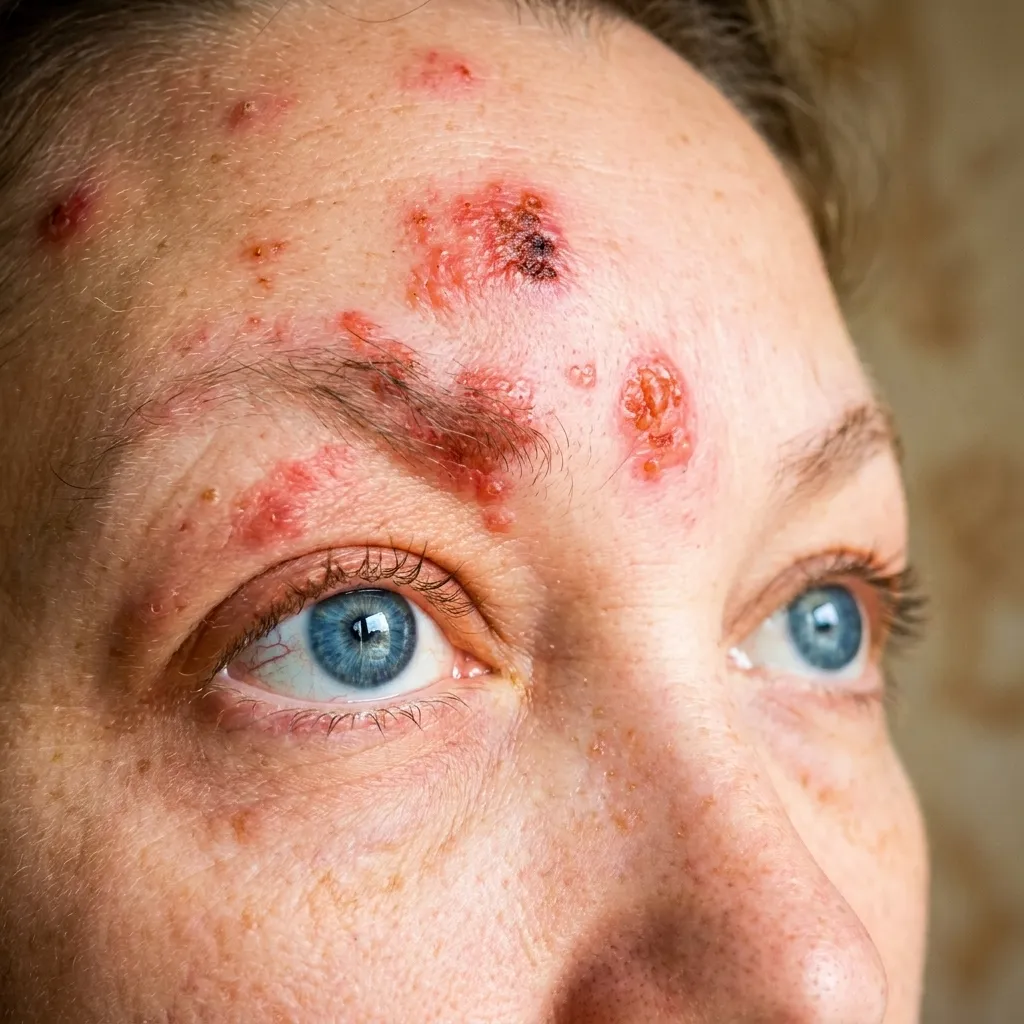
A One-Sided Rash: The blistering rash almost always appears on just one side of the body. It commonly wraps around the torso, but it can also appear across the thigh, down the arm, or even on the face.
Intense Nerve Pain: Because the virus travels directly along nerve fibers, the pain is usually severe. Patients often describe it as a deep, radiating burn or intense, hot itchiness.
Potential Complications: If the rash appears near the eyes or ears, it can lead to severe complications, including vision or hearing loss. Immediate medical attention is crucial if you notice blisters on your face.
Is the Shingles Virus Contagious?
A common question people ask is whether they can pass shingles on to a loved one. The short answer? You cannot directly give someone shingles.
However, if you currently have an active, oozing rash, you can pass the varicella-zoster virus to someone who has never had chickenpox or the chickenpox vaccine. In that scenario, they would develop chickenpox, not shingles. Because of this, it is incredibly important to avoid pregnant women, newborns, and immunocompromised individuals until your blisters have fully scabbed over.
Who is at Risk for the Shingles Rash in Adults?
Age is the primary risk factor. As we get older, our immune system naturally weakens, making it easier for the dormant virus to bypass our body’s defenses and reactivate.
Key Triggers for the Shingles Rash in Adults
While age is the biggest factor, younger adults aren’t entirely immune. The shingles rash in adults can also be triggered by:
Age: The risk significantly increases for individuals aged 50 and older.
Weakened Immune Systems: Medical conditions or specific medications that suppress the immune system can easily wake up the dormant virus.
High Stress Levels: Chronic stress takes a heavy toll on your immune defenses. If you are a younger adult dealing with shingles, your doctor may want to evaluate your stress levels and overall immune health to find the root cause.

Treatment Options and the Shingles Vaccine
If you suspect you have a shingles rash, don’t wait to seek professional treatment.

The Importance of Antiviral Medications
Doctors can prescribe antiviral medications to help shorten the lifespan of the virus. To be most effective, these medications need to be started within three days of the rash appearing. Early treatment also drastically reduces the risk of postherpetic neuralgia—a severe and agonizing complication where the nerve burning and pain persist for months or even years after the rash has cleared.
Read More: 11 Most Embarrassing Doctor Visits That Will Make You Cringe
Protecting Yourself with the Shingles Vaccine
Unfortunately, it is not a “one-and-done” virus; you can actually get shingles more than once. Because of this, prevention is your absolute best line of defense.
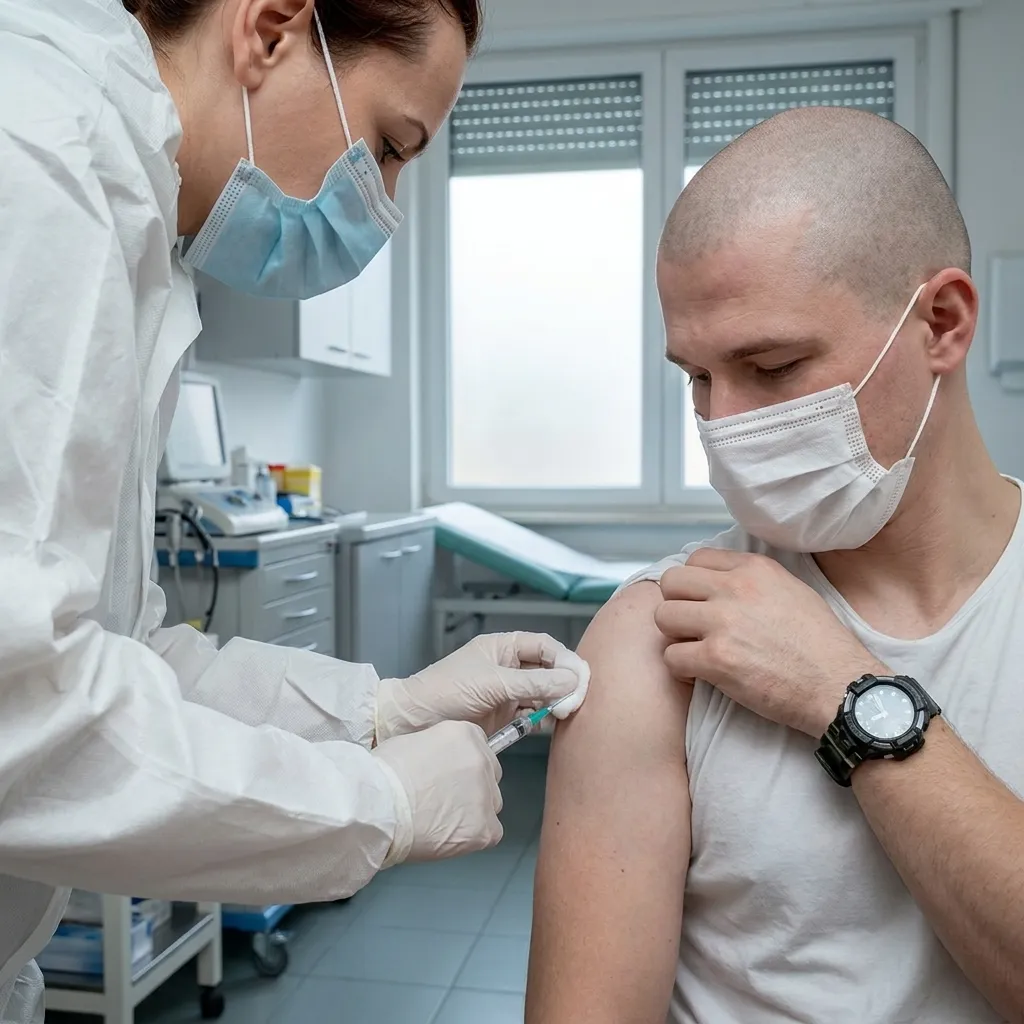
Medical experts highly recommend the Shingrix vaccine for adults over the age of 50, as well as for younger individuals who are immunocompromised. Even if you’ve already suffered through a shingles outbreak, the vaccine can significantly reduce the chances of it ever coming back.
Alongside the vaccine, prioritizing your overall wellness—eating a nutrient-dense diet, getting enough sleep, exercising, and managing your daily stress—will keep your immune system strong and help keep that dormant virus sound asleep.