


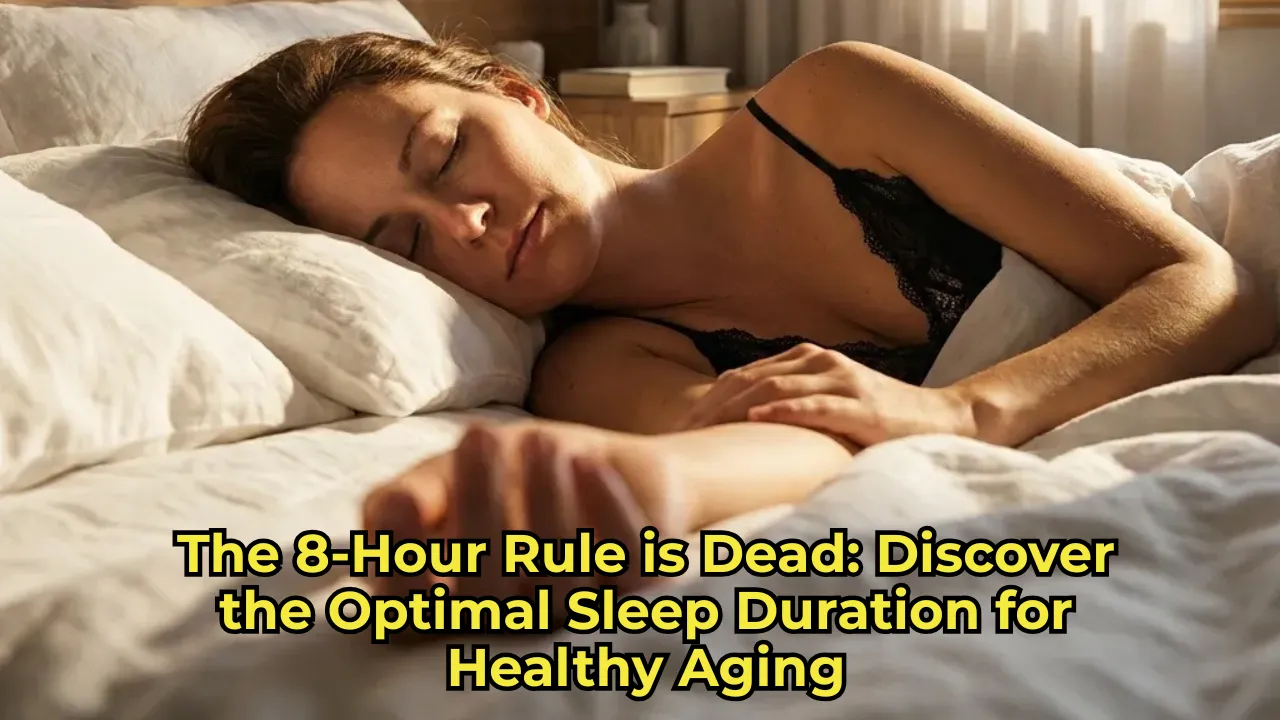
For decades, we’ve been told that logging exactly eight hours of shut-eye is the ultimate golden rule for wellness and anti-aging. But if you’re looking to minimize biological wear and tear, science is officially flipping the script. A groundbreaking new study published in the journal Nature reveals that the optimal sleep duration for healthy aging is actually less than eight hours. If you want to keep your internal body clock ticking beautifully and dodge accelerated aging, finding your personal sleep “sweet spot” is more crucial than ever. Welcome to the new era of sleep science, where more rest doesn’t always equal better health.
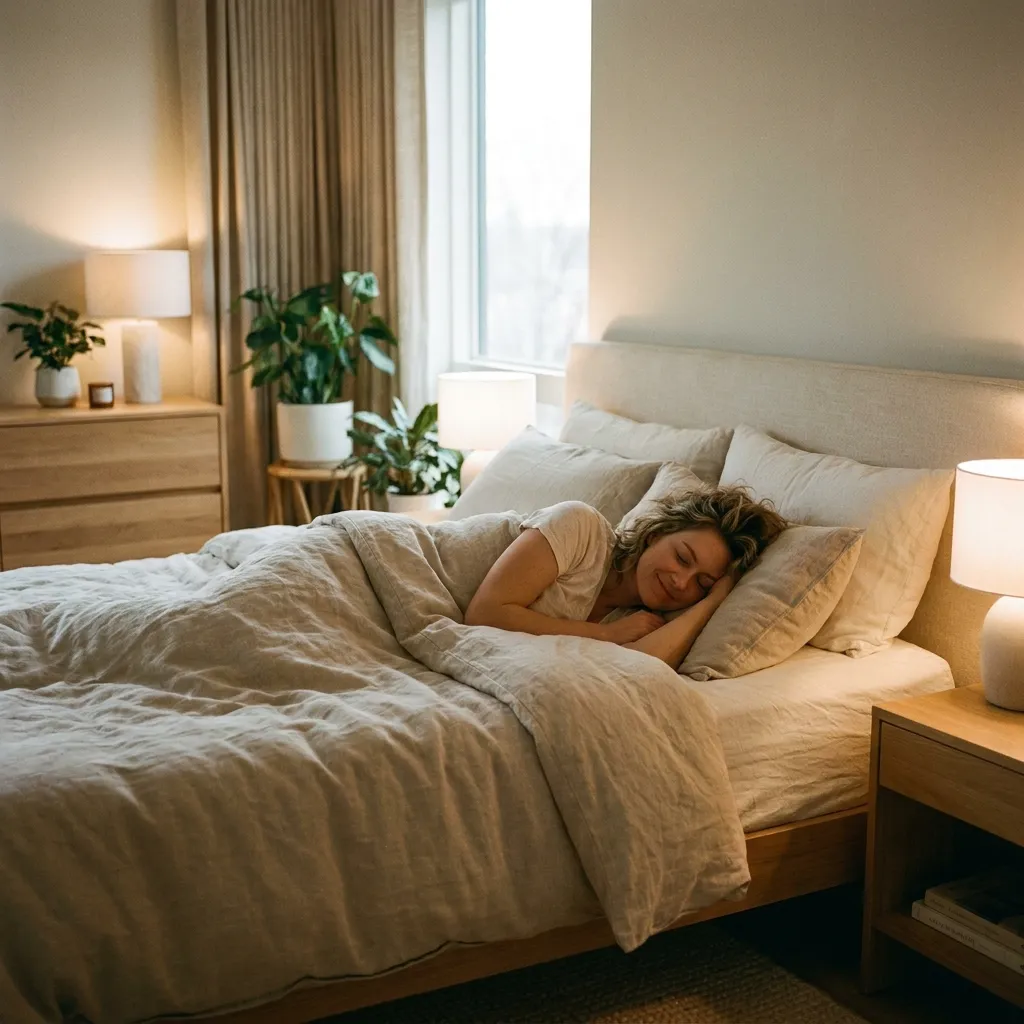
Why 8 Hours Isn’t the Optimal Sleep Duration for Healthy Aging
Researchers from Columbia University recently used advanced statistical models—known as “aging clocks”—to analyze how sleep impacts our internal organs. They discovered that while getting too little sleep (under six hours) speeds up biological aging in the heart, lungs, and immune system, oversleeping can be just as harmful. Chronically logging more than eight hours a night was shown to accelerate aging across nearly every organ in the human body.

So, what is the magic number? To support metabolic balance and a strong immune system, the sweet spot sits comfortably between 6.4 and 7.8 hours.
Read More: Strength Training for Middle-Aged Women: Ultimate Lifestyle Change
How Organ-Specific Clocks Determine the Optimal Sleep Duration for Healthy Aging
Our bodies don’t age uniformly; your liver might age at a different rate than your heart. By studying organ-specific aging clocks, scientists found that deviations from this newly discovered sleep window act as red flags for poorer overall health. In fact, both insufficient and excessive sleep durations were strongly linked to type 2 diabetes, obesity, hypertension, and even anxiety disorders.
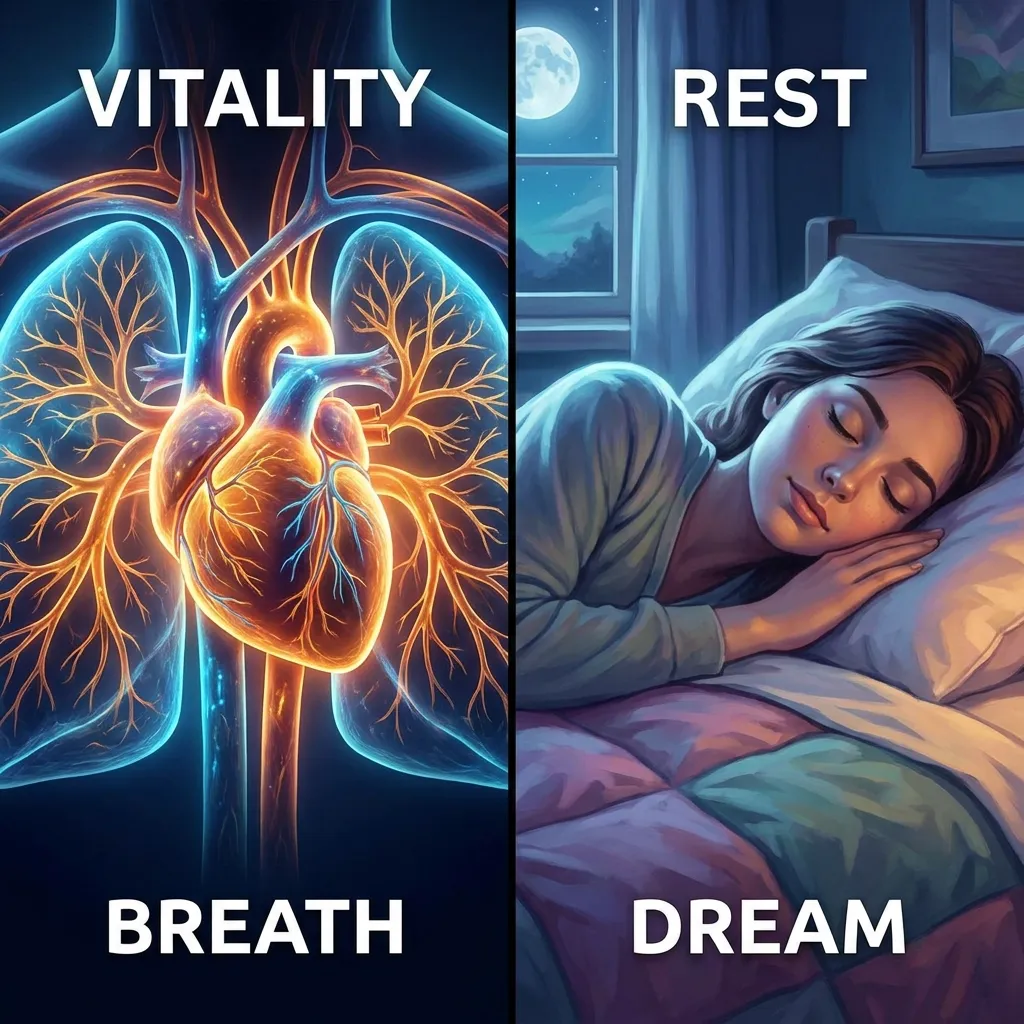
The Dangers of Oversleeping: When Rest Becomes a Risk
We all know sleep deprivation leads to a reduced lifespan and heightened cardiovascular risks. But why is sleeping too much a problem?
According to Dr. Chelsie Rohrscheib, a neuroscientist and sleep researcher, chronically long sleep is often a byproduct of underlying health issues rather than the primary cause itself. Conditions such as sleep apnea, severe inflammation, or poor mental health can force your body to stay in bed longer just to function. Additionally, sleeping too much naturally encourages a sedentary lifestyle, compounding the negative health impacts.
Do Women Need a Different Optimal Sleep Duration for Healthy Aging?
Interestingly, biological sex plays a role in how much rest we actually need. Research indicates that women generally require about 10 to 20 more minutes of sleep per night compared to men. Sleep experts attribute this to hormonal fluctuations—especially during the menstrual cycle, pregnancy, and menopause—as well as the heavier cognitive and emotional loads women often carry, which demand extra overnight recovery.
Read More: The Best Parts of Aging: Invaluable Wisdom for Men Over 50
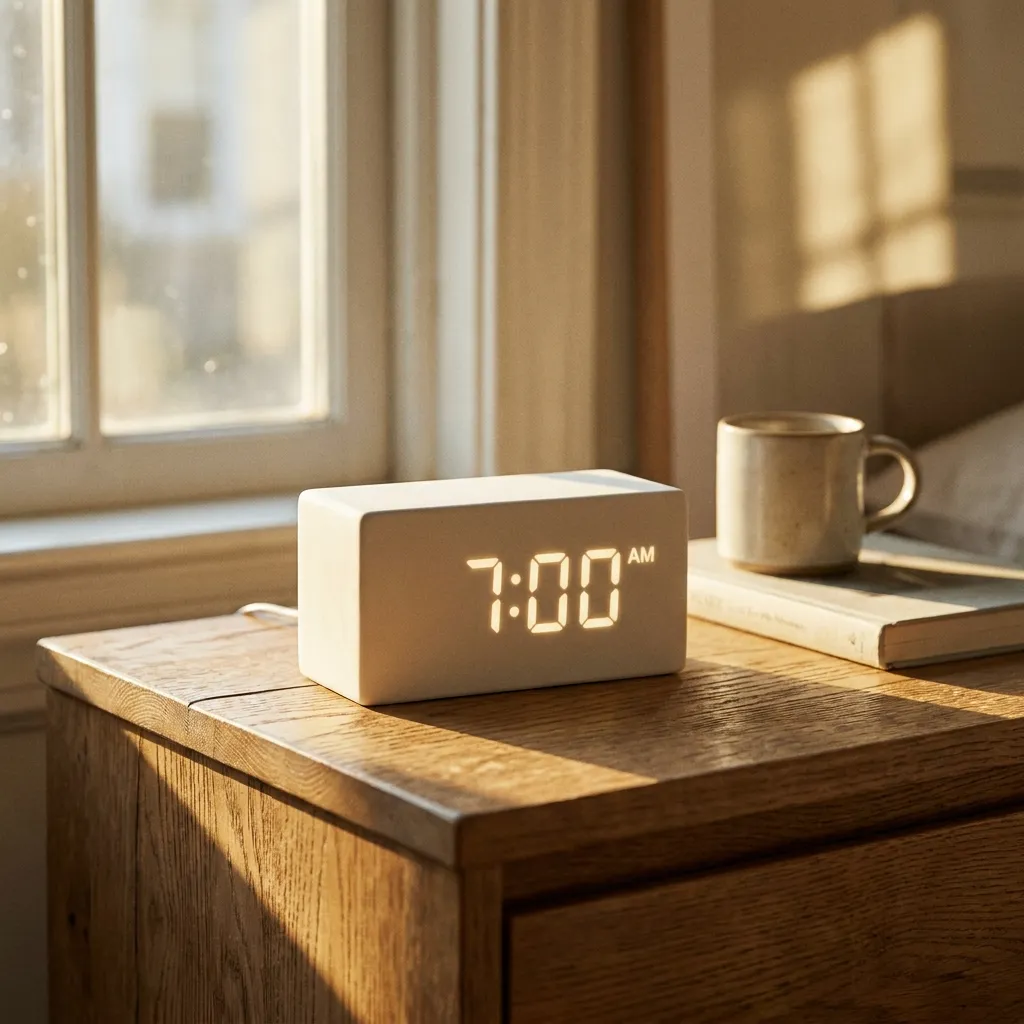
How to Find Your Personal Sleep Sweet Spot
Neurologist Dr. Chris Winter emphasizes that the public needs to dislodge the rigid “eight-hour” mantra from its collective mentality. The data points to an average of around seven hours, but everyone’s genetic makeup and lifestyle are entirely unique.
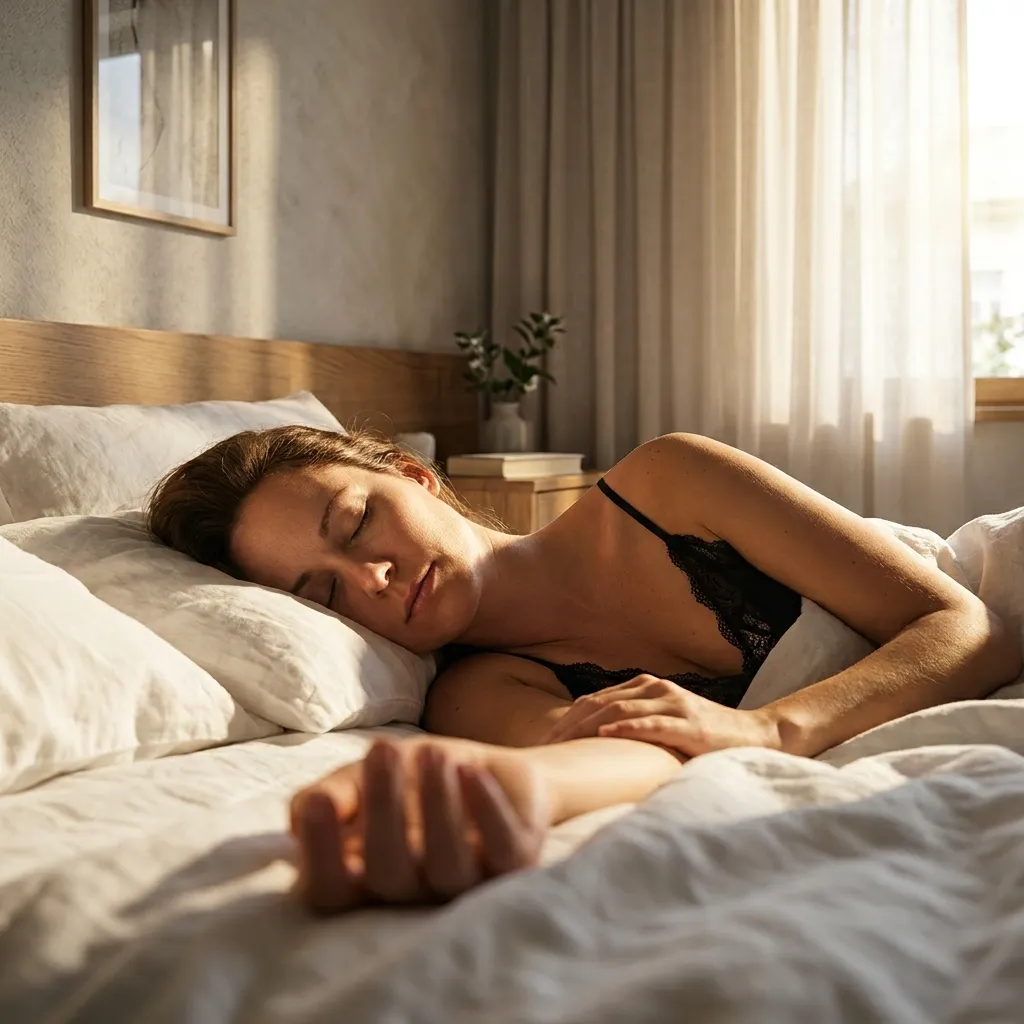
If you naturally wake up feeling refreshed after seven hours, don’t force yourself back to sleep just to hit an arbitrary eight-hour mark. Listen to your body. Consistency is far more valuable than logging excessive hours. Aim for a regular bedtime, keep your bedroom environment cool and comfortable, and let your body naturally dial into its optimal sleep duration for healthy aging.