


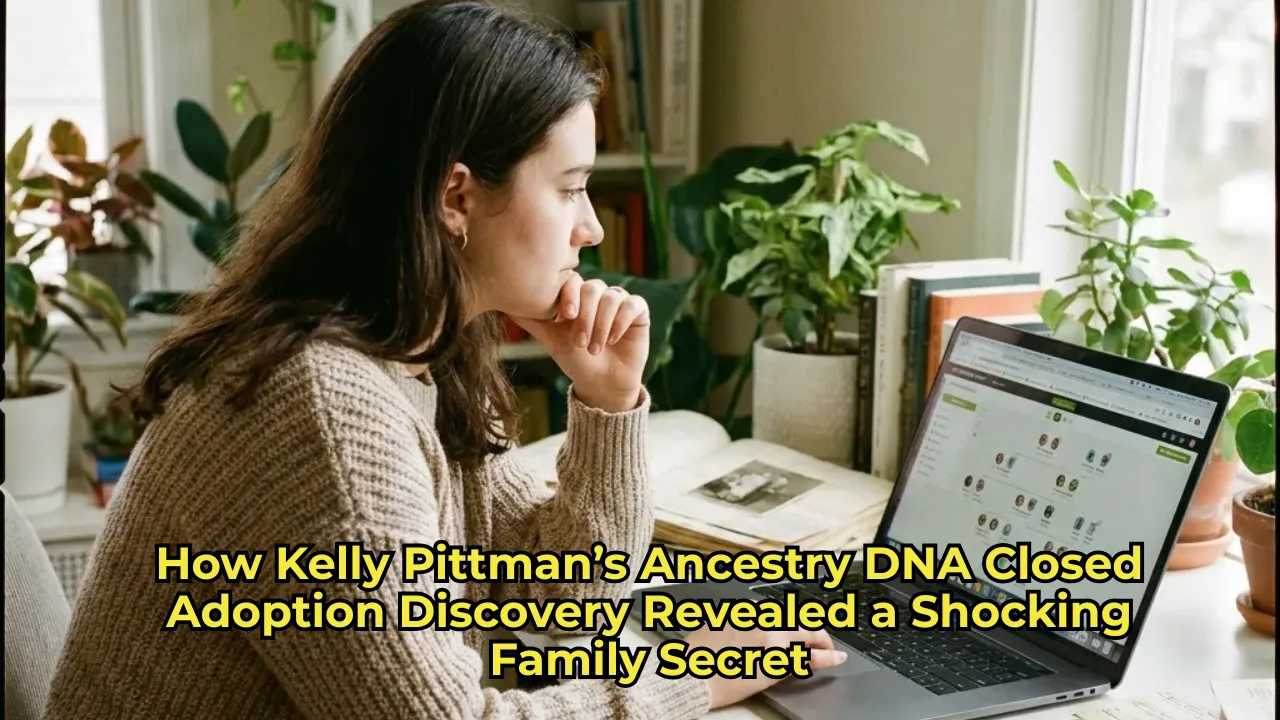
For anyone with a sealed past, the decision to submit a genetic testing kit is never taken lightly. For Kelly Pittman, taking that leap meant finally stepping out of the dark and starting her Ancestry DNA closed adoption discovery. Growing up in a loving home but with zero biological medical history, Kelly always wondered where her traits came from and whether she had family out there looking for her. She never expected that spitting into a small plastic vial would unravel a complex, highly emotional story involving a pregnant woman serving time in a state penitentiary.

The Emotional Rollercoaster of an Ancestry DNA Closed Adoption Discovery
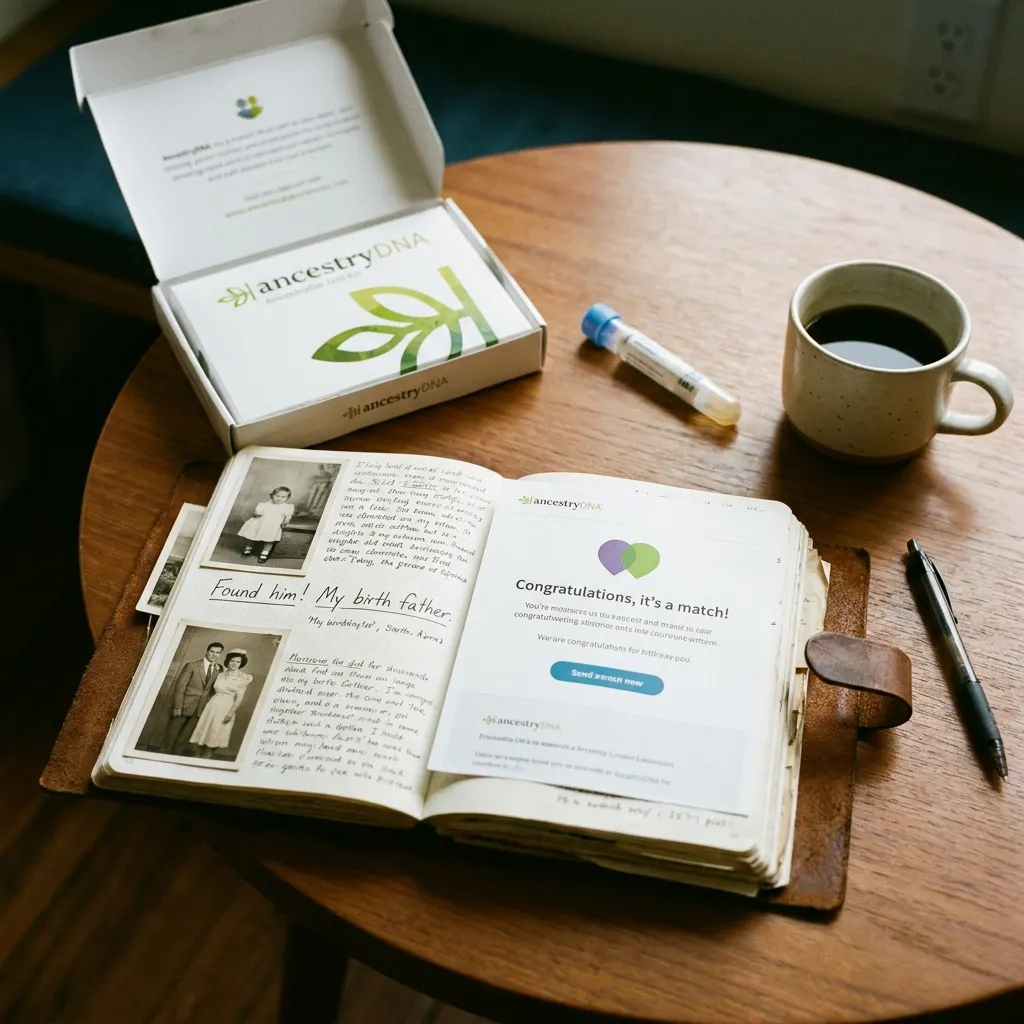
When the genetic results finally dropped into her inbox, Kelly’s heart raced. In the world of sealed records, an adoptee is used to unanswered questions. This Ancestry DNA closed adoption discovery was initially just supposed to provide her with a basic ethnic breakdown and perhaps connect her to a distant third cousin. Instead, the algorithm delivered something much more profound: a direct link to a close biological relative who held the keys to Kelly’s past.
Making the Connection and Finding the Truth About Her Birth Mother
Reaching out to a DNA match can be terrifying. You never know if you are an unwanted family secret or a long-lost missing piece. When Kelly messaged her newfound biological family, their response was immediate. They confirmed that her birth mother had indeed placed her for adoption, but the circumstances surrounding her birth were entirely different than any narrative Kelly had imagined growing up.
Read More: My Mother Hid a Massive Ancestry DNA Family Secret for 38 Years
Uncovering the Truth: Pregnant in Prison
This is the exact moment Kelly’s Ancestry DNA closed adoption discovery took a turn she could never have anticipated. Through a series of deeply emotional conversations, Kelly learned the devastating reality: her birth mother was incarcerated when she was pregnant with her.
Navigating the Complexities of a Prison Birth
Learning that you were born during your mother’s prison sentence is a massive emotional burden to process. Suddenly, the strict, “closed” nature of Kelly’s adoption made perfect, heartbreaking sense. Her birth mother was facing a significant period of incarceration and knew she could not provide a safe, stable environment from behind bars. The adoption wasn’t a careless act of abandonment; it was the ultimate sacrifice made by a mother who desperately wanted her baby to have a better life on the outside.
What This Ancestry DNA Closed Adoption Discovery Means for the Future
The journey of an adoptee is rarely a straight line. Finding out about her prison origins brought Kelly a wave of complicated emotions—grief for the struggles her birth mother endured, shock at the harsh circumstances of her birth, and an overwhelming, renewed sense of gratitude for the adoptive parents who raised her with endless love.
Read More: Healing Mother-Daughter Relationships: Overcoming Resentment
Healing, Identity, and Moving Forward
For adoptees who might be hesitating to mail in their own genetic vials, Kelly’s story is a powerful testament to facing the unknown. An Ancestry DNA closed adoption discovery can irrevocably change your life. It might not always deliver the pristine, fairytale reunion portrayed in movies, but it offers something far more valuable: the undeniable truth of your existence. Kelly’s life may have begun in the shadows of a prison system, but thanks to the difficult, loving choice made by a pregnant woman behind bars, her story is now defined by freedom, healing, and truth.