


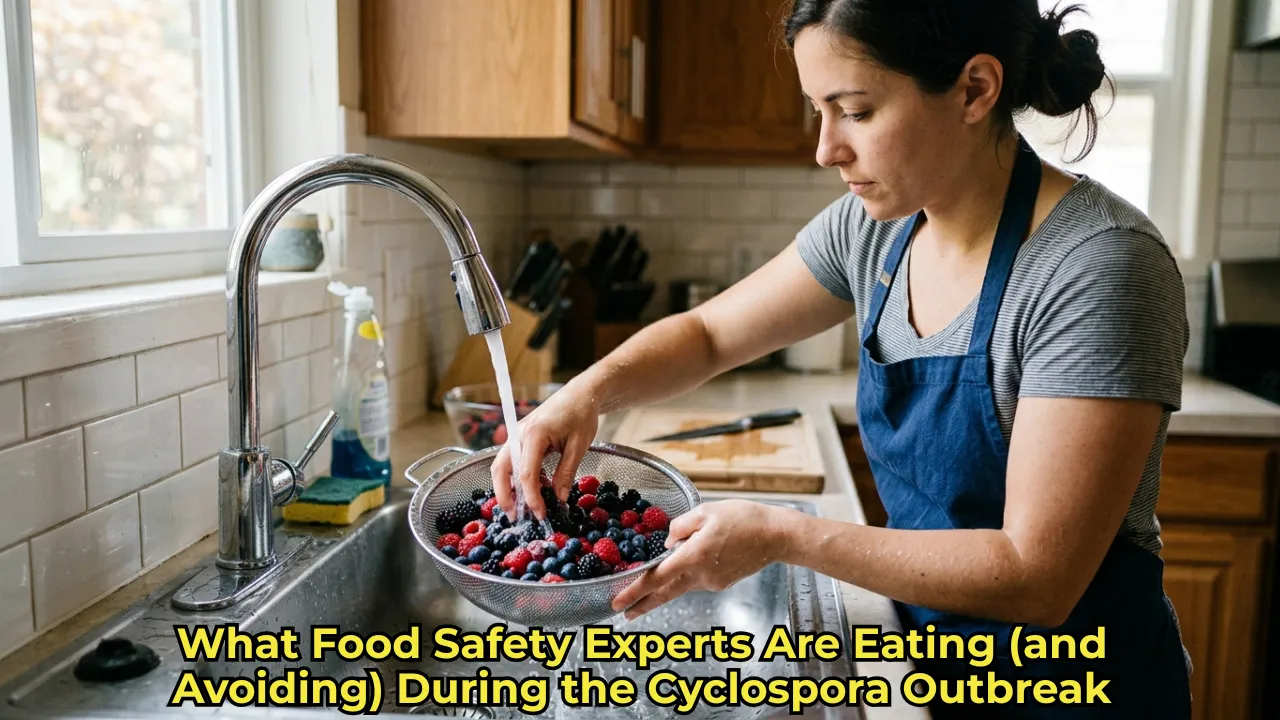
Summer is usually the season for fresh salads, vibrant fruit bowls, and farm-to-table greens. But with cases of cyclosporiasis surging across the country, many of us are second-guessing that bagged lettuce in the fridge. If you are actively searching for the foods to avoid during the cyclospora outbreak, you certainly aren’t alone. Public health concern is high, and even food safety experts are drastically changing their grocery lists and kitchen habits to keep their families safe.
Here is everything you need to know about this stubborn summer parasite, the highest-risk produce items, and how the pros are altering their diets until the coast is clear.
What Exactly Is Cyclosporiasis?
Cyclosporiasis is a foodborne intestinal illness caused by Cyclospora cayetanensis, a microscopic parasite. Unlike common bacterial infections like Salmonella or E. coli, Cyclospora is a complex parasite that spreads when people consume food or water contaminated with infected human feces—often through agricultural irrigation water or infected farm workers.
If you ingest the parasite, symptoms typically hit anywhere from two to 14 days later. The hallmark symptom? Loud, watery, and often explosive diarrhea. This is usually paired with extreme fatigue, stomach cramps, bloating, and nausea. Left untreated, these miserable symptoms can linger for weeks or even months.
Read More: Summer Food Poisoning Is Real: How to Stay Safe While Snacking Outside
The Main Foods to Avoid During the Cyclospora Outbreak
Because Cyclospora relies on a human host and specific environmental conditions, it tends to cling to fresh, raw produce. Based on historical data and current public health warnings, the primary foods to avoid during the cyclospora outbreak include:
-
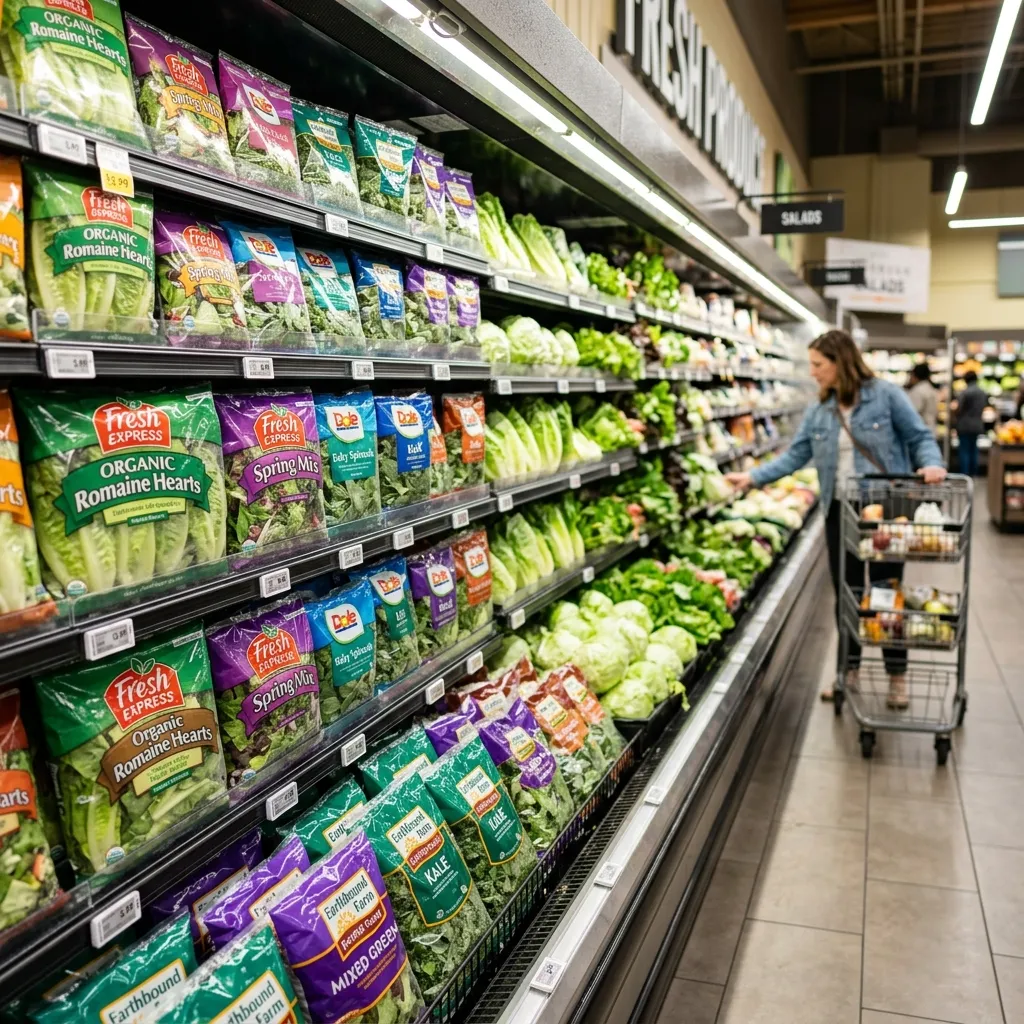
Bagged Salads and Pre-Washed Greens: Iceberg lettuce, mesclun mixes, and romaine are notorious carriers.
-
Fresh Berries: Raspberries and blackberries have been heavily linked to past outbreaks due to their textured surfaces.
-
Fresh Herbs: Cilantro, basil, and parsley.
-
Snow Peas and Sweet Peas.
Why Washing Your Produce Isn’t Enough
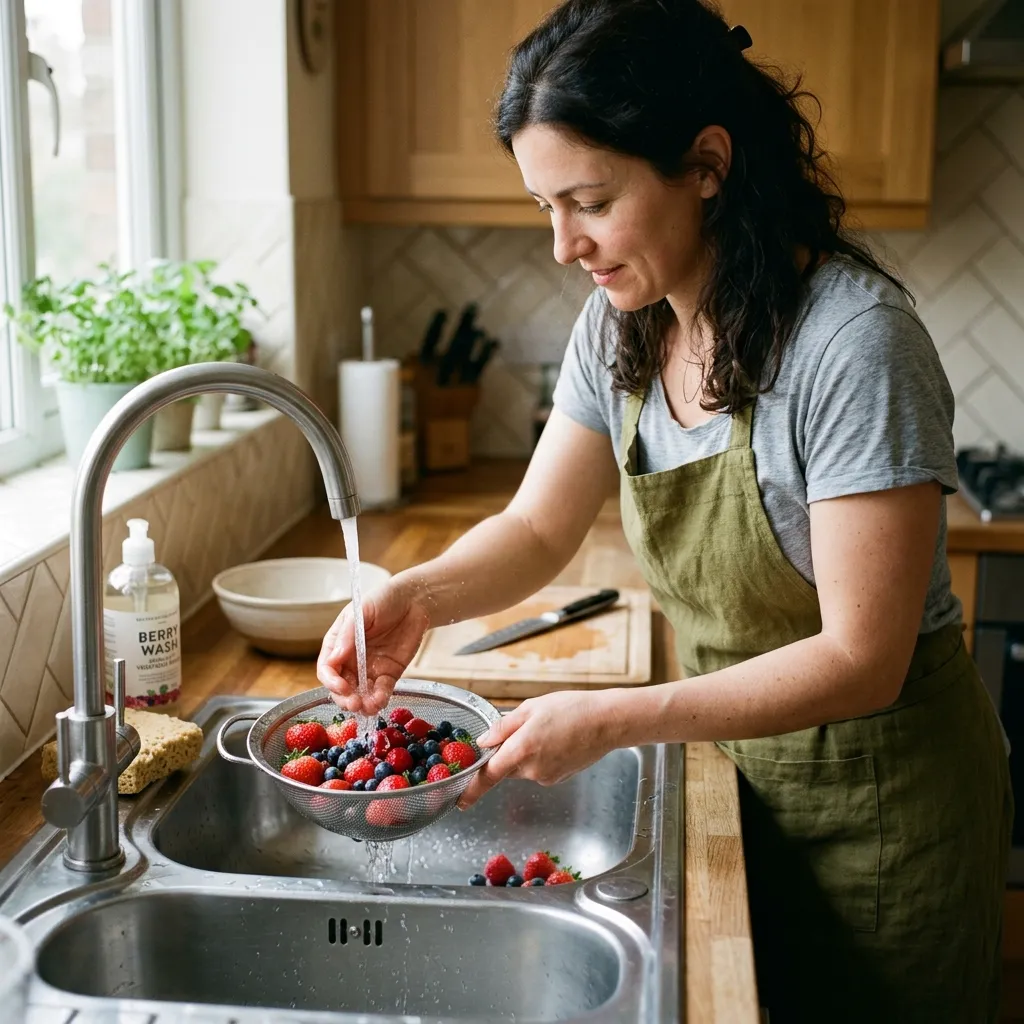
You might be thinking, “Can’t I just scrub my vegetables really well?” Unfortunately, no. While washing produce under running water is a great standard food safety practice, it isn’t a silver bullet against Cyclospora.
The surface of leafy greens and berries is highly textured and full of microscopic crevices. The parasite is incredibly sticky and resistant to standard food sanitizers, meaning a quick rinse won’t dislodge all the microscopic oocysts.
How Food Safety Experts Are Modifying Their Diets
So, if washing doesn’t guarantee safety, what are the people who study foodborne illnesses for a living actually eating? They are pivoting to the one thing guaranteed to kill the parasite: heat.
Cooking produce to an internal temperature of at least 158°F (70°C) completely inactivates the Cyclospora parasite. Because of this, many epidemiologists and food safety experts are skipping the raw salad bar entirely this summer.
Delicious Alternatives to Raw Greens
You don’t have to give up your summer vegetables; you just have to change how you prepare them. If you want to steer clear of the foods to avoid during the cyclospora outbreak, try swapping them for these heat-treated favorites:
Fire up the grill: Swap raw side salads for grilled zucchini, charred corn on the cob, or grilled asparagus.
Roast your veggies: Roasted Brussels sprouts or broccoli florets tossed in olive oil make incredibly safe, highly nutritious sides.
Sauté your greens: If you’re craving leafy greens, opt for heavily sautéed spinach or kale instead of a raw romaine salad.
Read More: Explosive Diarrhea Parasite: Cyclospora Symptoms & Prevention

What to Do If You Experience Symptoms
If you recently consumed high-risk produce and start experiencing severe digestive distress and fatigue, don’t just wait it out. Because Cyclospora is a parasite, it doesn’t always clear up easily on its own.
Head to your healthcare provider and specifically ask for a stool test. If the lab detects C. cayetanensis, your doctor will likely prescribe a specific course of antibiotics (such as trimethoprim/sulfamethoxazole) to knock the parasite out, alongside recommending aggressive hydration to replace lost fluids.
Stay informed, keep your kitchen thermometer handy, and when in doubt—cook it out!