


Summer is peak season for beach trips, outdoor barbecues, and, unfortunately, an explosive diarrhea parasite that could seriously disrupt your plans. Known in the medical community as Cyclospora cayetanensis, this microscopic stomach bug has been making headlines across the U.S. as cases surge during the warmer months, with a recent multistate outbreak affecting hundreds of people across 18 states. At Elits Buzz, we believe you deserve the latest health intel without the unnecessary panic. If you’ve seen the terrifying headlines and want the facts about this explosive diarrhea parasite, here’s everything you need to know to stay safe, healthy, and perfectly hydrated.

What Exactly is the Explosive Diarrhea Parasite?
When doctors, the CDC, and news outlets warn of an explosive diarrhea parasite, they are talking about Cyclospora. This single-celled, microscopic organism infects the small intestine and causes a severe illness called cyclosporiasis.
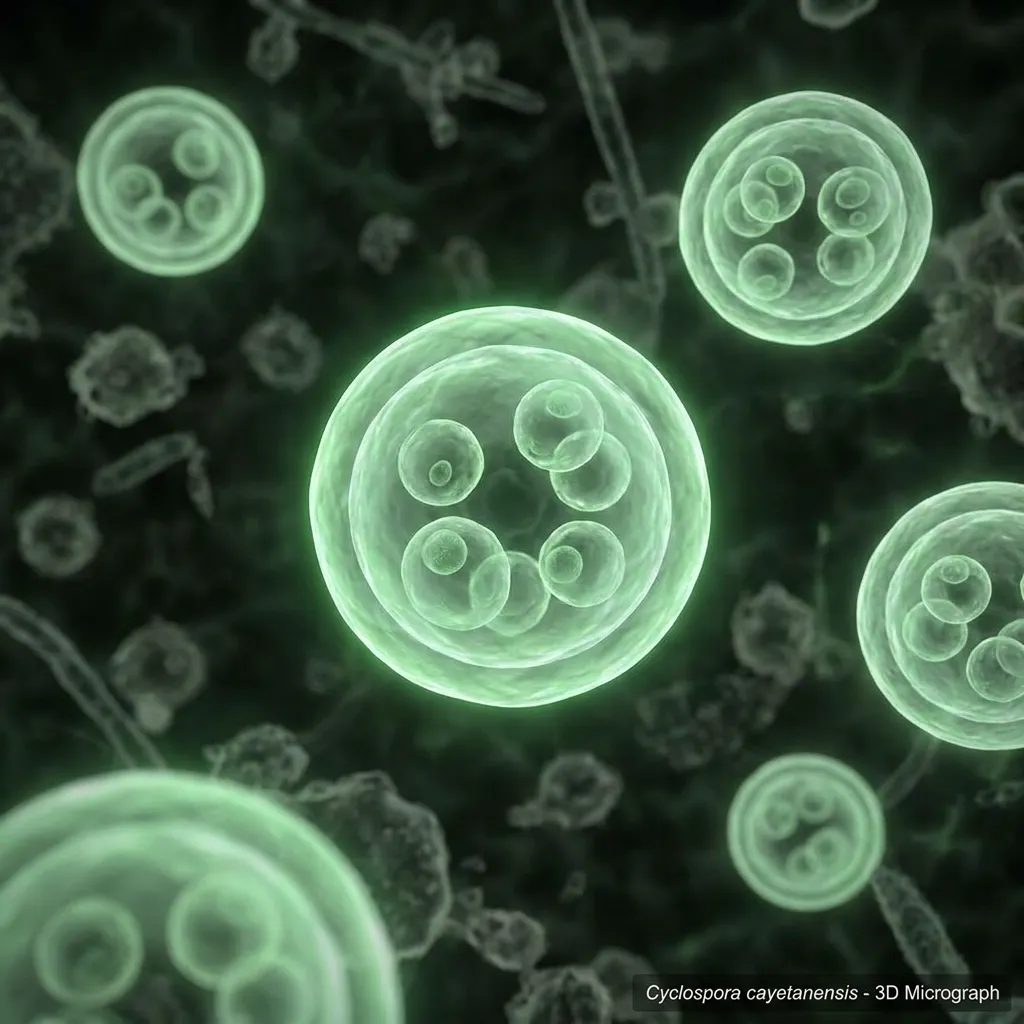
Unlike your average 24-hour stomach bug or mild food poisoning, this explosive diarrhea parasite does not quit easily. If left untreated, the infection can linger in your digestive system for weeks, or even stretch into a grueling month-long ordeal of relapsing symptoms where you think you’re getting better, only to get sick again.
Read More: Cyclospora Outbreak 2026: Foods to Avoid & Expert Safety Tips
Common Symptoms of the Explosive Diarrhea Parasite
The defining hallmark of this infection is right in its nickname: sudden, severe, and incredibly frequent watery bowel movements. However, the explosive diarrhea parasite also triggers a host of other miserable gastrointestinal issues you should watch out for:
Intense stomach cramps, bubbling gut, and painful bloating
Severe loss of appetite and unexplained weight loss
Nausea, occasional vomiting, and low-grade fevers
Profound fatigue that leaves you totally drained

How Does the Explosive Diarrhea Parasite Spread?
You might naturally assume that an explosive diarrhea parasite spreads through undercooked meat or bad seafood, but the reality is quite different. Cyclospora is primarily transmitted through contaminated fresh produce and water. The parasite is introduced into the food chain when infected feces contaminate agricultural water supplies used to irrigate or wash crops.
Because it takes days or even weeks in the environment for the parasite to become infectious after being passed in a bowel movement, direct person-to-person transmission is incredibly rare. You are getting this from your food or untreated water, not directly from your sick friends.
High-Risk Foods Tied to the Explosive Diarrhea Parasite
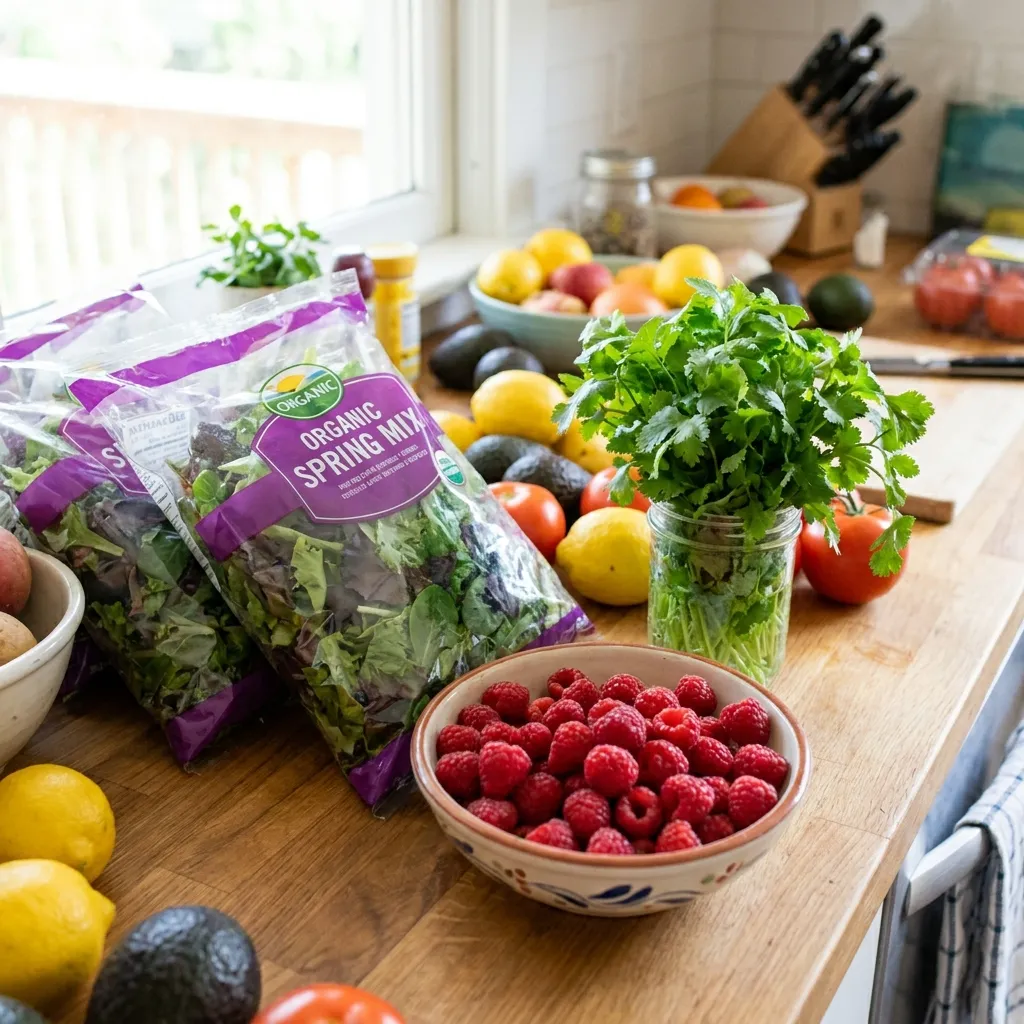
Historically, major summer outbreaks of the explosive diarrhea parasite in the United States have been tracked down to imported fresh foods. Because the parasite peaks between May and August, be extra cautious during these months. When scanning the grocery aisles, pay extra attention to:
Fresh berries (especially raspberries and blackberries)
Bagged salad mixes, spinach, and pre-cut greens
Fresh herbs like basil and cilantro
Snow peas and sweet peas
How to Treat and Prevent the Explosive Diarrhea Parasite
The good news? The explosive diarrhea parasite is highly treatable once properly diagnosed. If your doctor suspects Cyclospora (especially if you have had diarrhea for more than a few days), they will order a specialized stool test.
Standard over-the-counter anti-diarrheal medications won’t cure the root infection. Instead, doctors typically prescribe a specific antibiotic combination (usually Trimethoprim/sulfamethoxazole, commonly known as Bactrim) to knock the bug out.
Read More: Summer Food Poisoning Is Real: How to Stay Safe While Snacking Outside
Daily Tips to Dodge the Explosive Diarrhea Parasite
So, how do you prevent the explosive diarrhea parasite from ruining your summer? Here are the best proactive steps:
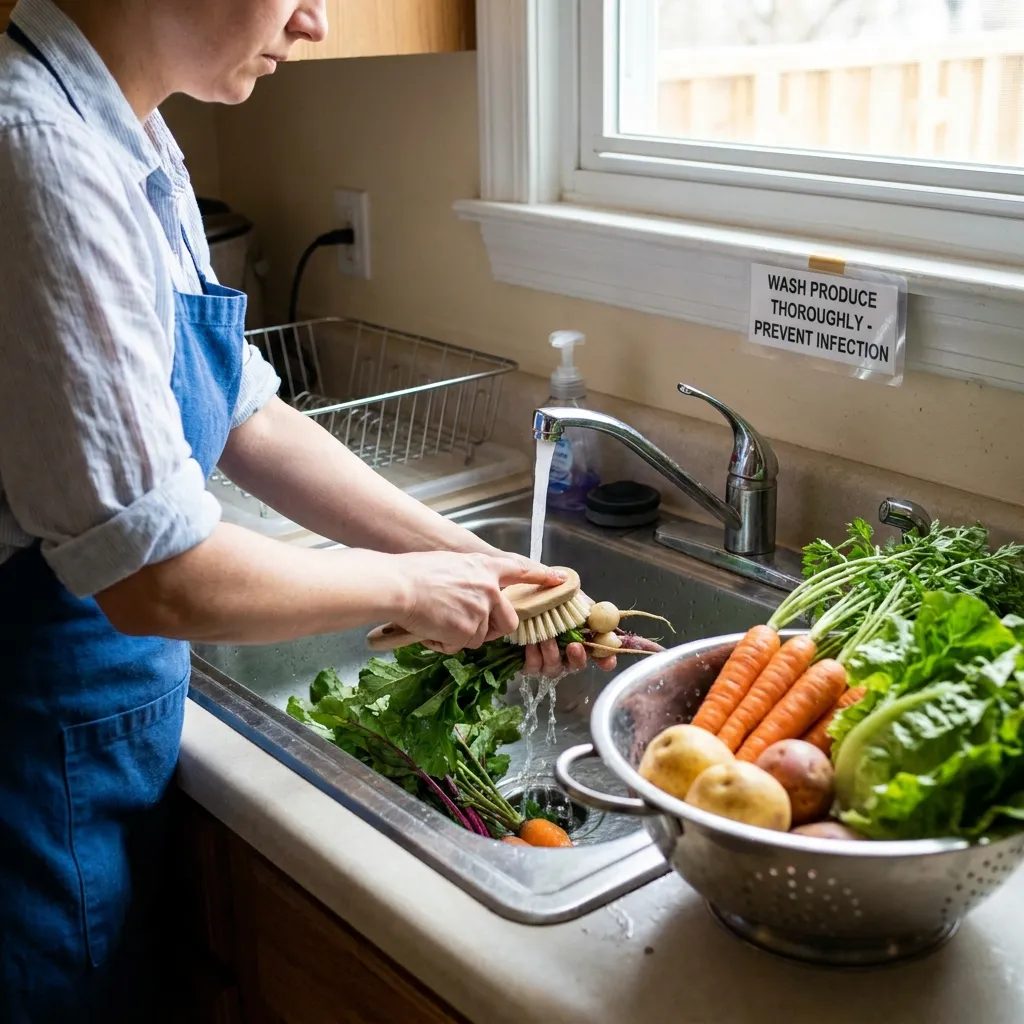
Wash Your Produce Thoroughly: Always wash fresh fruits and vegetables vigorously under running water, and scrub them when possible. While standard washing doesn’t guarantee the complete removal of the explosive diarrhea parasite, it significantly lowers your risk.
Stay Updated on Recalls: Because many outbreaks are tied to commercial supply chains, pay attention to local health department and CDC food recall alerts. If a specific bagged salad brand is flagged in your state, toss it out immediately.
Cook When in Doubt: Heat kills the parasite. If there’s an active outbreak tied to raw leafy greens or herbs in your area, opt for cooked vegetables until the coast is clear.
By staying informed and practicing basic food safety, you can keep your digestive system happy and leave the explosive diarrhea parasite out of your summer itinerary!