
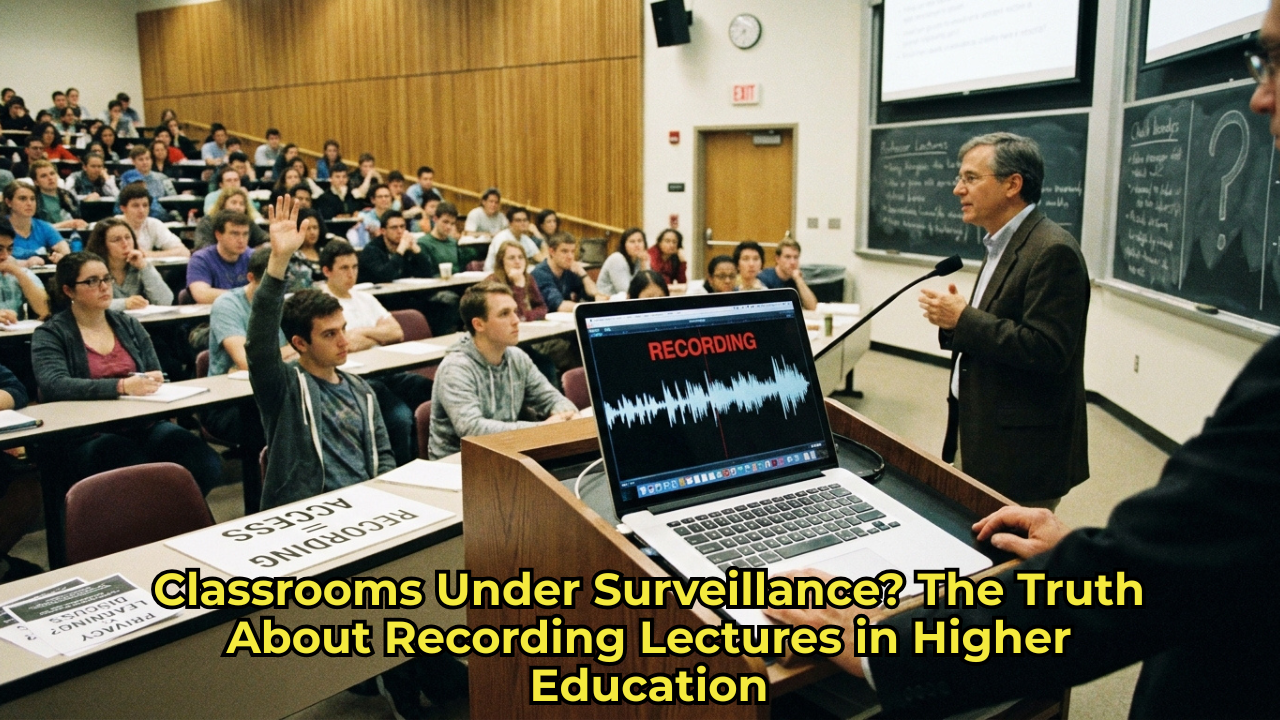
If you’ve stepped into a university classroom anytime in the last few years, you’ve probably noticed the glowing red dot on the professor’s screen. The practice of recording lectures in higher education has skyrocketed since the pandemic forced everyone onto Zoom. But what started as a pandemic necessity is now sparking a massive debate across campuses nationwide. Are these recordings an essential tool for student success, or have our college classrooms quietly turned into surveillance states?
Let’s dive into the messy, complicated reality of modern-day college classrooms, where every word is captured on video, and figure out what it really means for students and educators alike.
The Sudden Rise of Recording Lectures in Higher Education
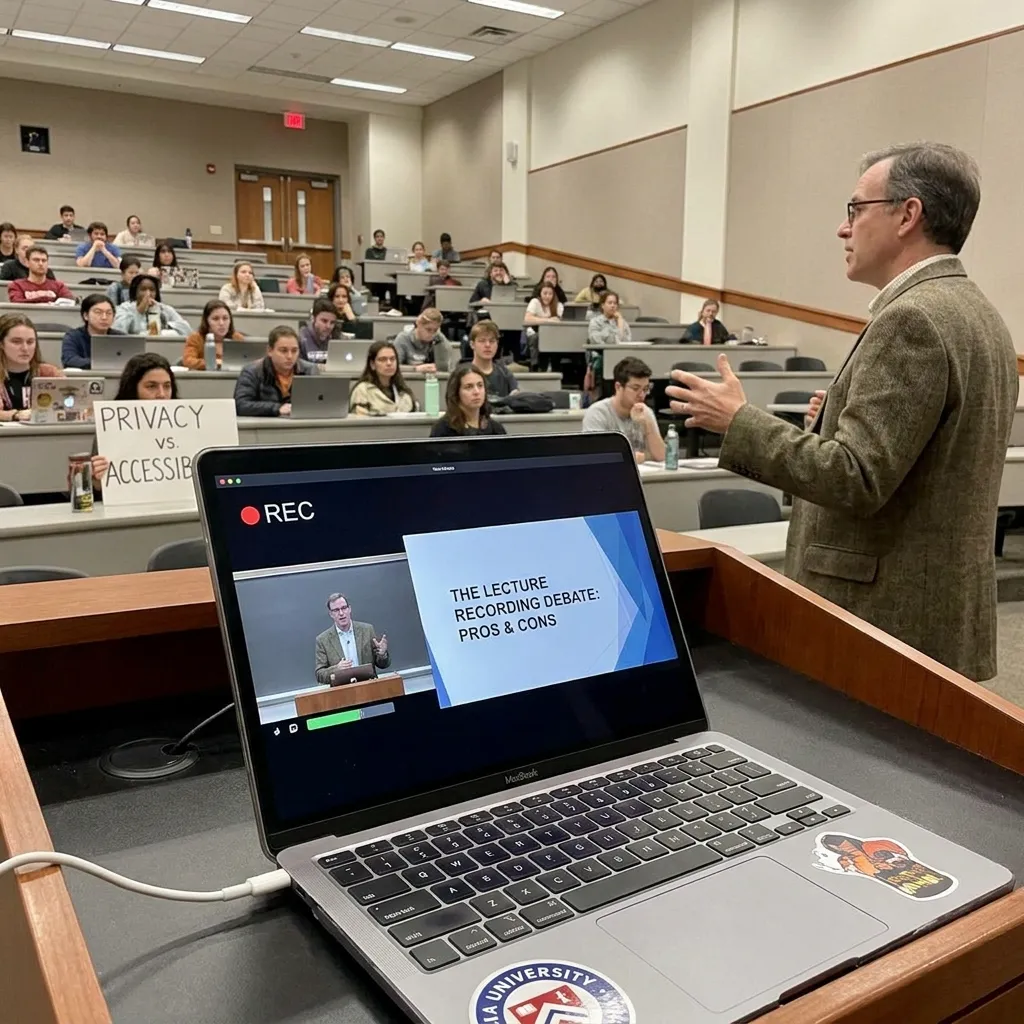
Remember “Zoom University”? While we’ve largely left the days of taking midterms in our pajama pants behind, the digital infrastructure of that era stayed put. Today, the expectation surrounding recording lectures in higher education has shifted completely. Students now regularly expect high-quality video and audio recordings of every class session to be uploaded to their portals within hours.
For universities, it seemed like an easy win—a seamless blend of technology and education. But as this practice becomes fully ingrained in academic culture, the cracks are starting to show.
Unlocking Unprecedented Student Accessibility
Let’s be clear: there are massive, undeniable benefits here. For students with disabilities, neurodivergent learners, or non-native speakers, having the ability to pause, rewind, and re-watch complex academic material is life-changing.
Read More: Navigating High School Seniors College Decisions Guide
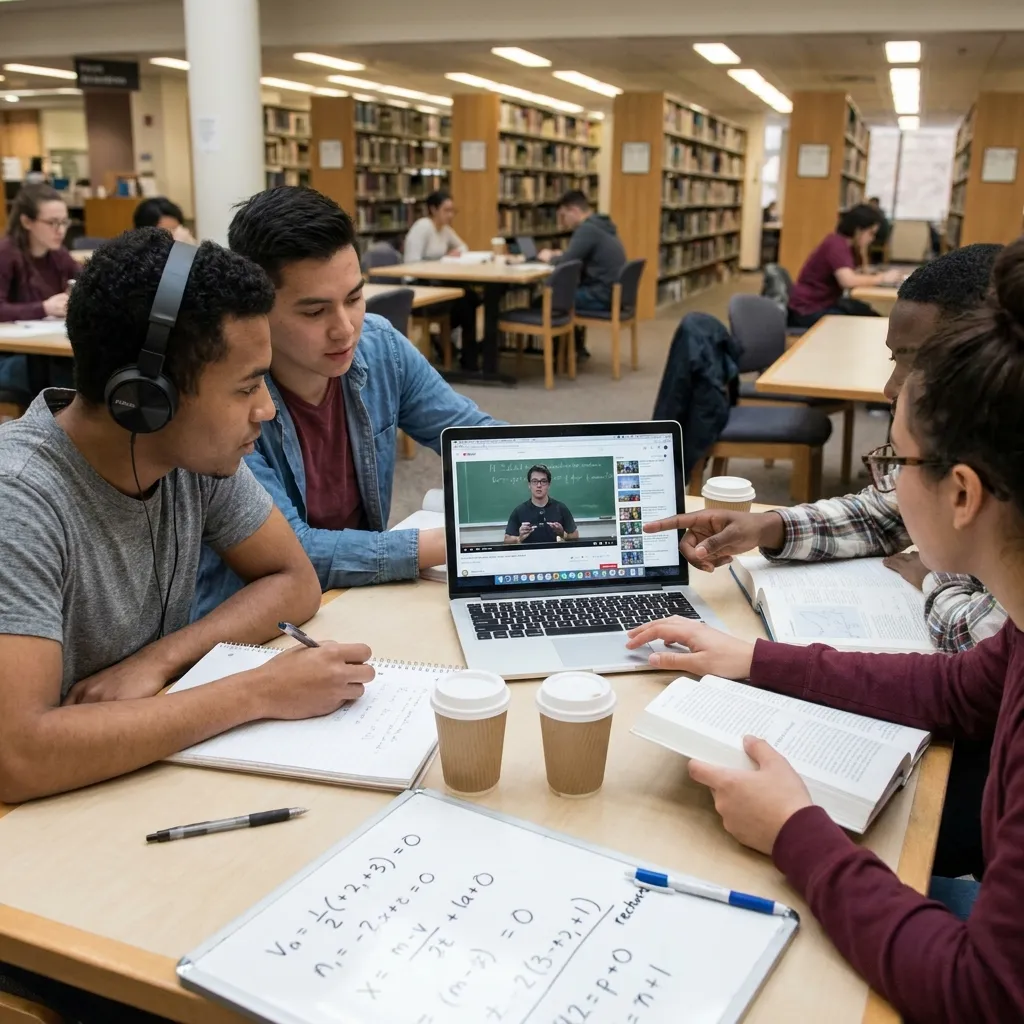
If a student catches the flu, they no longer have to beg a classmate for barely legible notes. They can simply log in and watch the missed content. In terms of creating a more equitable learning environment, the push for recording lectures in higher education has been a major victory.
Is It Convenience or Classroom Surveillance?
Here is where things get tricky. The line between educational accessibility and an uncomfortable level of surveillance is incredibly thin. Professors and teaching assistants are increasingly expressing anxiety over the “always-on” culture of modern academia.
When every single lecture, discussion, and off-the-cuff remark is recorded, stored, and easily shareable, the classroom dynamic fundamentally changes. It’s no longer a closed environment for intellectual exploration; it becomes a public broadcast.
The Chilling Effect on Academic Freedom
One of the biggest concerns regarding recording lectures in higher education is the chilling effect it has on open dialogue. College is supposed to be the ultimate safe space to debate controversial topics, play devil’s advocate, and challenge the status quo.
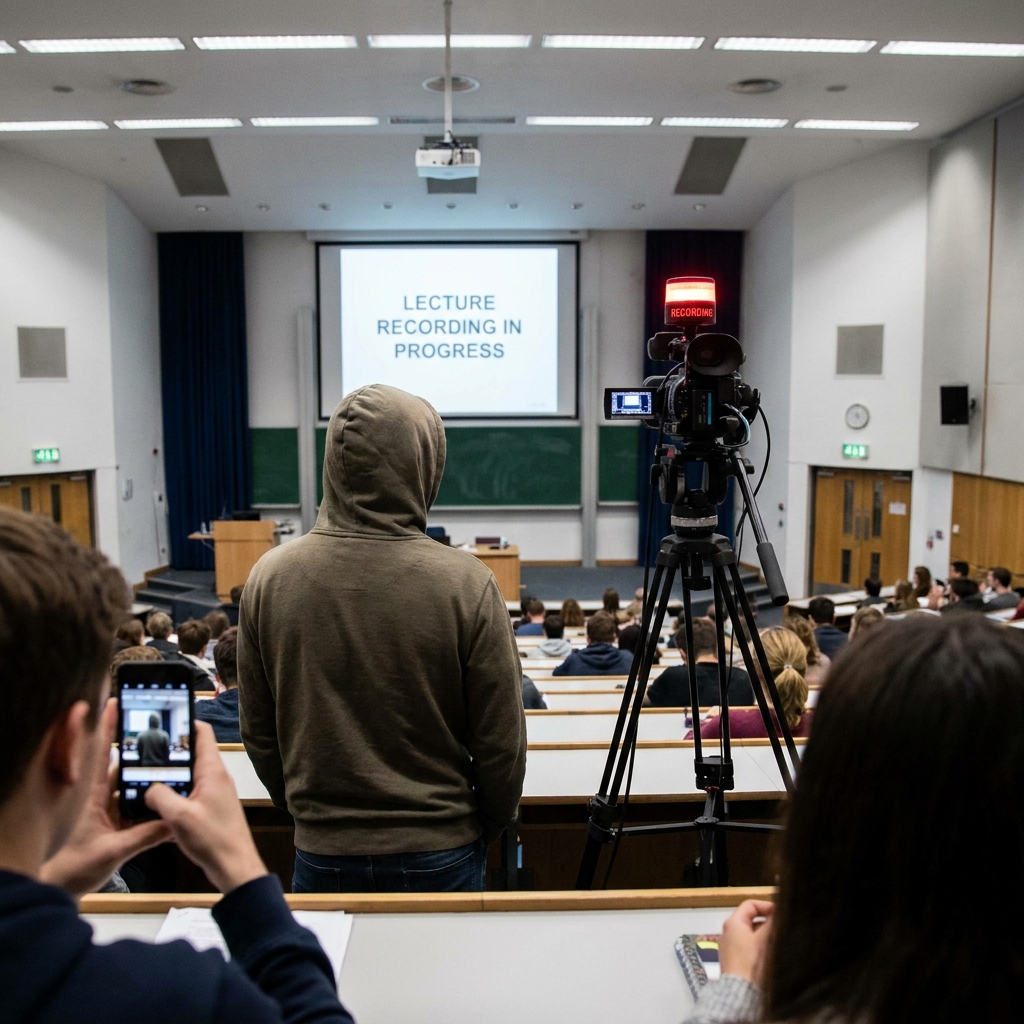
However, both professors and students are now self-censoring. Why? Because a ten-second out-of-context video clip can easily end up on TikTok or X (formerly Twitter), leading to viral outrage. When the fear of being “canceled” or misunderstood by the internet at large enters the room, authentic learning is often the first casualty.
Read More: Dark Side of 90s Gifted and Talented Programs
Finding a Balance: The Future of Recording Lectures in Higher Education
So, where do we go from here? We can’t put the technological genie back in the bottle, but we also can’t ignore the very real privacy and surveillance issues at hand.
Universities need to establish clear, airtight boundaries. Some schools are now implementing policies that auto-delete recordings at the end of the semester, while others restrict the ability to download or share the files outside of the university’s secure portal. Furthermore, professors are beginning to pause recordings during sensitive debates or personal student anecdotes, allowing the classroom to temporarily return to a safe, unmonitored space.
Ultimately, the goal of recording lectures in higher education should always be about amplifying the learning experience, not policing it. By prioritizing digital security, respecting academic freedom, and centering student needs, universities can find a middle ground that works for everyone.