

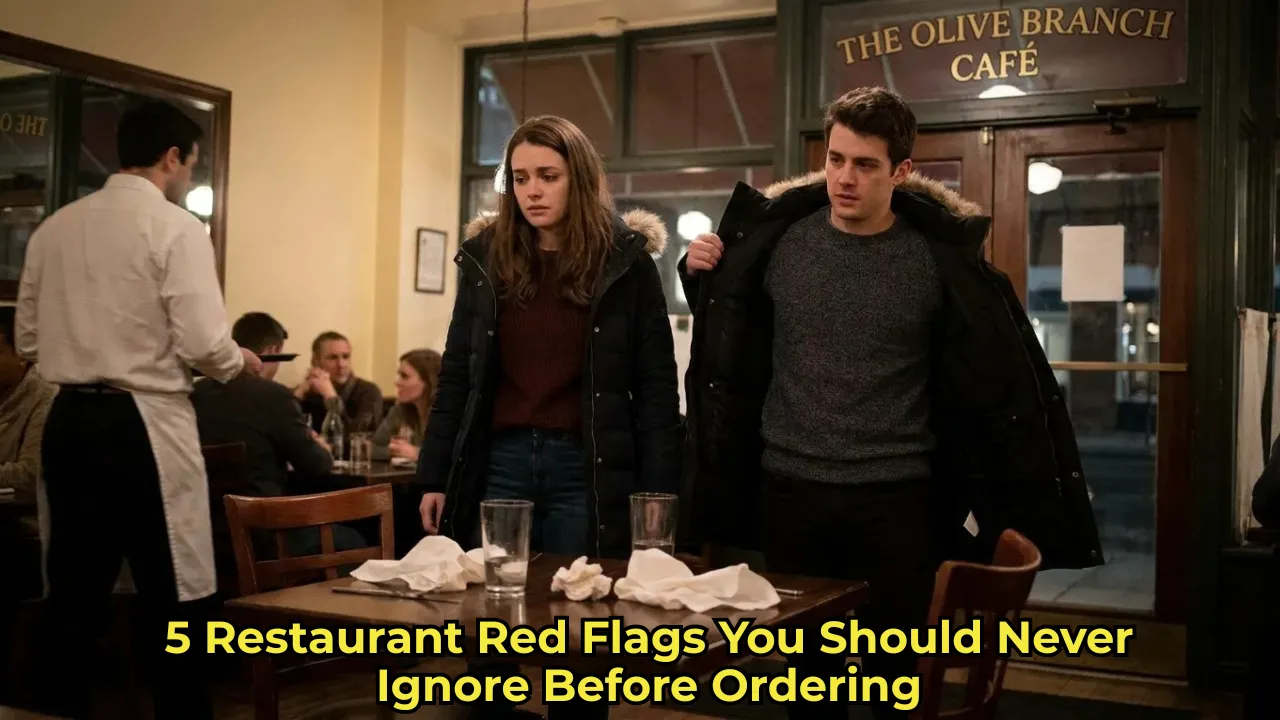
We’ve all been there: you walk into a new eatery, stomach rumbling, but something just feels… off. Recognizing restaurant red flags right when you walk through the doors is the ultimate secret to saving your appetite, your wallet, and your stomach from bad food. Whether it’s a weird aroma lingering in the air or tables that clearly haven’t been wiped down, paying attention to the subtle warning signs can mean the difference between a memorable culinary experience and a weekend ruined by food poisoning. In this Elits Buzz guide, we’re breaking down the top warning signs you need to look out for.
Why Spotting Restaurant Red Flags Early is Essential
When you’re dining out, your senses are your best defense. A lot of diners ignore their intuition because they don’t want to be rude, but brushing off these early warning signs is a surefire way to end up with a subpar meal. If a place doesn’t respect its front-of-house appearance, the kitchen staff is likely cutting even more corners behind the scenes.
Read More: 3 Everyday Foods Food Safety Lawyers Never Eat (And Why)
The Most Glaring Signs of Bad Food to Watch For
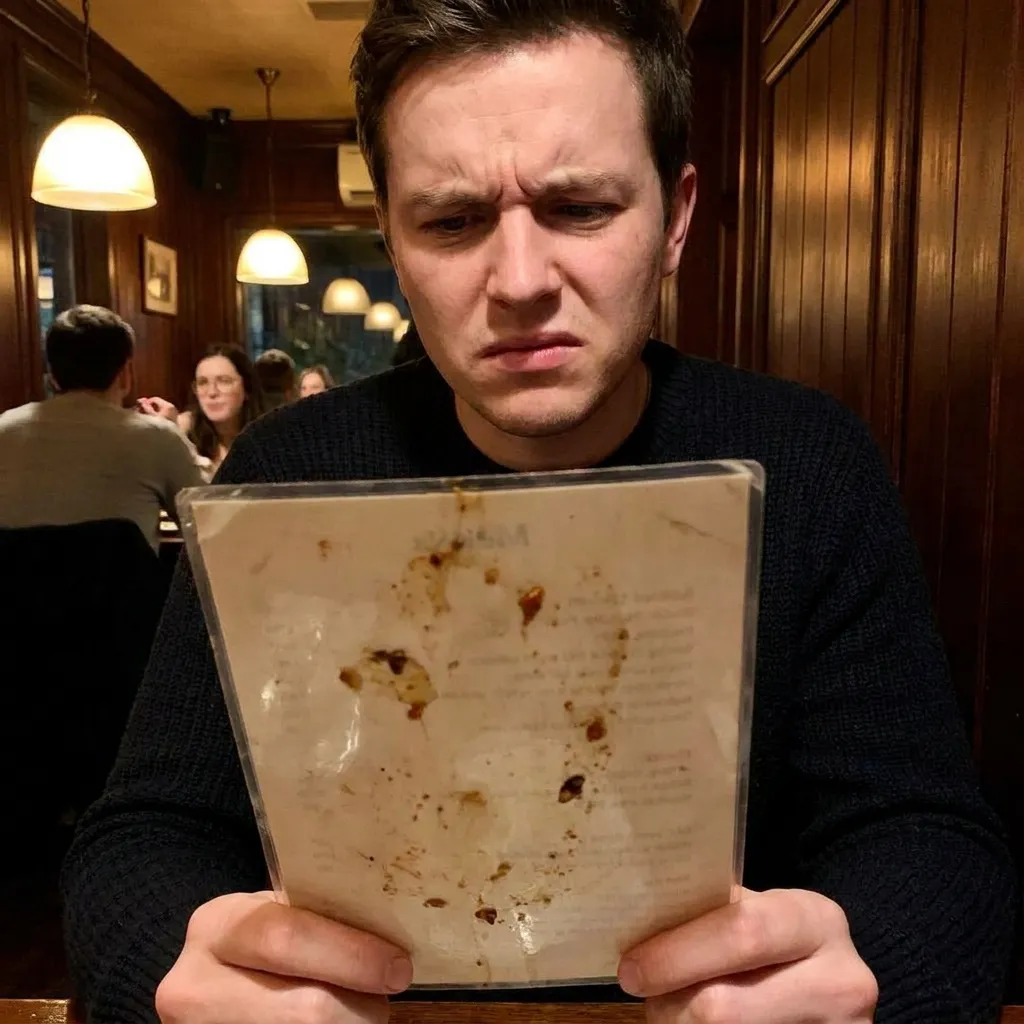
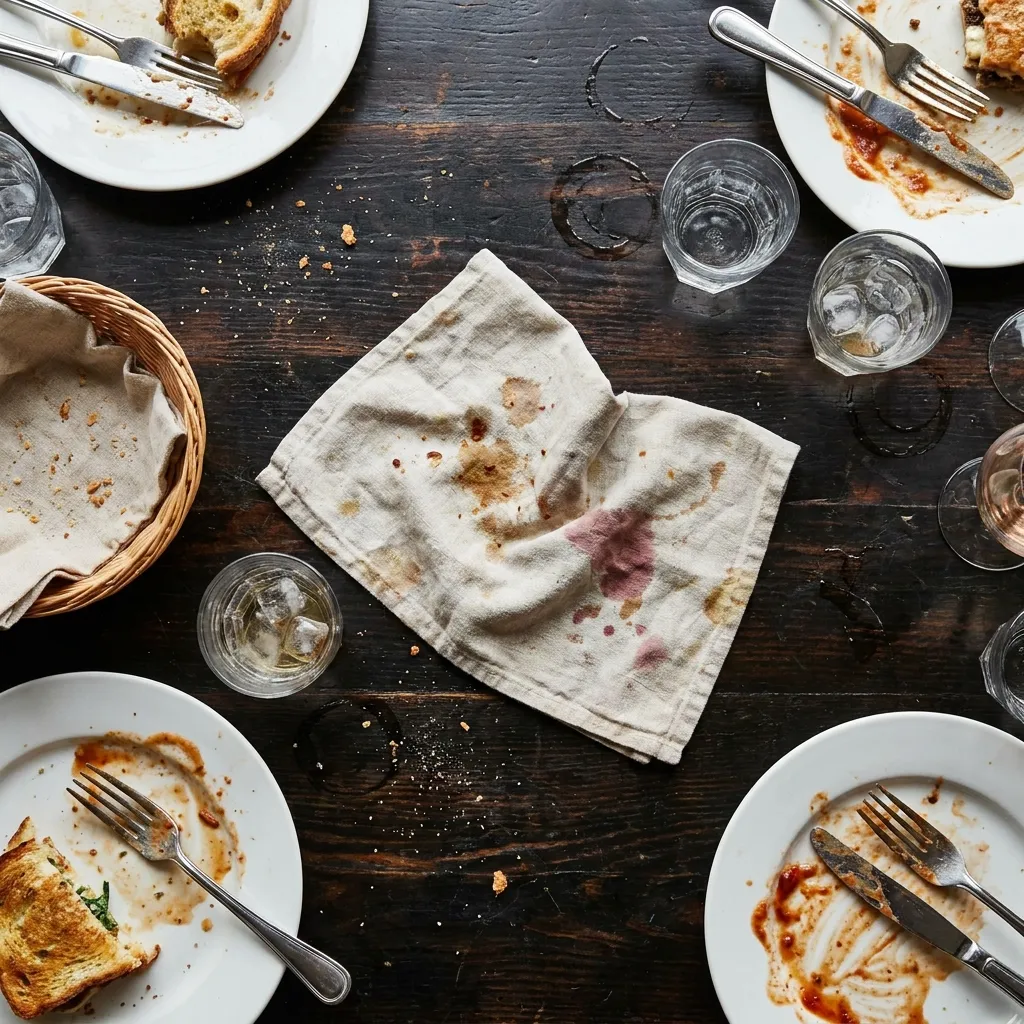
1. Sticky Menus and Dirty Tables
If the very first thing you touch is covered in a mysterious, sticky residue, you should probably head for the exit. Sticky menus and dirty dining areas are prime warning signs that point to poor management. If the front of the house—where customers actually sit and eat—is neglected, you can only imagine the terrifying state of the kitchen hidden out of sight.
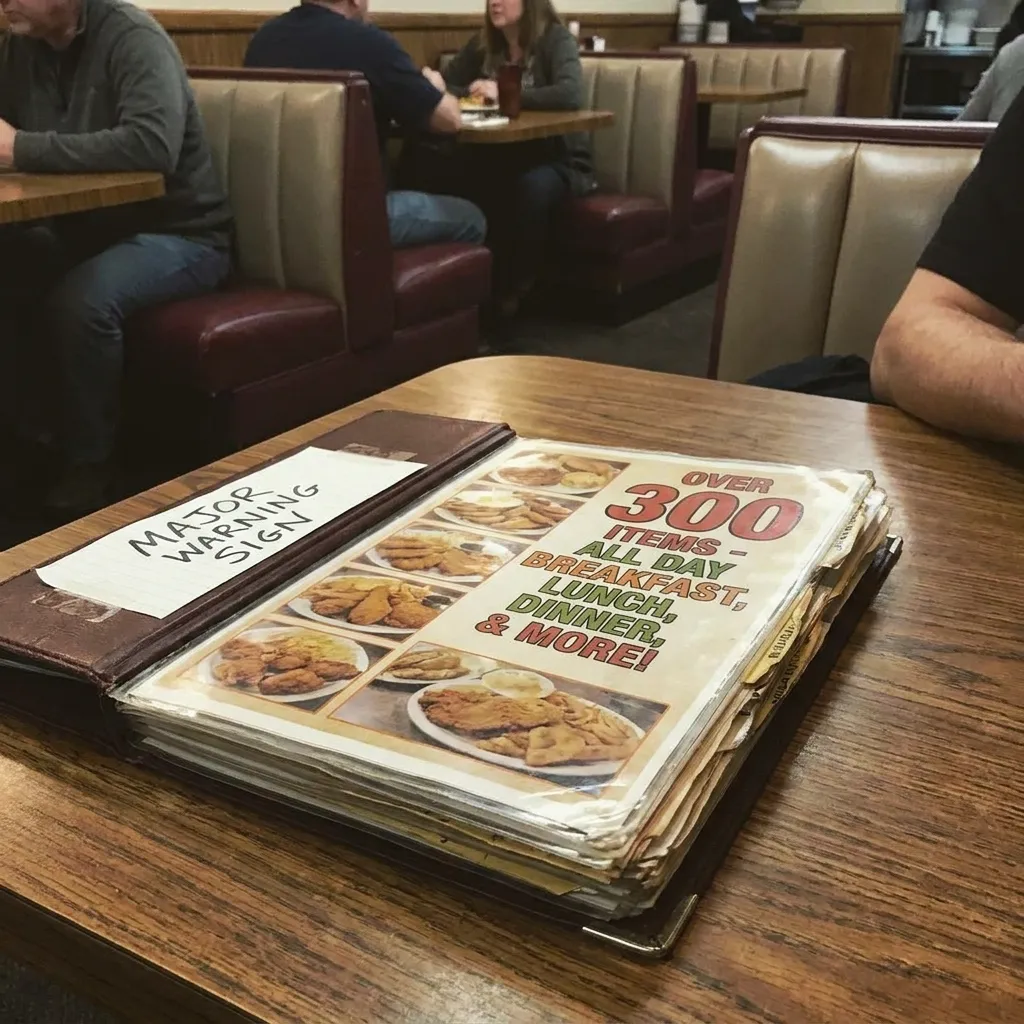
2. A Menu That Reads Like a Novel
While a diverse menu might seem appealing to picky eaters, it’s actually a massive warning sign. An eatery offering sushi, tacos, burgers, and pasta all at once cannot possibly keep that many disparate, fresh ingredients on hand. Instead, they rely heavily on frozen, microwaved, or stale components. A massive, unfocused menu usually screams “jack of all trades, master of none.”
Kitchen and Staff Restaurant Red Flags
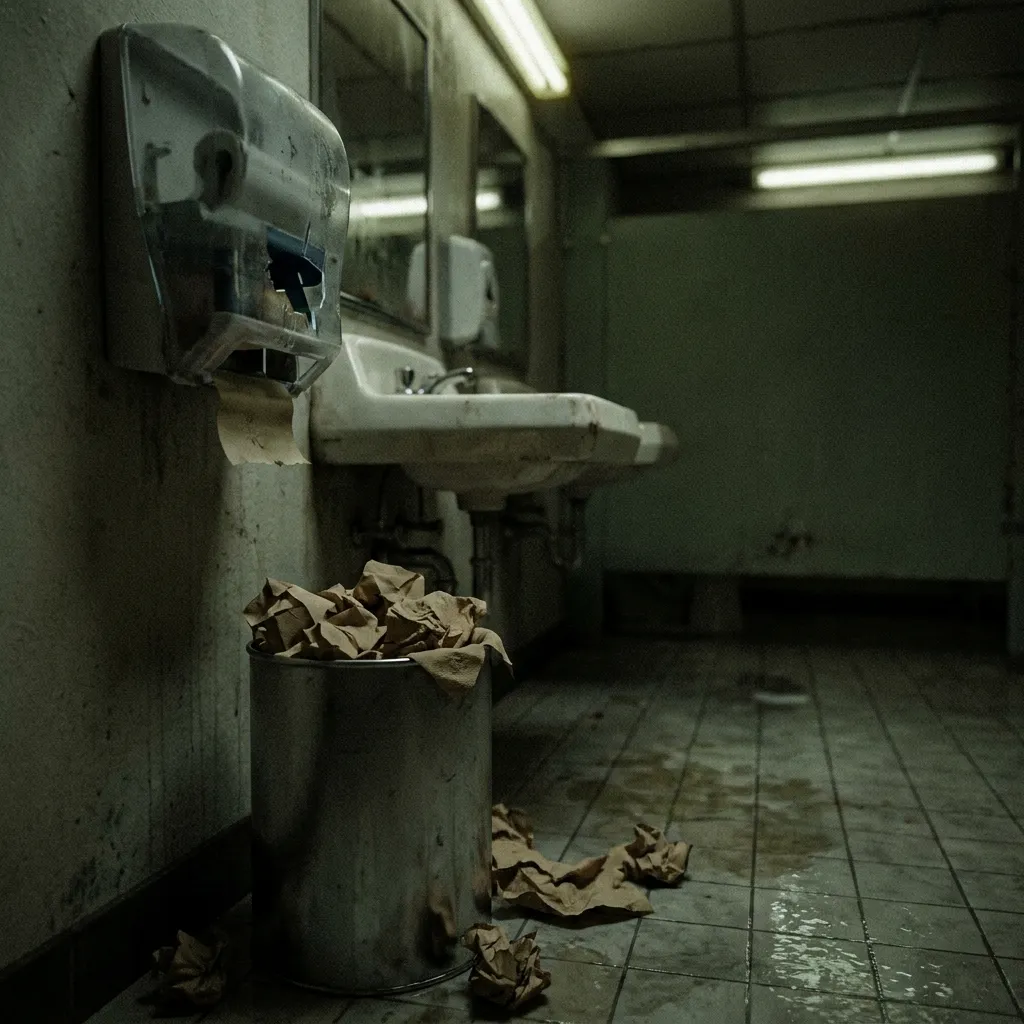
3. The Bathroom is a Disaster Zone
Famed chefs often say that you can judge a kitchen by its restroom. If the bathrooms lack soap, have overflowing trash cans, or are visibly dirty, this is one of the most undeniable indicators of poor hygiene. A staff that doesn’t have the time or care to clean the bathroom is absolutely not sanitizing their food prep stations properly.
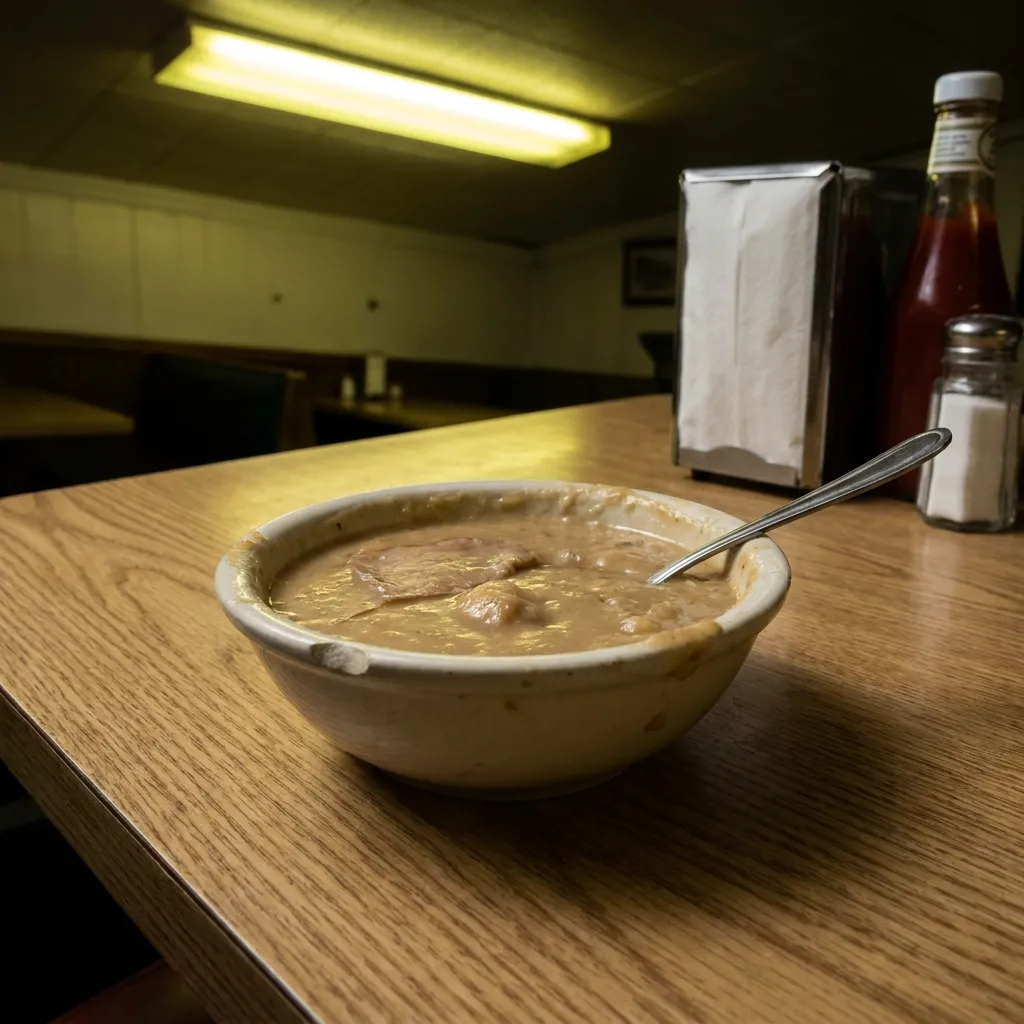
4. Food Served at the Wrong Temperature
When your order finally arrives, temperature is everything. If your supposedly hot soup is lukewarm, or your crisp salad feels like it’s been sitting under a heat lamp, send it back—or better yet, leave. Time-temperature abuse is a leading cause of foodborne illness. Serving items at unsafe temperatures is a critical warning sign that the kitchen is mishandling your meal.
5. Unengaged or Sick Serving Staff
Customer service reflects the overall kitchen culture. If the staff seems utterly miserable, overworked, or worse—visibly sick and sniffing over your plates—it’s time to politely excuse yourself. Sick employees are a major liability that can lead to direct food contamination. Furthermore, poor management usually leads to high turnover, rushed cooking, and ultimately, a terrible dining experience for you.
Read More: 9 Popular Desserts People Actually Hate (And Why They’re Overrated)
Trust Your Gut to Avoid a Dining Disaster
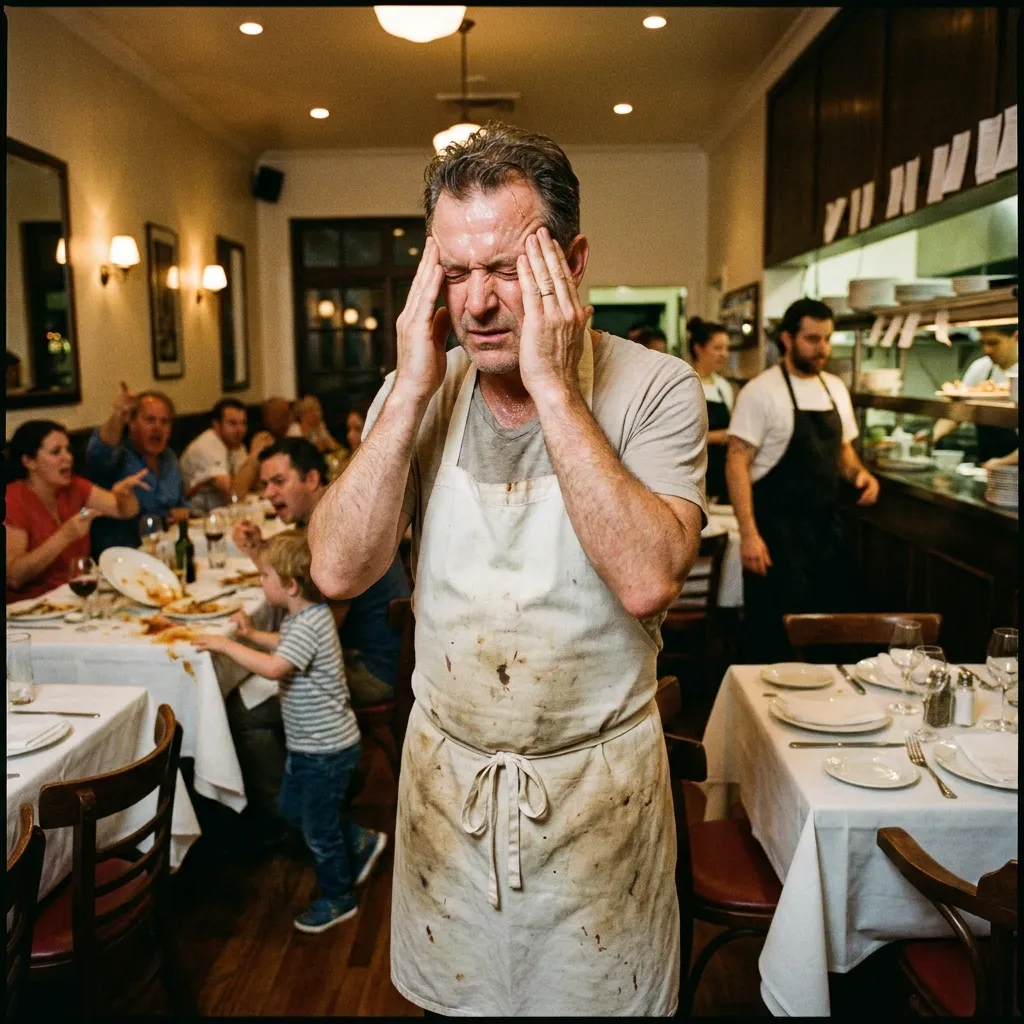
At the end of the day, your intuition is rarely wrong. If the vibe is off, the smells don’t match the cuisine, or the cleanliness is questionable, don’t feel obligated to stay seated. Spotting these restaurant red flags will empower you to spend your hard-earned money at establishments that truly respect their craft—and their customers.