



Let’s be real: our phones are basically extensions of our hands at this point. So, when the tech world starts sounding the alarm about a massive industry shakeup, we need to talk about it. If you were planning to treat yourself to a brand-new device this year, brace yourself. We are officially in the thick of a smartphone memory crisis, and it’s threatening to completely change how we buy our favorite gadgets.
According to a new forecast from Counterpoint Research, 2026 is officially shaping up to be a historically bad year for the mobile industry. Global shipments are expected to plummet by 13.9% year-over-year, dropping to just 1.08 billion units. To put that into perspective, we haven’t seen numbers this low since 2013. After nine consecutive quarters of growth, the industry is suddenly hitting a major wall, and this severe smartphone memory crisis is the main culprit.
What Exactly Is The Smartphone Memory Crisis?
If you’re wondering why a sudden drop in global phone production affects you, it all comes down to supply, demand, and the tiny components that make your phone run smoothly. The ongoing smartphone memory crisis is fundamentally a massive shortage of RAM. Just like any other supply shortage, when there isn’t enough memory to go around, the prices of the available materials absolutely skyrocket.
Read More: Why Apple’s Refurbished iPhone 16e Deals Are the Ultimate Steal

Why The Smartphone Memory Crisis Is Driven By The AI Boom
We can’t talk about this tech shortage without pointing a finger at the internet’s current obsession: Artificial Intelligence. The massive AI boom is gobbling up an unprecedented amount of available RAM. Because big tech servers and advanced AI platforms require immense amounts of memory to function, there is significantly less left over for everyday consumer electronics. This high-stakes tug-of-war is the root of the smartphone memory crisis, forcing manufacturers to pay steep premiums just to get the basic parts they need to build your phone.
How Apple And Samsung Are Surviving The Smartphone Memory Crisis
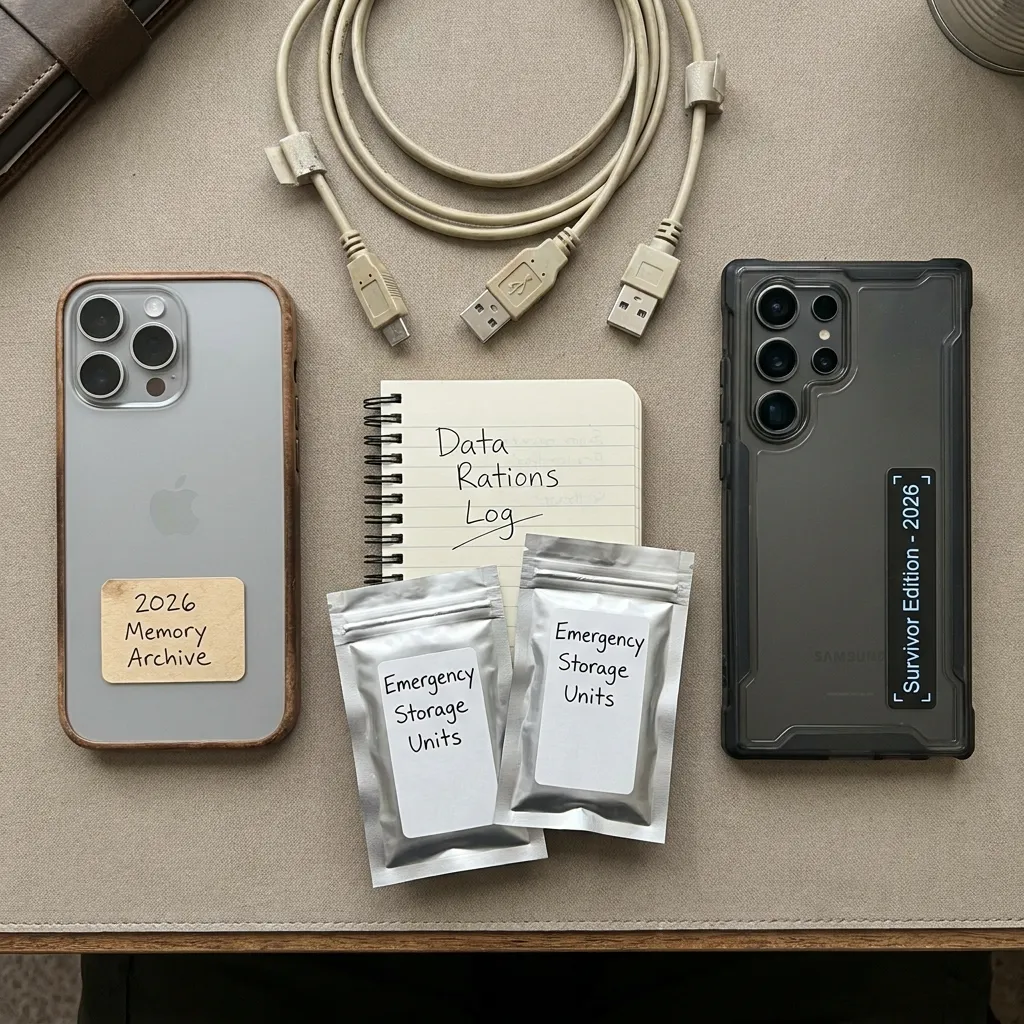
With manufacturing costs soaring, you’d think every major tech brand would be panicking. But the reality of the smartphone memory crisis is a tale of two extremes. The major powerhouses—specifically Apple and Samsung—are proving to be the most insulated from the chaos.
Read More: iPhone Air 2 2027 Release: Will It Fix the Original’s Biggest Flaws?
Because both Apple and Samsung have highly integrated, iron-clad supply chains, they have the leverage and cash flow to negotiate through the drought. According to Counterpoint, iPhone shipments are expected to remain broadly flat this year, with a projected 5% growth next year. Samsung might see a minor 4% drop, but that’s practically a win compared to the industry average. Interestingly, Huawei is also weathering the storm, managing to grow 1% in the first quarter by keeping their prices completely frozen to secure their market share.
The End Of Budget Phones During The Smartphone Memory Crisis?
Unfortunately, the brands that rely on affordable, entry-level devices are taking the biggest hit. For example, Xiaomi saw a staggering 19% drop in shipments in just the first quarter alone. Because of the smartphone memory crisis, the sub-$150 phone market is essentially facing permanent extinction in some regions. When the raw materials are this expensive, brands simply can’t afford to manufacture cheap phones anymore.
What The Smartphone Memory Crisis Means For Your Next Upgrade
So, what is a tech-loving millennial or Gen Z-er supposed to do? If you’re not ready to drop top dollar on a premium device right now, you’re definitely not alone. The biggest silver lining of the smartphone memory crisis is the massive boom in the refurbished tech market, which is predicted to grow by 13% this year. Since brand-new phones are becoming prohibitively expensive, savvy shoppers are turning to high-quality, pre-loved devices instead.
Read More: Google Pixel 11 Launch Expectations: 5 Things Coming August 12
So, what is a tech-loving millennial or Gen Z-er supposed to do? If you’re not ready to drop top dollar on a premium device right now, you’re definitely not alone. The biggest silver lining of the smartphone memory crisis is the massive boom in the refurbished tech market, which is predicted to grow by 13% this year. Since brand-new phones are becoming prohibitively expensive, savvy shoppers are turning to high-quality, pre-loved devices instead.