



Scroll through TikTok for five minutes, and you are bound to encounter an influencer mixing up a $90 greens powder, popping a handful of gummies, or raving about their latest 30-day “gut reset.” With hashtags like #GutTok racking up over six billion views, millions of people are turning to probiotic supplements for gut health to cure their bloating, fatigue, and digestive woes. But is this $5 billion industry actually healing your microbiome, or just draining your wallet?
According to top gastroenterologists and registered dietitians, the hard truth is that many of these viral wellness trends are not only ineffective—they can actually be dangerous.

Do Probiotic Supplements for Gut Health Really Work?
When we experience stomach issues, it is entirely natural to want a quick fix. However, medical experts warn that popping random probiotic supplements for gut health is rarely the answer. In fact, the American Gastroenterological Association states there is no consistent, scientific proof that most of these over-the-counter products do what their colorful labels claim.
Dr. Trisha Pasricha, a gastroenterologist at Harvard Medical School, points out that probiotics are often where patients waste the most money before finally seeking medical help. The clinical evidence backing probiotic supplements for gut health is incredibly limited for most gastrointestinal complaints. Unfortunately, clever marketing algorithms lead consumers to believe that every doctor wants them on a daily probiotic regimen.
The Truth About Gummies and Probiotic Supplements for Gut Health
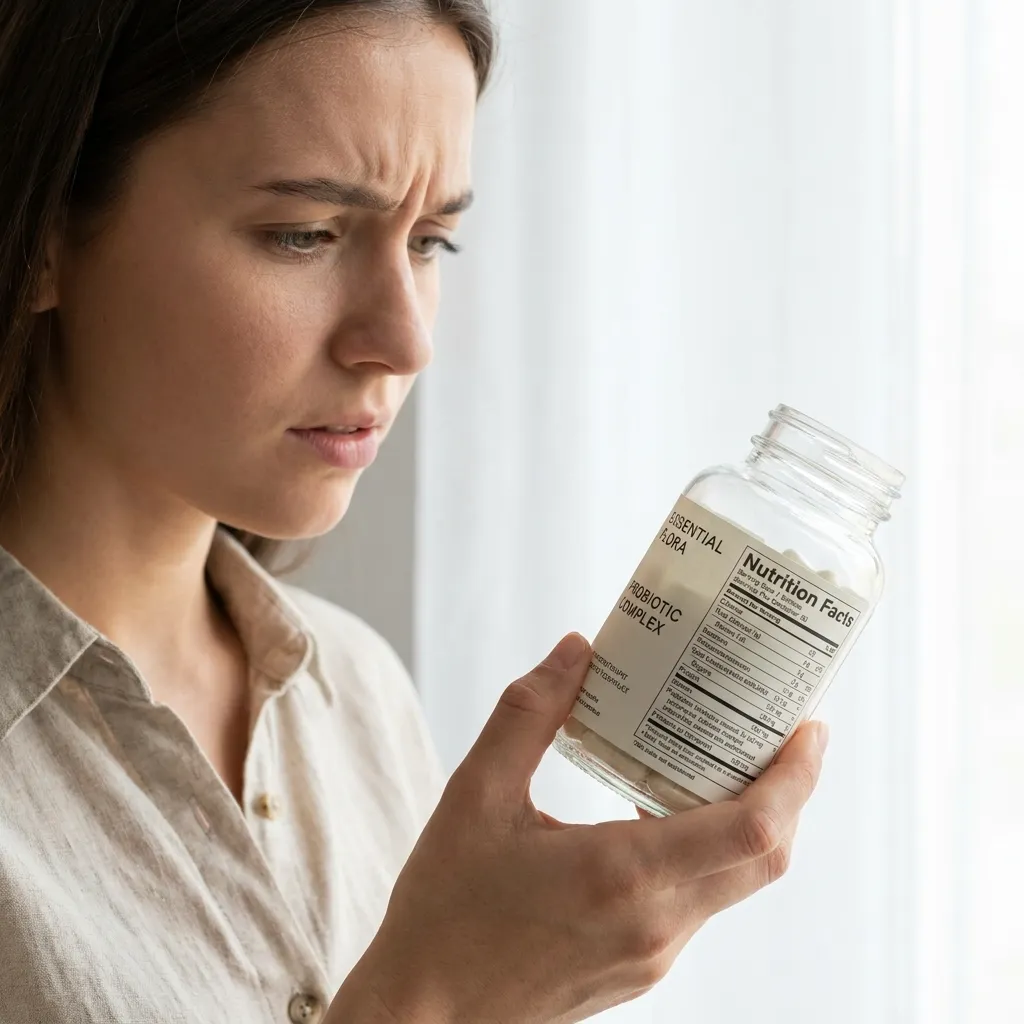
If you think you are playing it safe by chewing a fruity, influencer-approved gummy, think again. These highly marketed products often contain random combinations of bacterial strains at wildly varying doses. Dietitians warn that buying a generic gummy just because a creator with great lighting recommended it is essentially buying a trendy label, not a scientifically backed formula.
And what about those ubiquitous greens powders? While they aren’t necessarily harmful, experts stress that they are absolutely not equivalent to eating whole fruits, vegetables, legumes, and grains. They can create a false sense of dietary security, leading people to believe they’ve “covered” their nutritional bases with a single, highly processed scoop.
The Hidden Dangers of “Supplement Stacking” and Gut Resets
Perhaps the most alarming trend on social media is the idea that your digestive system is something that needs to be “reset” or “cleansed” like a frozen smartphone.
Why You Should Avoid the 30-Day Cleanse
Products marketed as colon cleanses or gut resets can cause severe issues like dehydration, electrolyte imbalances, intense cramping, and a dangerous dependence on stimulant laxatives. As registered dietitians bluntly point out: if you are constipated, the medical goal is to find out why, not to repeatedly flush out your system with aggressive protocols.
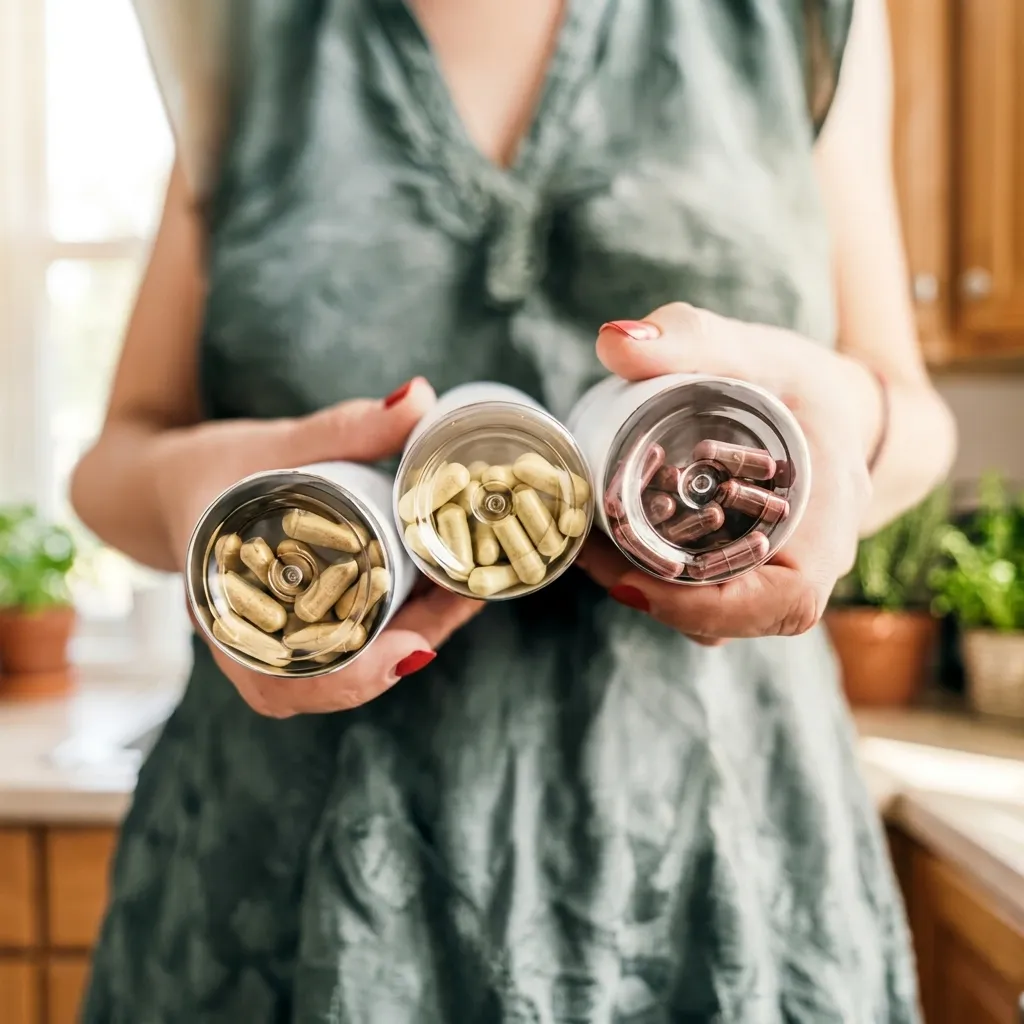
The physical risks become even higher when wellness enthusiasts start “stacking.” Layering greens powders, magnesium, digestive enzymes, L-glutamine, and multiple probiotic supplements for gut health all at once frequently leads to worse bloating, severe pain, and diarrhea. In the most extreme cases, patients have ended up in the emergency room with severe liver damage directly linked to unregulated supplements they purchased online.
What Actually Works Better Than Probiotic Supplements for Gut Health?
Why does the supplement industry get away with this? In the United States, the FDA regulates supplements differently than prescription drugs. Brands can market their products with vague buzzwords like “supports your microbiome” or “heals leaky gut” without needing to prove real-world clinical outcomes.
So, if probiotic supplements for gut health aren’t the magic cure, what actually is? Medical professionals recommend ditching the expensive powders and focusing on the fundamentals:
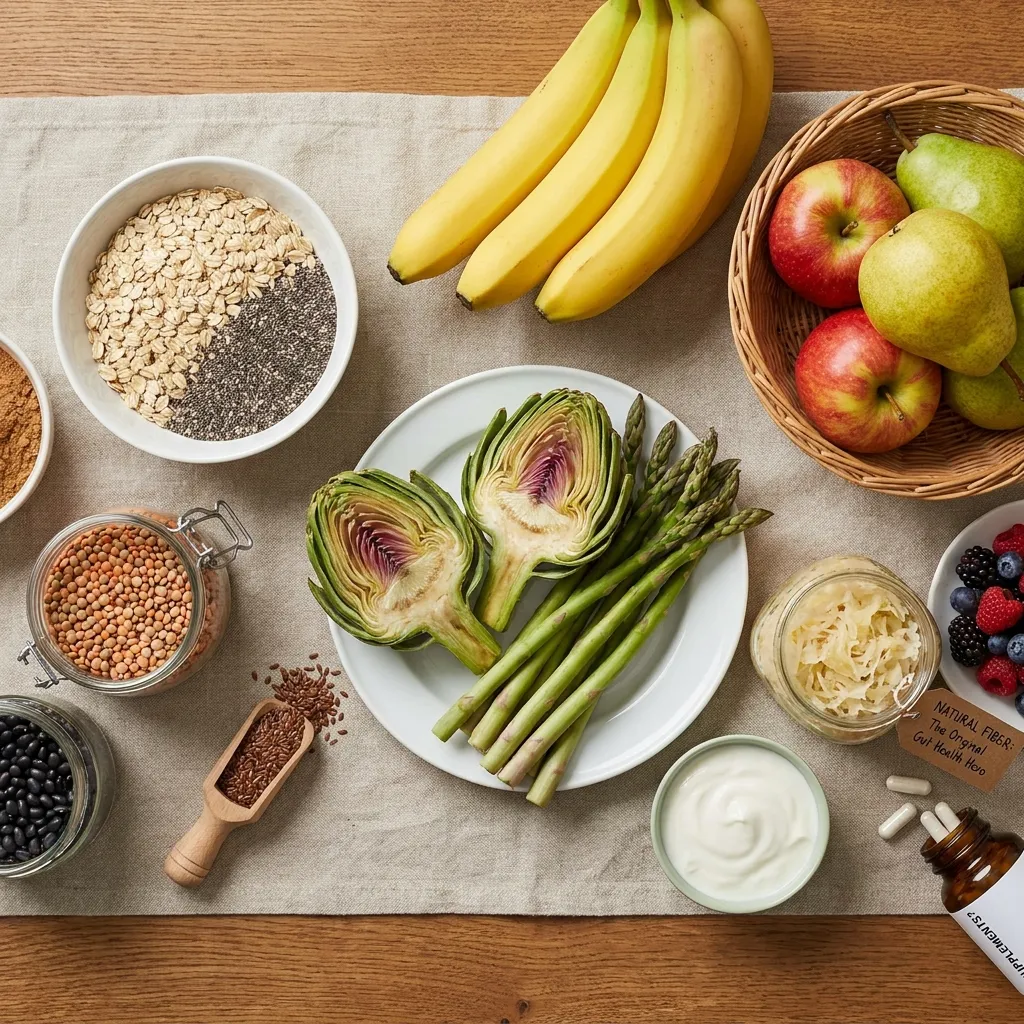
Boost Your Soluble Fiber: Aim for 25 to 38 grams of fiber a day. Soluble fiber, like psyllium husk, has robust scientific backing for naturally improving digestion, cholesterol, and blood sugar.
Evaluate Your Lifestyle: Instead of buying a new pill, look at your daily habits. High stress levels, poor sleep hygiene, heavy alcohol consumption, and frequent use of NSAIDs (like ibuprofen) can wreak havoc on your stomach lining.
Eat Real Food: Cut back on ultra-processed meals and focus on whole, nutrient-dense foods that naturally feed good bacteria.
At the end of the day, true digestive wellness doesn’t come with a promo code or a flashy aesthetic. Before you empty your digital cart on the latest viral trend, remember that skipping the expensive probiotic supplements for gut health and sticking to water, fiber, and a good night’s sleep is the smartest, safest investment you can make for your body.