

If you have been keeping up with celebrity news, scrolling through wellness TikTok, or simply existing on the internet lately, you have undoubtedly heard about the meteoric rise of weight loss medications. While the dramatic physical transformations are splashed across every timeline, there is a much quieter conversation happening behind closed doors. Beyond the dropping numbers on the scale and the headlines about “miracle” drugs, there are several unexpected GLP-1 side effects that patients are experiencing—and nobody is talking about them.
Beyond the Scale: The Realities of Weight Loss Medication
It is no secret that medications like Ozempic, Wegovy, and Mounjaro have completely shifted the modern wellness landscape. At Elits Buzz, we are constantly tracking the intersection of pop culture and health, and the current obsession with these injectables is unprecedented. However, as more people get prescriptions, the reality of living with the medication is coming to light. The physical symptoms like nausea and heartburn are well-documented, but the true unexpected GLP-1 side effects are often more psychological and structural.
The Disappearance of “Food Noise”
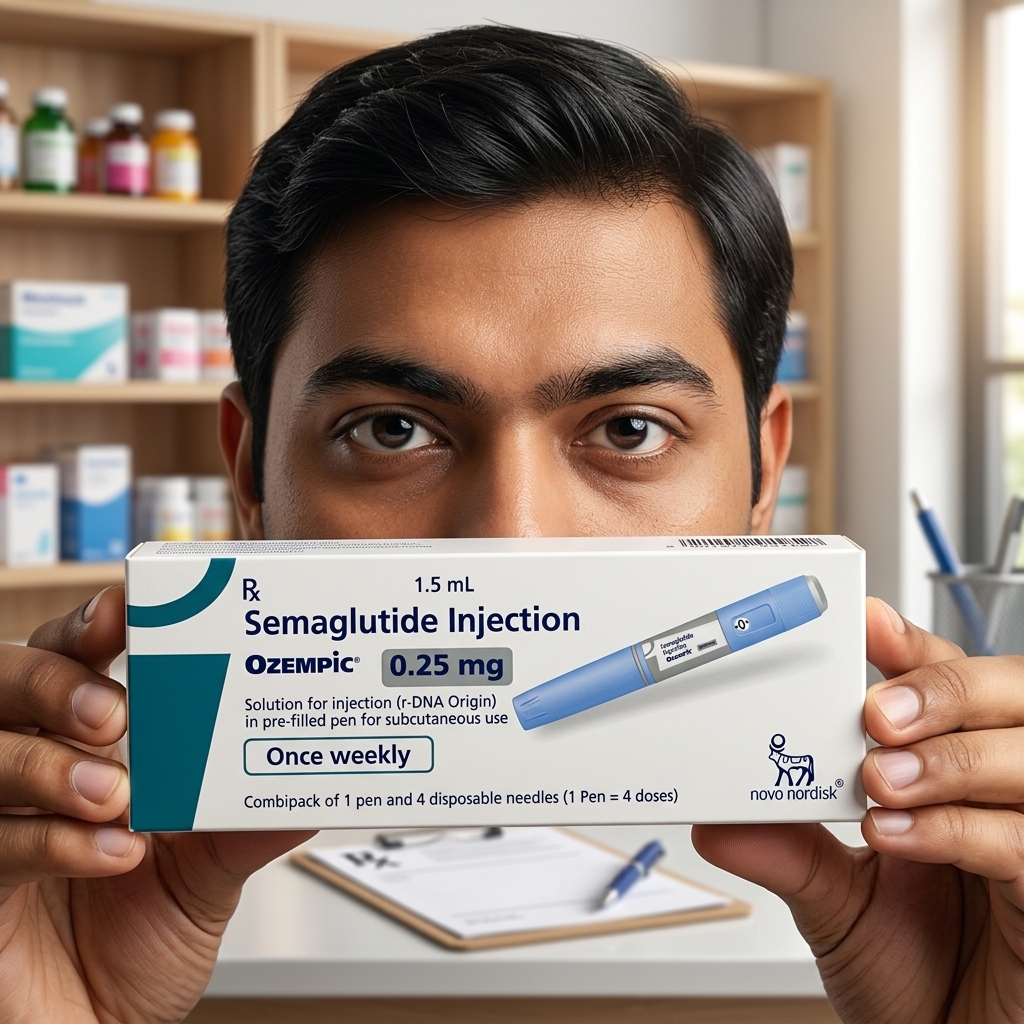
For many, one of the most jarring unexpected GLP-1 side effects is the sudden silence in their brains. “Food noise”—the constant, intrusive thoughts about what to eat next, cravings, and meal planning—completely vanishes. While this sounds like a massive relief for chronic dieters, it can actually leave a psychological void. Food is deeply tied to socialization, comfort, and routine. When that desire is chemically muted, many individuals report feeling a strange sense of emptiness, unsure of how to navigate dinner parties or celebrations without their usual emotional connection to eating.

The Hidden Mental and Physical Toll

The “Anhedonia” Effect (Loss of Pleasure)
Building on the loss of food noise, some patients describe a reduced ability to experience pleasure, sometimes called anhedonia, and a kind of emotional flattening that leaves them feeling detached from their own lives. These accounts are anecdotal. The FDA’s 2026 review of 91 placebo-controlled trials, covering about 108,000 patients, found no increased risk of suicidal ideation or other psychiatric adverse events. If your mood changes while taking one of these medications, it is worth raising with your prescriber, even if it is not one of the unexpected GLP-1 side effects you were warned about.

The Silent Crisis: Muscle Depletion
While the media focuses on fat loss, muscle loss is a real concern. When you lose weight rapidly on these medications, some of that weight can be lean muscle mass, not just fat, although a meta-analysis describes the proportion of lean-mass loss as modest. This can contribute to a weakened metabolism, lethargy, and a prematurely aged appearance (often dubbed in pop culture as “Ozempic face” or “Ozempic body”). Managing these unexpected GLP-1 side effects means getting regular resistance training and enough protein, especially if you are at risk of sarcopenia (age-related muscle loss)—something many patients are not warned about when they receive their first pen.

Navigating Your Wellness Journey

If you or someone you know is navigating this new frontier of weight management, it is crucial to look beyond the viral success stories. Understanding the unexpected GLP-1 side effects allows you to prepare mentally and physically for the journey ahead. Whether it means hiring a therapist to process the sudden loss of “food noise” or working with a trainer to preserve your muscle mass, treating your body with holistic care is the only way to achieve true, sustainable wellness.
Sources
This article is for general information and is not medical advice.
Find more stories like this in our Health and Wellness section.