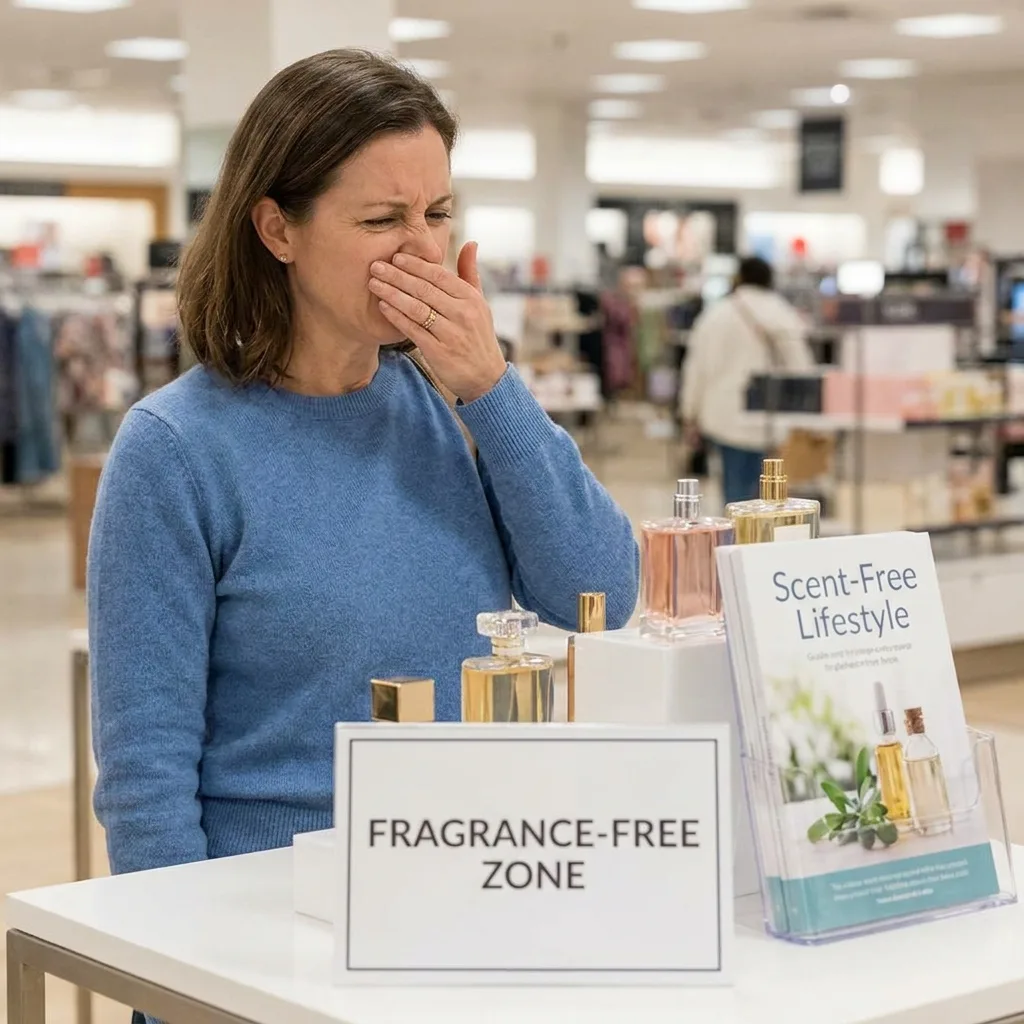


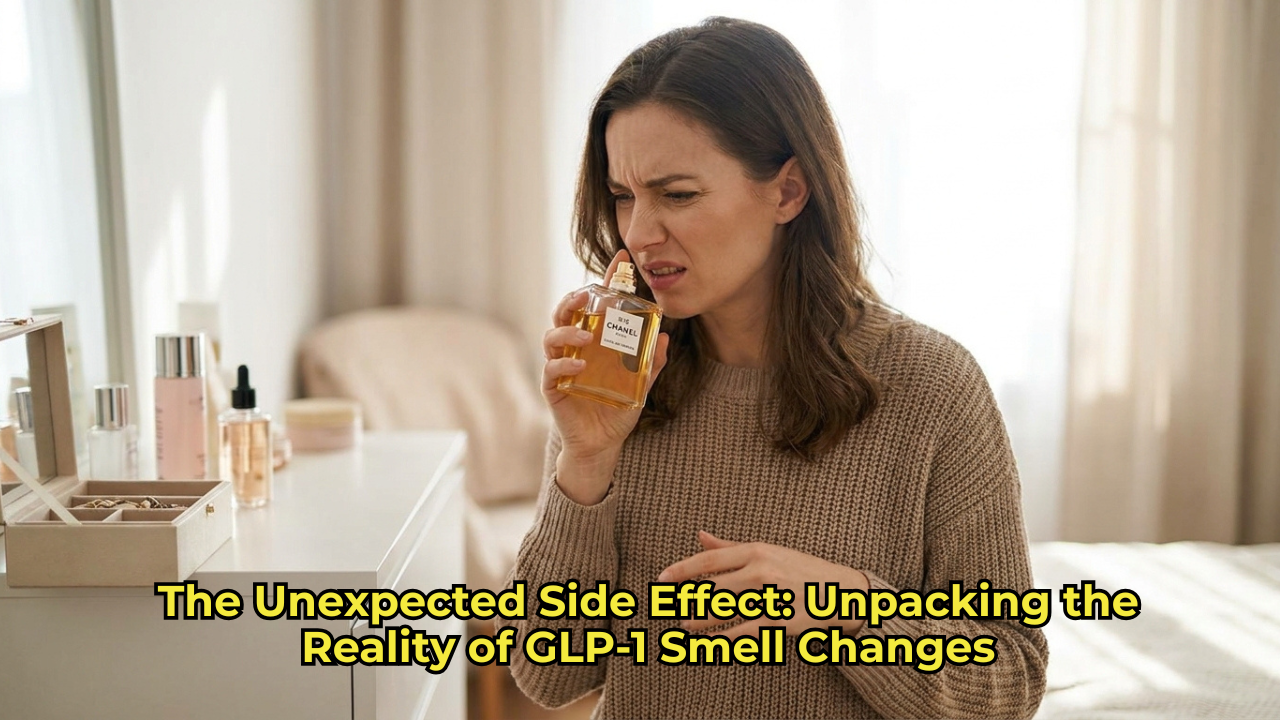
If you’ve been scrolling through TikTok or catching up on the latest celebrity wellness trends here at Elits Buzz, you already know that GLP-1 medications like Ozempic, Wegovy, and Mounjaro have completely taken over the cultural conversation. But while everyone is hyper-focused on rapid weight loss and curbed appetites, a highly unexpected side effect is quietly emerging in group chats and online forums alike: GLP-1 smell changes. Yes, users are reporting that the very medications helping them shed pounds are also drastically altering their sense of smell.
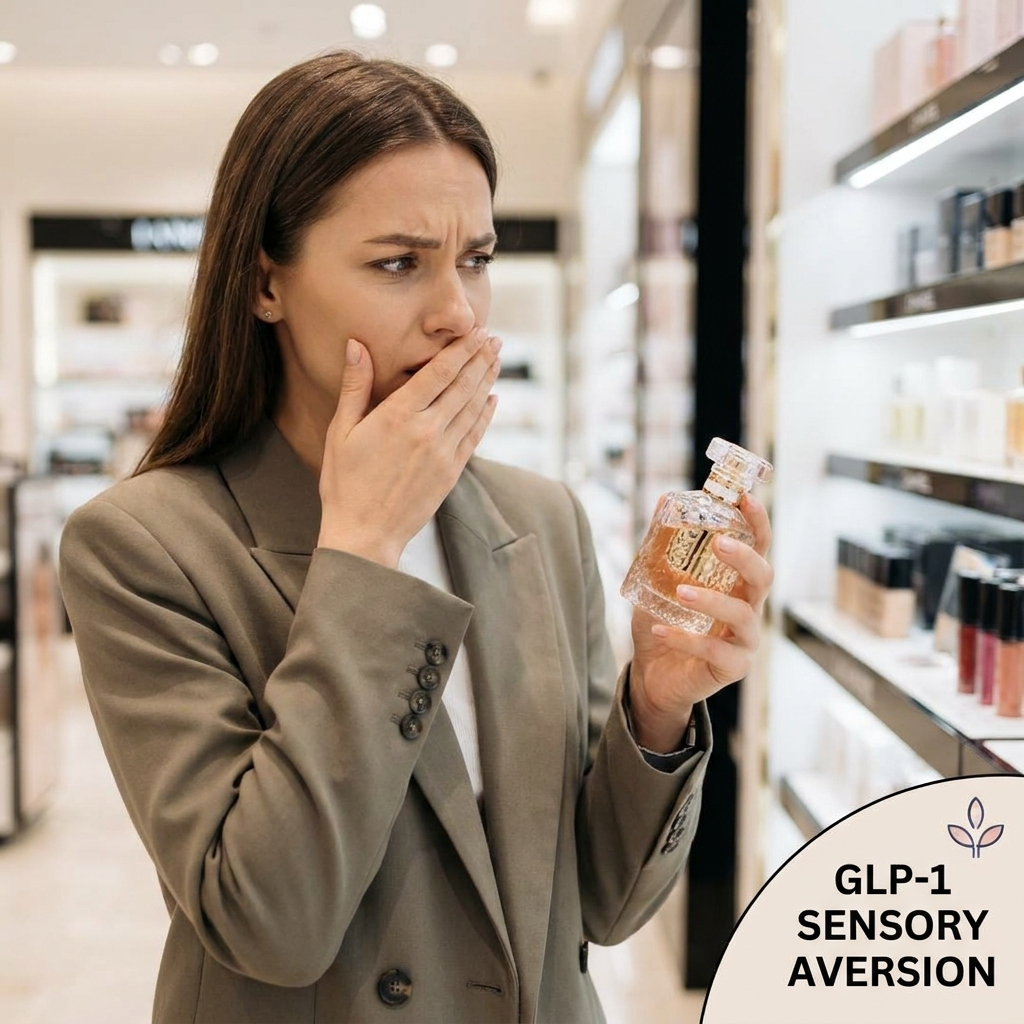
For many, this means a beloved signature perfume suddenly smells rancid, or the scent of a brewing cup of coffee induces instant nausea. Some are even finding themselves inexplicably drawn to super-sweet, nostalgic aromas they previously ignored. But is this sudden olfactory shift all in our heads, or is there real science behind the “Ozempic smell” phenomenon? Let’s dive in.
What Exactly Are GLP-1 Smell Changes?
When we talk about GLP-1 smell changes, we’re referring to a wide spectrum of sensory shifts. For some users, their sense of smell simply becomes heightened, turning a mildly scented daily lotion into an overpowering fragrance bomb. For others, it’s a complete distortion of scent memory—meaning everyday items that used to smell amazing now smell downright offensive.
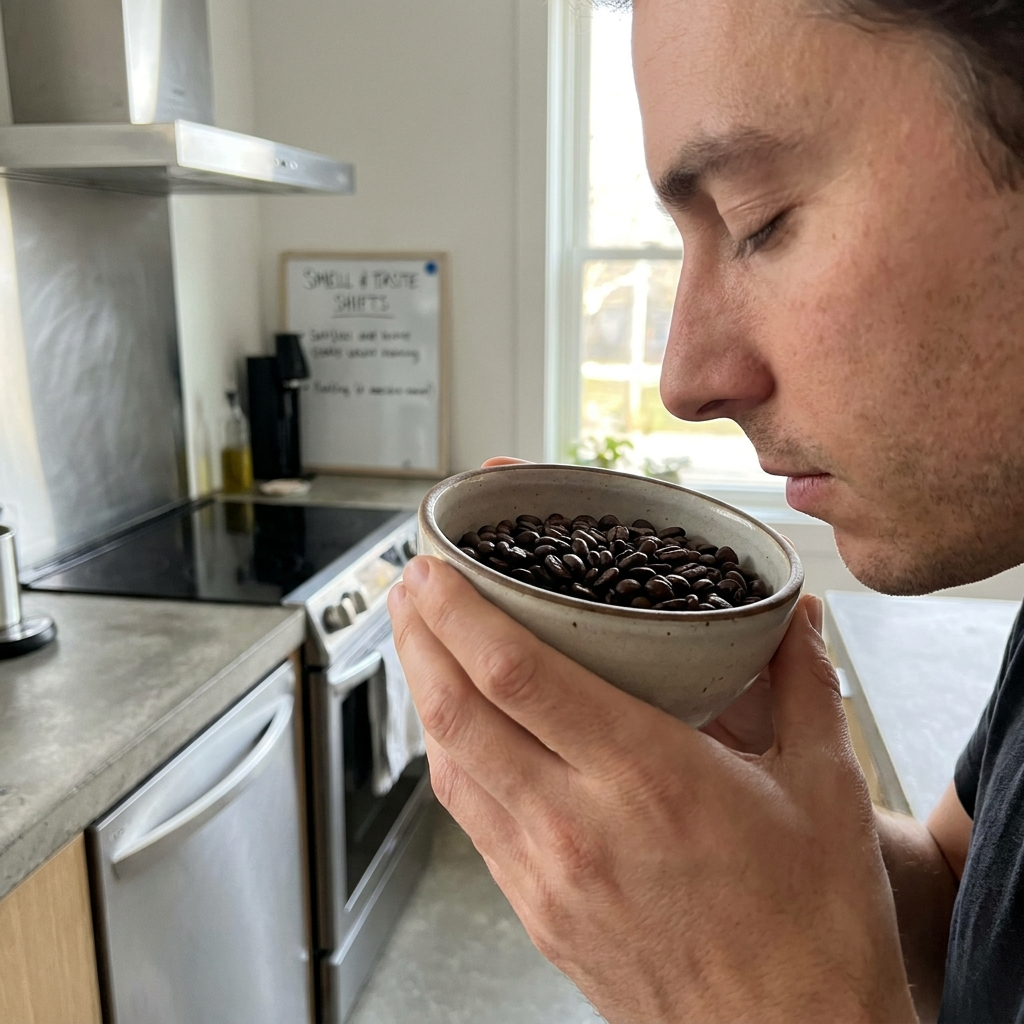
The Science Behind the ‘Ozempic Smell’ Phenomenon
So, why is this happening? While researchers are still catching up to the anecdotal evidence flooding social media, medical experts point to a few compelling theories as to why GLP-1s alter our scent perception.
Read More: The GLP-1 Side Effect No One Talks About
The Vagus Nerve Connection
GLP-1 medications work by mimicking a hormone that regulates digestion and appetite, a process that involves stimulating the vagus nerve. This critical nerve acts as an information highway between your gut and your brain, and it plays a massive role in how we process both taste and smell. When the vagus nerve is heavily stimulated by these medications, it can drastically increase your sensitivity to sensory input. Suddenly, a subtle floral scent becomes overwhelmingly intense.

Nausea and Sensory Aversion
Let’s be honest: nausea is one of the most frequently complained-about side effects of GLP-1s, especially when users increase their dosage. When your stomach is constantly churning, and you happen to smell a specific candle, cleaning product, or food, your brain creates a rapid association. Much like the intense scent aversions experienced during pregnancy, the brain rewires itself to perceive that specific scent as a threat, triggering a wave of nausea long after the initial stomach upset has passed.

Are Celebrities Experiencing Scent Shifts?
We constantly track Hollywood’s elite, and it’s no secret that GLP-1s are currently the entertainment industry’s worst-kept secret. While most A-listers are tight-lipped about their prescriptions, insider whispers suggest that makeup trailers and red carpet prep rooms are suddenly going fragrance-free. Stylists and makeup artists are reportedly being asked to ditch their signature scented hairsprays and heavy perfumes to accommodate the sudden scent sensitivities of their high-profile clientele.

How to Manage Sensory Overload While on Weight Loss Medication
If you are dealing with GLP-1 smell changes, you aren’t alone—and you don’t have to suffer in silence. Here are a few expert-backed ways to manage the sensory overload:
Switch to Unscented Products: Temporarily swap out your heavily fragranced laundry detergents, body washes, and lotions for fragrance-free, hypoallergenic alternatives.
Increase Fresh Airflow: When a scent triggers nausea, open a window or step outside immediately. Fresh air acts as a rapid reset for an overwhelmed olfactory system.
Reintroduce Scents Slowly: If your favorite perfume is suddenly revolting, put it away for a few weeks. Let your body adjust to your current medication dosage before reintroducing it in very small, controlled amounts.
Read More: How to Soothe an Upset Stomach: 7 Fast & Natural Remedies
Will Your Sense of Smell Go Back to Normal?
The good news? For the vast majority of users, these GLP-1 smell changes are entirely temporary. As your body adapts to the medication and your digestion stabilizes, the intense aversions and heightened sensitivities usually fade away. Until then, you might just have to skip the perfume counter and embrace a fresh, scent-free lifestyle.