

When you feel a tickle in your throat or a sudden wave of fatigue, simple natural cold and flu remedies can make you more comfortable while you recover. Colds have no cure and usually improve on their own, and home care eases symptoms rather than curing the illness. Flu can be more serious, so it is worth knowing when home care is not enough.
This is general information, not medical advice. Talk to a doctor or pharmacist about your own situation, especially if you are pregnant, have a health condition or are caring for a child.

Start With Rest and Fluids
The CDC’s first advice for a cold is to rest and drink plenty of fluids. Pushing through a busy schedule can leave you feeling worse, so give yourself time on the couch if you can.

Warm Drinks and Soup
Warm liquids can soothe a sore throat and loosen a stuffy nose, according to Mayo Clinic.
- Chicken soup: A comforting way to get fluids when your appetite is low.
- Tea with lemon and honey: Honey can relieve cough in people at least 1 year old. Never give honey to a baby under 1.
- Ginger tea: Many people find it comforting. Treat it as a warm drink rather than a treatment.

Ways to Ease Congestion and Sleep Better
Congestion and coughing can make it hard to sleep. These simple steps may help you feel more comfortable.
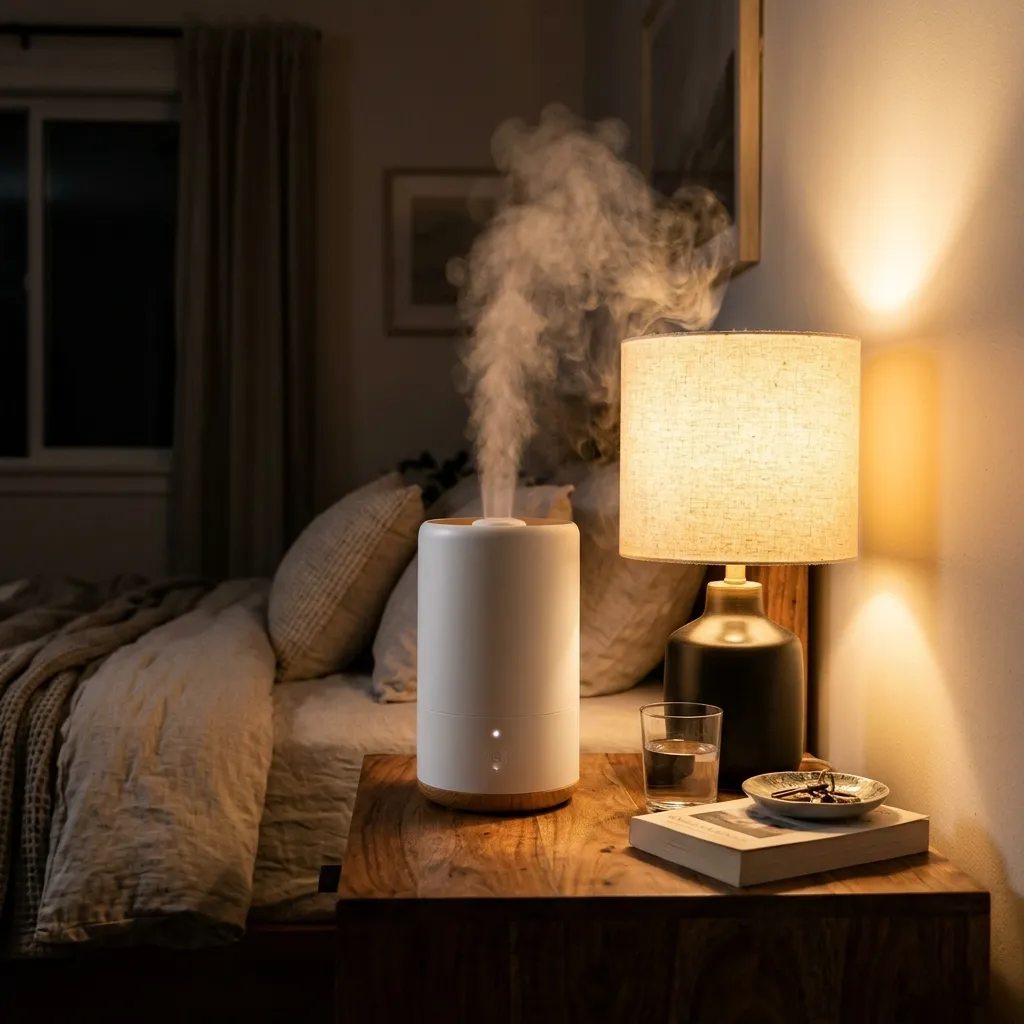
Steam, Moisture and Salt Water
- Steam: The CDC suggests breathing steam from a bowl of hot water or a shower. Take care to avoid burns, and keep hot water away from children.
- Humidifier: A clean cool-mist humidifier can help in dry air. Clean it as directed to prevent bacteria and mold.
- Saline: Saline nasal spray or drops can help with a stuffy nose.
- Salt water gargle: Mayo Clinic suggests 1/4 to 1/2 teaspoon of table salt in 4 to 8 ounces of warm water for a sore throat. Most children under 6 cannot gargle properly.
- Extra pillow: Many people find it easier to sleep with their head slightly raised when they are congested.
Do Vitamin C and Zinc Help?
The evidence is mixed, so do not expect either one to cure a cold.
Vitamin C
Mayo Clinic says vitamin C is unlikely to prevent a cold, though some studies found that taking it before symptoms start may shorten them. Citrus fruits, bell peppers and broccoli are good food sources.

Zinc
Some studies found zinc lozenges or syrup shortened a cold by about a day when started within 24 to 48 hours, but results are mixed. Talk to a doctor before using zinc. Avoid zinc nasal products: Mayo Clinic notes they may permanently damage your sense of smell.
When to Get Medical Help
Antibiotics do not work on colds or flu because these illnesses are caused by viruses. If you are very sick or at higher risk of flu complications, call your doctor promptly, as antiviral medicine may be an option. It works best when started soon after symptoms begin.
See a doctor if you have dehydration, a fever lasting more than 4 days, symptoms lasting more than 10 days without improving, or a fever or cough that improves and then returns or worsens.
Get medical care right away for:
- trouble breathing or shortness of breath
- ongoing chest or abdominal pain or pressure
- ongoing dizziness, confusion or being hard to wake
- seizures or not urinating
- severe muscle pain, weakness or unsteadiness
- in children: fast or difficult breathing, bluish lips or face, no urine for 8 hours, not being alert, or a fever above 104°F that medicine does not control
- any fever in a baby under 12 weeks
These lists are not complete, so contact a medical provider about any severe or worrying symptom. Do not give lozenges to children under 4, and over-the-counter cough and cold medicines are not recommended for children under 6.
Final Thoughts on Recovery
Rest, fluids and a little comfort can make a cold or mild flu easier to get through. These natural cold and flu remedies are there to ease symptoms, so get medical advice if you are getting worse or are not sure.
Find more stories like this in our Health and Wellness section.