



Let’s be real: if there’s one thing that can absolutely ruin your coastal grandmother aesthetic or perfect outdoor picnic vibe, it’s summer food poisoning. Warmer weather screams rooftop barbecues, beach snacks, and alfresco dining, but sadly, it also means the risk of stomach problems goes way up. The absolute last thing you want is for a bout of foodborne illness to wreck your PTO or weekend travel plans.
Millions of people across the country get sick from contaminated food every year, but cases of summer food poisoning see a massive spike during the hottest months. Here’s exactly why that happens and how to keep yourself safe while snacking in the sun.
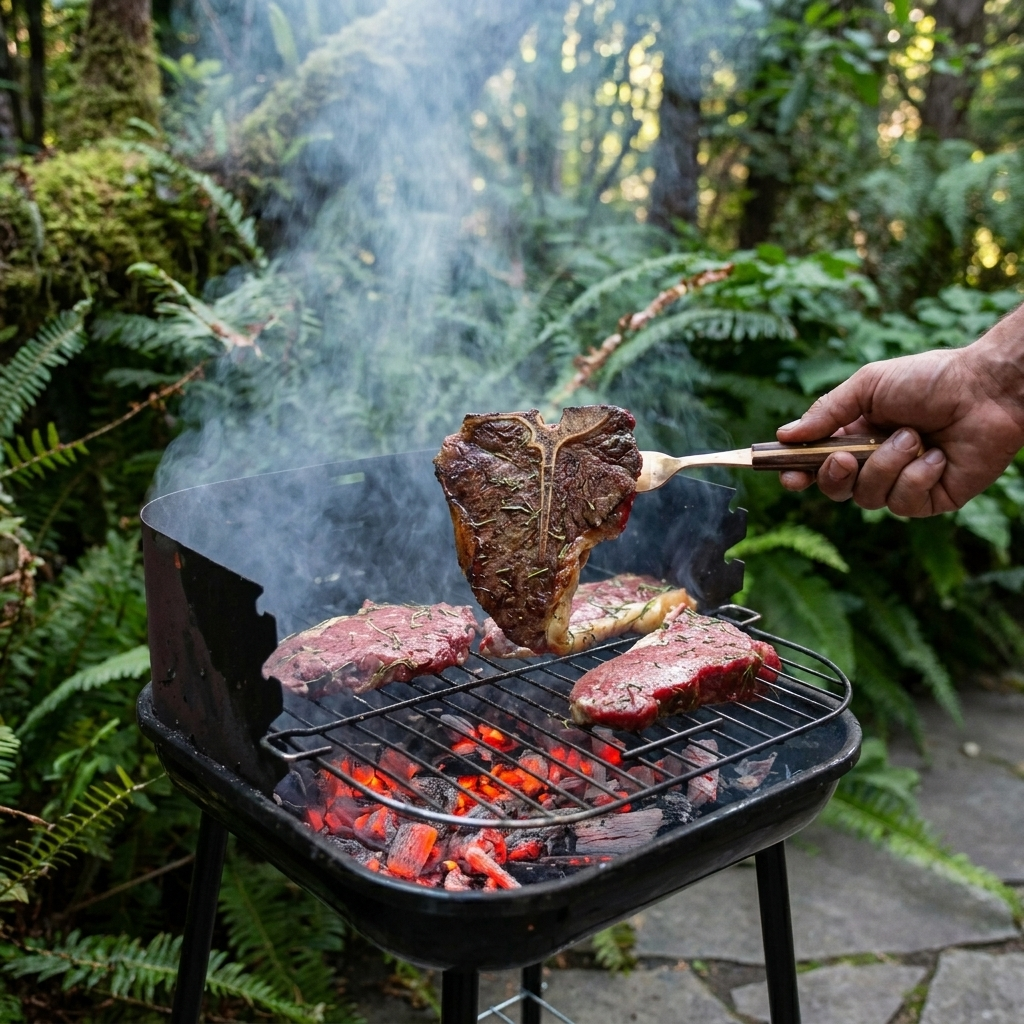
Why Do We Get Summer Food Poisoning So Often?
It’s pretty simple: heat is the enemy of food safety. During the hotter months, emergency rooms see a huge influx of admissions for bacteria-related digestive issues. When temperatures rise, it creates the perfect breeding ground for bacterial growth and survival.
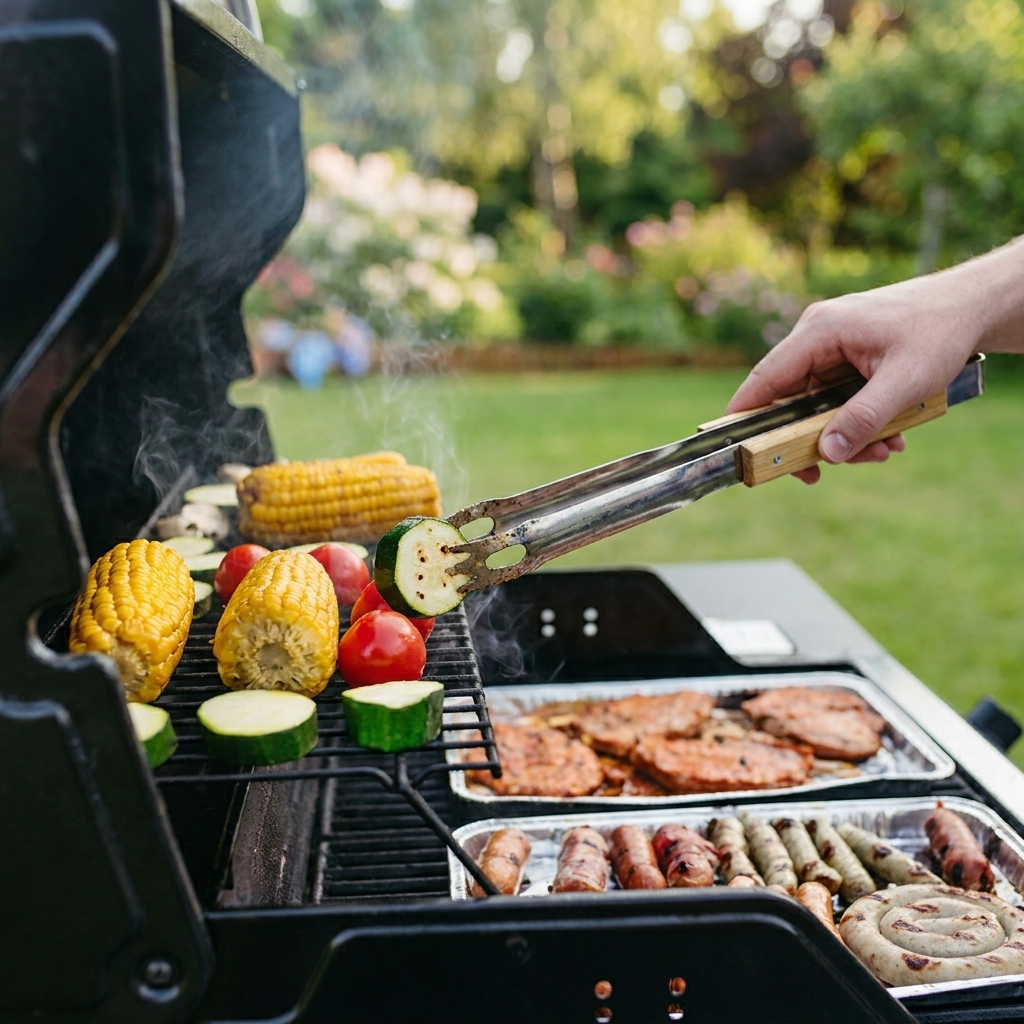
Well-known culprits like E. coli, Salmonella, and Campylobacter thrive in warmer weather. Certain picnic staples are extra susceptible to harboring these microscopic party crashers. We’re talking leafy greens, unpasteurized dairy, undercooked meats, and deli products.

To make matters worse, being outside means we naturally let our guard down. When you’re busy paddleboarding or catching up with friends, it’s way too easy to forget about that cooler sitting in the sun. Plus, being outdoors limits your access to a proper sink and soap, making it easier for bacteria to spread from raw meat to other snacks.
Read More: Cyclospora Outbreak 2026: Foods to Avoid & Expert Safety Tips
The Not-So-Glamorous Symptoms of Summer Food Poisoning
If you’ve ever dealt with a foodborne illness, you already know the absolute havoc these infections wreak on your body. The most common symptoms include nausea, vomiting, stomach cramps, and diarrhea. You might also experience headaches, muscle aches, and extreme fatigue.

The timeline for these symptoms can vary wildly. Some bacterial and viral pathogens will hit you in as little as two to 10 hours, while others take up to 96 hours to show up.
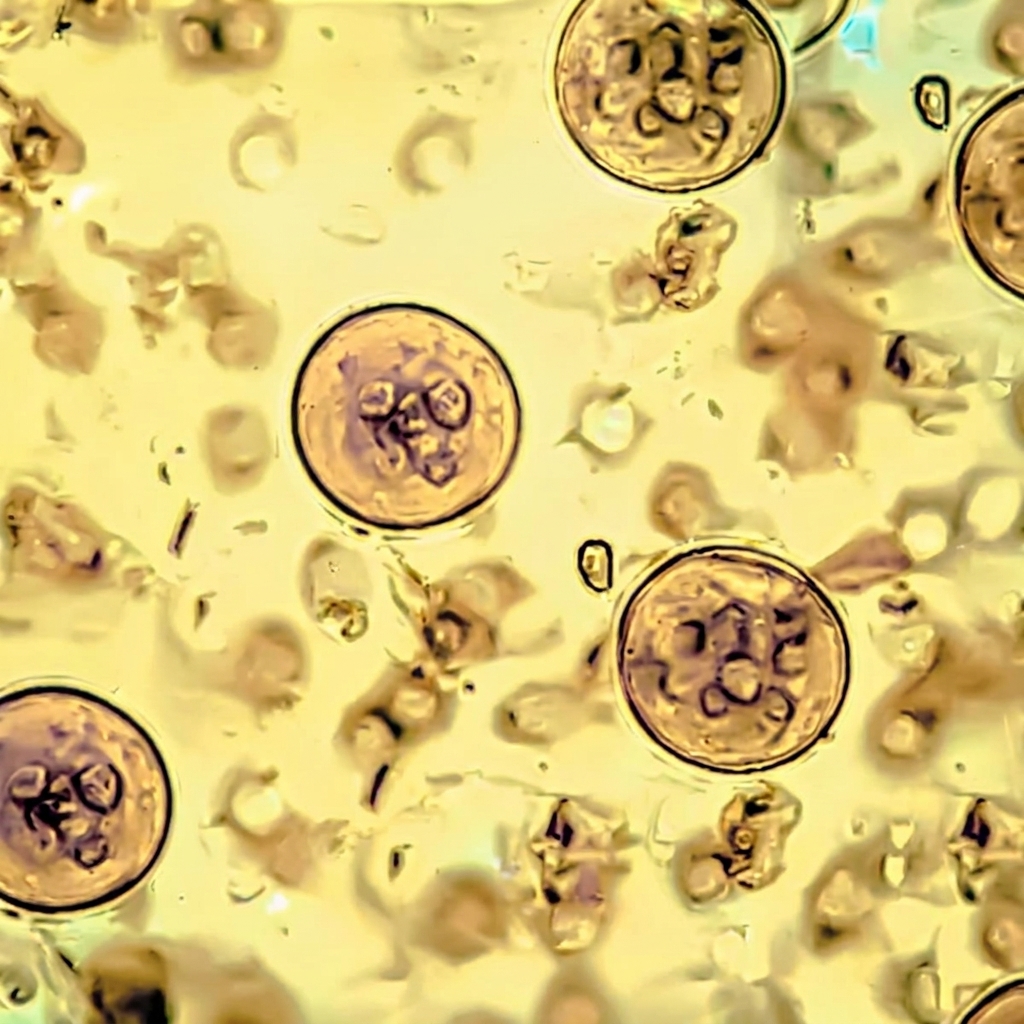
If you do catch a case of summer food poisoning, prepare to rest up. Stick to the classic BRAT diet (bananas, rice, applesauce, toast) to calm your GI tract, and load up on electrolyte-rich drinks to keep your sodium and potassium levels balanced.
Read More: Explosive Diarrhea Parasite: Cyclospora Symptoms & Prevention

When to Actually See a Doctor
Most of the time, summer food poisoning will resolve on its own after a few miserable days. However, you should seek medical care if your symptoms escalate. Watch out for red flags like a high fever, bloody vomit or diarrhea, an inability to keep any liquids down, or severe dehydration (which can cause dizziness and confusion).

For infants, older adults, and immunocompromised individuals, getting to urgent care or the ER quickly is crucial.
How to Avoid Summer Food Poisoning in the First Place
You don’t have to cancel your barbecue, but you do need to play it smart.
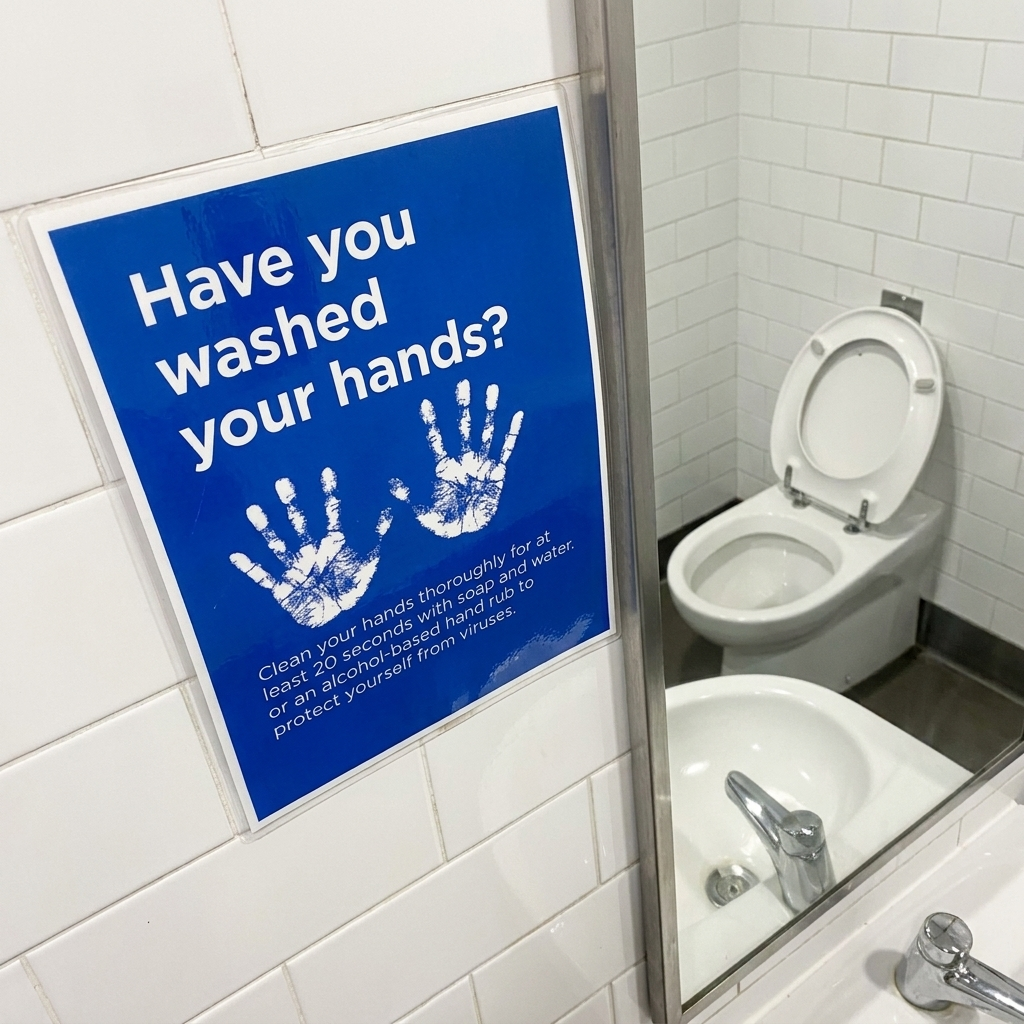
First, wash your hands. This is non-negotiable. Scrub up for at least 20 seconds before eating, especially if you’ve just been swimming, petting a dog, or throwing out the trash.
Next, keep your food out of the “danger zone.” Medical professionals define the danger zone as temperatures between 40°F and 140°F—this is the sweet spot where bacteria multiply the fastest. Keep your cold foods tightly packed in a cooler with plenty of ice, and don’t leave snacks sitting out on the picnic blanket for hours.
Read More: How to Soothe an Upset Stomach: 7 Fast & Natural Remedies
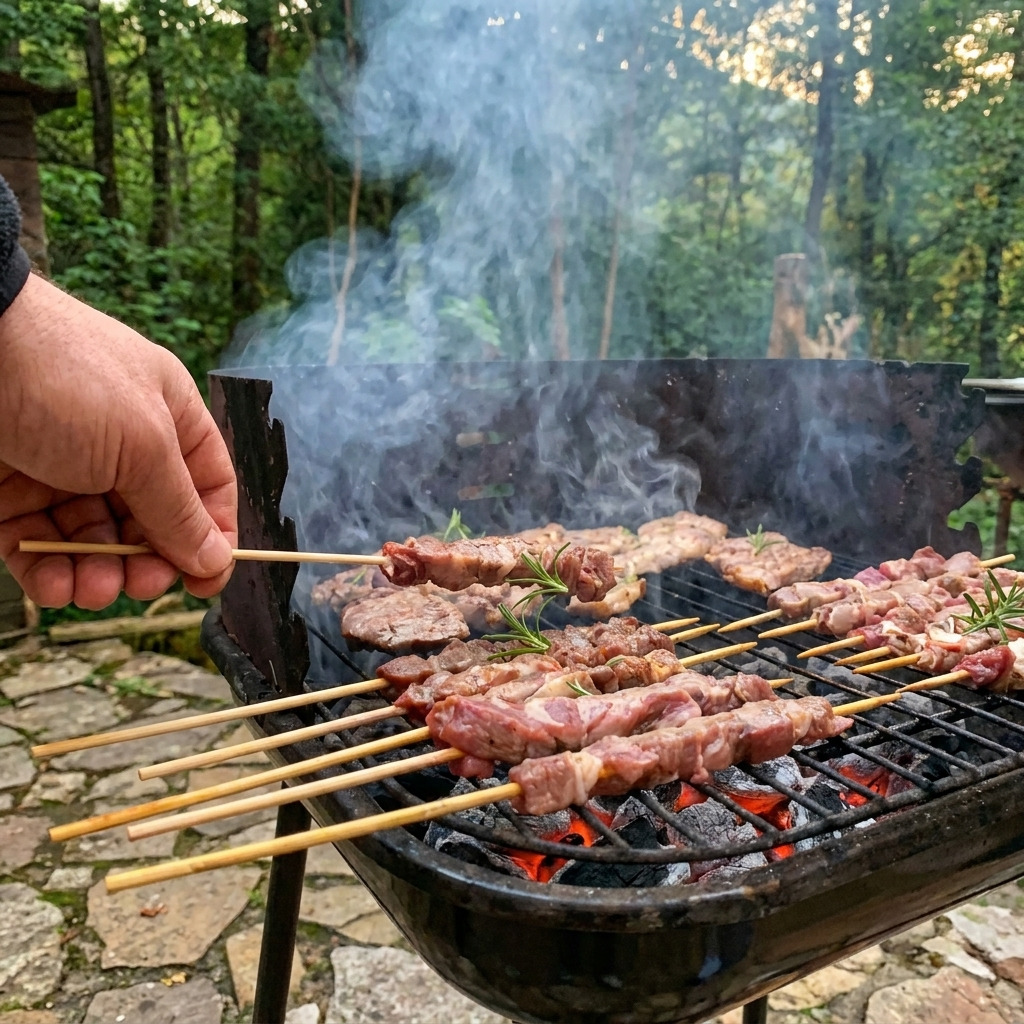
At the end of the day, higher temps and casual outdoor food handling create the perfect storm for summer food poisoning. But with a little extra hand sanitizer and a well-stocked cooler, you can keep the good vibes (and your stomach) completely intact.