


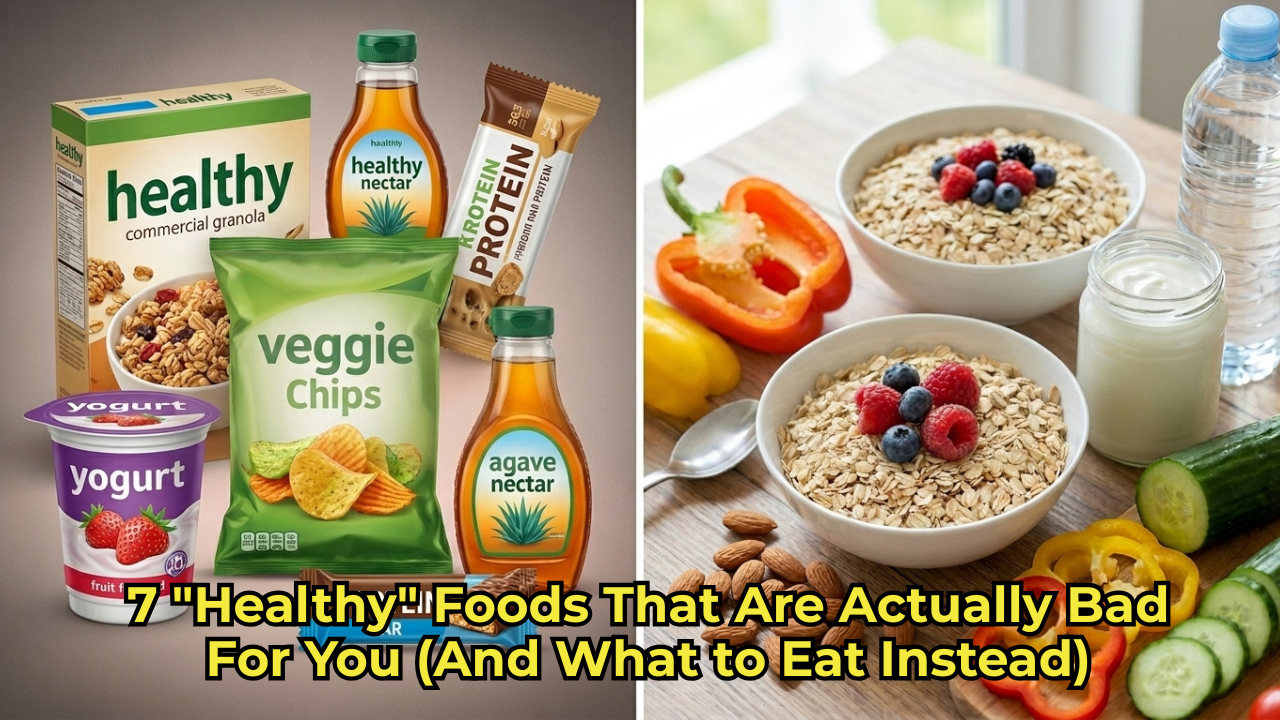
We all want to make better nutritional choices, but navigating the grocery store aisles can feel like walking through a minefield of misleading labels and clever marketing. You might be filling your cart with items advertised as fresh, natural, and nutritious, only to realize they are secretly derailing your fitness goals. If you have been struggling with your energy levels or wellness routine despite your best efforts, it is time to take a closer look at your pantry. Today on Elits Buzz, we are breaking down the most common healthy foods that are actually bad for you, uncovering the hidden sugars and artificial ingredients lurking inside your favorite snacks.
1. Commercial Granola
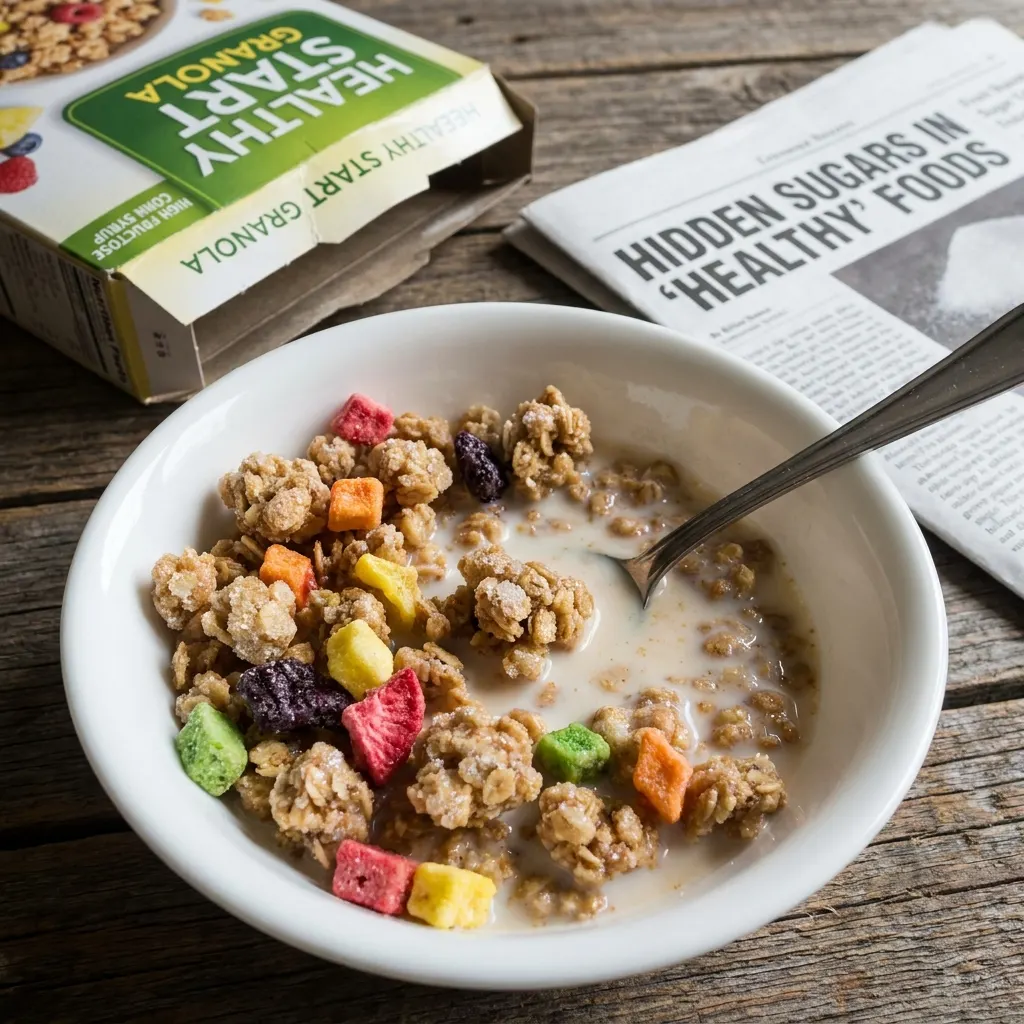
Granola has held onto its health-halo for decades, practically becoming synonymous with outdoor wellness and clean living. While oats and nuts are inherently good for you, the way commercial granola is manufactured completely strips away those benefits.
To achieve that highly desirable crunch and addictive taste, most mainstream brands drench their oats in heavy syrups, honey, and refined oils before baking. A single half-cup serving can pack as much sugar and as many calories as a glazed donut, making it one of the most deceptive healthy foods that are actually bad for you.
The Fix: Opt for plain rolled oats and make your own trail mix with raw almonds, chia seeds, and a light dash of cinnamon.
Read More: 3 Everyday Foods Food Safety Lawyers Never Eat (And Why)
2. Flavored Yogurt

Yogurt is an incredible source of probiotics and calcium, making it a fantastic addition to a balanced diet. However, there is a massive nutritional gap between plain Greek yogurt and the brightly colored, fruit-flavored cups lining the dairy aisle.
Those little cups of strawberry or peach yogurt are often loaded with artificial flavorings and a shocking amount of added sugar—sometimes upward of 20 grams per serving. That effectively turns your probiotic-rich breakfast into a sugary dessert.
The Fix: Buy plain, unflavored Greek or Icelandic yogurt and sweeten it naturally at home with a handful of fresh berries or a small drizzle of raw honey.
3. Veggie Chips
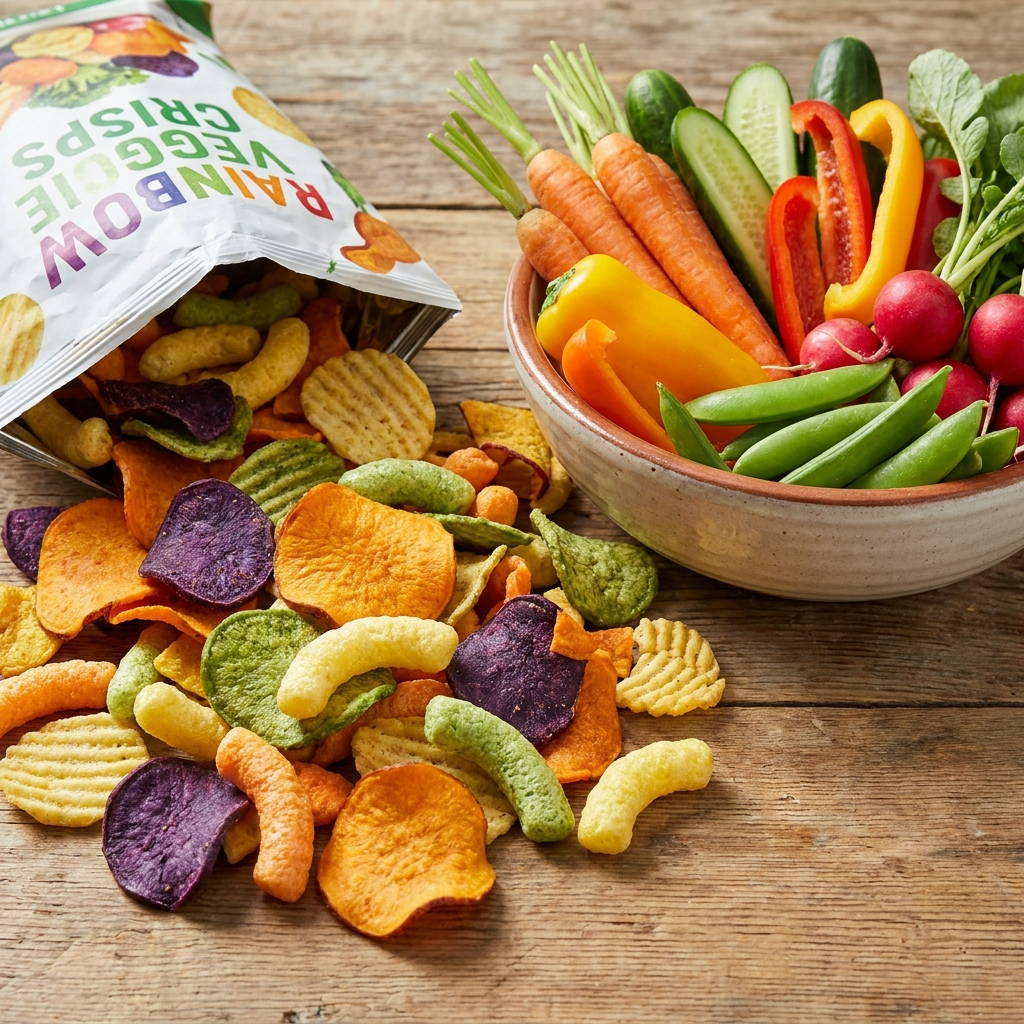
When a craving for something salty and crunchy hits, veggie chips seem like the ultimate guilt-free compromise. After all, they have the word “veggie” right there on the bag. Unfortunately, this is just a masterclass in clever food marketing.
By the time the spinach, tomatoes, or carrots are pulverized into a powder, mixed with potato starch, deep-fried in canola oil, and heavily salted, any original nutritional value is completely obliterated. In reality, most veggie chips have the exact same fat and calorie profile as standard potato chips.
The Fix: Slice up fresh bell peppers, cucumbers, and carrots to dip in hummus, or try baking your own kale chips in the oven with a touch of olive oil.
4. Agave Nectar
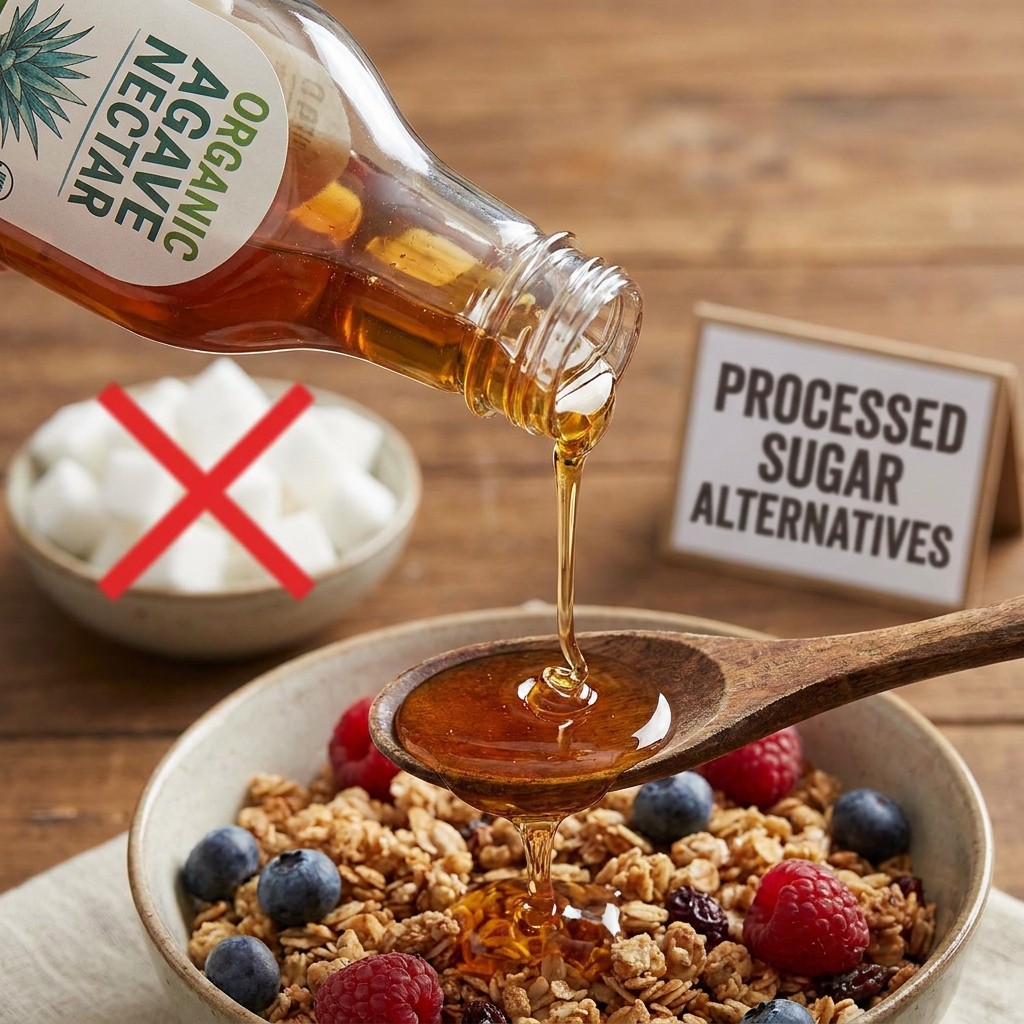
A few years ago, agave nectar exploded onto the health food scene as the ultimate, natural alternative to refined white sugar. It was praised for its low glycemic index, meaning it wouldn’t spike your blood sugar quite as aggressively as traditional sweeteners.
What the marketing failed to mention is that agave nectar is incredibly high in fructose—often containing higher fructose levels than high-fructose corn syrup. Excessive fructose consumption places a heavy burden on your liver and is closely linked to metabolic issues and insulin resistance.
The Fix: If you need a sweetener, use small amounts of pure maple syrup, stevia, or monk fruit extract instead.
Read More: 18 Best High-Protein Foods at Walmart for Weight Loss & Muscle
5. Pre-Packaged Smoothies and Green Juices
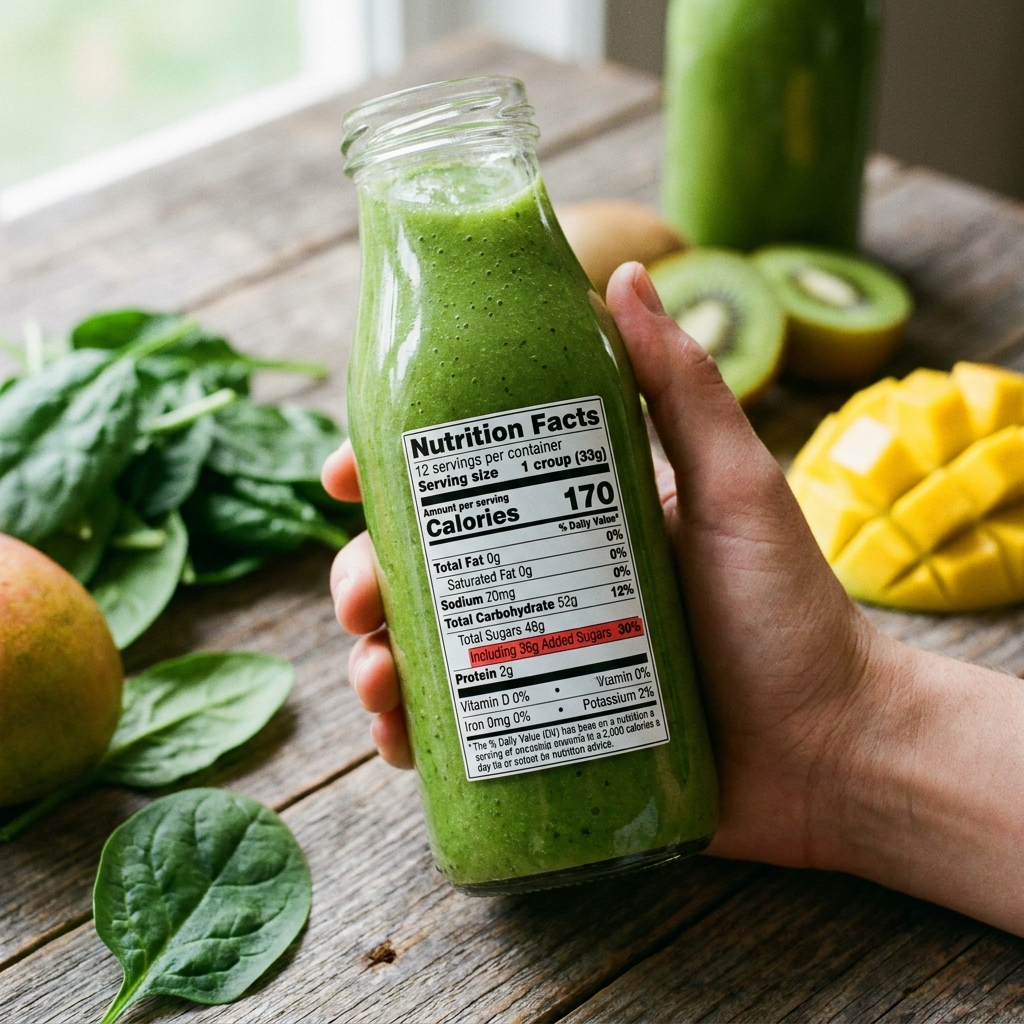
A bottled green juice looks like health in a bottle. It is incredibly easy to grab one on the go, assuming you are getting your daily serving of fruits and vegetables in a convenient package.
The problem with pre-packaged juices and smoothies is the extraction process. Juicing removes the natural fiber found in whole fruits. Without that fiber to slow down digestion, the massive amount of natural fruit sugar (and often added fruit concentrates) hits your bloodstream instantly, causing a rapid sugar crash.
The Fix: Eat the fruit whole to get the necessary fiber, or blend your own smoothies at home using mostly leafy greens, protein, and just a small portion of fruit.
6. Protein Bars
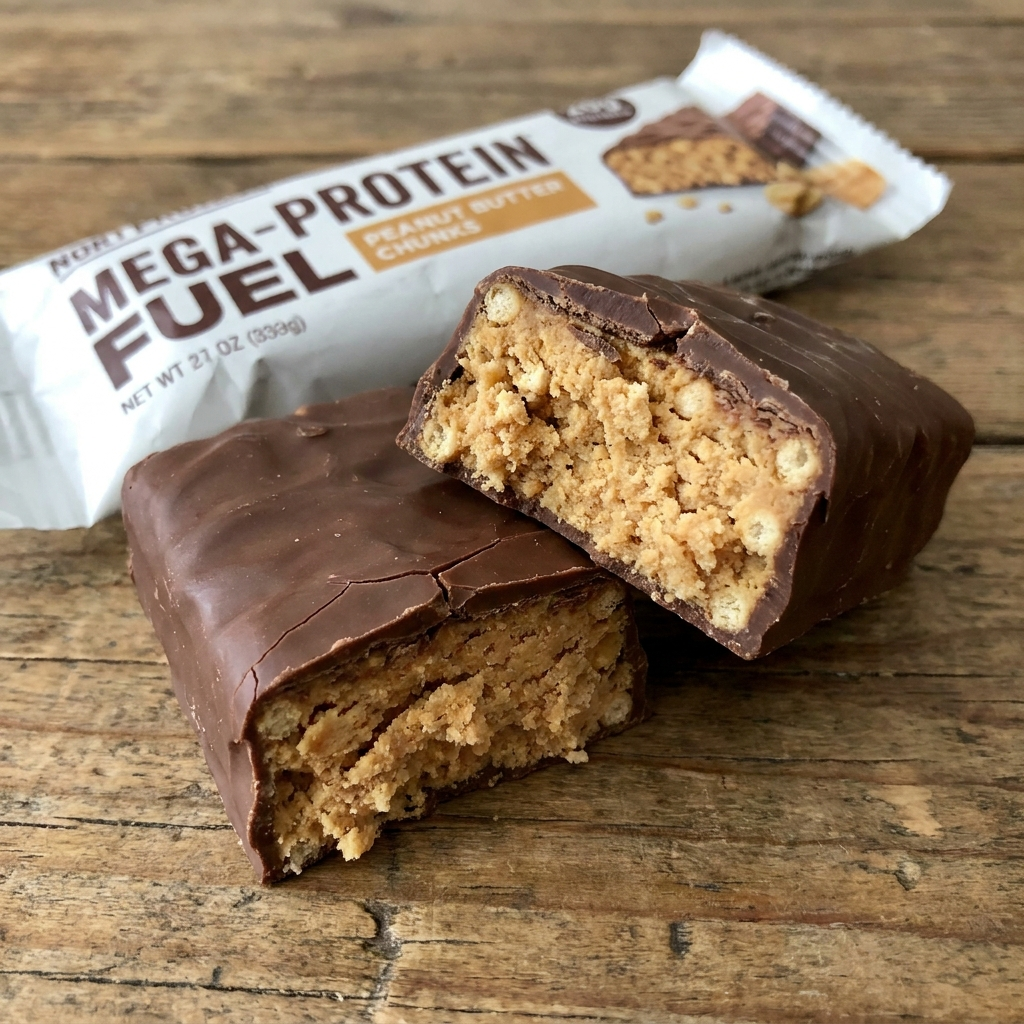
Protein bars are a staple in gym bags everywhere, heavily marketed as the perfect post-workout recovery tool or meal replacement. But you need to read the labels very carefully.
Many of the most popular protein bars on the market are essentially candy bars in disguise. Once you look past the protein count, you will often find a laundry list of highly processed ingredients, artificial sweeteners, seed oils, and sugar alcohols that can cause severe bloating and digestive distress.
The Fix: Look for bars with a minimal ingredient list (think nuts, dates, and egg whites), or get your protein from whole foods like hard-boiled eggs or a handful of almonds.
How to Spot Sneaky Labels
The easiest way to avoid these pitfalls is to become a relentless label reader. Ignore the bold claims on the front of the packaging—terms like “all-natural,” “gluten-free,” or “organic” do not automatically mean healthy. Flip the product over and look straight at the ingredient list and the added sugars line. If you can’t pronounce the ingredients, it might be best to leave it on the shelf.
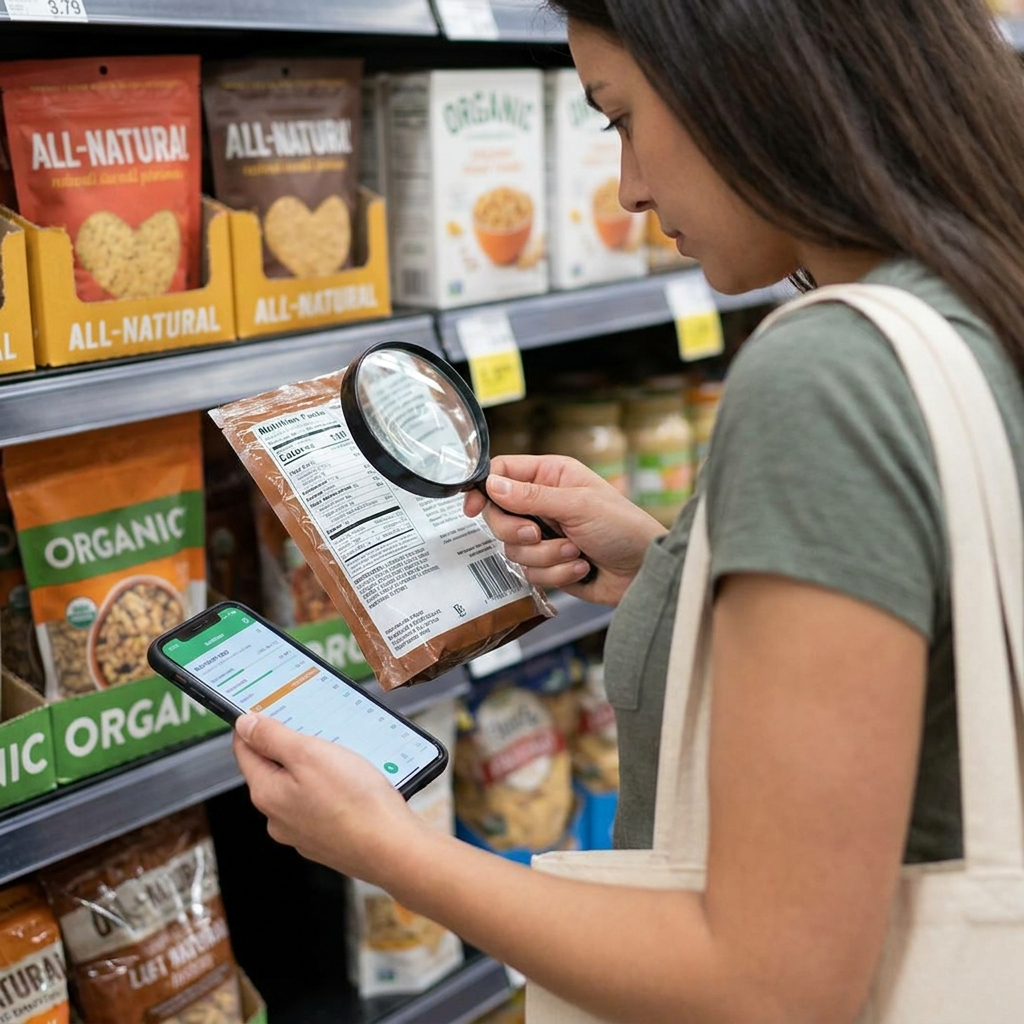
Ultimately, by keeping an eye out for these healthy foods that are actually bad for you, you can take full control of your diet and fuel your body with the genuine nutrition it deserves.