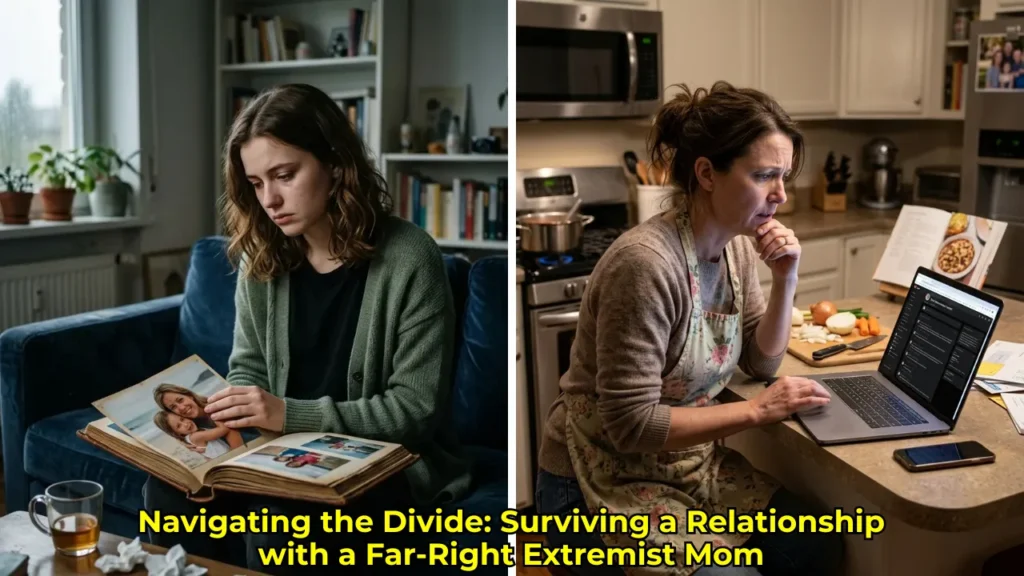
If you find yourself constantly exhausted by family gatherings and dreading phone calls, you are not alone in the heartbreaking reality of having a parent drawn into far-right politics. Many families describe a parent changing as they spend more time in internet echo chambers, hyper-partisan media, and conspiracy theories. It’s a unique, complex kind of grief. You haven’t lost your mother physically, but the woman who raised you may seem to have been replaced by someone consumed by conspiracy theories and anger. Understanding how to navigate this painful reality is crucial for your emotional well-being. Here is an honest look at the toll it takes, and some approaches to protect your own peace.
The Subtle Shifts: Recognizing a Parent’s Changing Beliefs
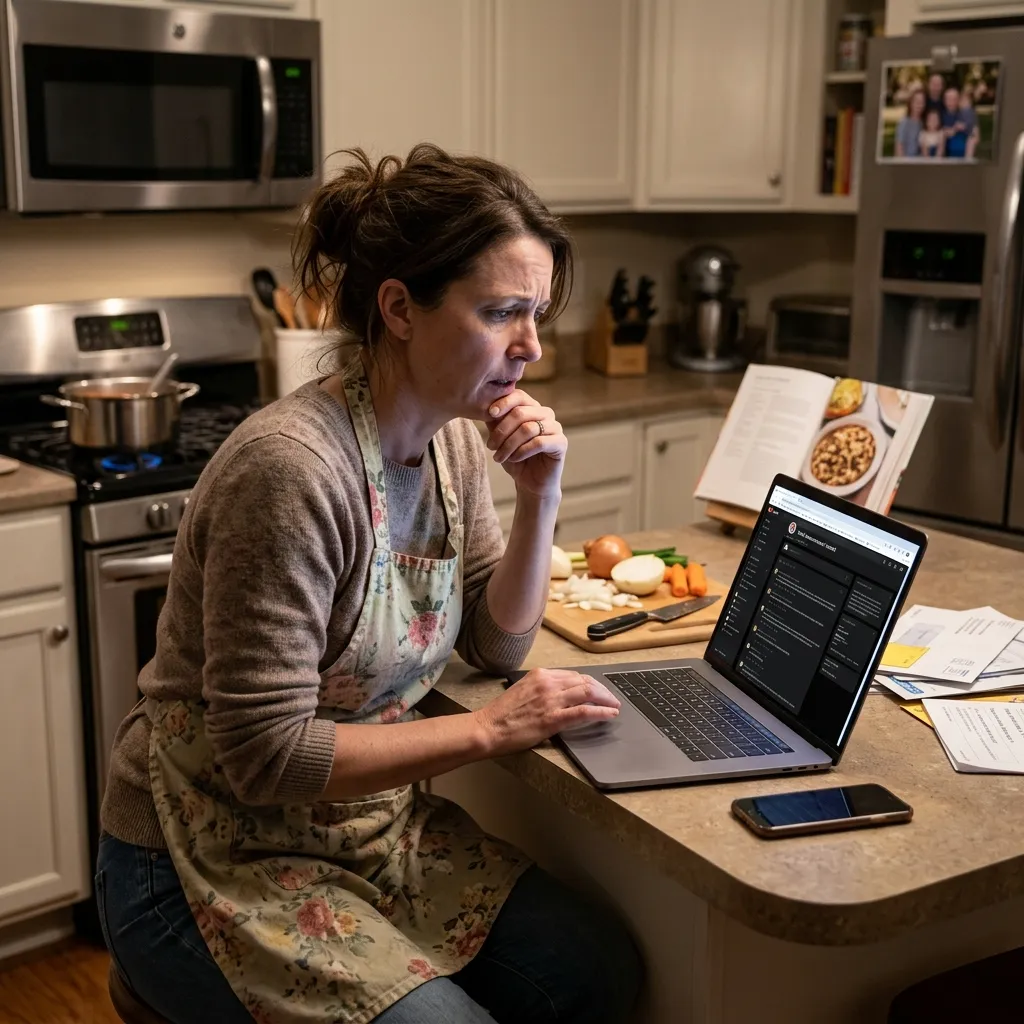
The transition rarely happens overnight. For some families, it starts with small, seemingly harmless comments. Maybe she joined a fringe Facebook group, or perhaps the 24/7 news cycle playing in her living room slowly shifted her worldview. Before you know it, lighthearted family group chats are flooded with misinformation, and every conversation—even about the weather or a family recipe—somehow circles back to a political grievance. Acknowledging this reality is the first step toward figuring out how to handle the emotional fallout.
Read More: Healing Mother-Daughter Relationships: Overcoming Resentment

Why Logic Often Doesn’t Work on a Parent With Strong Political Beliefs
One of the most frustrating aspects of this dynamic is that facts often fail. Dannagal Young of the University of Delaware told NPR that beliefs like these are often tied to identity, so bringing up statistics, fact-checking websites, or logical counter-arguments can backfire. Attacking the misinformation can feel, to the person, like a personal attack.

Strategies for Setting Boundaries With a Far-Right Parent
So, how do you move forward when cutting ties completely isn’t an option you’re ready for? There is more than one approach, and what works depends on your situation.
Reconnect Through Shared Memories: NPR’s reporting on families affected by QAnon-like beliefs describes reconnecting through shared memories and unconditional love, and avoiding mockery. This is the opposite of withdrawing, and some people find it more effective.
Try the “Gray Rock” Method: Some people give neutral, uninteresting responses to inflammatory political statements, such as “Hmm,” or “I see you feel strongly about that.” This is a personal strategy that many people use, not expert advice, and we found no research behind it.
Set Hard Boundaries: Clearly communicate what topics are off-limits. Say, “Mom, I love you, but I will not discuss politics. If you bring it up, I will have to leave or hang up the phone.” Then, actively follow through.
Mute and Unfollow: You do not have to consume her digital outrage. Unfollowing her on social media is a boundary you can set silently to protect your daily peace.

Mourning the Relationship You Once Had with Your Mom
Part of surviving this dynamic is allowing yourself to grieve. It is incredibly painful to mourn someone who is still alive. Seek support from therapists or online communities where others are navigating the exact same parental loss. You are allowed to miss the woman she used to be.
Read More: Grieving an Estranged Father: Coping with Complex Loss

Finding Your Path Forward
Ultimately, managing a relationship with a parent who holds extreme beliefs means choosing your own mental health first. The challenges may never fully disappear, and you cannot control the media she consumes, the groups she joins, or the beliefs she holds. You can only control your own boundaries and how close you stay. Whether you choose low contact, strict conversational boundaries, reconnecting through shared memories, or eventually no contact, remember that prioritizing your well-being is not a betrayal.
Sources
Find more stories like this in our Parents section.